Arrowhead and artifact type guide
1,031 arrowhead, point, stone tool and pottery types from across North America, each with photos, its age and cultural period, its size and the states where it is found. Search by name, or narrow the list by period and state.
1,031 types
A
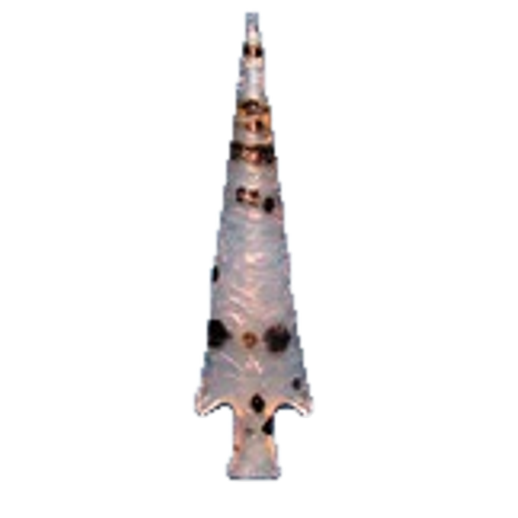 AbajoLate Archaic1,400 - 1,000 B.P.
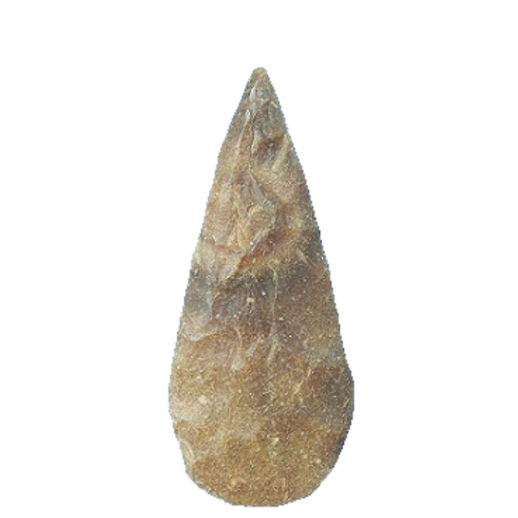 AbasoloMiddle Archaic to Late Archaic7,000 - 1,500 B.P. (began between 5000 and 3000 B.C.; lasted to about A.D. 500 in most areas)
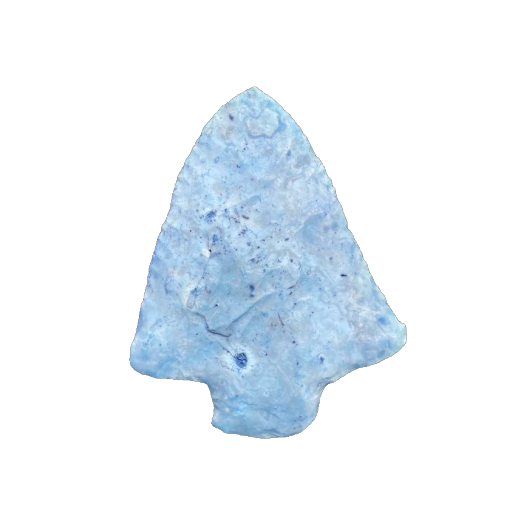 AbbieLate Archaic4,990–4,500 B.P. (site 9DW77, Dawson County, Georgia; Webb 1998, in Whatley 2002); 4,500–4,000 B.P. (Baker 1995, in Whatley 2002)
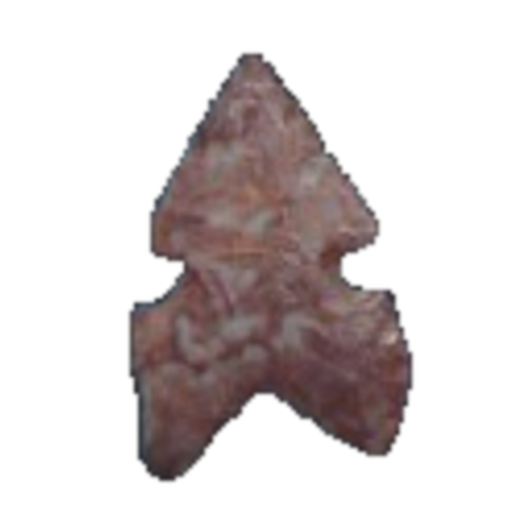 AbiquiuLate Archaic4,800 - 2,500 B.P
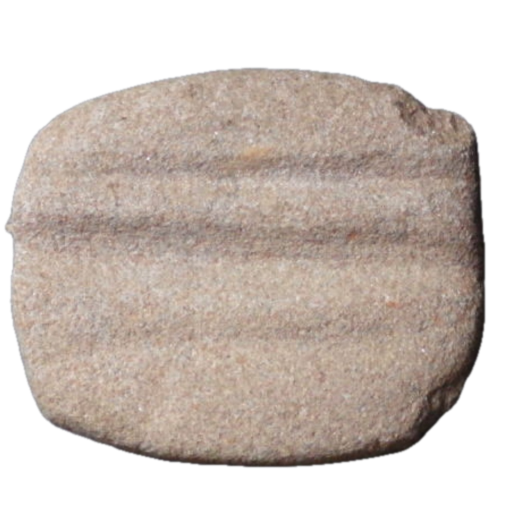 Abrasive StoneUsed universally by Paleoindian through Late Prehistoric cultures, including Archaic foragers, Woodland societies, Mississippian farmers, Ancestral Puebloans, Plains hunters, and Great Basin groups.10,000 - 300 B.P.
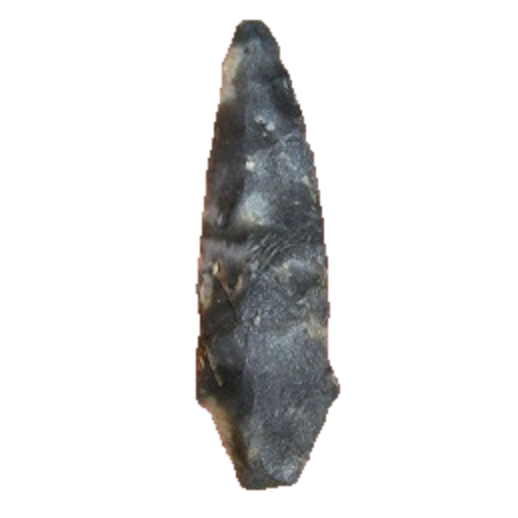 Accokeek CreekEarly Woodland2,600 - 1,700 B.P.
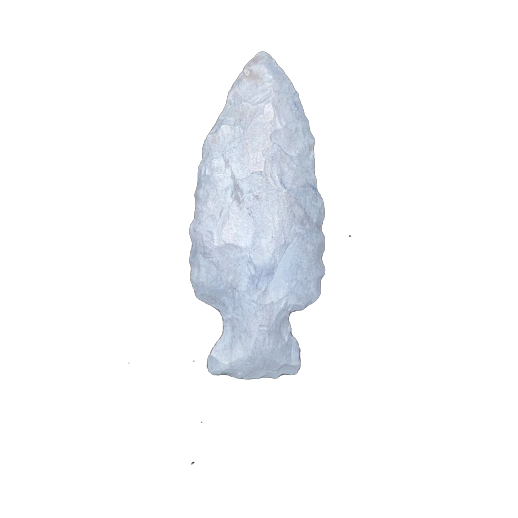 Ace of SpadesLate Archaic4,000 - 3,000 B.P.
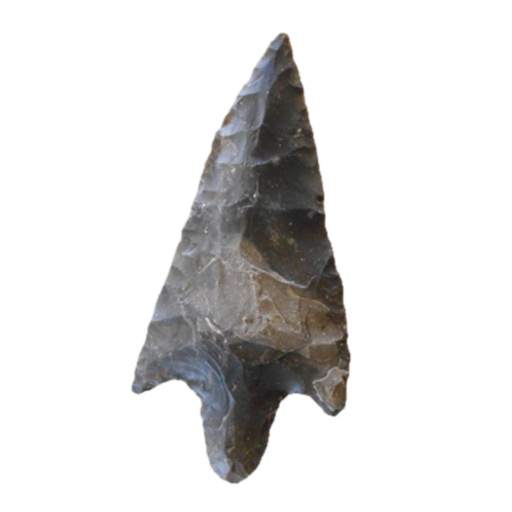 AcititaTransitional Archaic3,000–2,600 B.P.
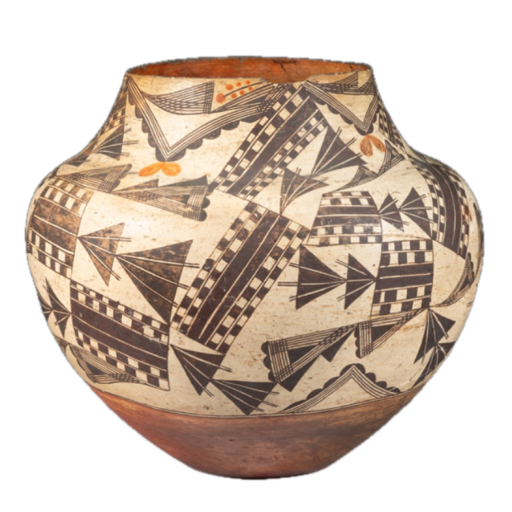 Acoma PolychromeHistoric to presentA.D. 1890–present (Wilson 2014); the transitional McCartys Polychrome of the later 1800s is usually grouped with it
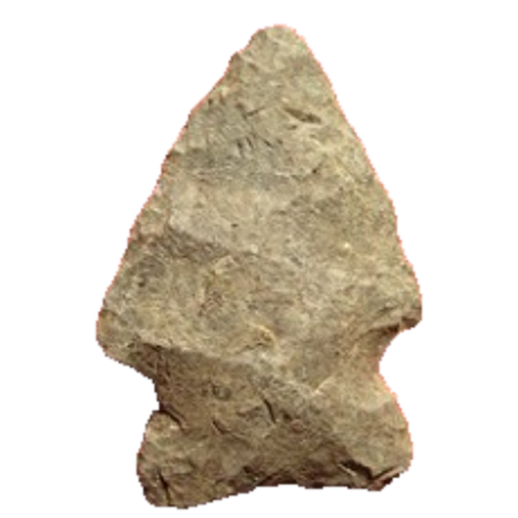 Adams County LobedEarly Archaic8,500–8,000 B.P.
 Adams DiamondTransitional Archaic to Preclassic1,700 - 900 B.P.
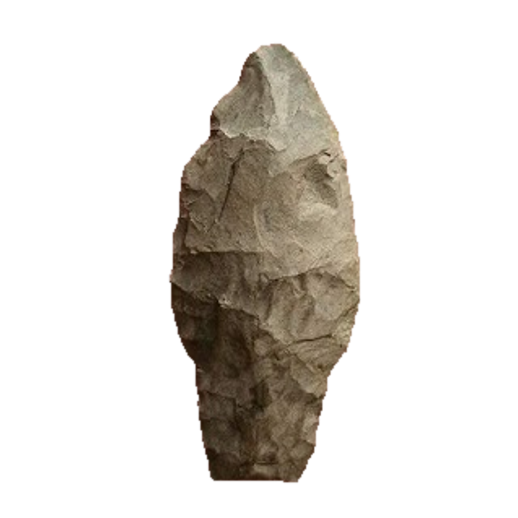 Adder OrchardLate Archaic to Woodland3,300 - 2,000 B.P.
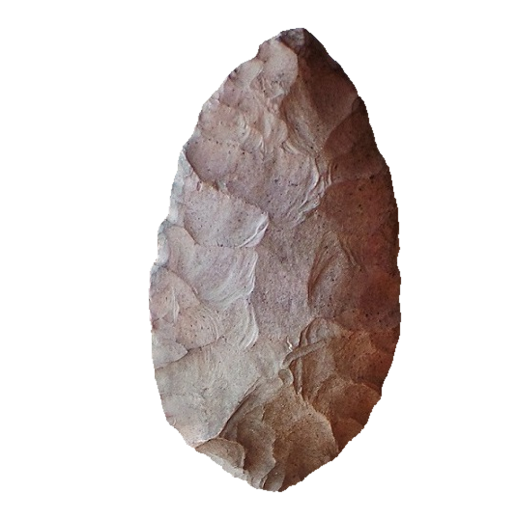 Adena BladeEarly Woodland to early Middle Woodland2,350–1,700 B.P.
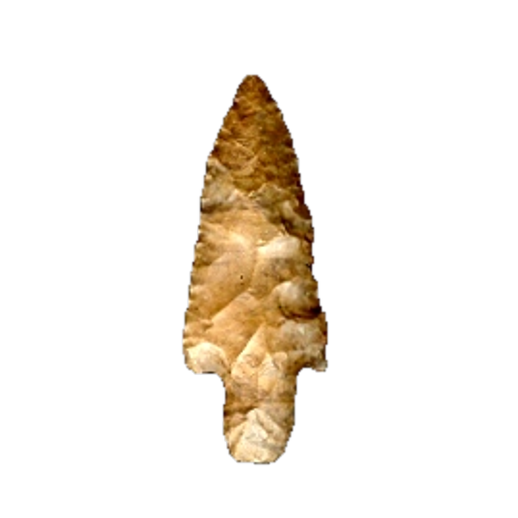 Adena Narrow BladeLate Archaic to Woodland3,500 - 1,300 B.P.
- Adena PlainEarly Woodland to Middle WoodlandFrom about 300–200 B.C. (Clay 1985, 1988, in Applegate 2008) into the early Middle Woodland
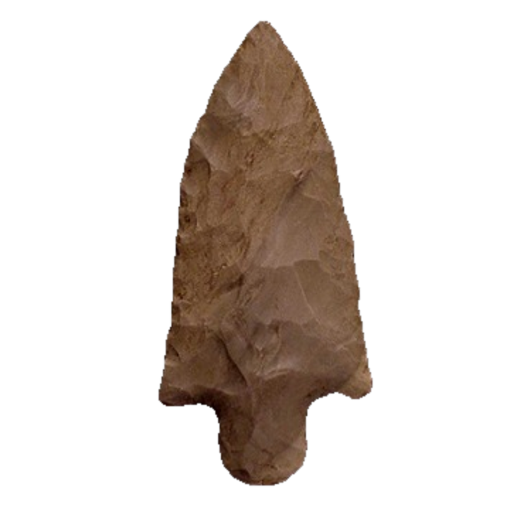 Adena RobinsLate Early Woodland to early Middle Woodland2,500 - 1,500 B.P.
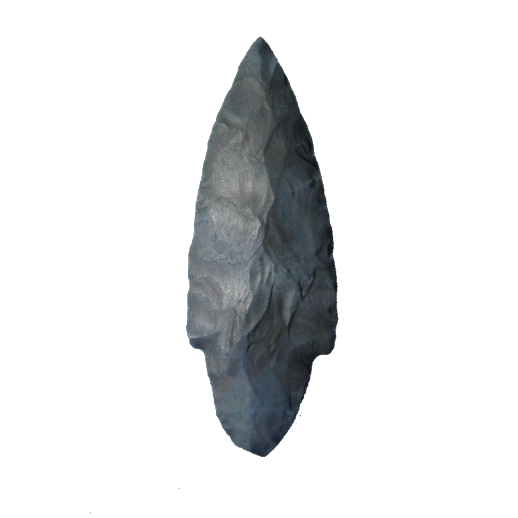 Adena StemmedEarly Woodland to Middle Woodland2,750–1,750 B.P. (800 B.C.–A.D. 200; Maryland JPPM); Maryland and Delaware radiocarbon dates mostly 2,445–1,960 B.P.; Ohio and Kentucky Adena dates 800 B.C.–A.D. 800 (Cambron and Hulse 1975)
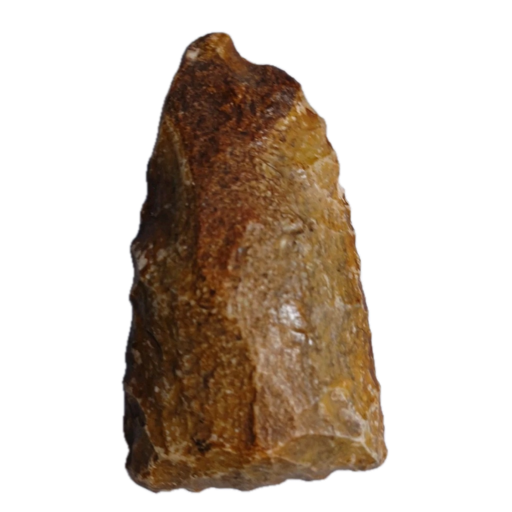 AdzeLate Paleoindian to HistoricFrom about 10,500 B.P. (Dalton; Ray and Mandel 2015) into the historic period
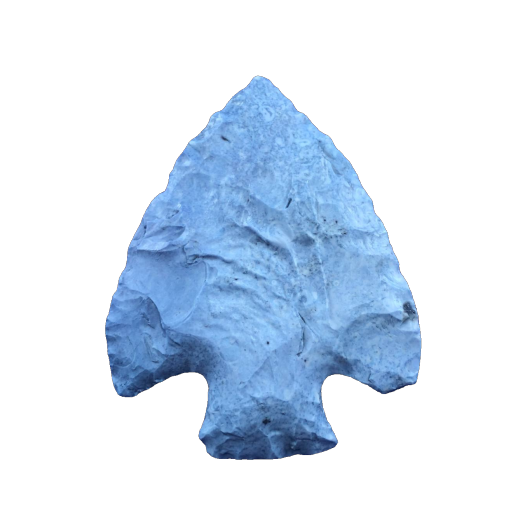 Affinis SnydersMiddle Woodland2,200 - 1,800 B.P.
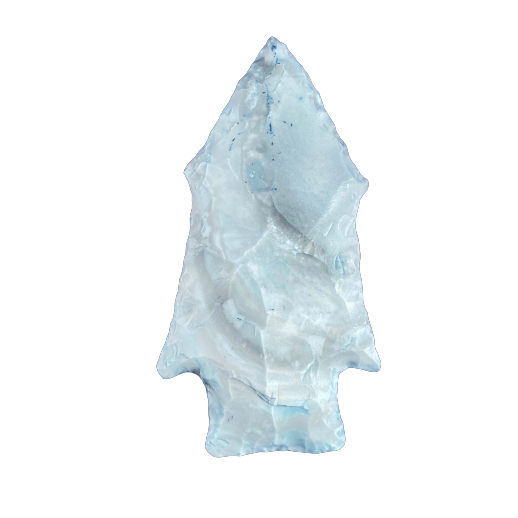 AftonLate Archaic5,000 - 3,000 B.P.
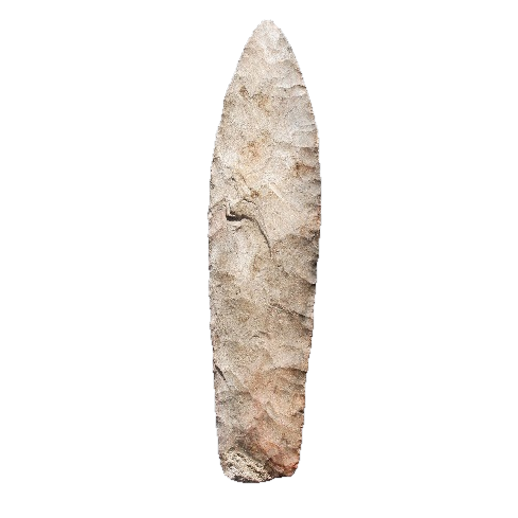 Agate BasinLate Paleoindian10,500–10,000 B.P.; charcoal from the Agate Basin level at Area II of the type site dated 10,430 ± 570 B.P. (MVAC)
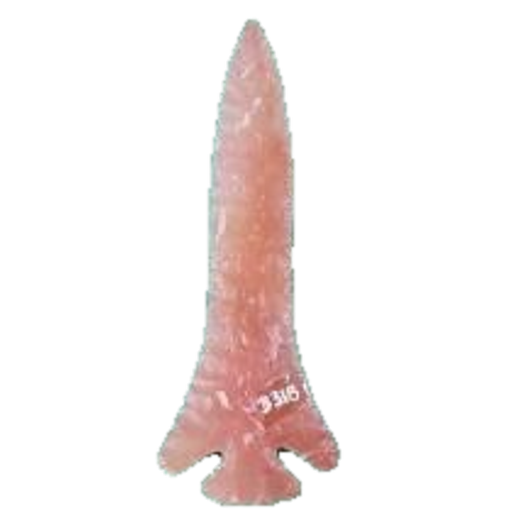 AgeeLate Woodland1,000 - 700 B.P.
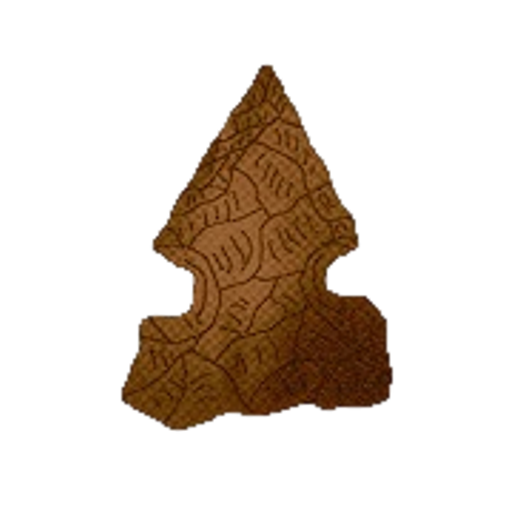 AhsahkaMiddle Archaic4,000 - 3,000 B.P.
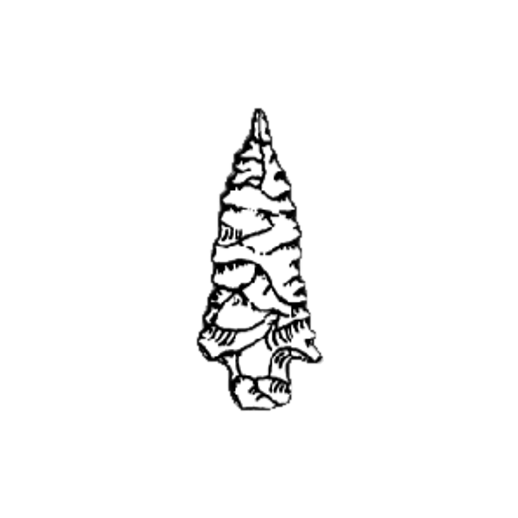 AhumadaDevelopmental1,250 - 1,100 B.P.
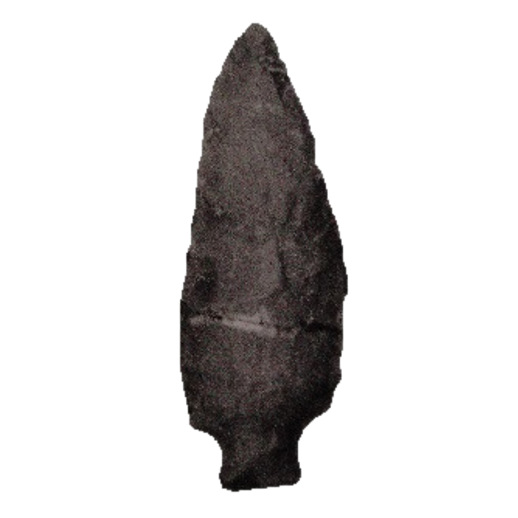 AishihikArchaic1,250 - 800 B.P.
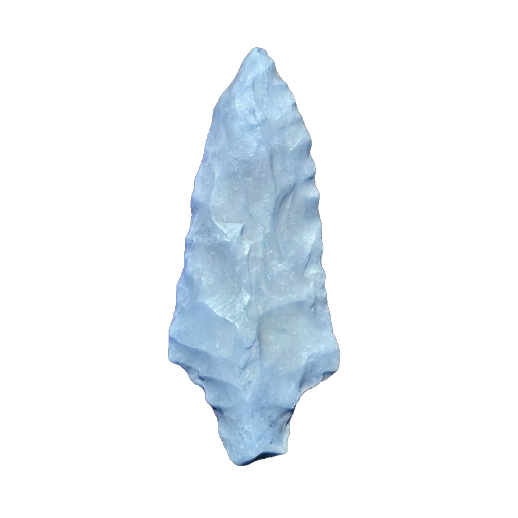 AlachuaMiddle Archaic to Late Archaic6,000 - 3,500 B.P.
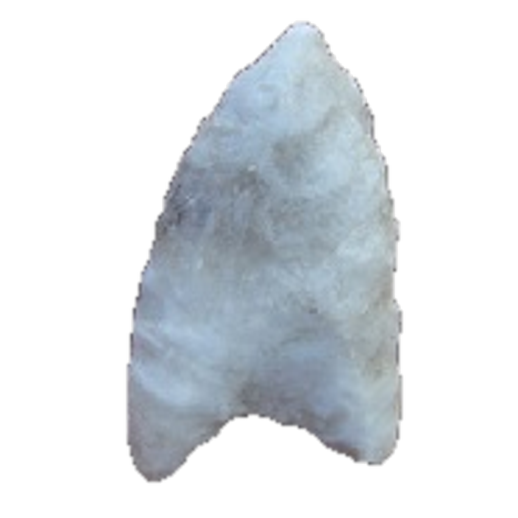 AlamanceLate Paleo10,000 - 9,000 B.P.
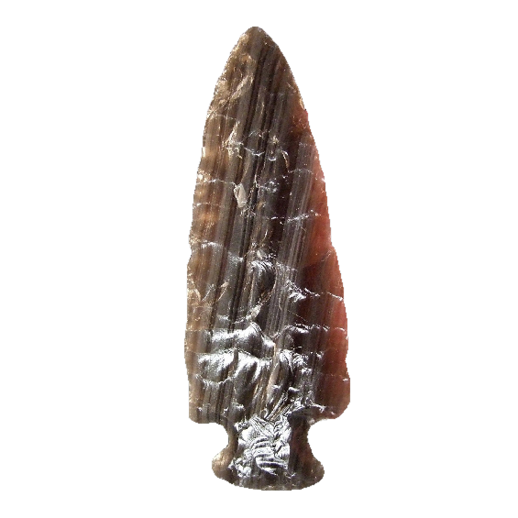 AlamoLate Archaic2,500 - 1,500 B.P.
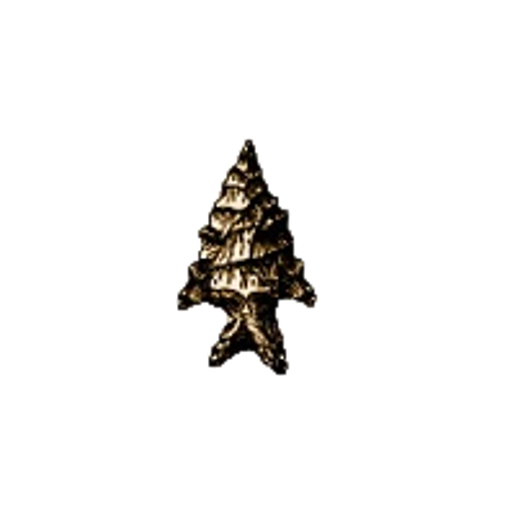 AlazanLate Prehistoric850 - 650 B.P.
- AlbaLate Prehistoric (Caddo)1,950–750 B.P. or later (about the time of Christ to A.D. 1200 or later; Suhm, Krieger and Jelks 1954)
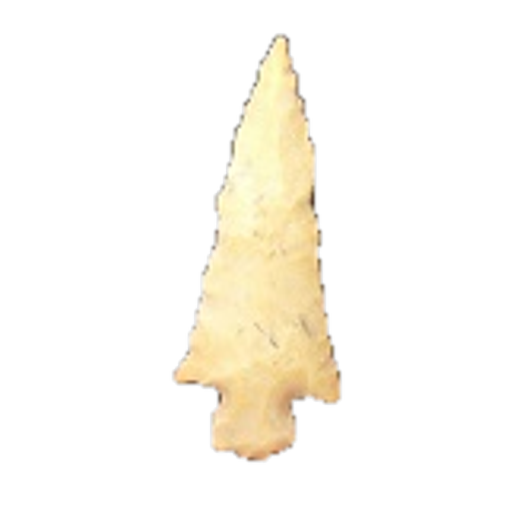 Alba BarbedLate Paleo to Transitional Archaic1,200 - 800 B.P.
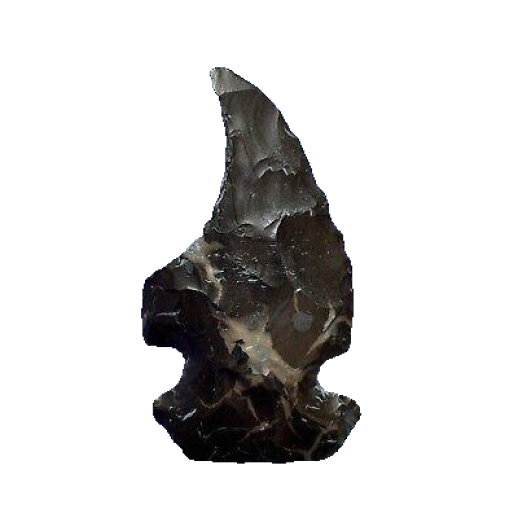 Albany SpokeshaveLate Paleo to Early Archaic10,000 - 7,000 B.P.
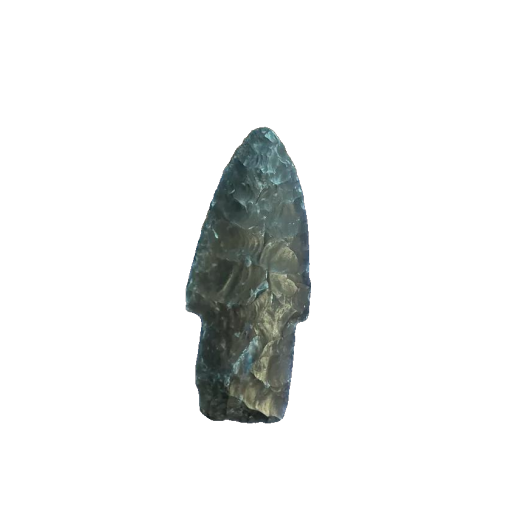 AlbertaTransitional Paleo9,250 - 8,850 B.P.
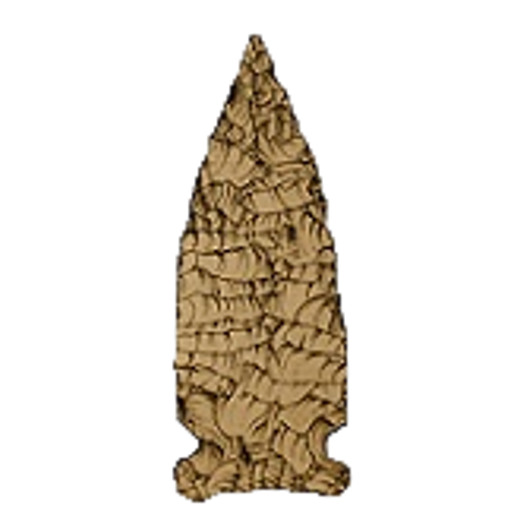 Albion HeadEarly Archaic5,500 - 2,500 B.P.
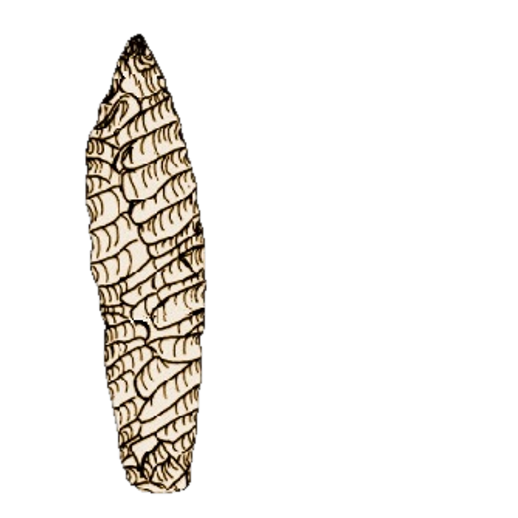 AlderLate Paleo10,000 - 9,000 B.P.
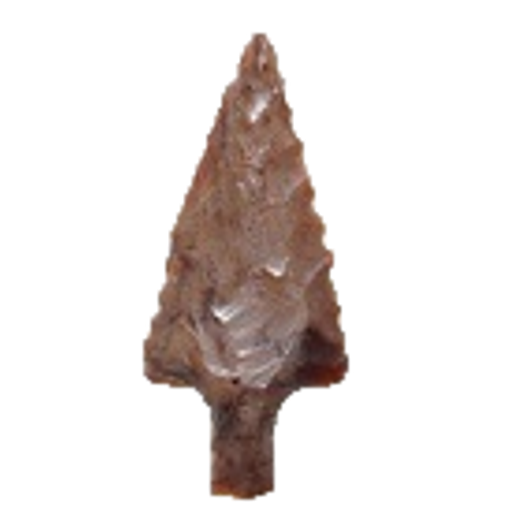 AlkaliPrehistoric to Historic1,500 - 700 B.P.
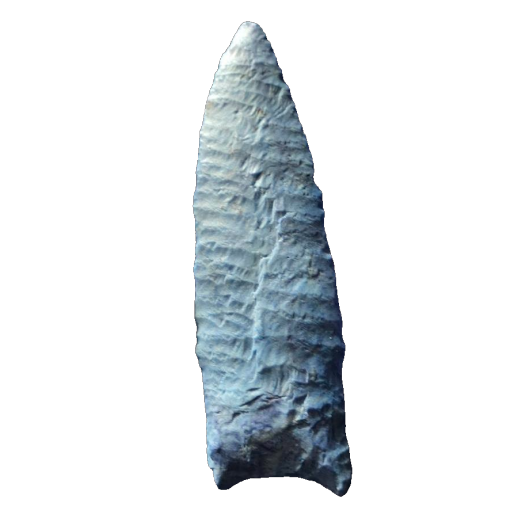 AllenLate Paleoindian9,350–7,900 B.P. (six dated sites, median about 8,780 B.P.; Pitblado 2007); 7,900 ± 400 B.P. at the James Allen site (M-304; Mulloy 1959)
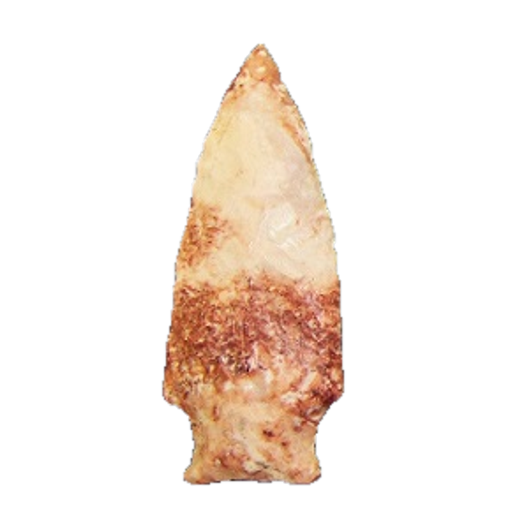 AllendaleLate Archaic to Early Woodland4,000 - 3,000 B.P.
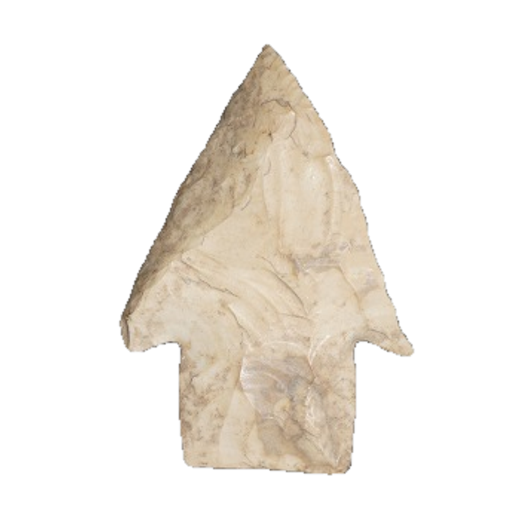 AllspiceLate Archaic4,078 - 3,835 B.P.
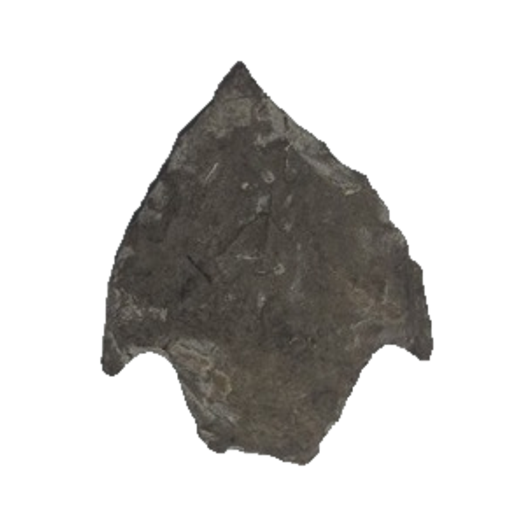 AlmagreMiddle Archaic5,000 - 4,000 B.P.
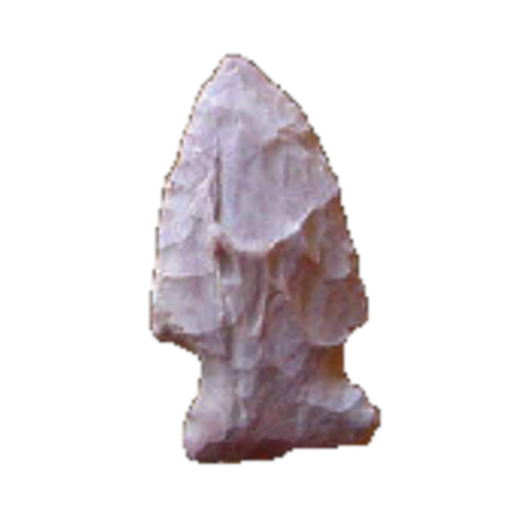 AmargosaLate Archaic3,000 - 2,000 B.P.
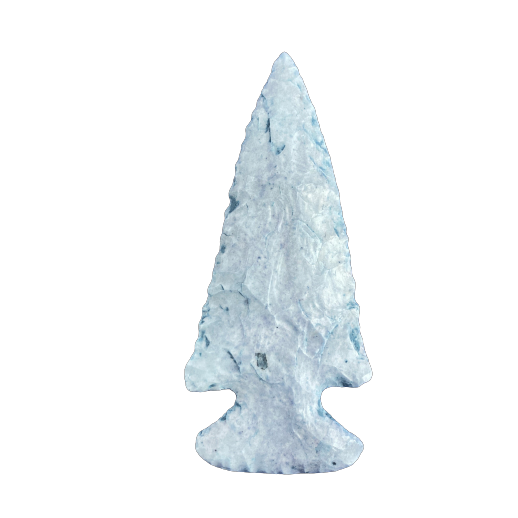 AmosEarly ArchaicAbout 9,850–8,850 B.P. (7900–6900 B.C.; NRCS guide, after Justice 1987)
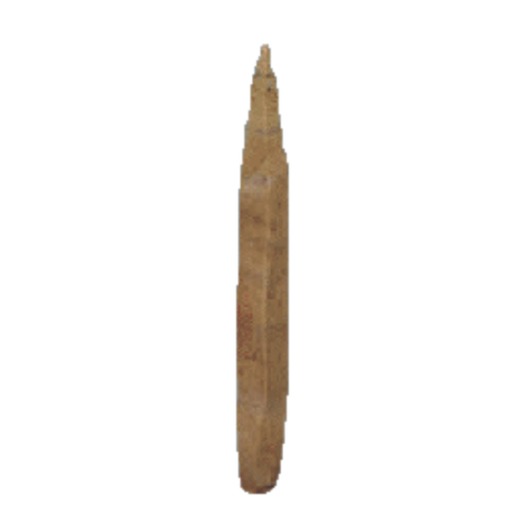 Anagula Blades and Cores9,200 - 8,000 B.P.
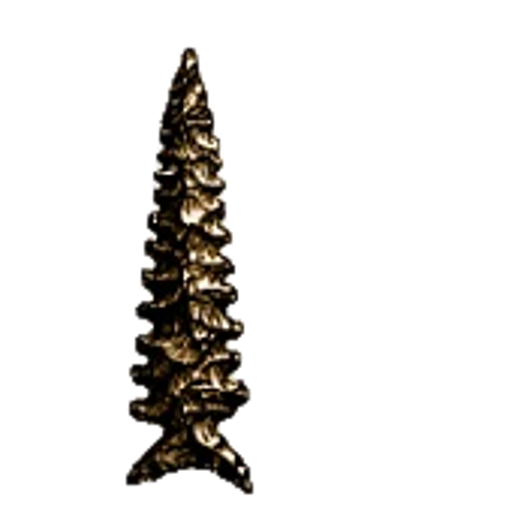 AnaquaTransitional Archaic to Prehistoric1,400 - 800 B.P.
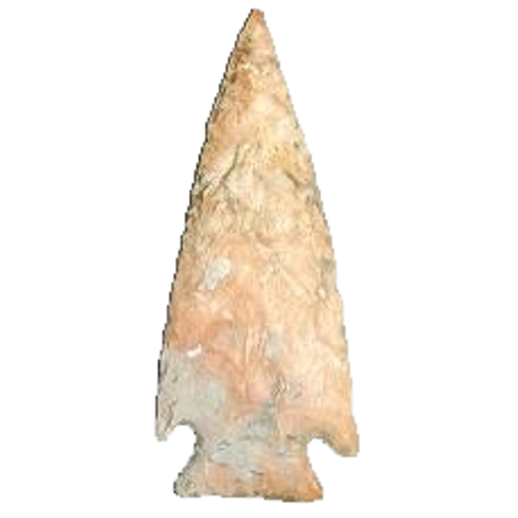 AndersonMiddle Archaic6,000 - 5,000 B.P.
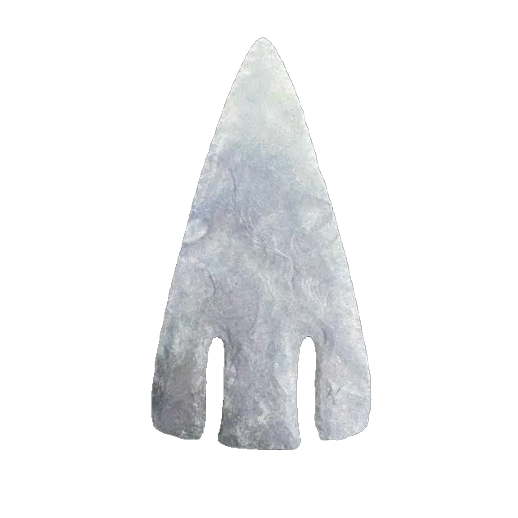 AndiceEarly Archaic to Middle ArchaicAbout 6,000–5,000 B.P. (Jarrell Phase, central Texas; Prewitt 1981); 6,000–5,750 years ago for the Calf Creek horizon at Spring Lake, Texas
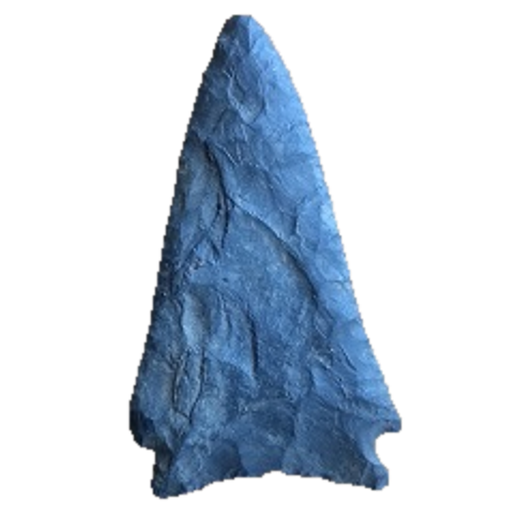 AngelicoEarly Archaic9,200–9,000 B.P. (7200–7000 B.C. at Cactus Hill, Virginia DHR, for Decatur)
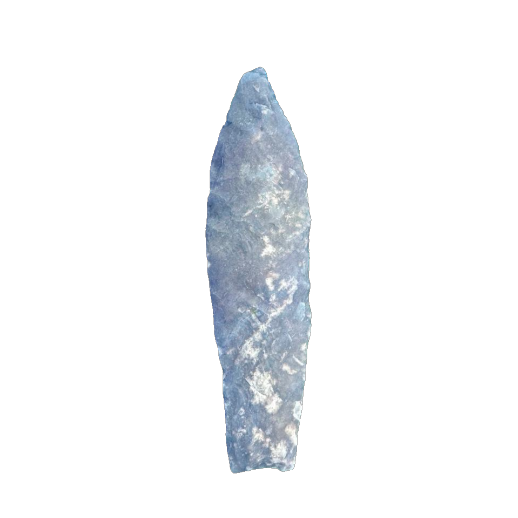 AngosturaLate Paleoindian9,700–7,550 B.P. (median 8,790 B.P.; 19 dated sites, Pitblado 2007); about 9,000 B.P. at the Ray Long type site (Buhta et al. 2013)
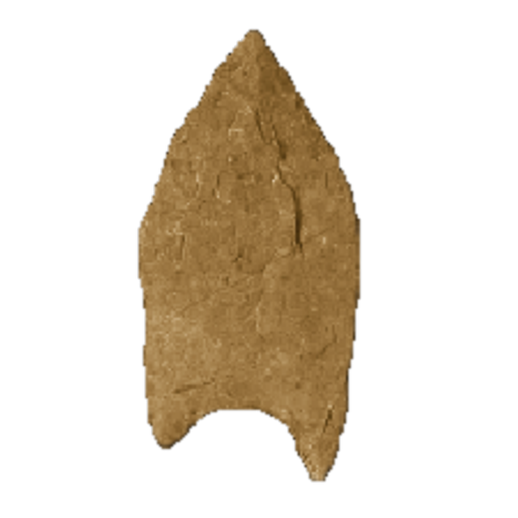 Annie LakeMiddle Archaic5,100 - 4,400 B.P.
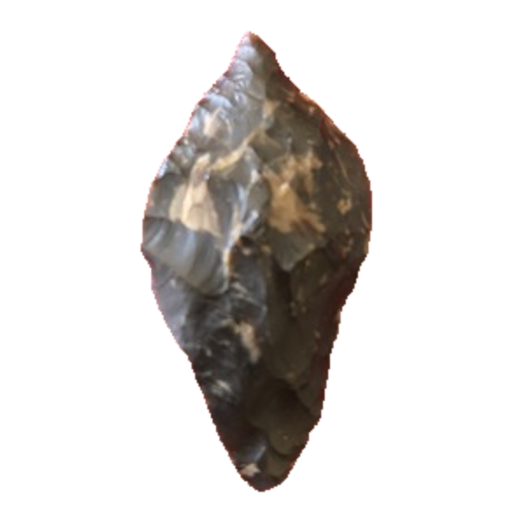 Ano Nuevo Long StemLate Archaic2,950 - 2,500 B.P.
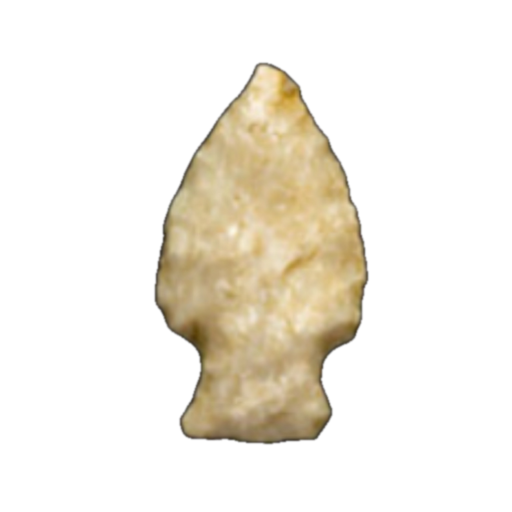 AnsellClassic to Historic3,000 - 2,000 B.P.
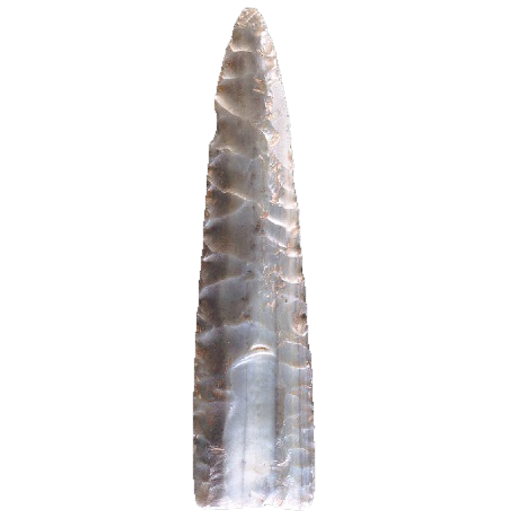 Anzick ClovisPaleoindian10,705 ± 35 B.P. (about 12,700–12,550 cal B.P.) for the Anzick-1 burial
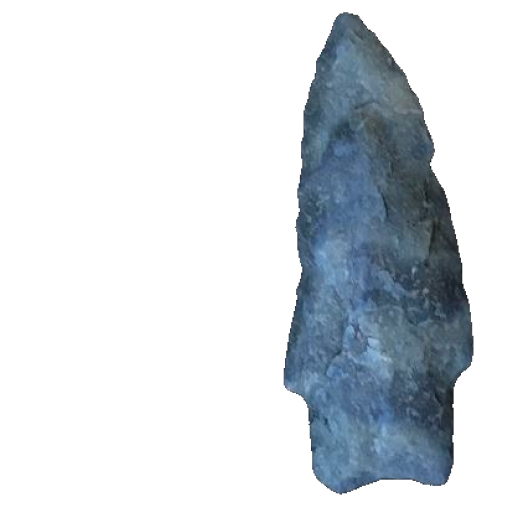 AppalachianLate Archaic4,500 - 3,500 B.P.
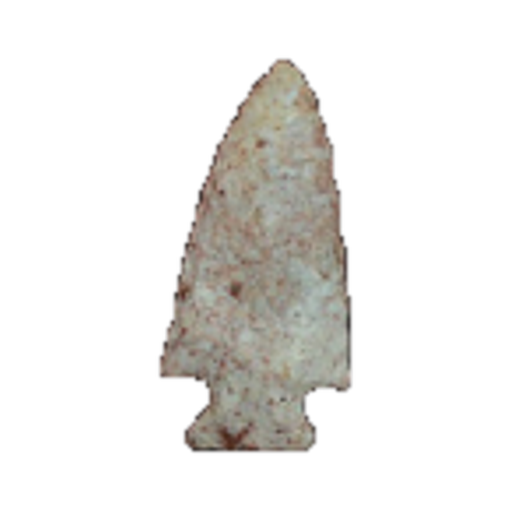 Apple BlossomLate Archaic to Early Woodland3,500 - 2,500 B.P.
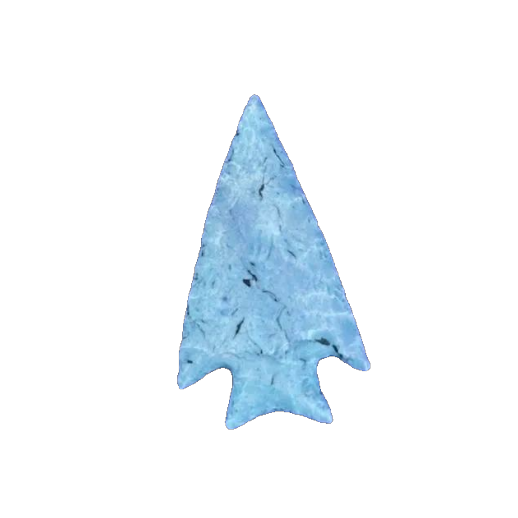 Apple CreekEarly Archaic1,700–1,500 B.P.
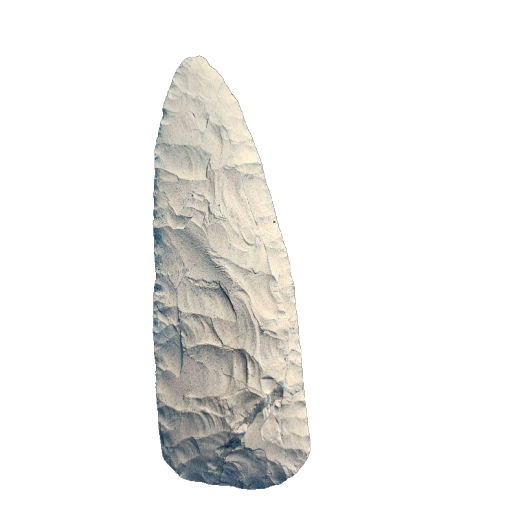 Archaic KnifeEarly Archaic to Late Archaic10,000–3,000 B.P. (8000–1000 B.C., the Archaic period as dated in North Carolina; UNC RLA). Dated Texas examples: a butted knife at about 2955–2781 cal B.P. and corner-tang knives at about 650 B.C.–A.D. 450 (Texas Beyond History)
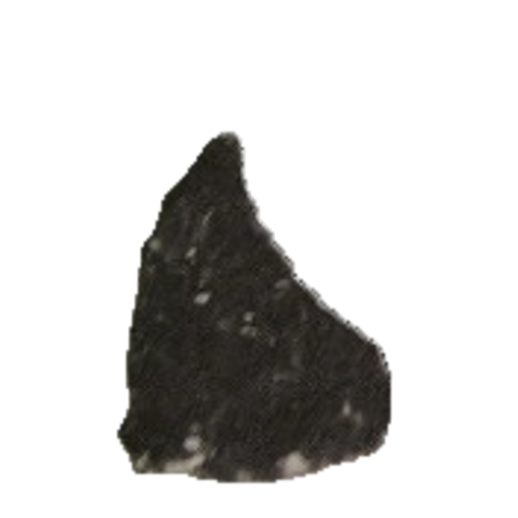 ArcoTransitional Paleo to Early Archaic1,700 - 900 B.P.
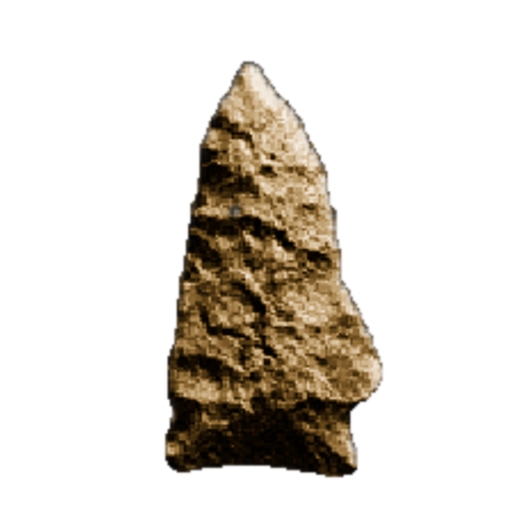 ArdenWoodland7,000 - 6,000 B.P.
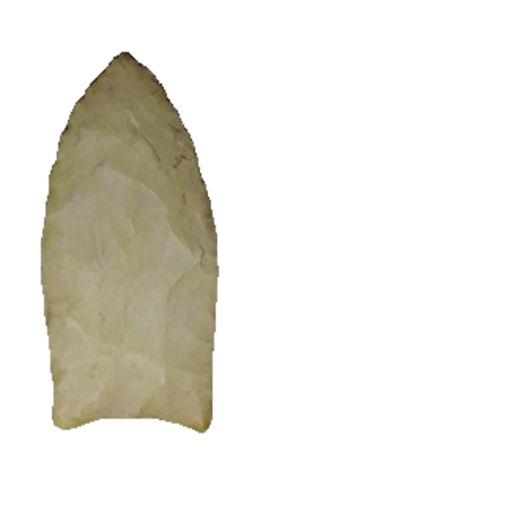 ArkabutlaTransitional Paleo10,000 - 8,000 B.P.
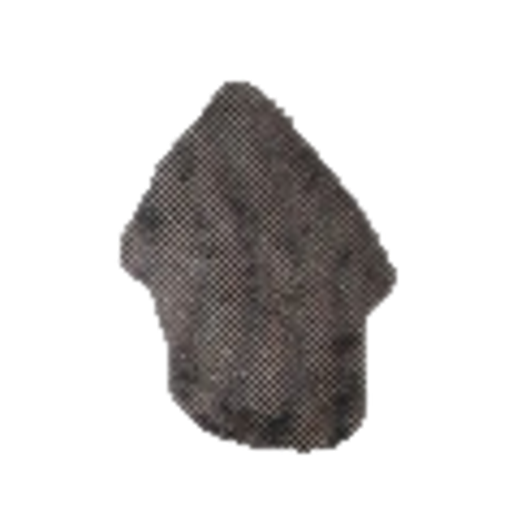 ArmadilloTransitional Archaic2,000 - 1,500 B.P.
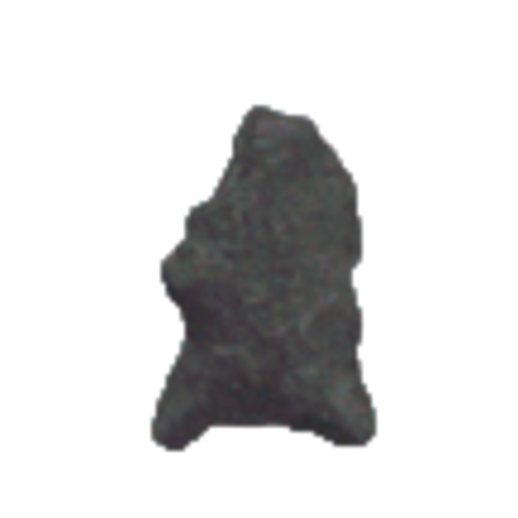 ArmijoLate Archaic4,000–2,500 B.P. (Chapin 2017, as summarized by Johnston 2021)
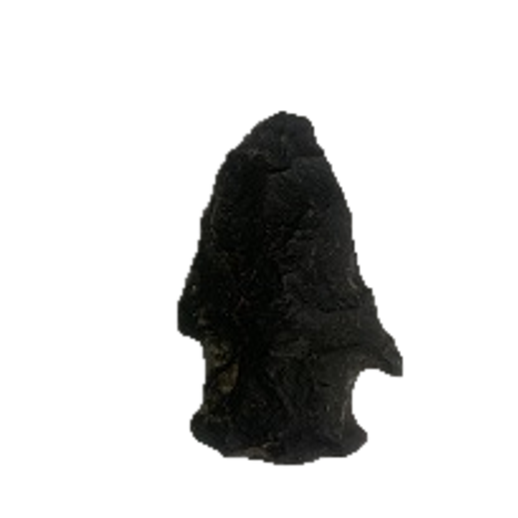 ArmstrongDevelopmental to Late Prehistoric2,400 - 1,600 B.P.
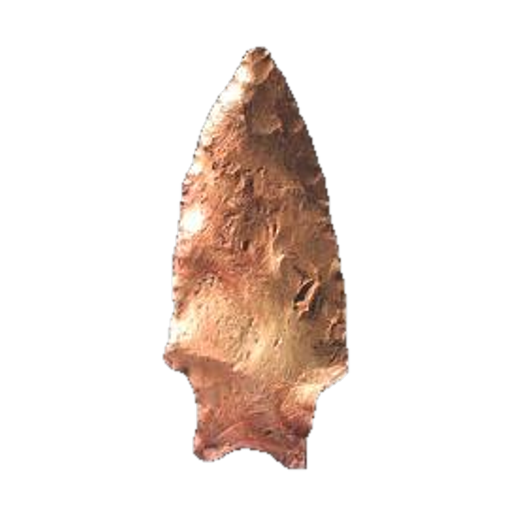 ArredondoEarly ArchaicEarly Archaic. Bullen placed it in the same time range as Kirk Serrated, and Justice (1987) dates Kirk Stemmed to 8,900–8,000 B.P. (cited in Faught and Waggoner 2012); no date was found for Arredondo itself
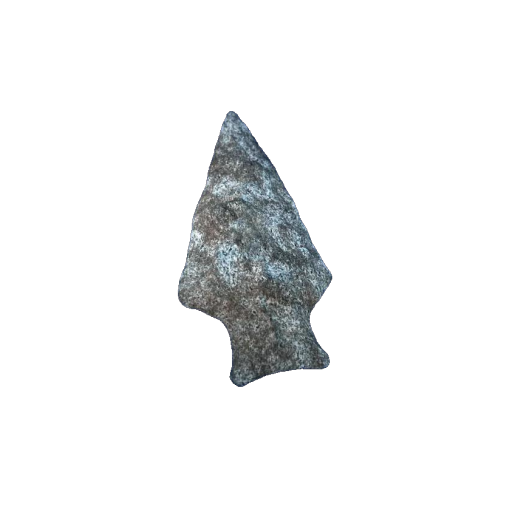 AshtabulaLate Archaic to Early Woodland3,500 - 2,500 B.P.
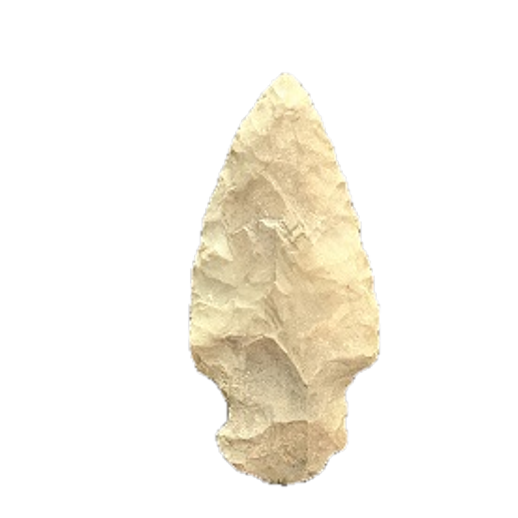 AtalissaLate Archaic3,500 - 2,000 B.P.
- Athabascan PotteryArctic/Sub-Arctic PotteryA.D. 1000–1900
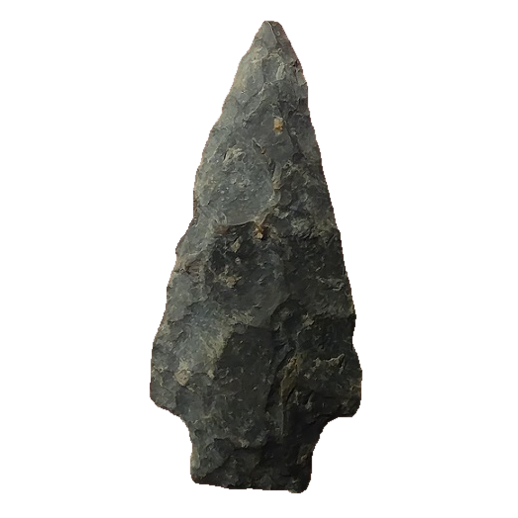 Atlantic Phase BladeLate Archaic4,150 - 3,650 B.P.
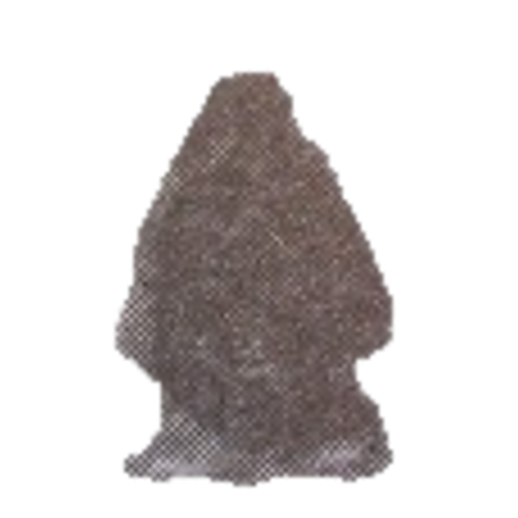 Atotonilco Corner NotchTransitional Archaic1,800 - 1,400 B.P.
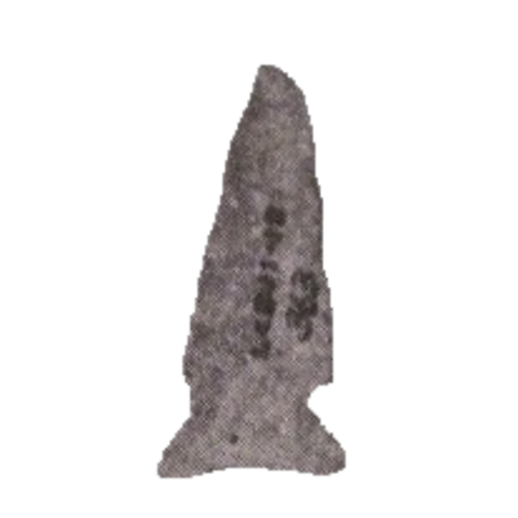 Atotonilco Side NotchDevelopmental to Late Prehistoric1,800 - 1,400 B.P.
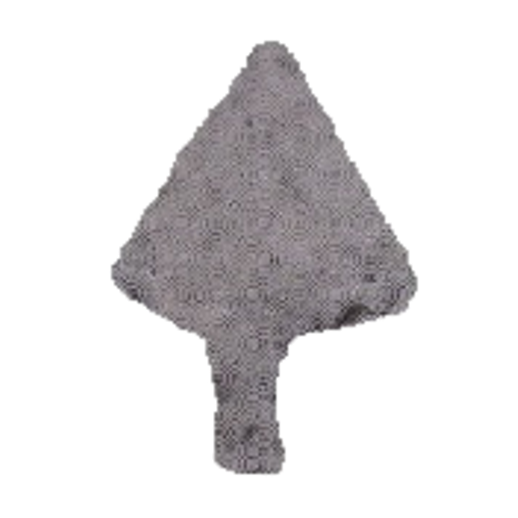 Atotonilco StemmedDevelopmental to Late Prehistoric1,800 - 1,400 B.P.
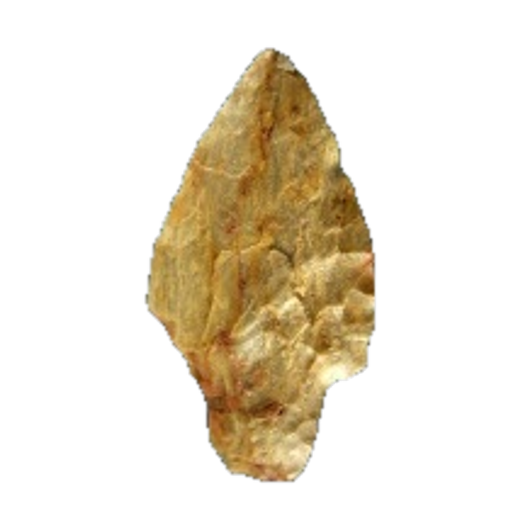 AugustinDevelopmental to Classic to Late Prehistoric7,000 - 5,000 B.P.
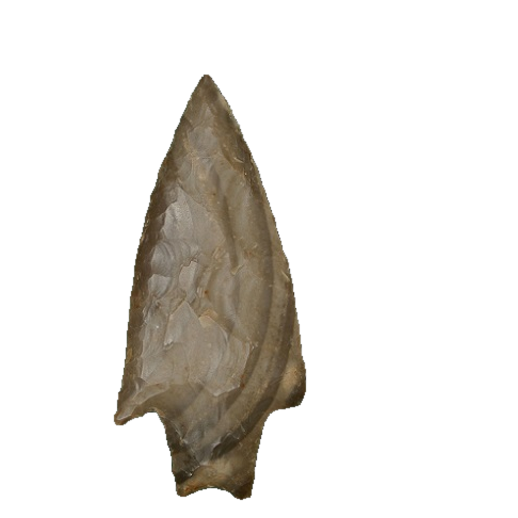 AustinLate Archaic4,800 - 4,500 B.P.
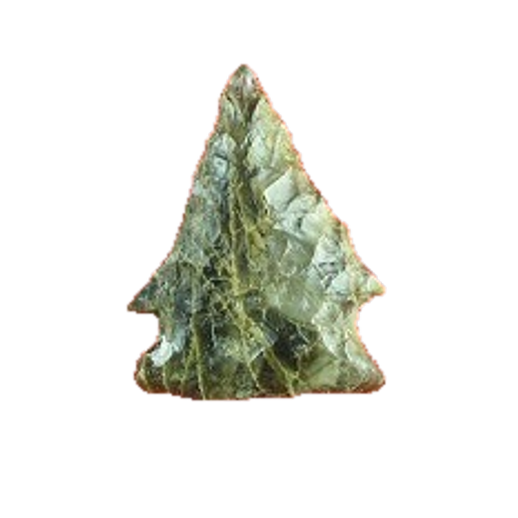 AutaugaEarly Archaic9,000 - 7,000 B.P.
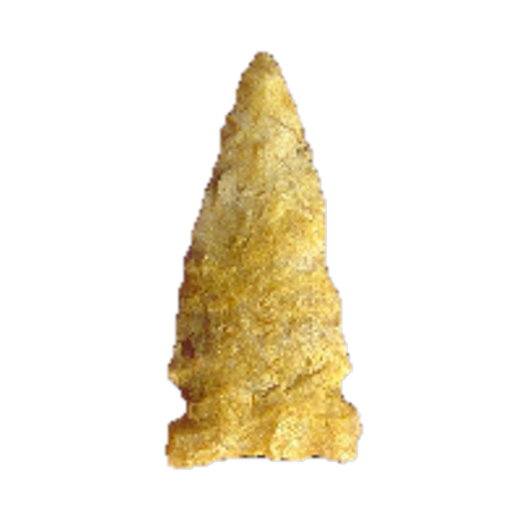 Avonlea Timber RidgeLate Prehistoric1,700–900 B.P. in Alberta (Reeves 1983, in Peck 2011); 980 ± 110 B.P. at the Timber Ridge site, Montana
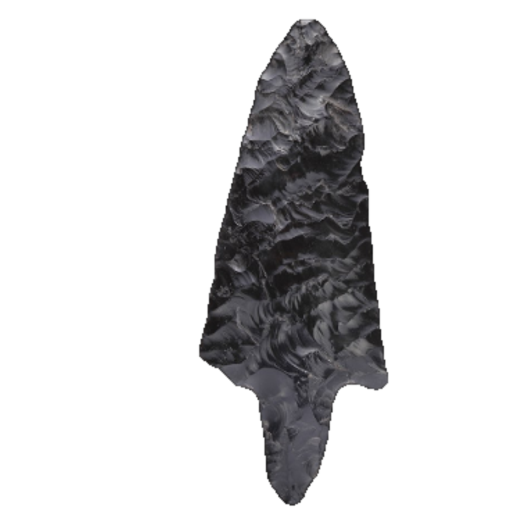 AxolotlDevelopmental1,700 - 800 B.P.
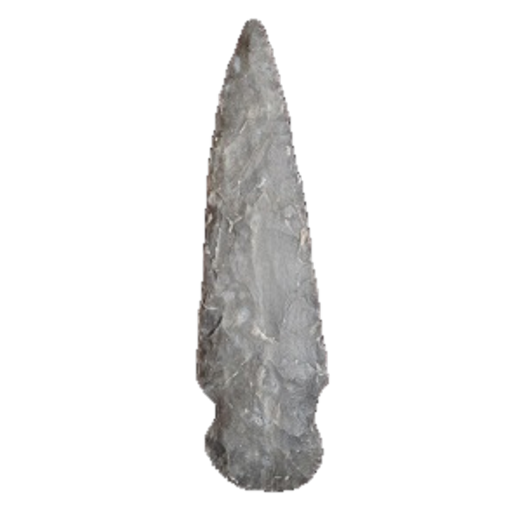 AxtelLate Archaic4,500 - 3,000 B.P.
B
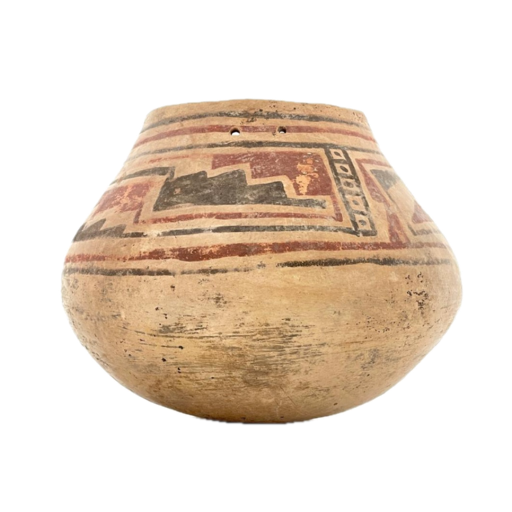 Babicora PolychromeMedio PeriodA.D. 1250–1400 (Wilson 2013); Medio period, A.D. 1200–1450 (Di Peso)
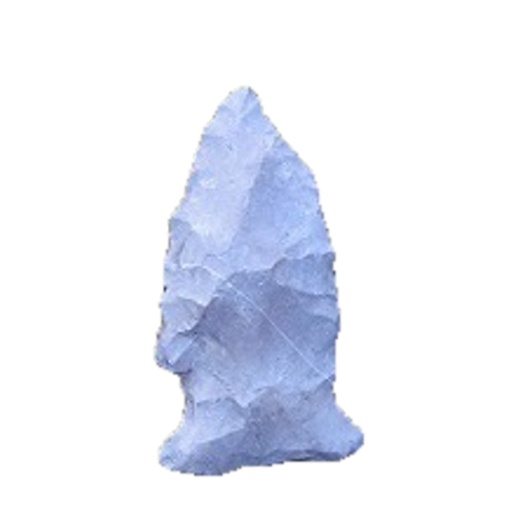 BackstrumEarly Archaic3,000 - 2,000 B.P.
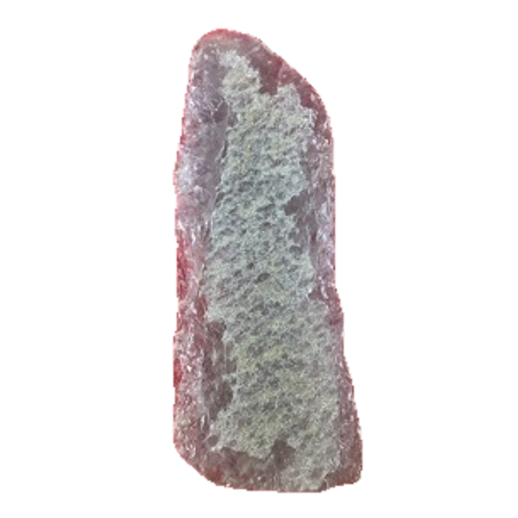 Badlands KnifeWoodland2,500 - 2,200 B.P.
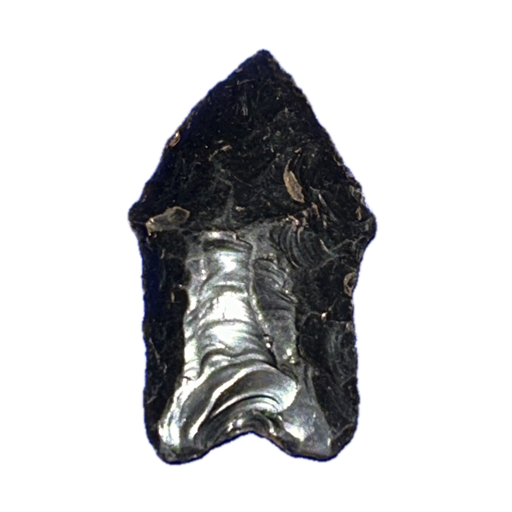 BajadaEarly Archaic to Middle Archaic6,750–5,150 B.P. (Bajada phase, 4800–3200 B.C.; Irwin-Williams 1973, in Anschuetz 2007); about 8,000(?)–5,000 B.P. (Southwest Virtual Museum)
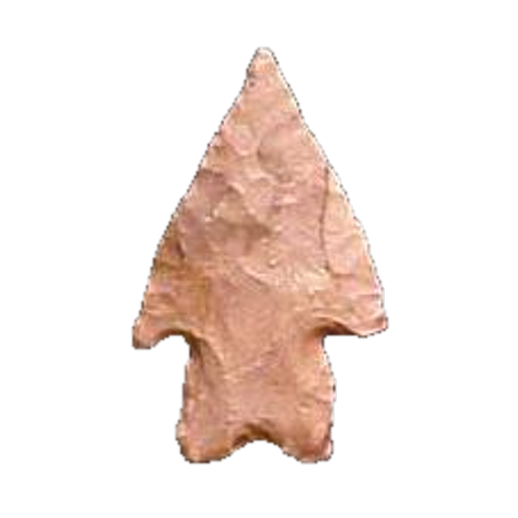 BakerEarly Archaic8,000 - 6,000 B.P.
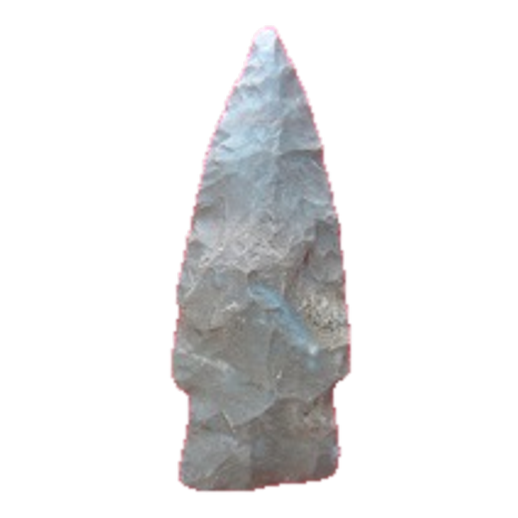 Bakers CreekWoodland2,500 - 1,200 B.P.
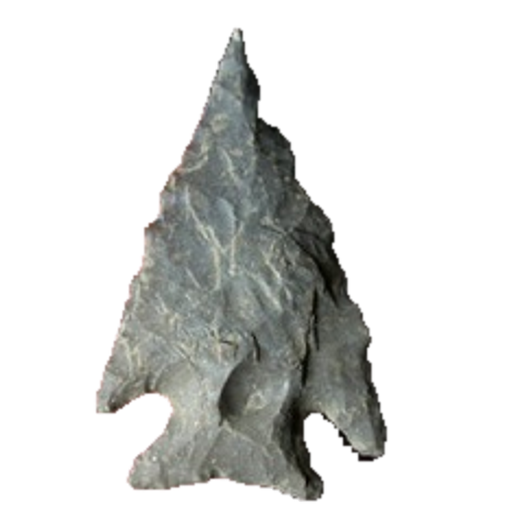 BandyMiddle Archaic to Late Archaic8,900 - 6,000 B.P.
- BannerstoneMiddle Archaic to Late ArchaicAbout 6000–1000 B.C., roughly 8,000–3,000 years ago (Blume 2025); polished atlatl weights first appear in the Middle Archaic, about 6000 B.C. in southern Indiana (USDA Forest Service); Green River shell middens with atlatl weights in Kentucky date about 4650–1450 cal B.C. (Jefferies 2008).
- Bar AmuletLate Archaic to Early WoodlandLate Archaic to Early Woodland; in Ontario part of the Middlesex complex, about 500 B.C.–0 (Ontario Archaeological Society); bar-type birdstones occur in Glacial Kame burials dated about 2,900 B.P. (Donaldson and Wortner 1995).
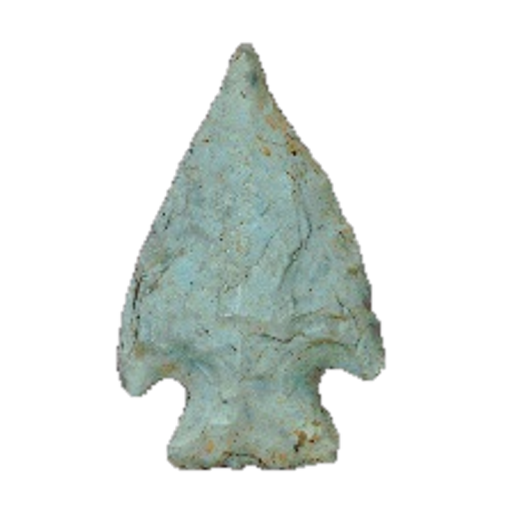 BarbeeEarly Archaic to Middle ArchaicEarly to Middle Archaic, judged from the high rate of basal grinding; about 10,000–5,000 B.P. (8000–3000 B.C.) for the group of Early and Middle Archaic points it belongs to (Winters 1967)
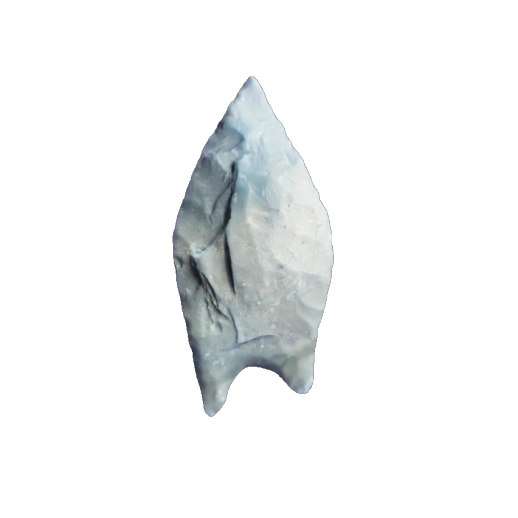 BarberMiddle Archaic10,000 - 9,000 B.P.
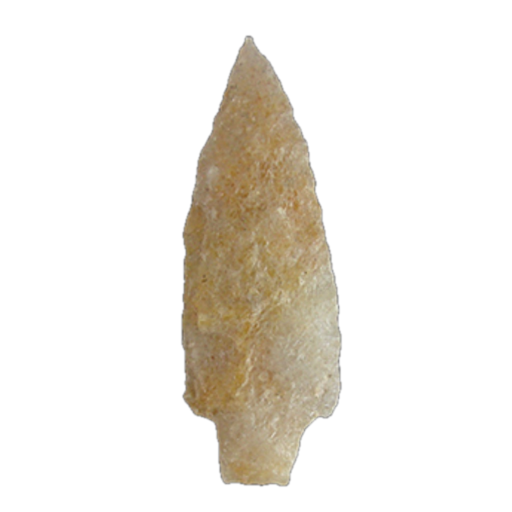 Bare IslandLate Archaic4,500–3,600 B.P.
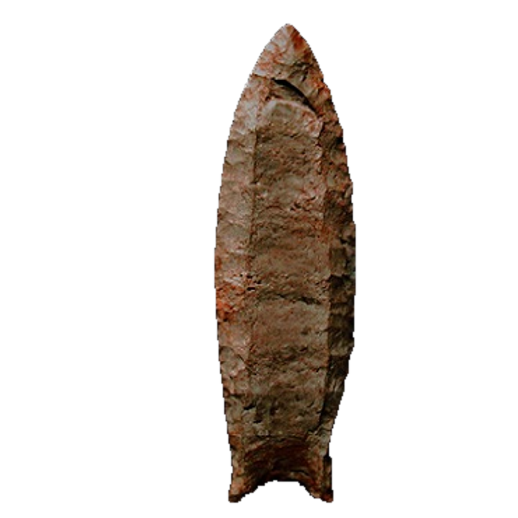 BarnesLate Paleo11,000 - 9,000 B.P.
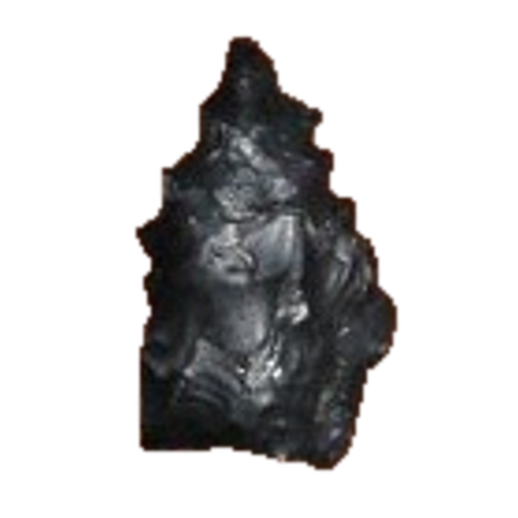 BarrealErly Archaic8,000 - 7,000 B.P.
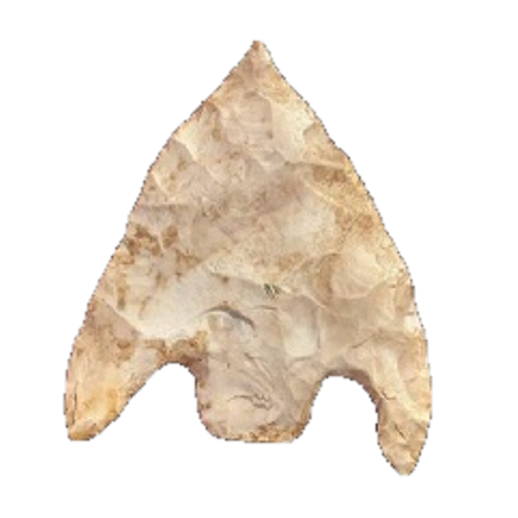 BarryLate Archaic to Transitional Archaic6,000 - 4,000 B.P.
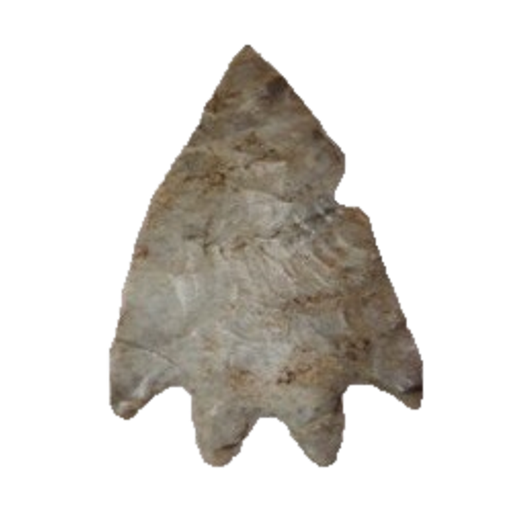 Basal Double TangTransitional Archaic3,500 - 2,000 B.P.
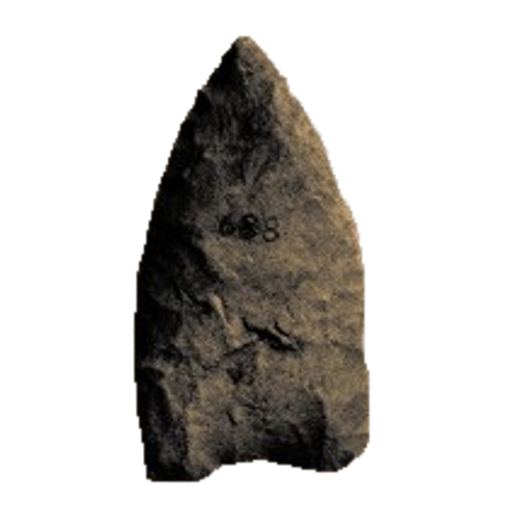 Basal Thinned TriangularLate Paleoindian to Early Archaic11,050–9,900 B.P.
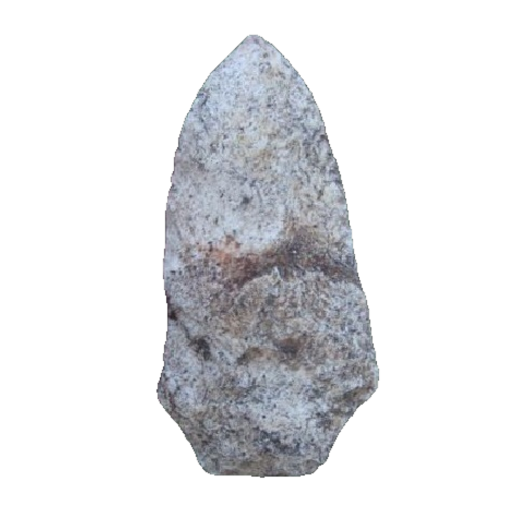 BascomLate Archaic4,100 - 3,900 B.P.
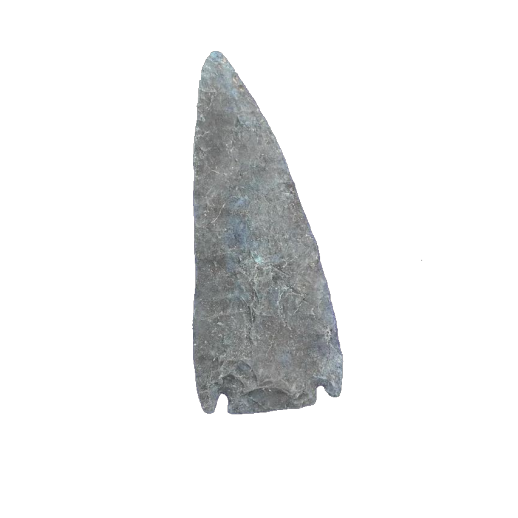 Base Tang KnifeLate Archaic to Transitional Archaic4,000–1,300 B.P. (corner-tang bifaces; Benedict 2018); 2,600–1,500 B.P. for the Ernest Witte burial example (650 B.C.–A.D. 450; Texas Beyond History)
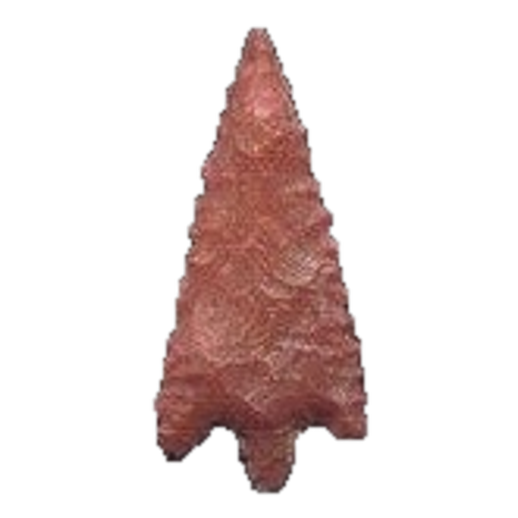 Bassett Pointed StemLate Prehistoric (Late Caddo)750–350 B.P. (A.D. 1200 to 1500 or 1600; Suhm, Krieger and Jelks 1954); about 550–270 B.P. for the Late Caddo phases in which it is common (Texas Beyond History)
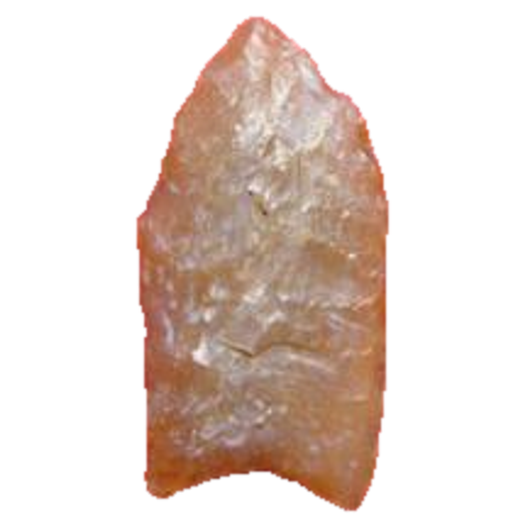 Bat CaveEarly Archaic9,000 - 8,000 B.P.
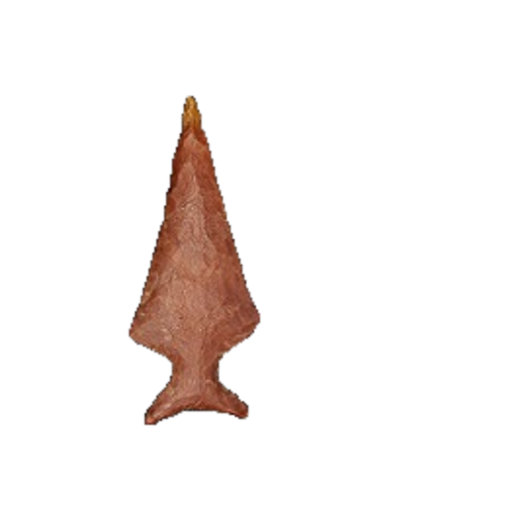 Bayou Goula FishtailMississippian800 - 400 B.P.
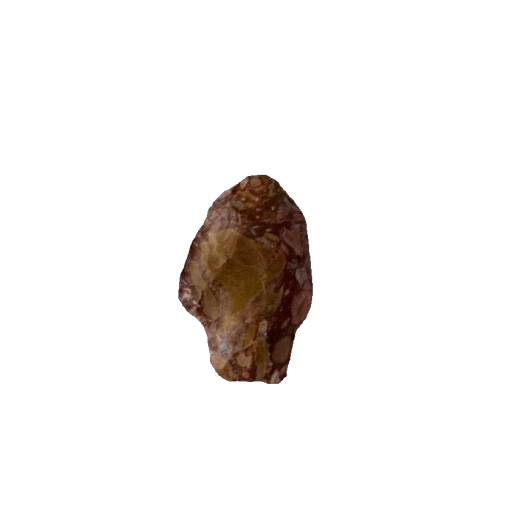 BeachumEarly Archaic to Middle Archaic8,00 - 7,500 B.P.
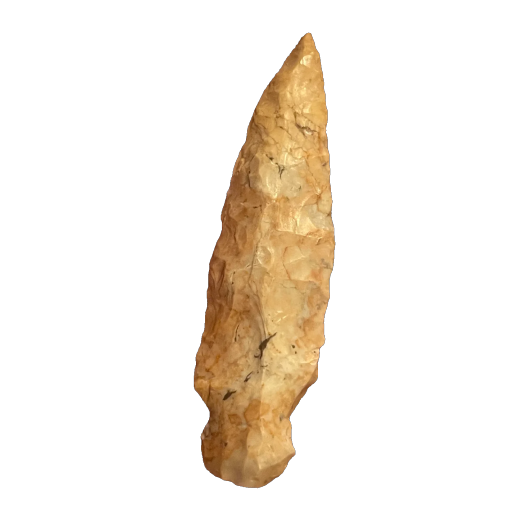 Beacon IslandLate Archaic to Early Woodland3,500 - 2,200 B.P.
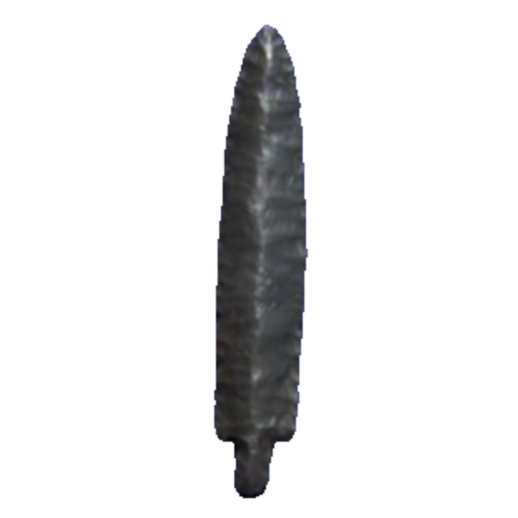 BearLate Archaic to Transitional Archaic3,000 - 200 B.P.
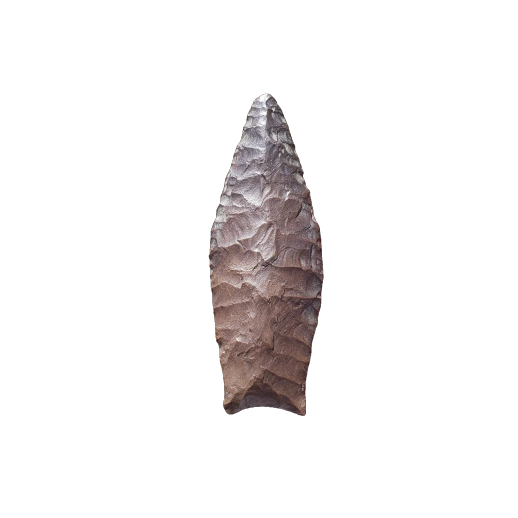 Beaver LakeTransitional Paleo-Indian10,000 B.P. or older (no firm lower limit)
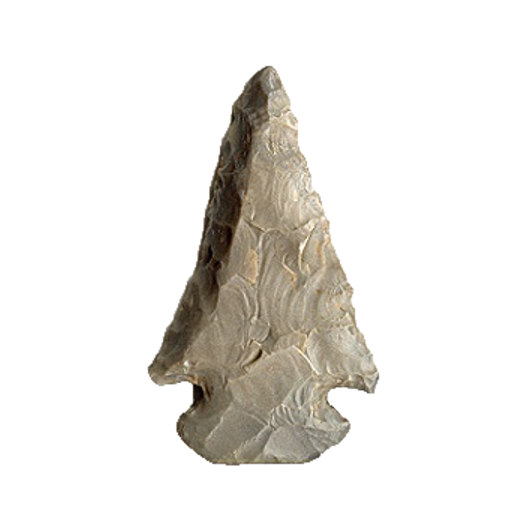 BeckerEarly Archaic9,000 - 8,500 B.P.
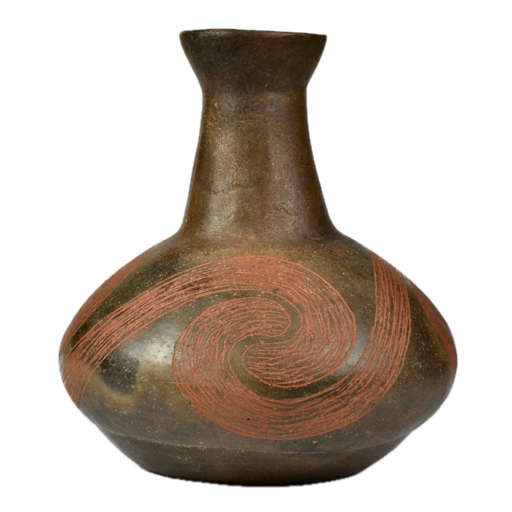 Belcher EngravedLate CaddoA.D. 1200–1500 (Suhm and Jelks 1962); the Belcher phase dates about A.D. 1500 to the late 1600s (Texas Beyond History)
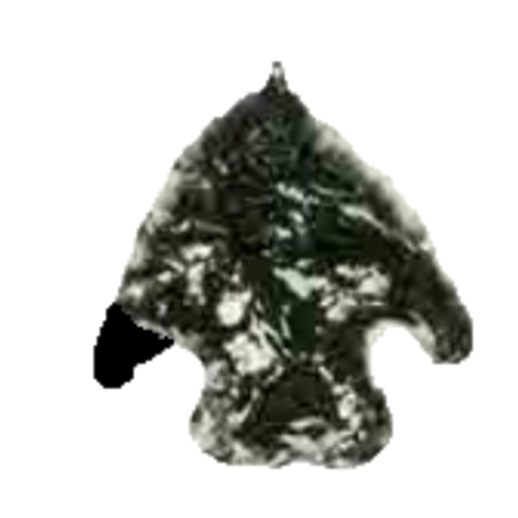 BelemPreclassic to early Classic2,500 - 1,500 B.P.
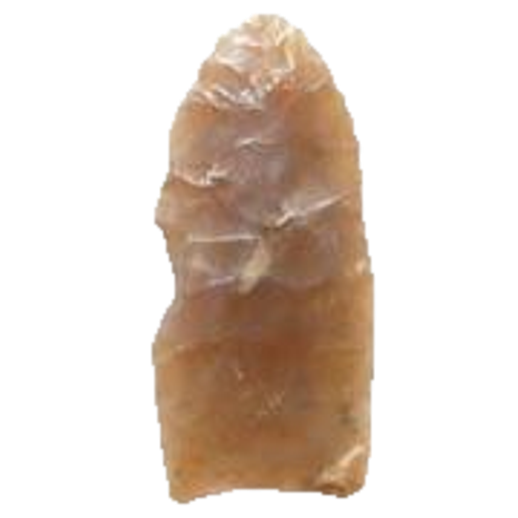 BelenLate Archaic10,500 - 9,000 B.P.
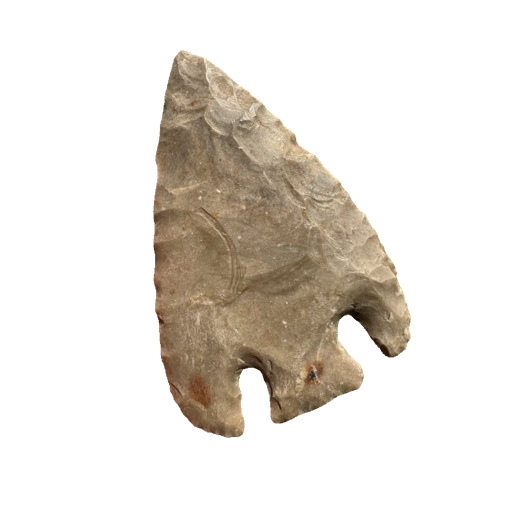 BellEarly to Middle Archaic (Calf Creek horizon)About 6,000 - 5,000 B.P. (6,000-5,750 years ago in the intact Calf Creek levels at Spring Lake, Texas; Calf Creek points elsewhere run about 5,400-4,600 radiocarbon years B.P.)
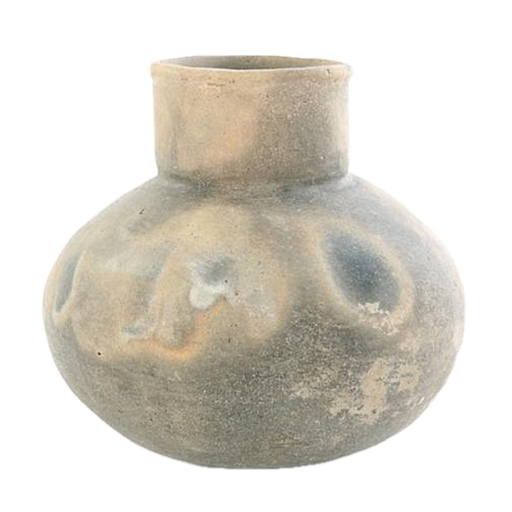 Bell PlainMississippianLate Baytown into late Mississippi period (Phillips, Ford and Griffin 1951); a Walls phase bowl at Chucalissa is dated A.D. 1200–1540 (C. H. Nash Museum)
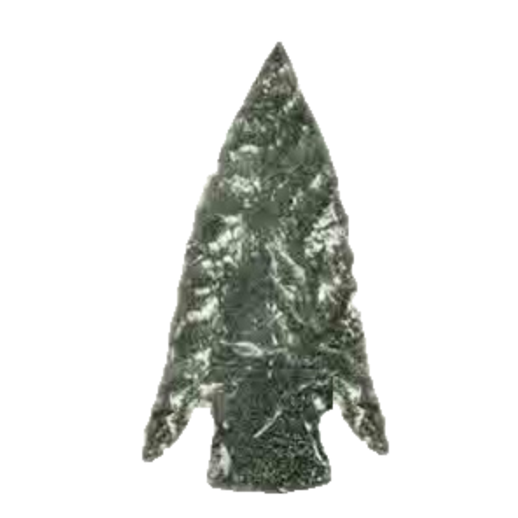 Bella VistaPrimer Period2,000 - 1650 d.n.e.
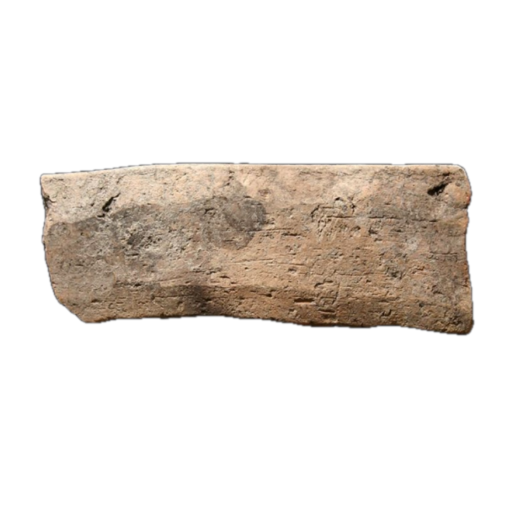 Belle Glade PlainBelle Glade II–IV periodsA.D. 600–1700 (Florida Museum); first appears in Belle Glade II (A.D. 200–1000) and dominates Belle Glade III–IV, A.D. 1000–1763 (Lawres 2019, after Sears 1994)
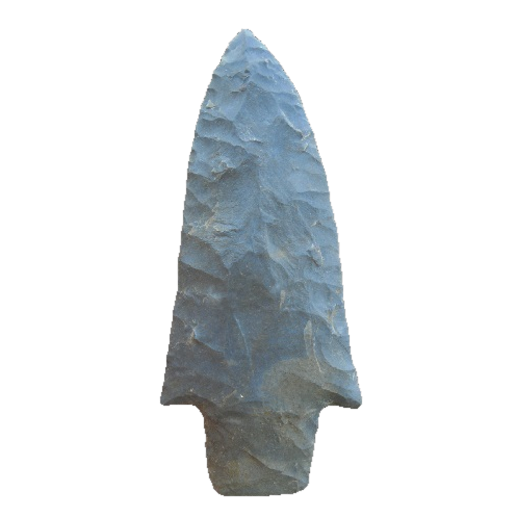 BelnapLate Archaic to Early Woodland3,000 - 2,000 B.P.
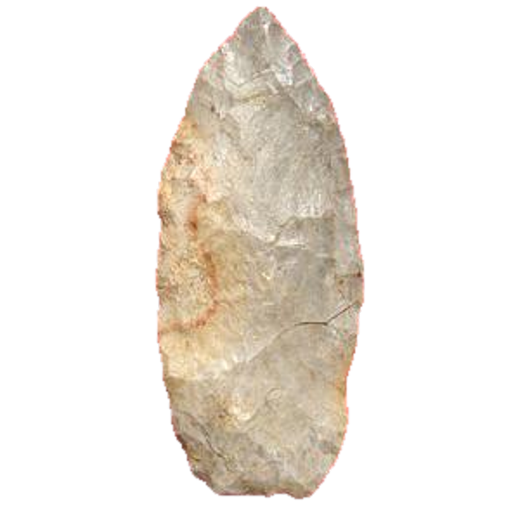 BenjaminWoodland3,000 - 1,600 B.P.
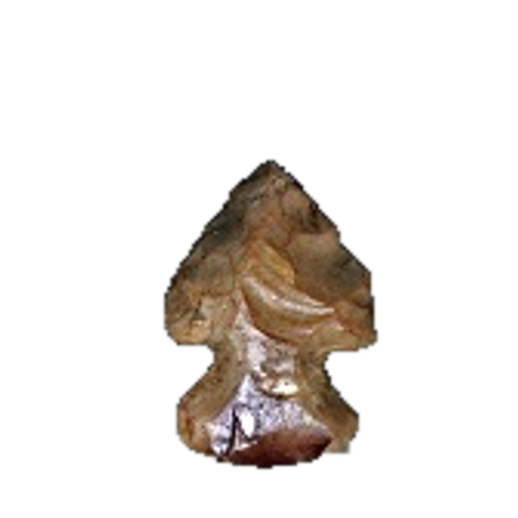 BenningtonWoodland1,500 - 1,000 B.P.
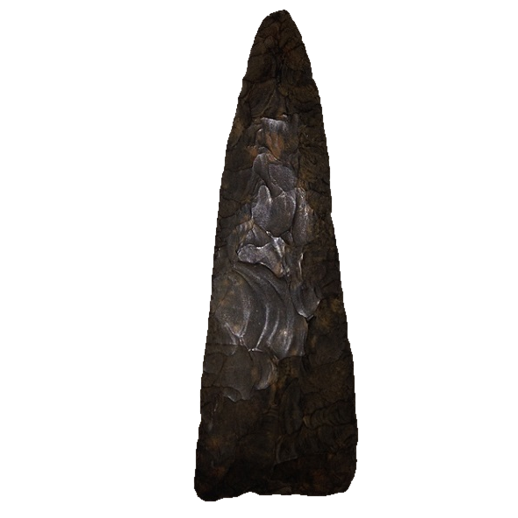 Benton BladeMiddle Archaic6,000 - 4,000 B.P.
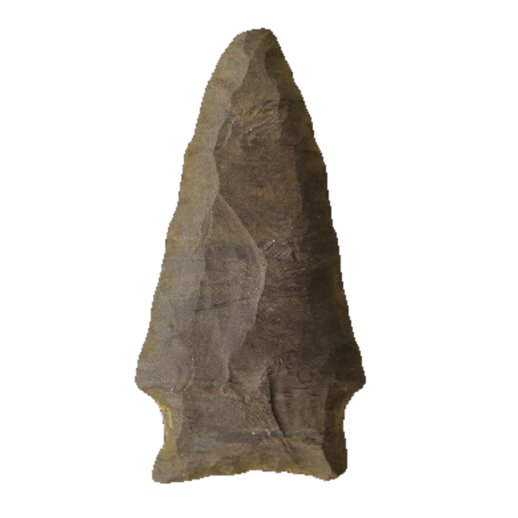 Benton Broad StemMiddle Archaic6,000–4,000 B.P.
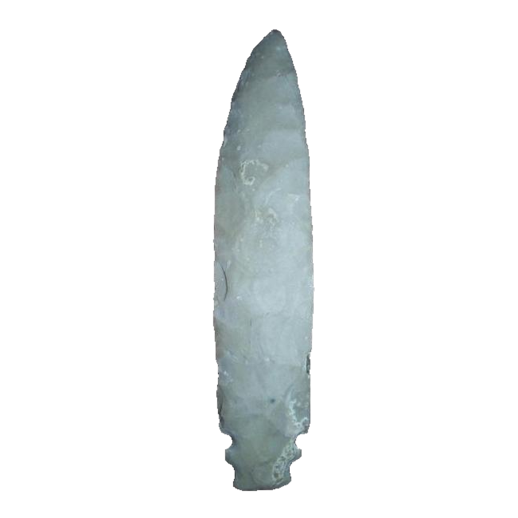 Benton Double NotchMiddle Archaic6,000 - 4,000 B.P.
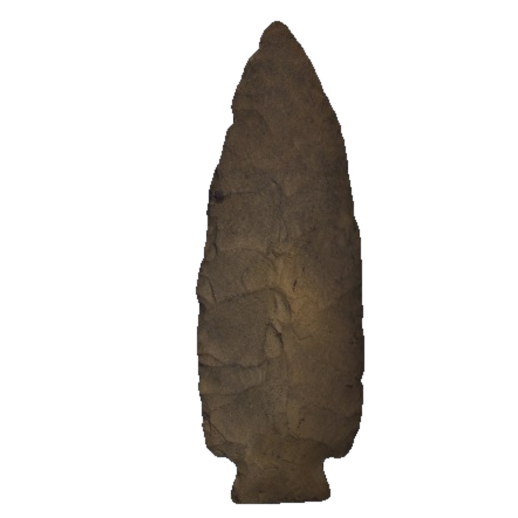 Benton StemmedMiddle Archaic6,000 - 4,000 B.P.
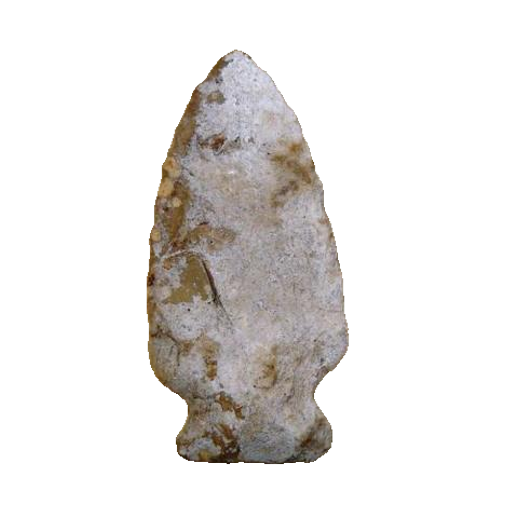 BesantLate Middle Prehistoric (Northern Plains)About 2,000 - 1,500 B.P. (traditional Besant phase dates)
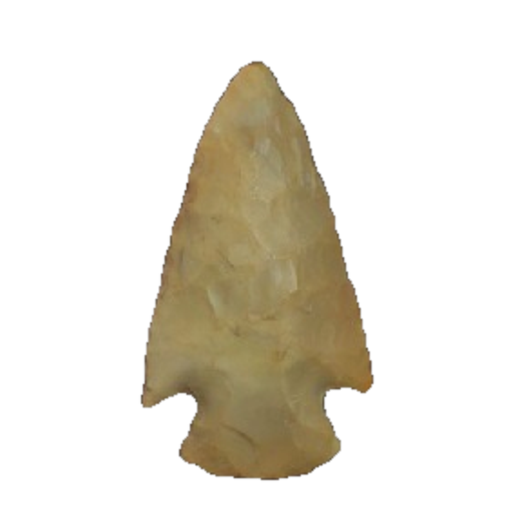 Big CreekLate ArchaicMedian about 2,700 B.P. (750 B.C.); start and end not established (Perino 1971)
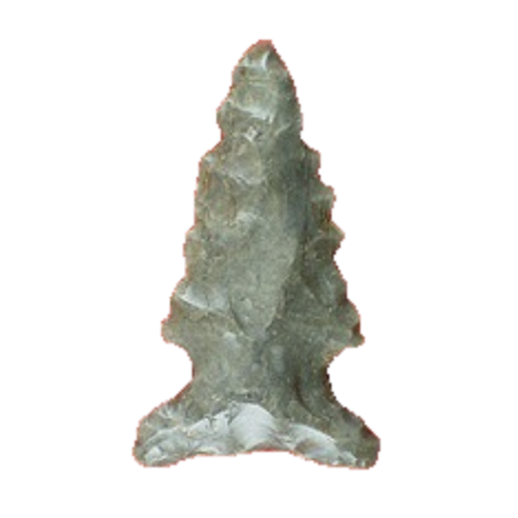 Big Sandy Broad BaseEarly Archaic10,000 - 8,000,B.P.
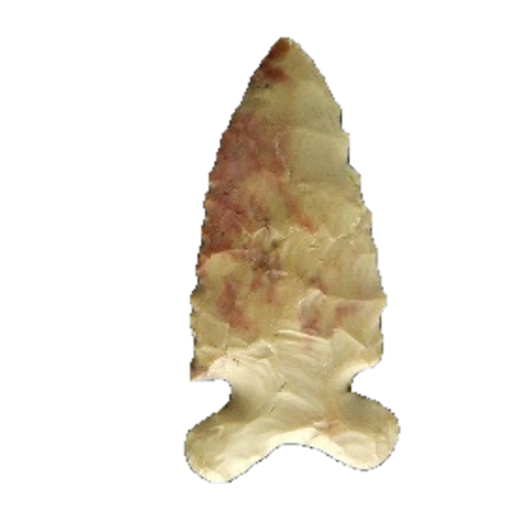 Big Sandy Contracting BaseEarly Archaic (Cambron and Hulse also allow a Transitional Paleo placement)10,000 - 8,000 B.P.
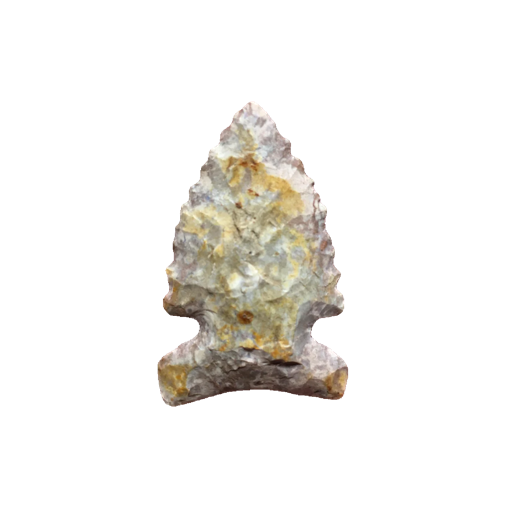 Big Sandy Side NotchEarly ArchaicAbout 10,000 B.P. at Stanfield-Worley Bluff Shelter, Alabama (Cambron and Hulse 1975); 10,000–9,000 cal B.C. for the Early Side-Notched component at Dust Cave, Alabama (Homsey and Capo 2006); unground later variant about 3500–1000 B.C. (Kneberg, via Cambron and Hulse)
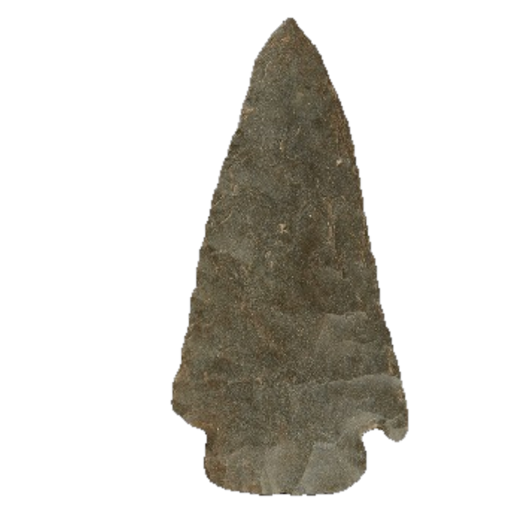 Big SloughEarly to Middle ArchaicAbout 7,000 - 4,000 B.P. (5000 - 2000 B.C.)
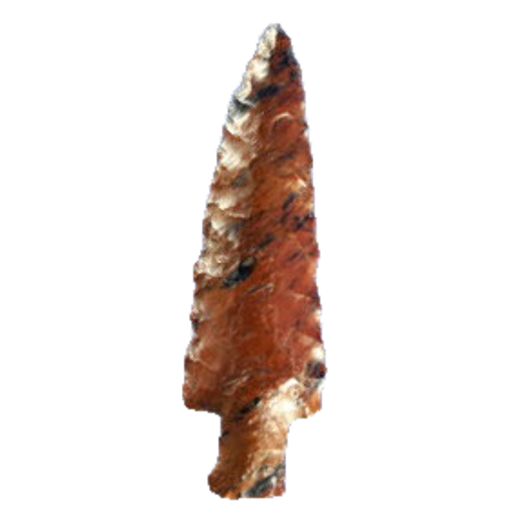 Big ValleyMiddle Archaic to Late Archaic6,000–3,500 B.P.
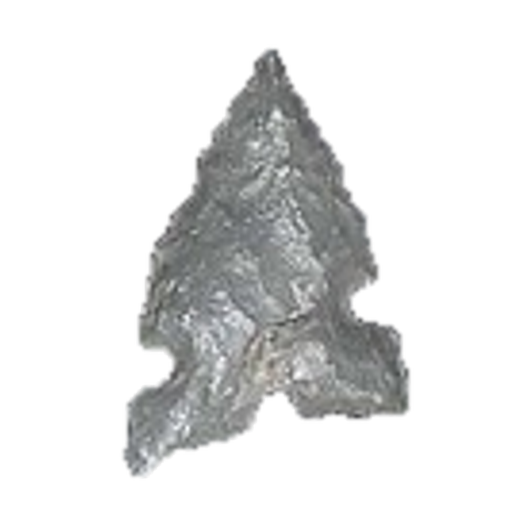 Billings Double SpurHistoric300 - 200 B.P.
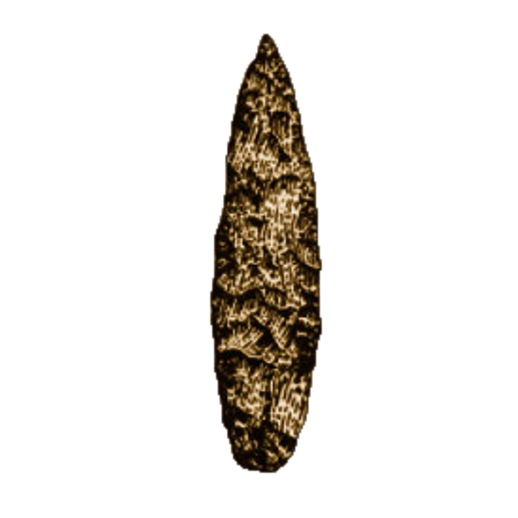 Birch CreekTransitional Paleo to Early Archaic9,000 - 7,000 B.P.
- BirdstoneLate Archaic to Early WoodlandAbout 1500–500 B.C. (Wheeler 2018). In Ontario from Glacial Kame burials (Hind site, about 2,900 B.P.) through Meadowood (about 2,800–2,400 B.P.) and Middlesex (Donaldson and Wortner 1995; Williamson et al. 2008; Ontario Archaeological Society).
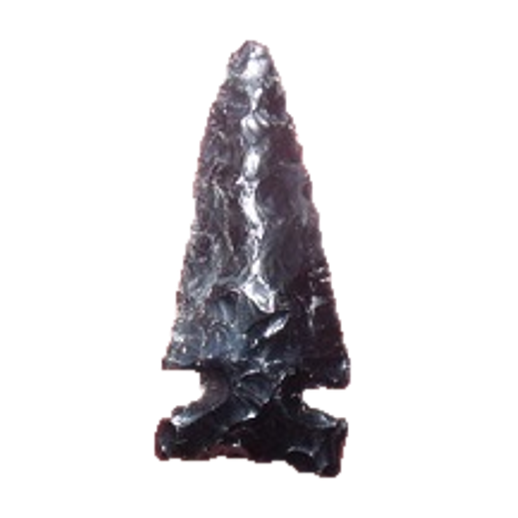 BitterrootArchaic8,500–3,000 B.P. (Bitterroot phase, Swanson and Sneed 1966; Swanson, Butler and Bonnichsen 1964)
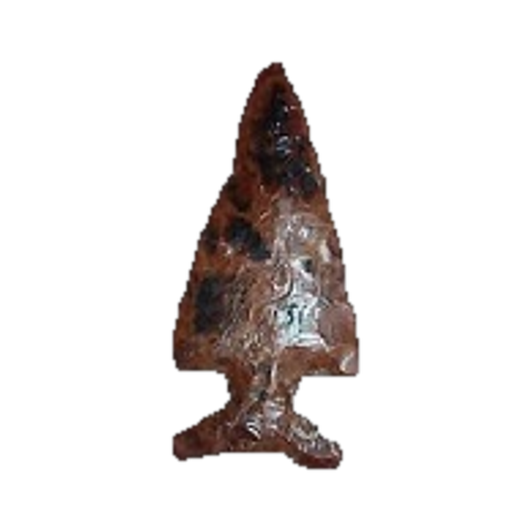 Black Mesa Narrow NeckTransitional Archaic to Developmental1,900 - 1,200 B.P.
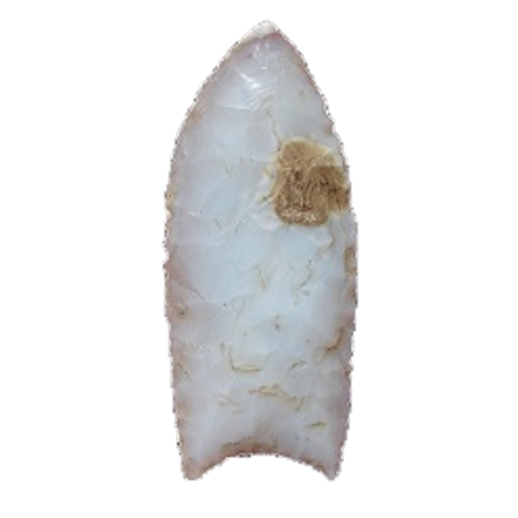 Black Rock ConcaveTransitional Paleo11,000 - 9,000 B.P.
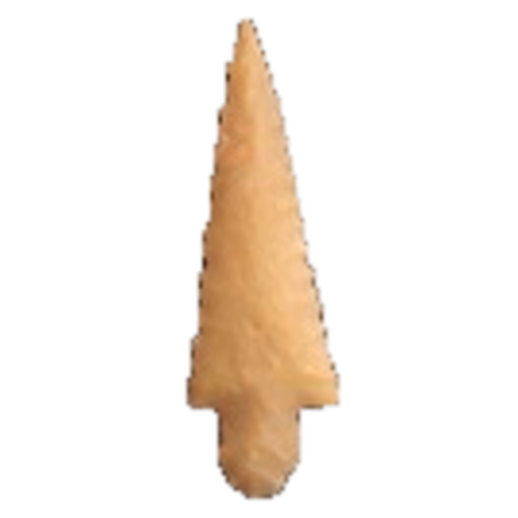 BlevinsMiddle Archaic to Late Archaic1,200 - 600 B.P.
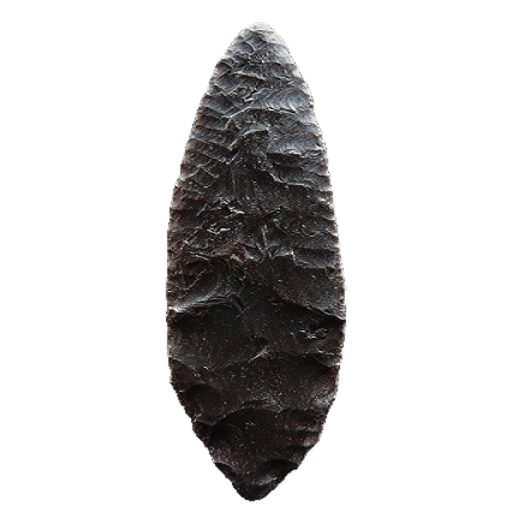 Boats BladeLate Archaic4,000 - 3,500 B.P.
- BoatstoneLate Archaic to Middle WoodlandAbout 2000 B.C.–A.D. 200: boat-shaped weights occur at Poverty Point, 2000–700 B.C. (Gibson 1985); Adena barite boatstones, 500 B.C.–A.D. 200 (Henderson and Schlarb 2007); barite boatstones are distinctive of Hopewell (Applegate 2008). In Oklahoma mainly Late Archaic and Fourche Maline (Bell 1980).
 Boggy Branch Type IEarly Archaic8,000 - 6,000 B.P.
 Boggy Branch Type IIEarly Archaic8,000 - 6,000 B.P.
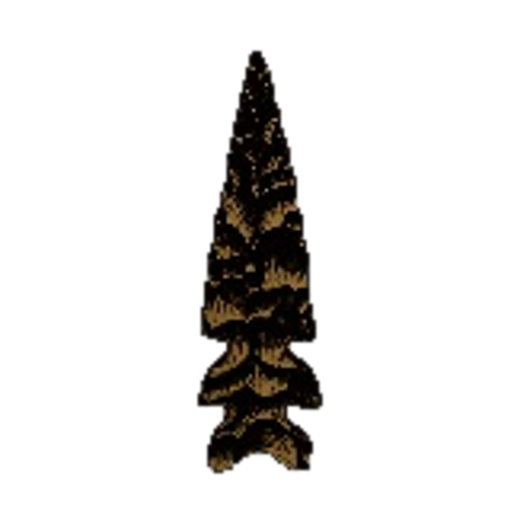 BokosheMississippian800 - 600 B.P.
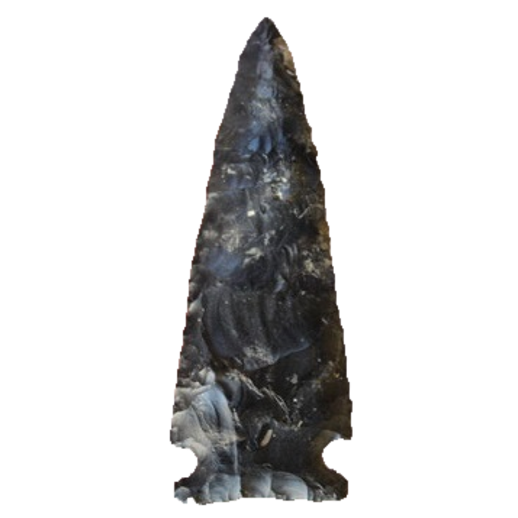 BolenEarly Archaic (called Late Paleoindian or Early Dalton by Bullen)11,400 - 10,500 cal. B.P. (about 10,000 radiocarbon years B.P. at its earliest sites)
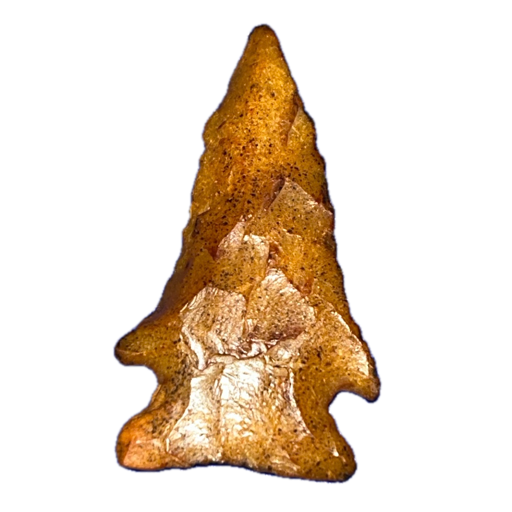 Bolen BevelEarly ArchaicAbout 11,400–11,100 cal B.P. (Page-Ladson and 8WL68, Florida; Pevny et al. 2018)
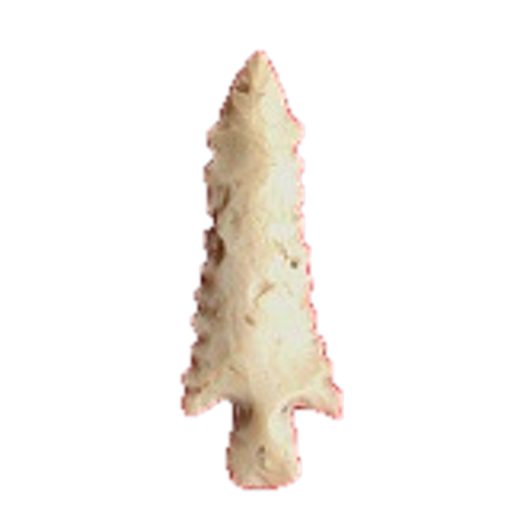 BonhamLate Prehistoric (Early to Middle Caddo)1,150–750 B.P. (A.D. 800–1200; Suhm, Krieger and Jelks 1954); main occupation of the Sanders site about 850–650 B.P. (A.D. 1100–1300; Perttula et al. 2015)
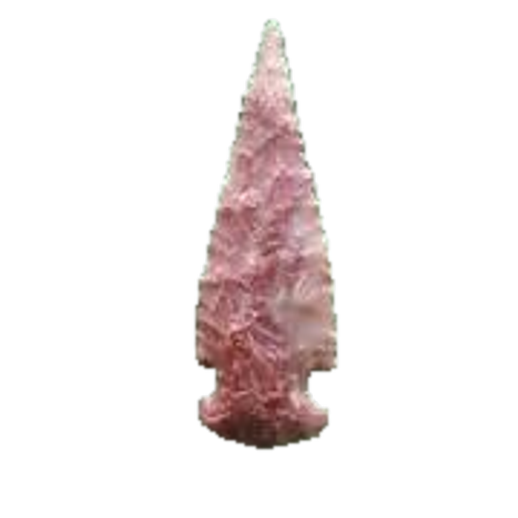 BonitoDevelopmental1.000 - 800 B.P.
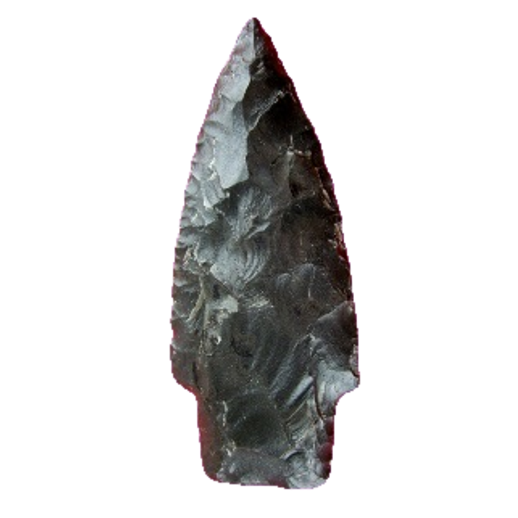 Borax LakeEarly Archaic to Middle Archaic8,000–5,000 B.P. (Fredrickson's Borax Lake Pattern); 8,000–6,000 B.P. (Meighan and Haynes 1970)
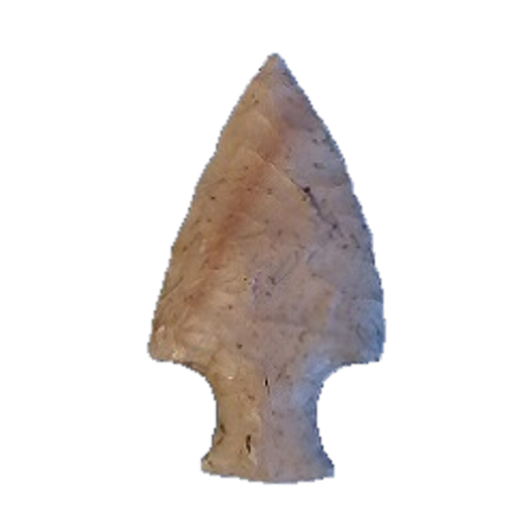 BottleneckLate Archaic4,000 - 3,000 B.P.
- BrackenLate Plains Archaic (Late Middle Prehistoric period)2,800–2,100 B.P. (Peck 2011); about 2,465 B.P. at the Bracken Cairn
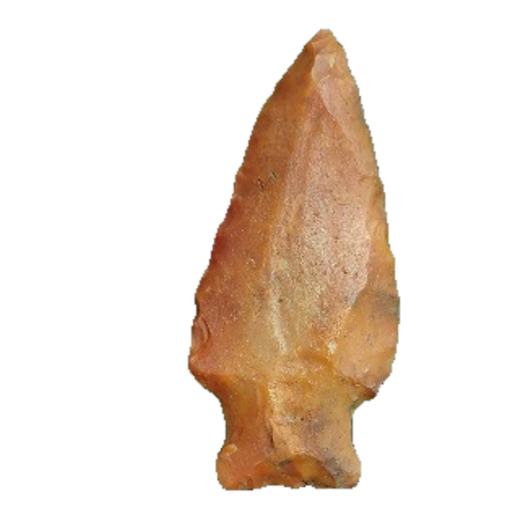 BradfordMiddle Archaic1,900 - 1,200 B.P.
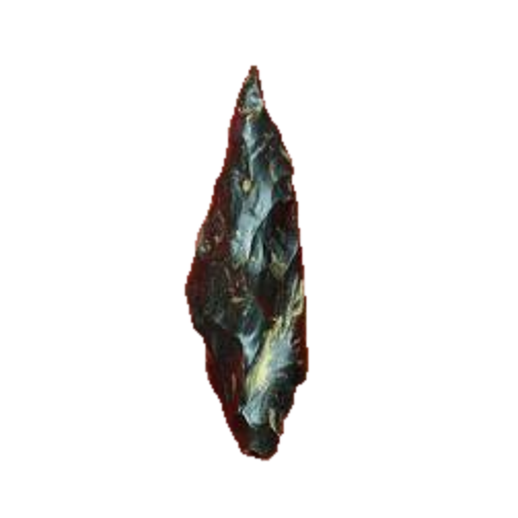 Bradley SpikeLate Archaic to Early Woodland4,000 - 1,800 B.P.
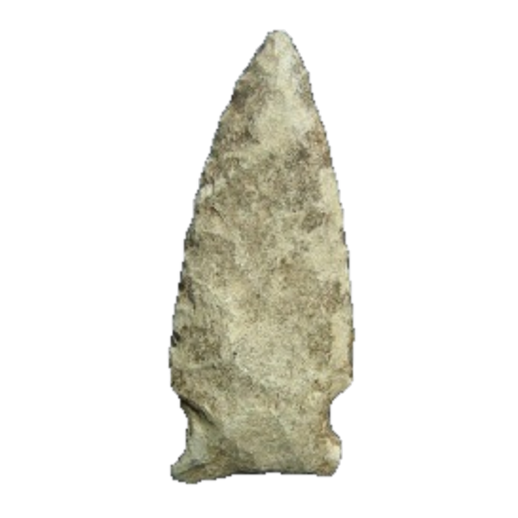 BrannonTransitional Paleo to Early Archaic6,500 - 6,000 B.P.
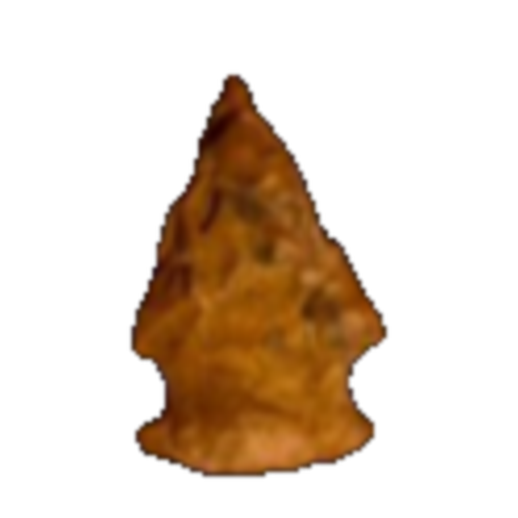 BrattonWoodland3,000 - 1,300 B.P.
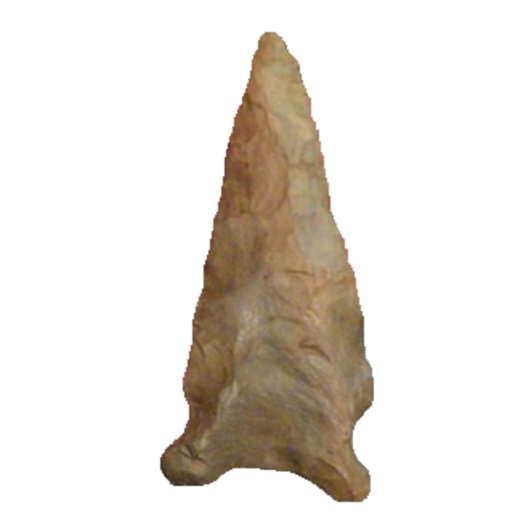 BreckenridgeTransition Paleo10,500 - 8,500 B.P.
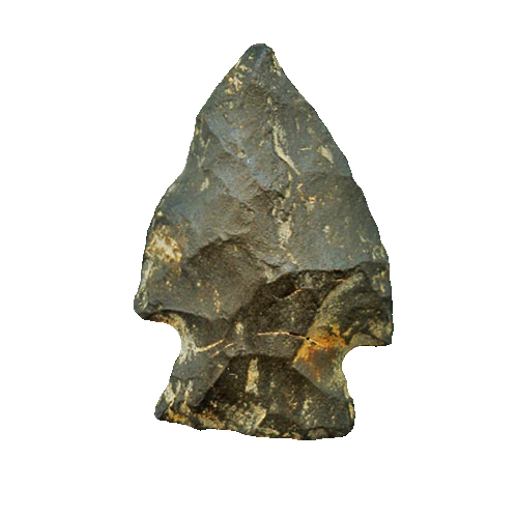 BrewertonLate ArchaicAbout 6,250–3,550 cal B.P. (4300–1600 B.C., Custer 1996, cited by Maryland JPPM); 4,850–3,650 B.P. (2900–1700 B.C.) in Ohio (Ohio History Connection); most common 5,450–4,450 B.P. (3500–2500 B.C.) in Ontario
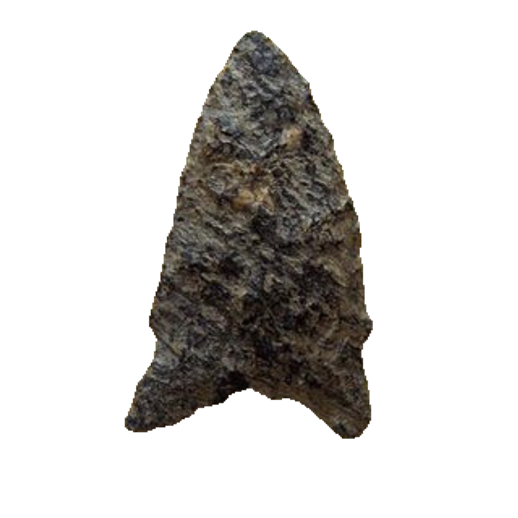 Brewerton EaredLate Middle Archaic to Late ArchaicAbout 5,000 - 3,700 B.P.
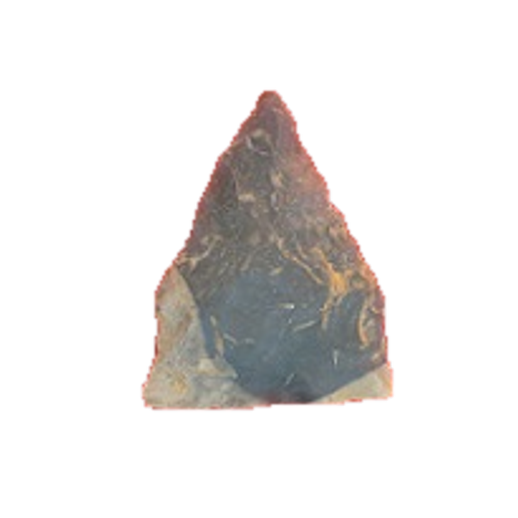 Brewerton Eared TriangleMiddle Archaic5,000 - 4,000 B.P.
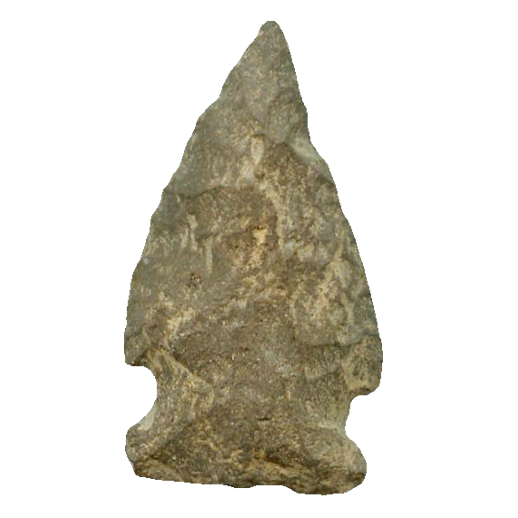 Brewerton Side NotchMiddle Archaic to Late Archaic5,630–4,150 B.P. (radiocarbon dates from New York, Pennsylvania and West Virginia); 4,930–3,670 B.P. (Justice 1987, as cited by JPPM)
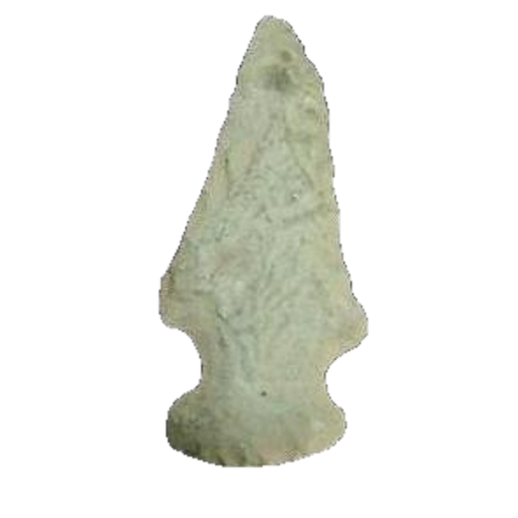 BrodheadEarly Archaic9,000 - 7,000 B.P.
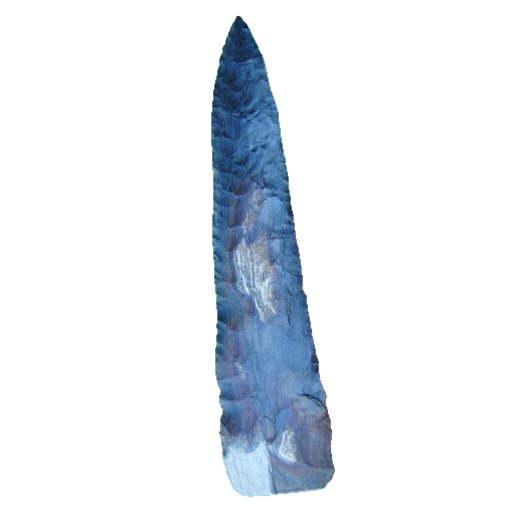 Bronson Bi-FaceMiddle Archaic1,800 - 700 B.P.
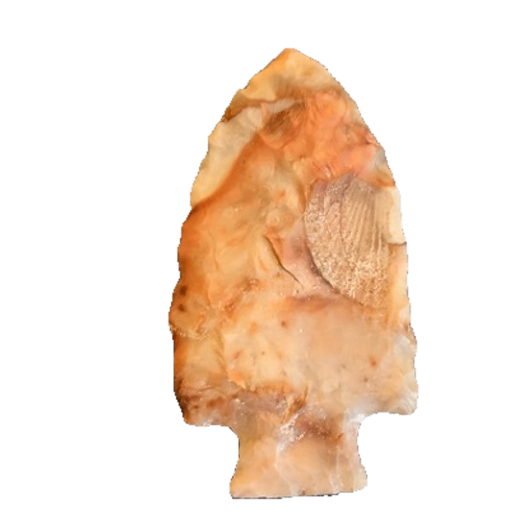 BrowardWoodland to Mississippian2,100 - 800 B.P.
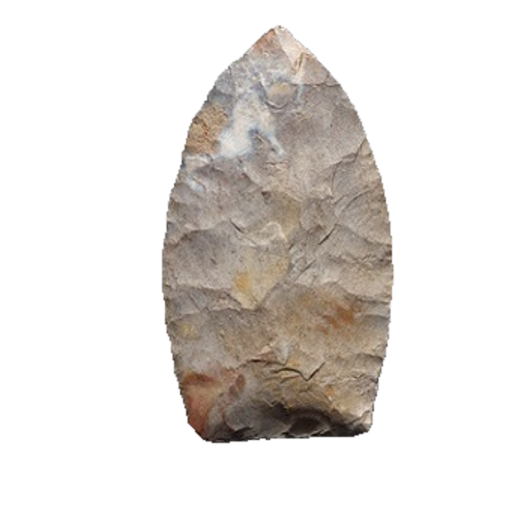 Browns ValleyTransitional Paleo10,000 - 9,000 B.P.
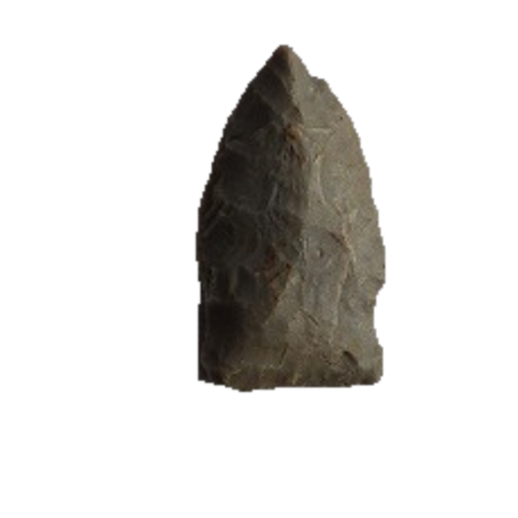 BrunswickMiddle Archaic5,000 - 4,500 B.P.
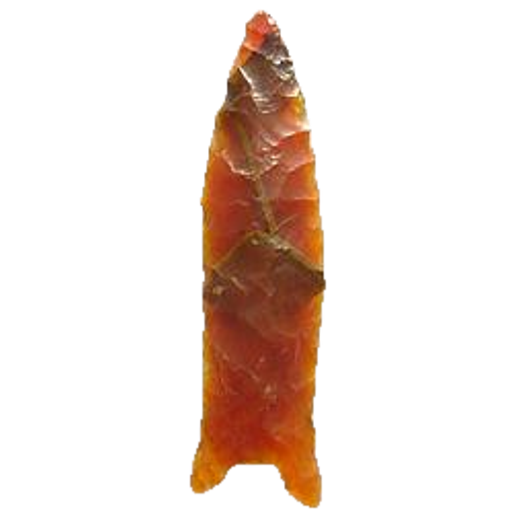 Buchanan EaredLate Archaic to Transitional Archaic4,000 - 1,500 B.P.
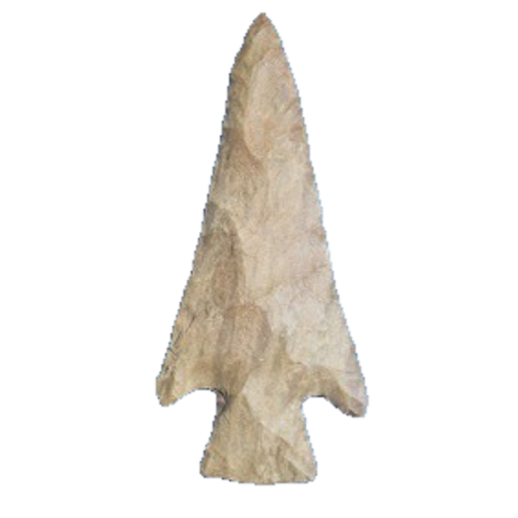 Buck Creek BarbedTerminal Archaic to Early WoodlandAbout 3,450–2,550 B.P. (1500–600 B.C.; Indiana DNR and Ohio History Connection)
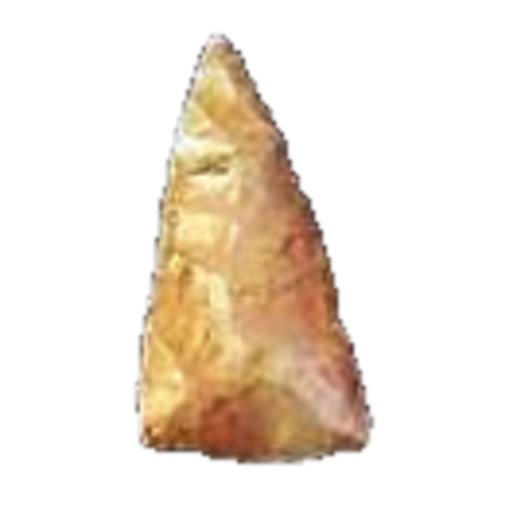 Buck Garden TriangleWoodland1,600 - 1,300 B.P.
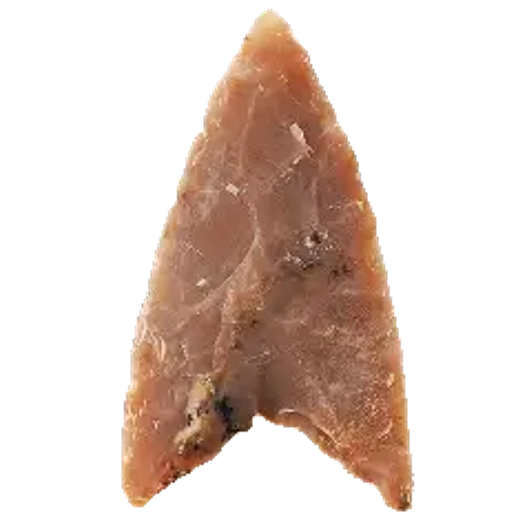 Buck Gully TriangleLate Prehistoric to Developmental1,400 - 650 B.P.
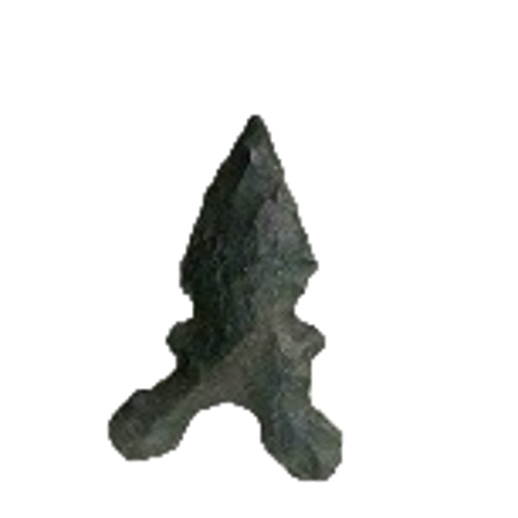 Buck TaylorHistoric600 - 200 B.P.
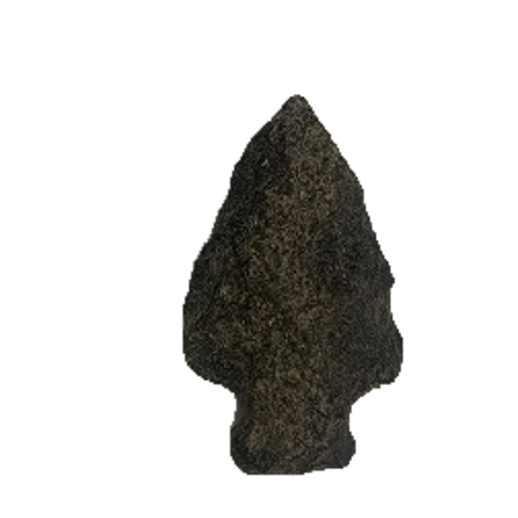 BuffaloLate Archaic4,000 - 3,000 B.P.
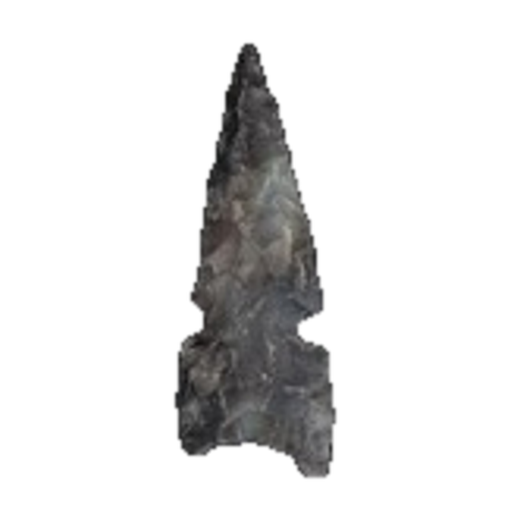 Buffalo Gap Single SpurDevelopmental to Late Prehistoric550 - 350 B.P.
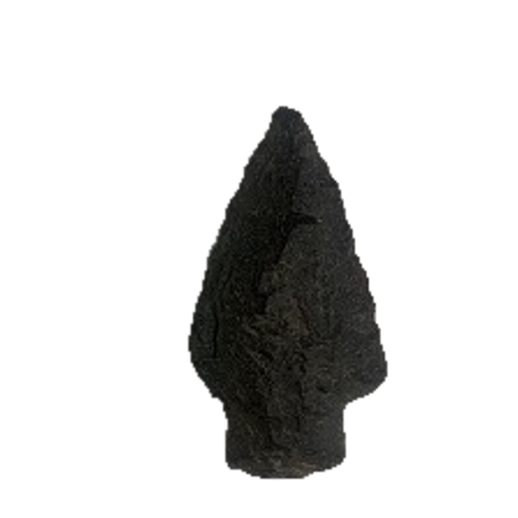 Buffalo StemmedMiddle Archaic4,000 - 3,000 B.P.
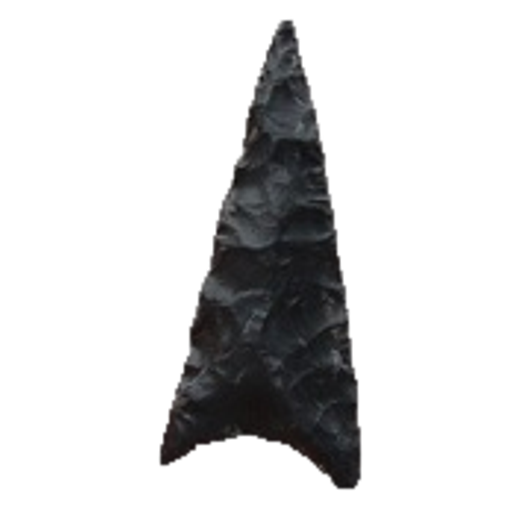 Bull CreekDevelopmental900 - 750 B.P.
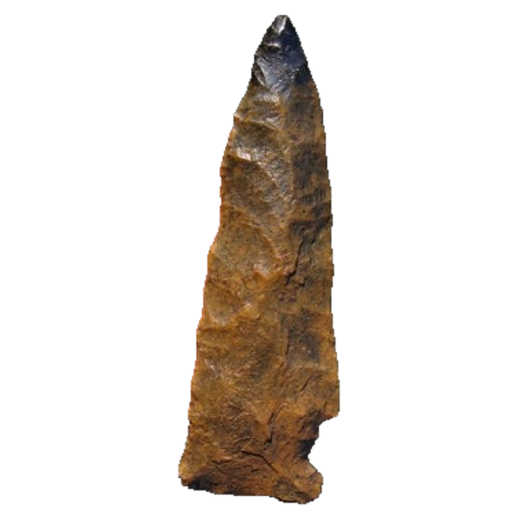 Bullen KnifeWoodland1,700 - 1,400 B.P.
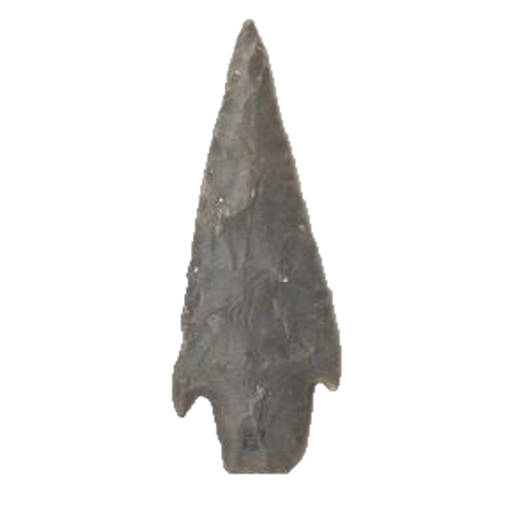 BulverdeLate ArchaicAbout 4,250 B.P. onward (from about 2300 B.C.; Johnson and Goode 1994); 4,950–950 B.P. (3000 B.C. to A.D. 1000; Suhm, Krieger and Jelks 1954, now out of date)
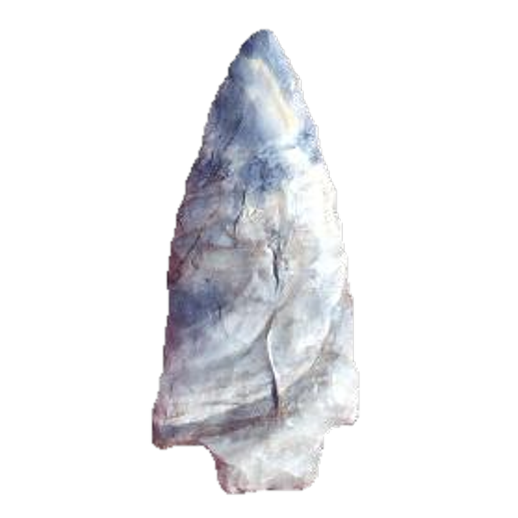 BurkettLate Archaic2,300 - 2,000 B.P.
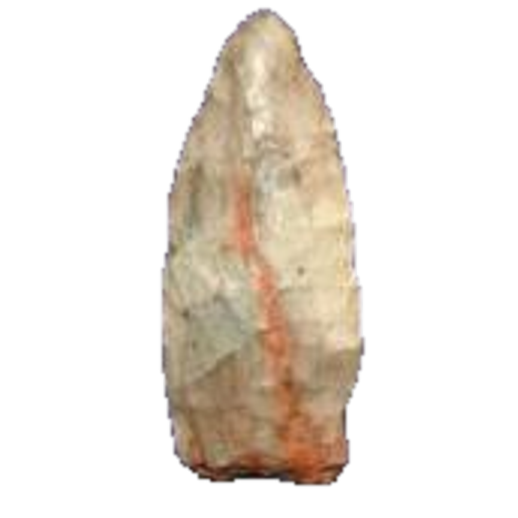 BurroughsEarly Archaic8,000 - 6,000 B.P.
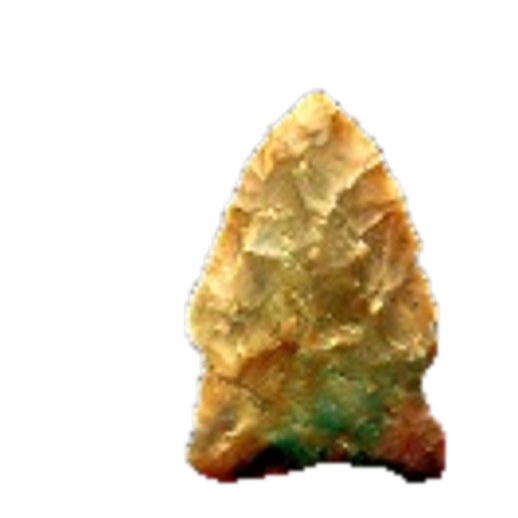 BurwellLate Archaic5,000 - 4,000 B.P.
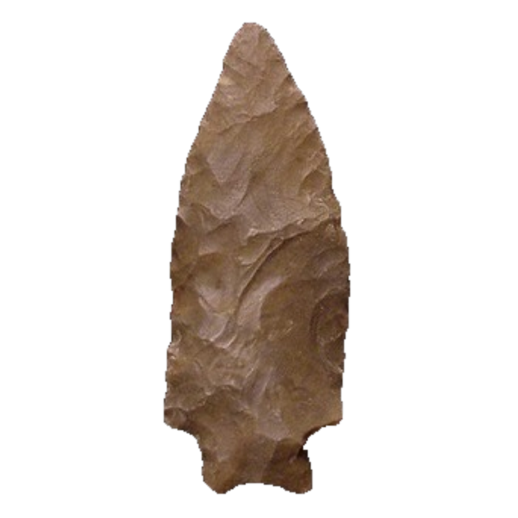 Buzzard Roost CreekEarly Archaic to Middle Archaic6,000 - 4,000 B.P.
C
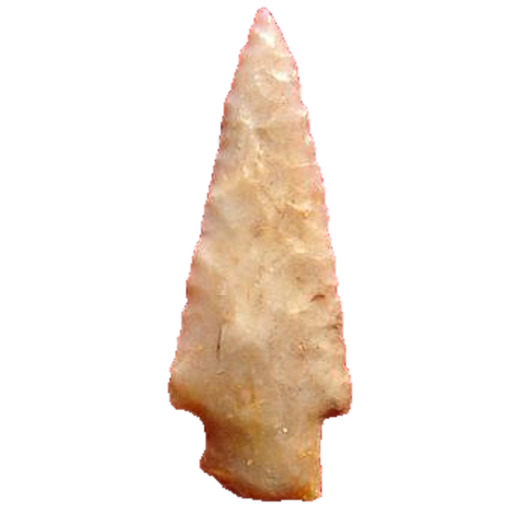 Cache CreekMiddle Archaic to Late Archaic6,000 - 3,500 B.P.
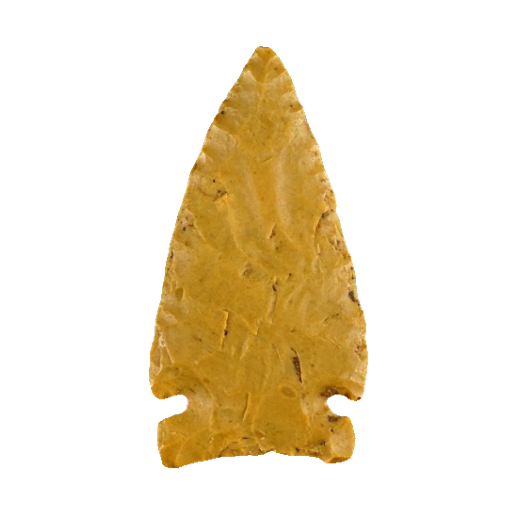 Cache RiverEarly ArchaicAbout 8,000 B.P. or slightly earlier (Perino 1971, probably contemporary with or just before San Patrice)
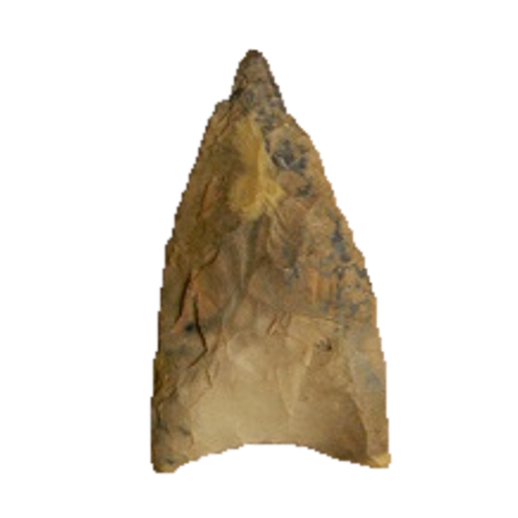 Cactus HillPaleo20,000 - 18,000 B.P.
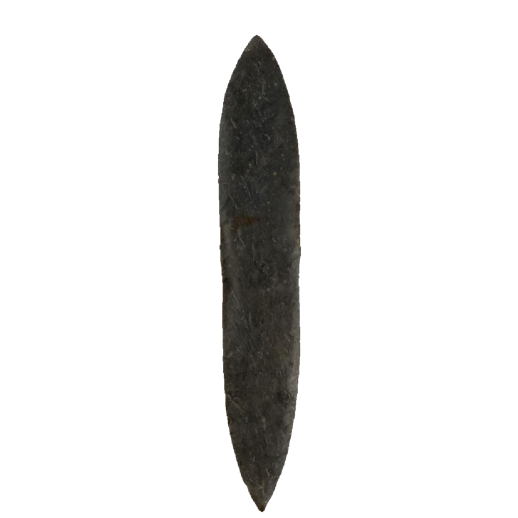 Caddo BladeMississippian800 - 600 B.P.
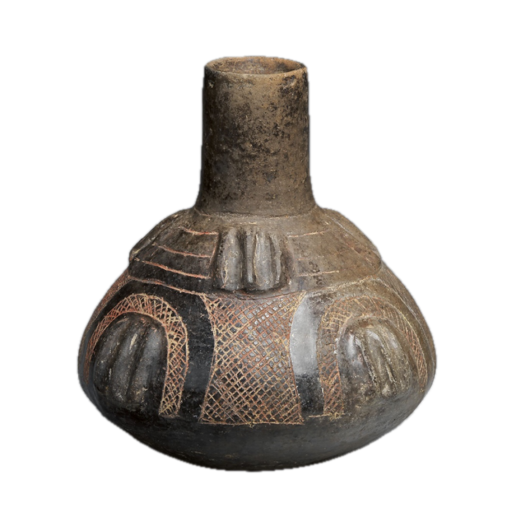 Caddo EngravedEarly Caddo to Historic CaddoA.D. 800 to the late 1800s (Caddo pottery tradition)
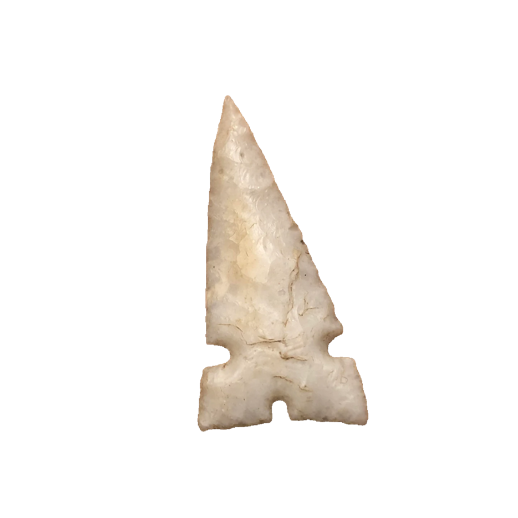 CahokiaMississippian1,000 - 850 B.P. (about A.D. 950-1150)
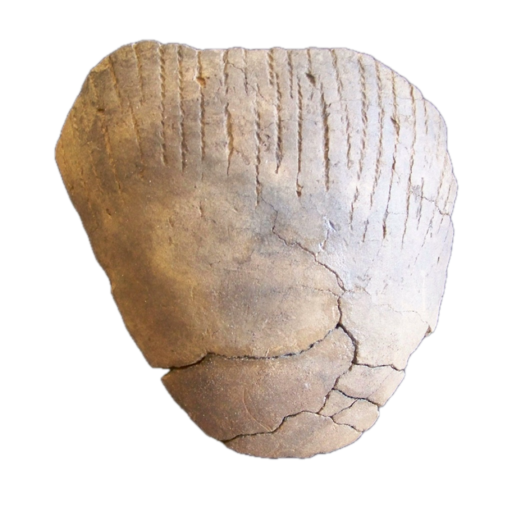 Cahokia CordmarkedMississippian PotteryA.D. 1150–1400
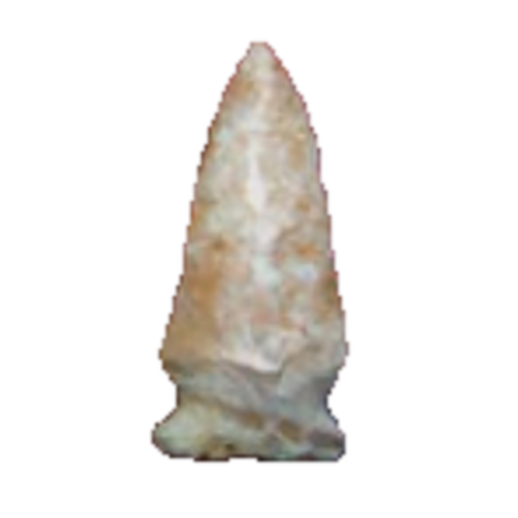 CairoLate Archaic4,000 - 3,000 B.P.
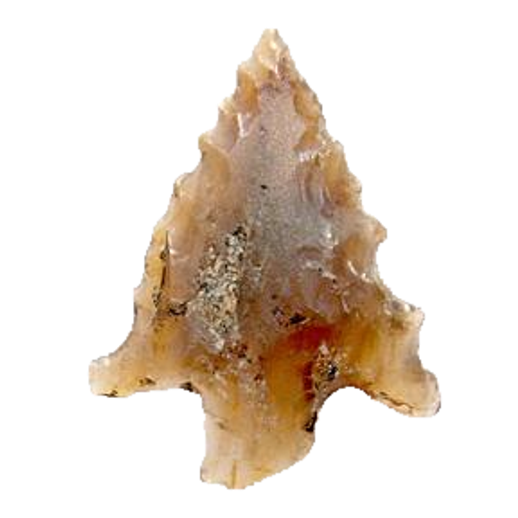 CalapooyaDevelopmental to Historic1,000 - 150 B.P.
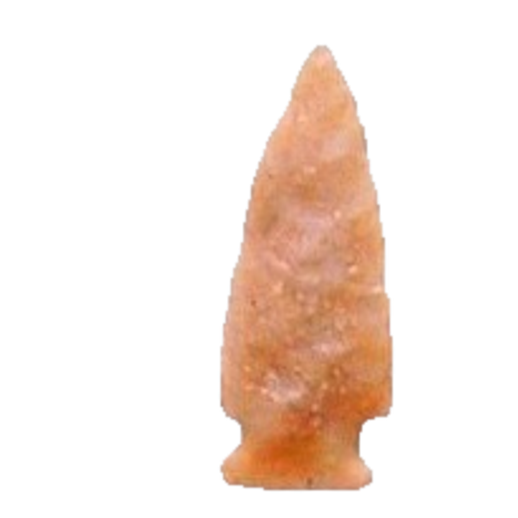 CalderwoodPre-Historic to Historic7,500 - 6,500 B.P.
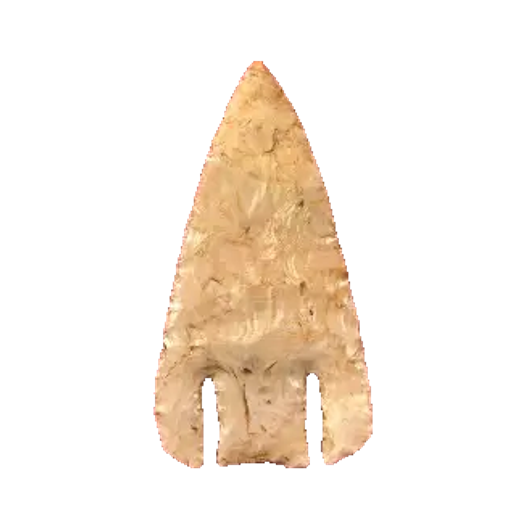 Calf CreekMiddle Archaic5,400–4,600 B.P.
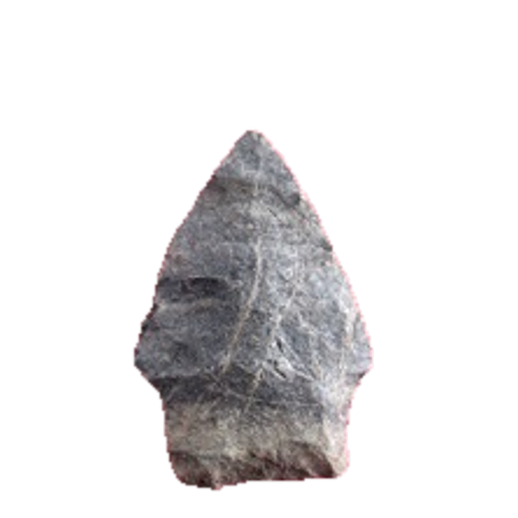 CalvertEarly Woodland3,100 - 2,500 B.P.
- Camas Patch Stamped WareColumbia Plateau / Northwest PotteryA.D. 1000–1800
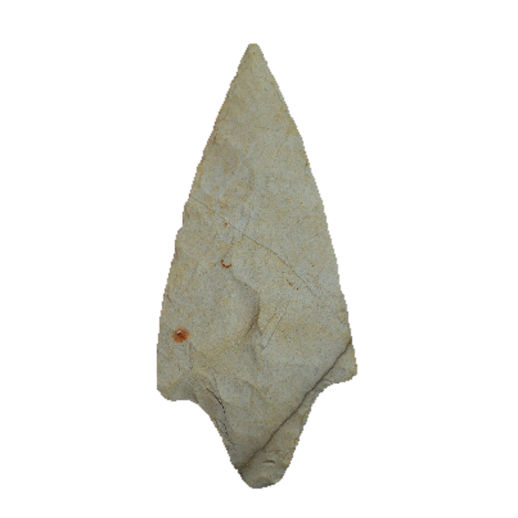 CamdenMiddle Woodland to Late WoodlandAbout 1,700–1,200 B.P. (Nickels 1999)
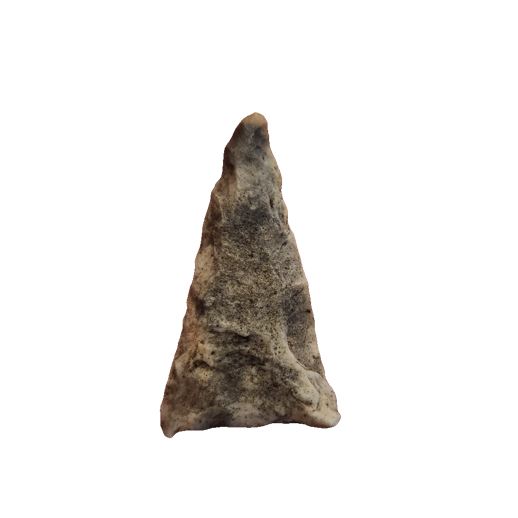 Camp Creek TriangleEarly to Middle WoodlandAbout 2,950 - 1,450 B.P. (1000 B.C. - A.D. 500), Kneberg's estimate as quoted by Cambron and Hulse
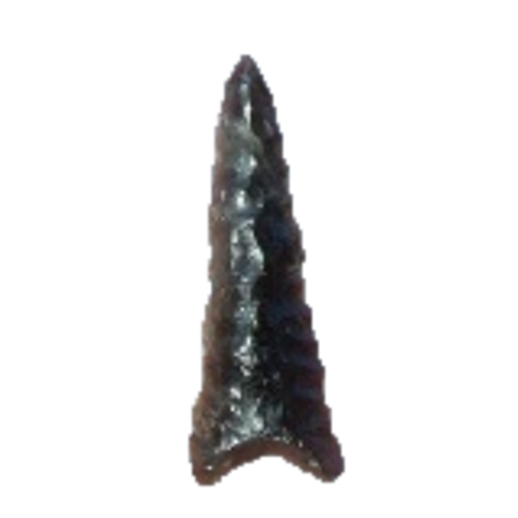 Canalino TriangleClassic to Historic700 - 500 B.P.
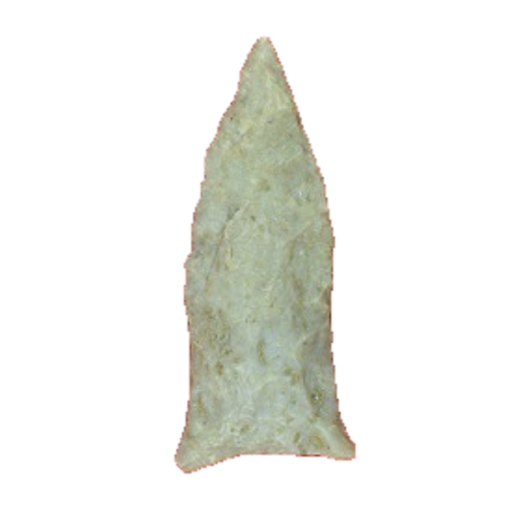 Candy CreekEarly Woodland to Middle Woodland3,000 - 1,500 B.P.
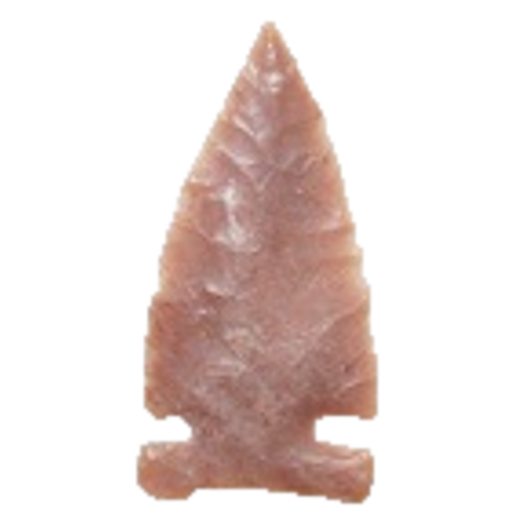 CaracaraLate Prehistoric600 - 400 B.P.
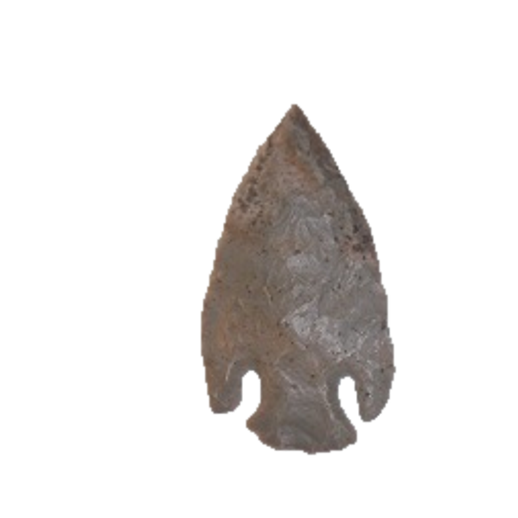 CarlsbadTransitional Archaic to Early Woodland3,000 - 1,600 B.P.
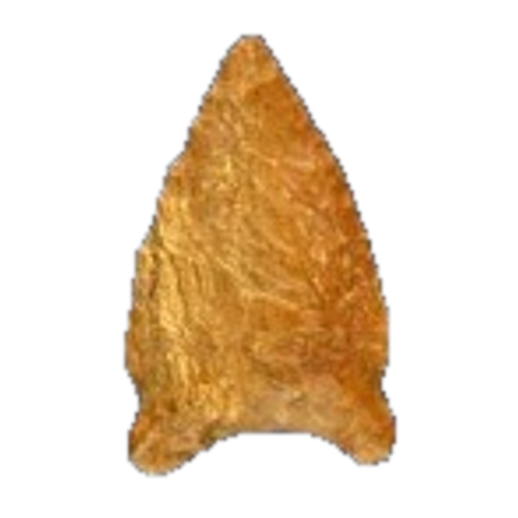 CarmichaelLate Woodland1,800 - 900 B.P.
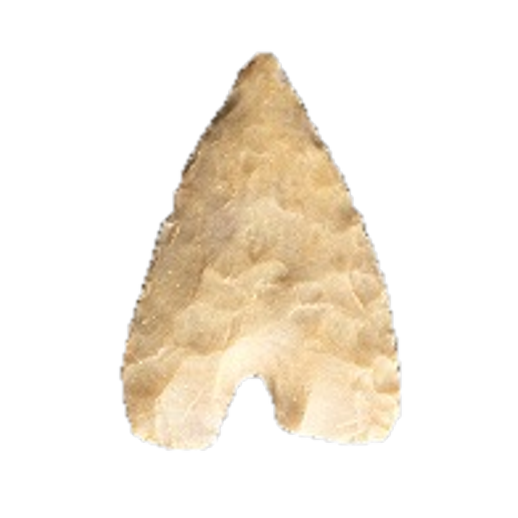 CarrizoMiddle Archaic to Late Archaic5,000 - 3,000 B.P.
- Casa Grande Red-on-BuffClassic Period (Hohokam)A.D. 1150–1300/1375 (Vance, NAU)
- Casas Grandes PolychromeMedio PeriodMedio period, A.D. 1200–1450 (Di Peso); Ramos Polychrome may not appear until about A.D. 1300 (Whalen and Minnis, in Phillips n.d.)
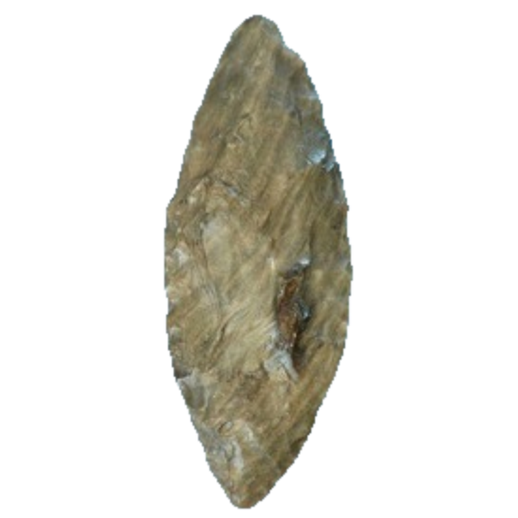 Cascade Bi-PointEarly Archaic to Middle Archaic8,000 - 5,000 B.P.
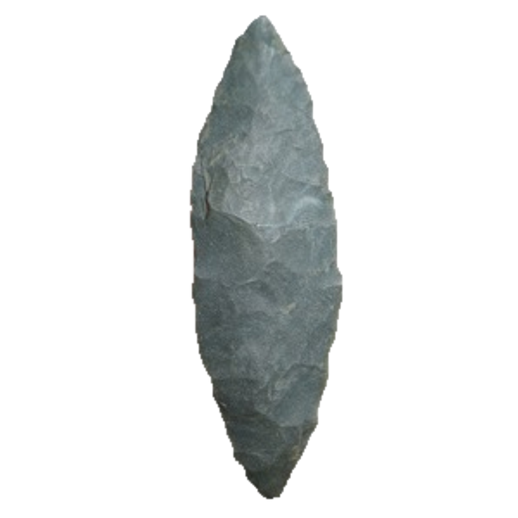 Cascade KnifeEarly Archaic to Middle Archaic8,000 - 5,000 B.P.
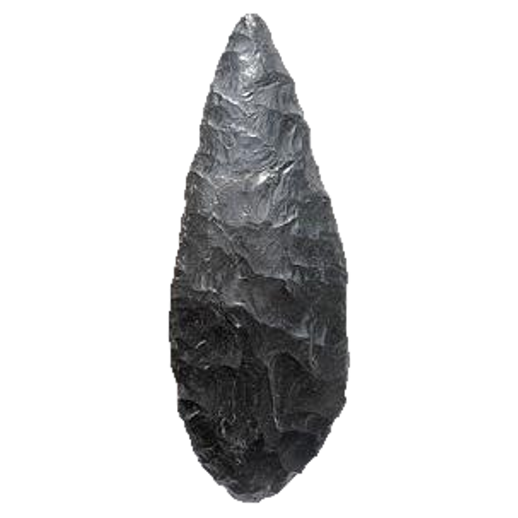 Cascade OvoidEarly Archaic to Middle Archaic8,000 - 5,000 B.P.
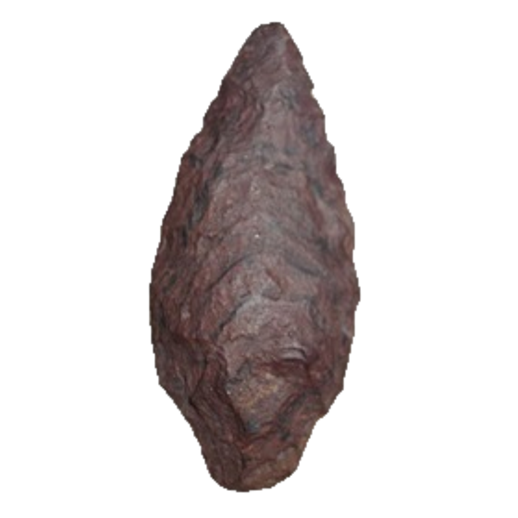 Cascade ShoulderedEarly Archaic to Middle Archaic8,000 - 5,000 B.P.
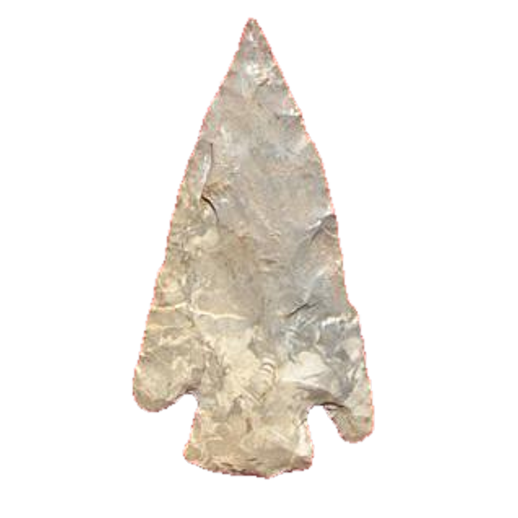 CastrovilleLate Archaic3,150–2,300 B.P. (Lower Pecos Cibola subperiod, Texas Beyond History); about 2,800 B.P. at Bonfire Shelter Bone Bed 3
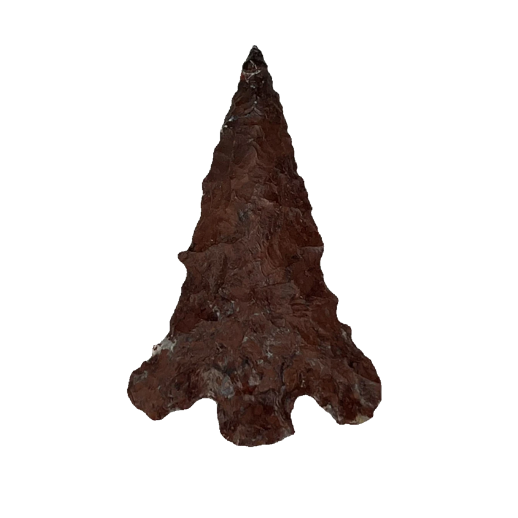 CatahoulaLate Prehistoric1,300 - 900 B.P.
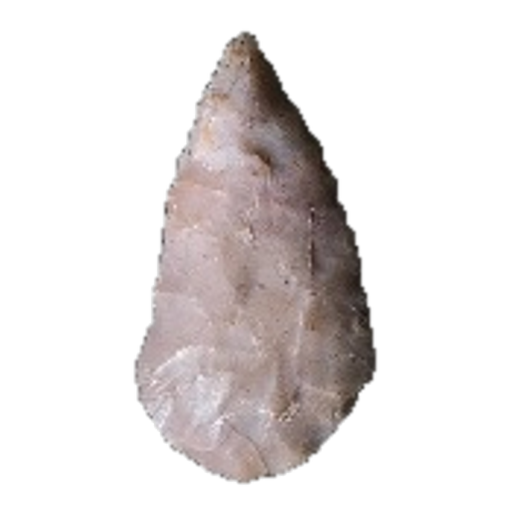 CatanLate Archaic to Late Prehistoric2,600–1,100 B.P. in the Sierra de Tamaulipas (MacNeish, after Mahoney et al. 2002); about 1,450–200 B.P. estimated for South Texas (Suhm et al. 1954)
- Catlinite PipeMiddle Woodland to ProtohistoricPossibly 500 B.C.–A.D. 500 for the earliest artifacts, with most confirmed catlinite after about A.D. 1100–1200 (Scott et al. 2006); catlinite pipes occur in Ohio Hopewell caches, about 50 B.C.–A.D. 300 (Emerson et al. 2013; Farnsworth et al. 2021); Oneota quarrying from about A.D. 1450 (Henning, cited in Scott et al. 2006); still made today.
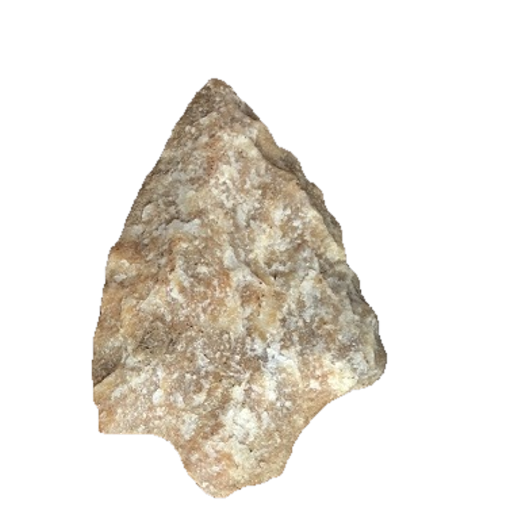 Cattle RunLate Archaic3,950–3,150 B.P. (2000–1200 B.C., Virginia DHR)
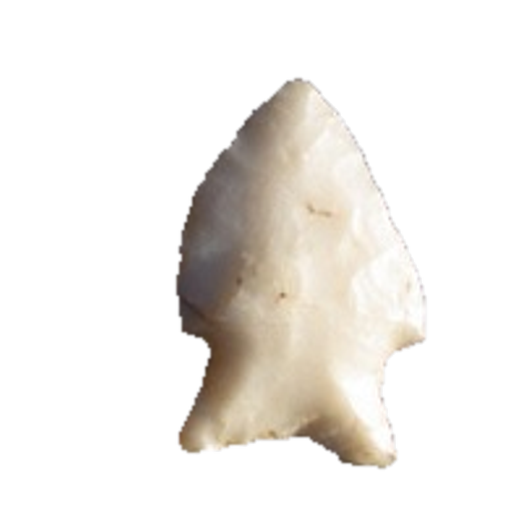 Cave SpringTransitional Paleo to Early Archaic9,500 - 9,000 B.P.
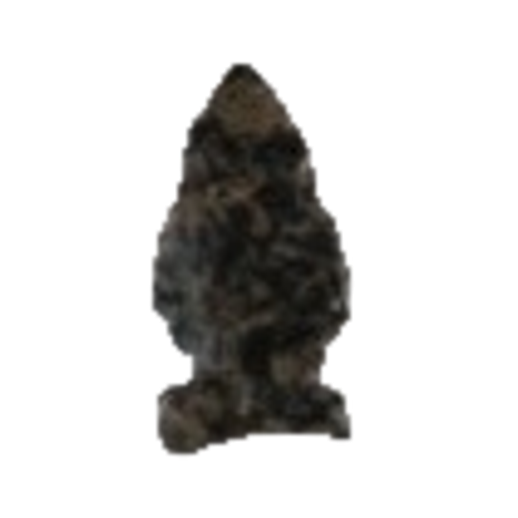 CayleyDevelopmental to Classic1,250 - 650 B.P.
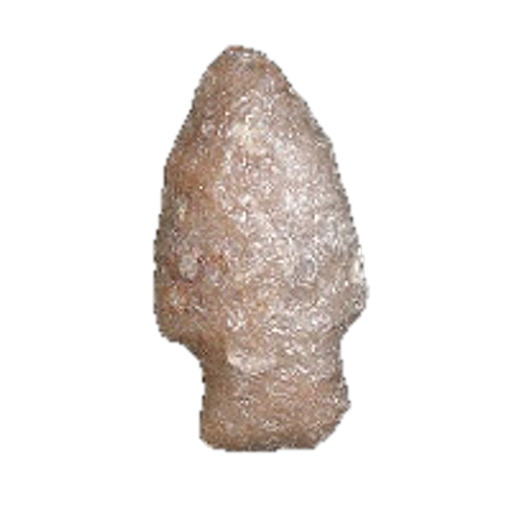 Cedar ValleyLate Archaic to Early Woodland1,500 - 1,100 B.P.
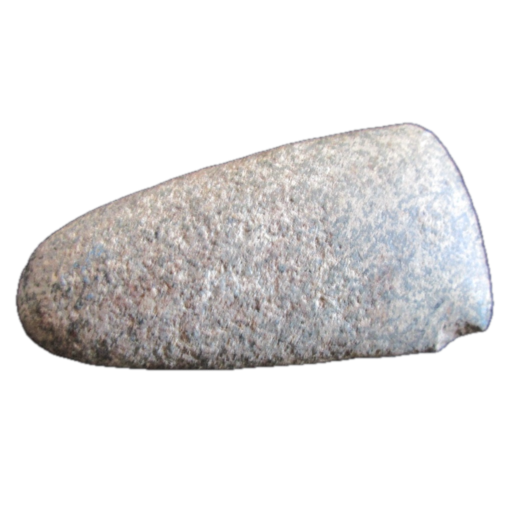 CeltEarly Woodland to Protohistoric3,000–300 B.P.
- Central Plains TraditionLate PrehistoricA.D. 1000–1400 (Bozell and Ludwickson 1998); movement into southern South Dakota about A.D. 1150–1250 (Zimmerman n.d.)
- Ceremonial MaceMississippianAbout A.D. 1150–1500 (occupation of the Duck River mound site, Smith, Tennessee Encyclopedia).
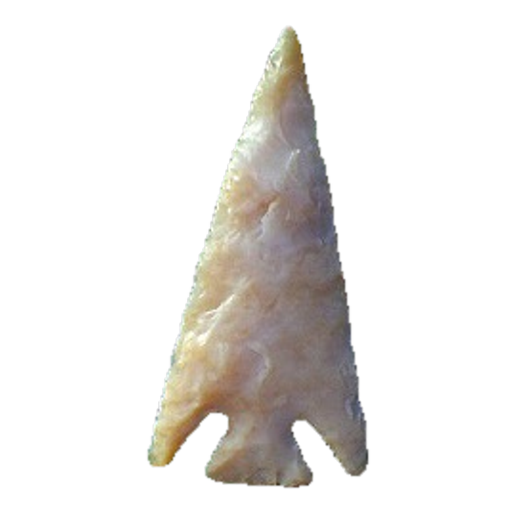 ChacoDevelopmental1,250 - 1,050 B.P.
- Chaco Black-on-WhitePueblo IIA.D. 1075–1150 (Wilson 2014); A.D. 1050–1225 (Vance, NAU)
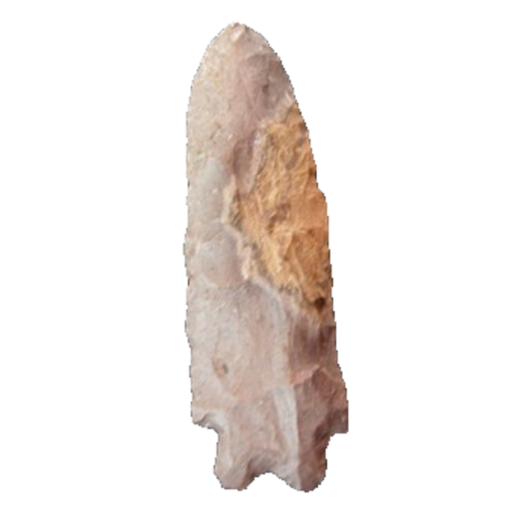 Chagrin RiverEarly Archaic9,400 - 9,000 B.P.
 Channel Islands BarbedTransitional Archaic to Developmental3,000 - 1,000 B.P.
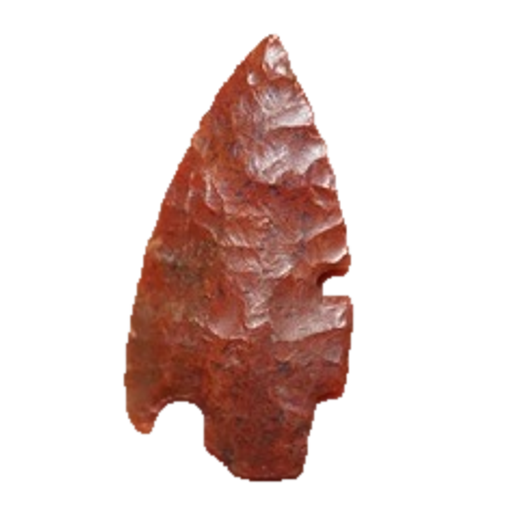 CharcosLate Paleo to Transitional Archaic3,000 - 2,000 B.P.
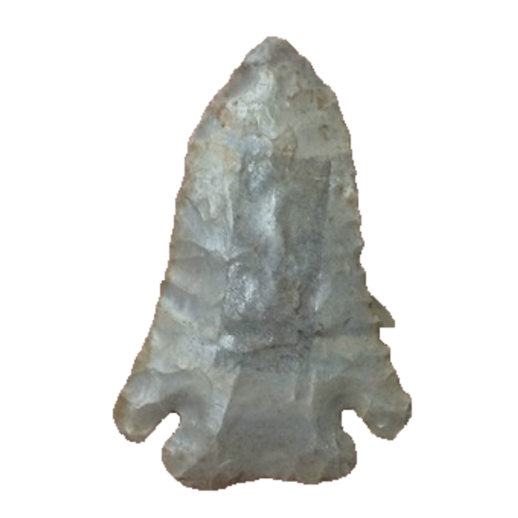 CharlestonEarly Archaic9,950–9,450 B.P. (8000–7500 B.C., Virginia DHR)
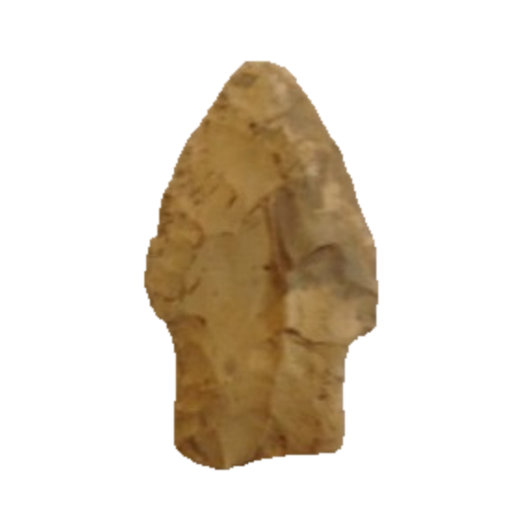 CherokeeEarly Archaic9,000 - 8,000 B.P.
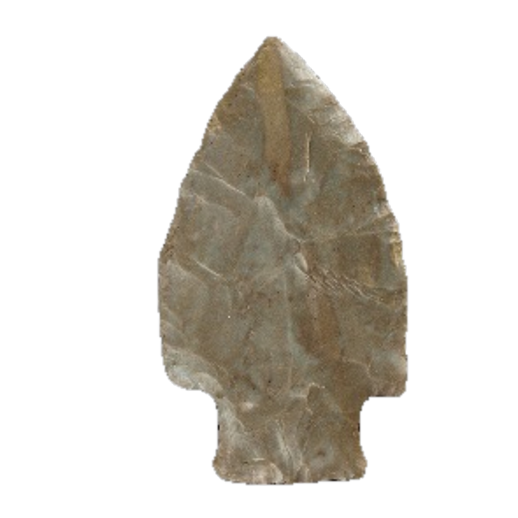 ChesserMiddle Woodland to early Late WoodlandAbout 1,650 - 1,250 B.P. (A.D. 300-700); a Kentucky summary gives a calibrated range of A.D. 268-887
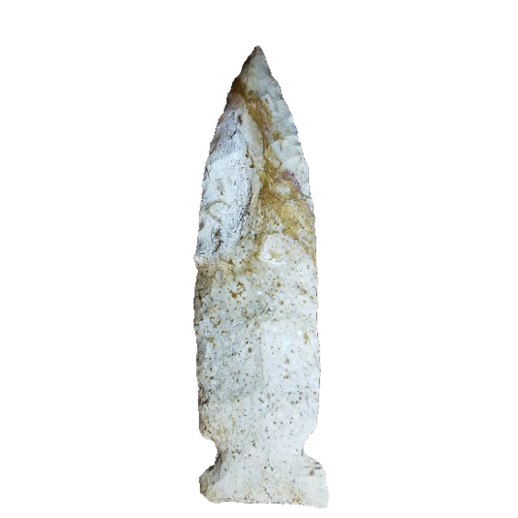 ChesterfieldMiddle Archaic4,500 - 4,000 B.P.
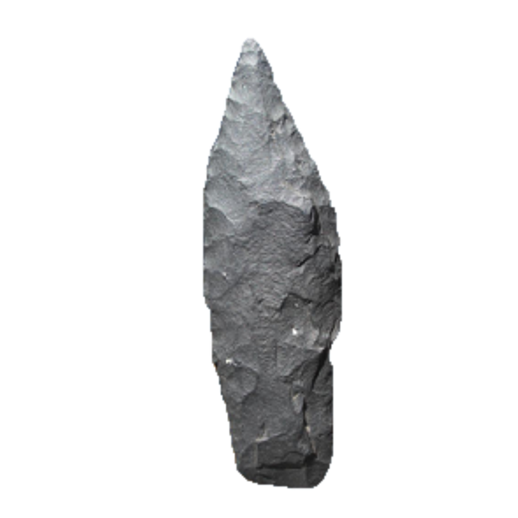 Chignik5,000 - 200 B.P.
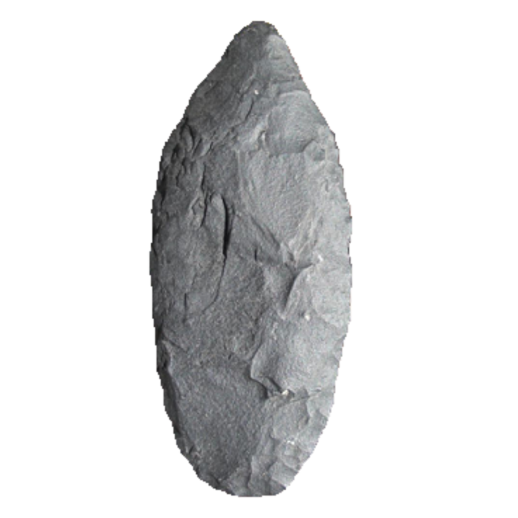 Chignik Leaf5,000 - 200 B.P.
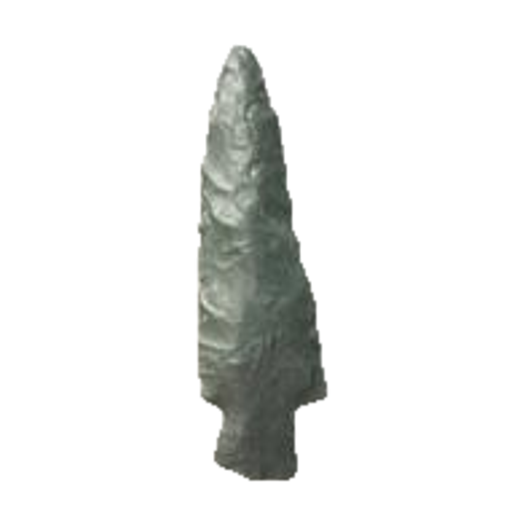 Chilcotin PlateauEarly Archaic8,000 - 5,000 B.P.
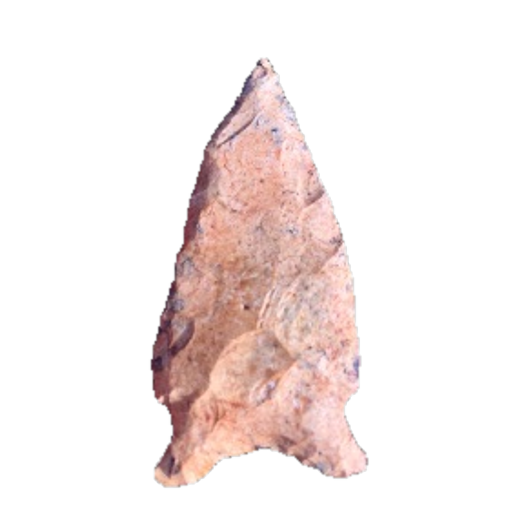 ChipolaLate Archaic to Woodland10,000 - 8,000 B.P.
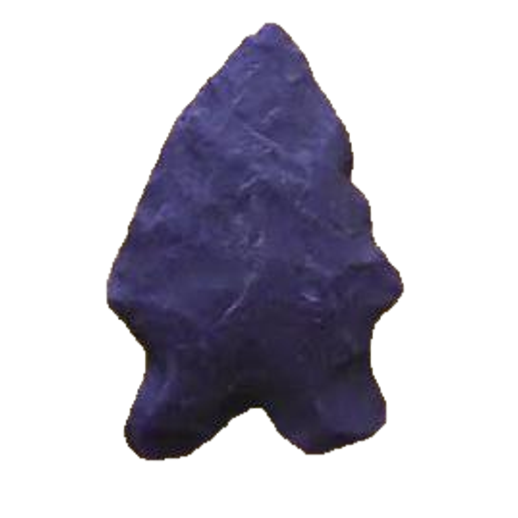 ChiricahuaLate Archaic4,800 - 2,500 B.P.
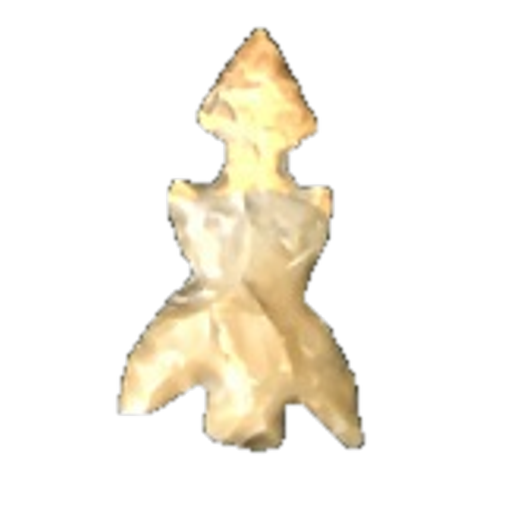 ChocovilleMississippian900 - 600 B.P.
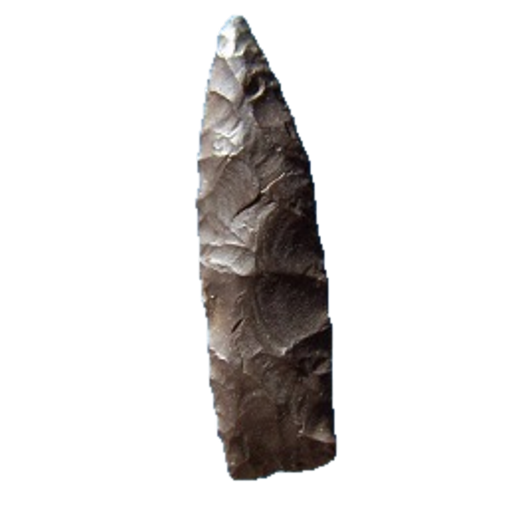 ChorisTransitional Paleo3,800 - 2,200 B.P.
- Chupadero Black-on-WhiteLate PrehistoricA.D. 1050/1100–1550 (Natker 2016); A.D. 1050/1100 to about 1500 (Wilson 2012)
- Cibola White WareAncestral Puebloan PotteryA.D. 550–1350 (Wilson 2014); A.D. 650–1325 (Peters, NAU)
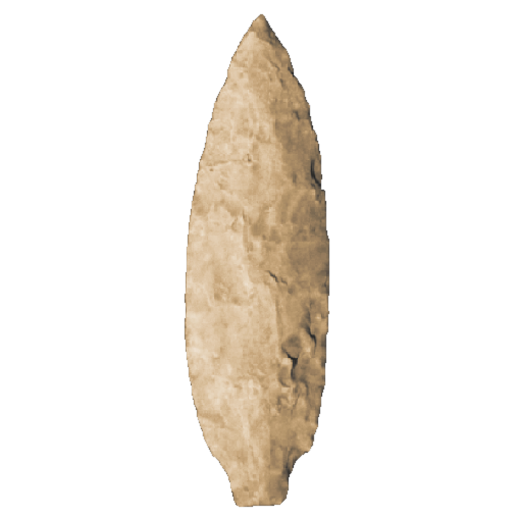 Cibolo KnifeArchaic7,500 - 3,500 B.P.
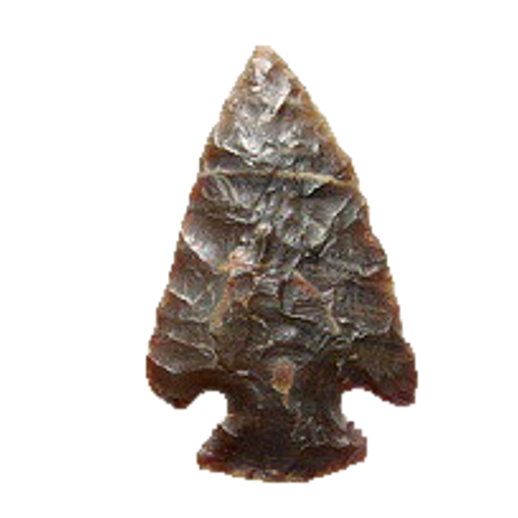 CienegaLate Archaic (Early Agricultural period)About 2,750 - 1,400 B.P.
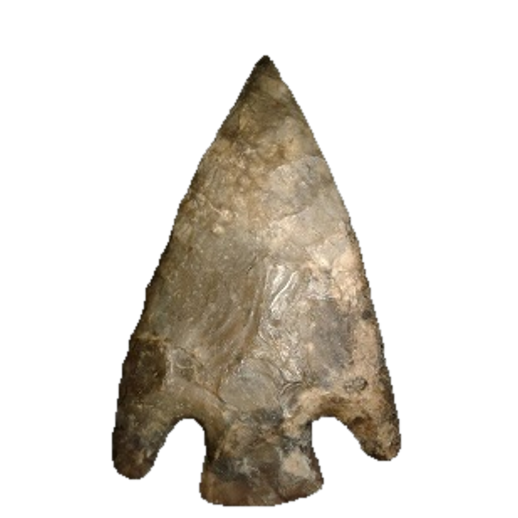 Citrus Basal NotchEarly Woodland to Middle Woodland2,000–1,600 B.P.
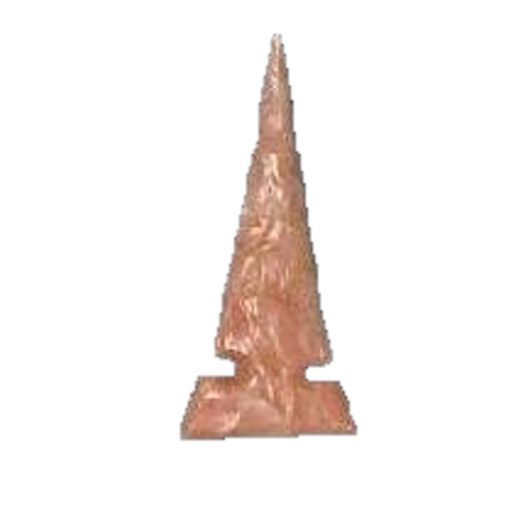 Citrus Side NotchClassic800 - 600 B.P.
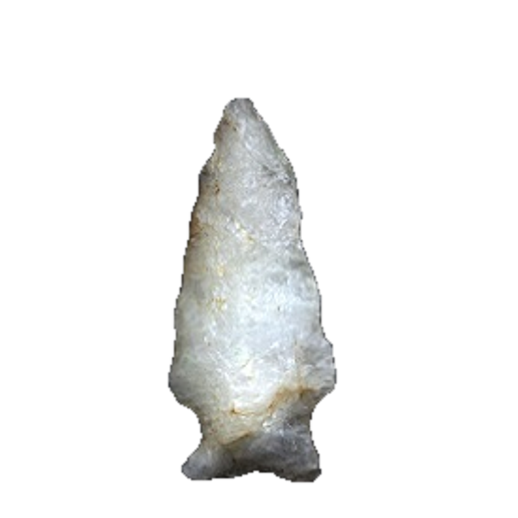 ClagettPrehistoric to Historic4,500 - 3,500 B.P.
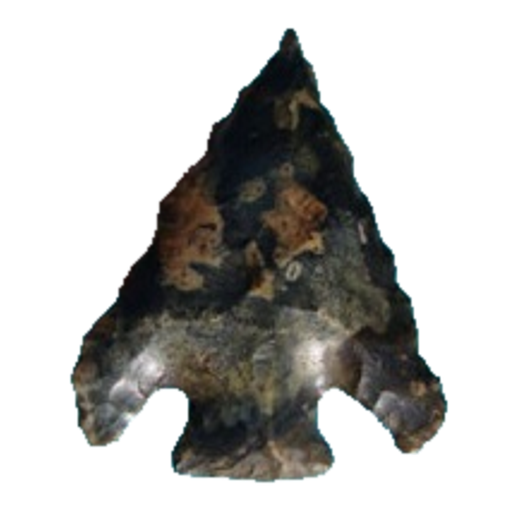 Clay Squared BarbLate Archaic4,000 - 3,000 B.P.
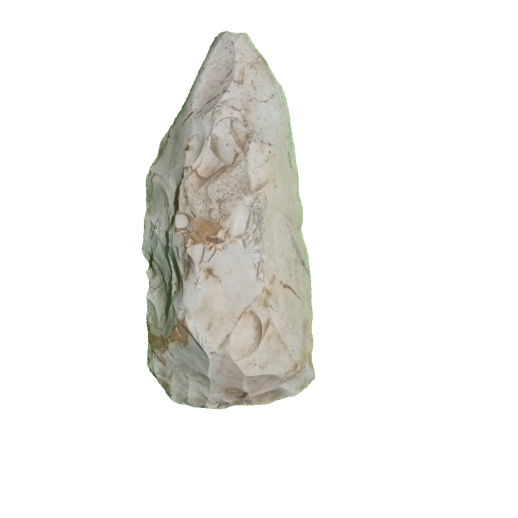 Clear Fork GougeLate Paleoindian to Late ArchaicAbout 10,000 B.P. onward, most common in the Archaic (Texas Beyond History); 4,200–3,700 B.P. in the Sedalia phase of Missouri (Lopinot and McMillan 2010)
- Cliff PolychromeLate Classic PeriodA.D. 1350–1450; introduced after 1350 and most popular in the late 1300s to mid-1400s (Lyons 2004)
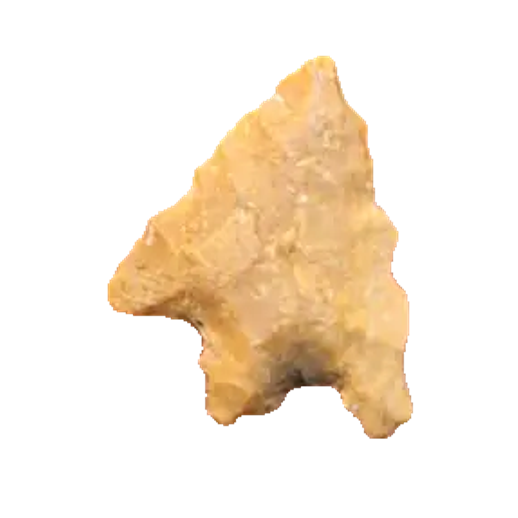 ClifftonLate Prehistoric700 - 400 B.P.
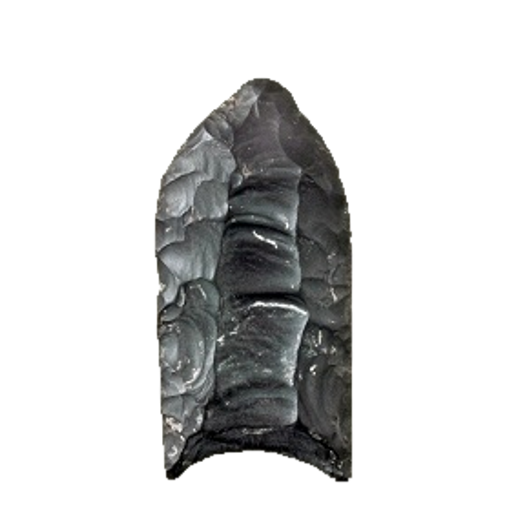 Clovis FlutedEarly Paleoindian13,050–12,750 cal B.P. (Waters et al. 2020)
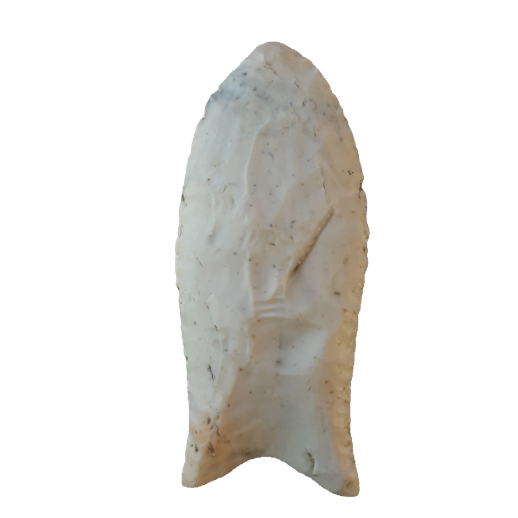 Clovis HazelPaleo14,000 - 10,000 B.P.
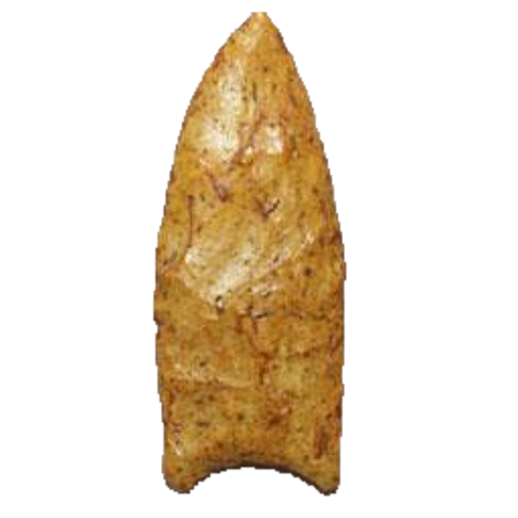 Clovis Un-FlutedPaleoindian11,110–10,820 B.P. (Clovis sites); about 13,050–12,750 cal B.P.
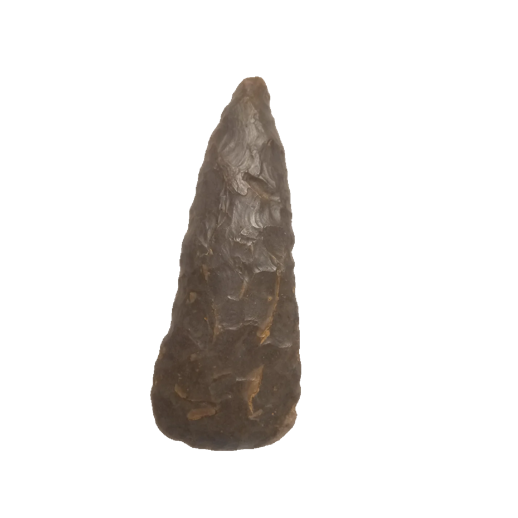 Cobbs BladeEarly Archaic to Middle Archaic8,500–5,000 B.P. (earlier Library text, unsourced); a Cobbs knife at the Widemeier site, Tennessee, lay in a burned area dated 9,390 ± 50 B.P. (Broster et al. 2008)
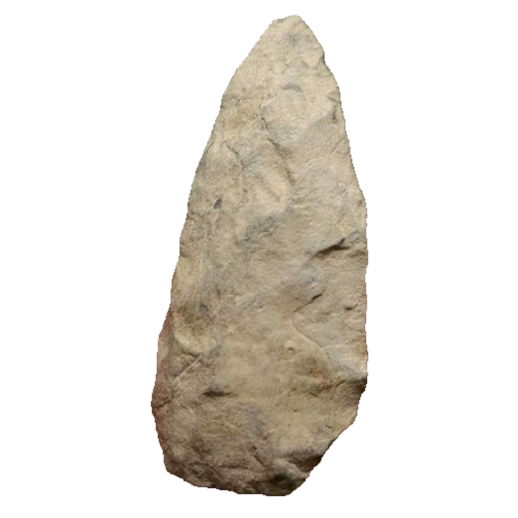 CoburnWoodland3,7000 - 2,700 B.P.
- Cochiti PolychromeHistoric to presentA.D. 1870–present (Wilson 2014)
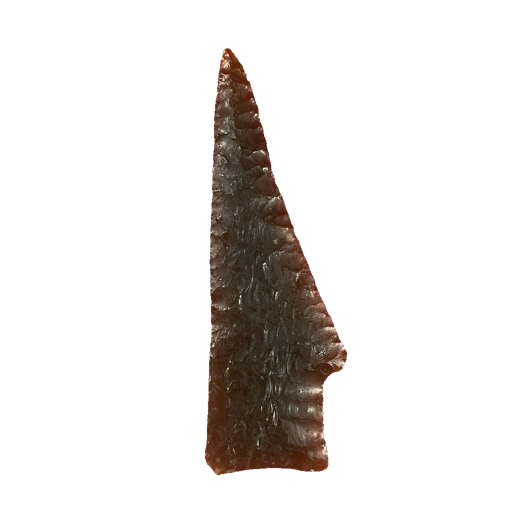 Cody KnifePaleoindian9,300–8,700 B.P. at the Horner type site (Frison and Todd 1987, as cited by Shortt 2000); Cody sites cluster near 9,000 B.P.
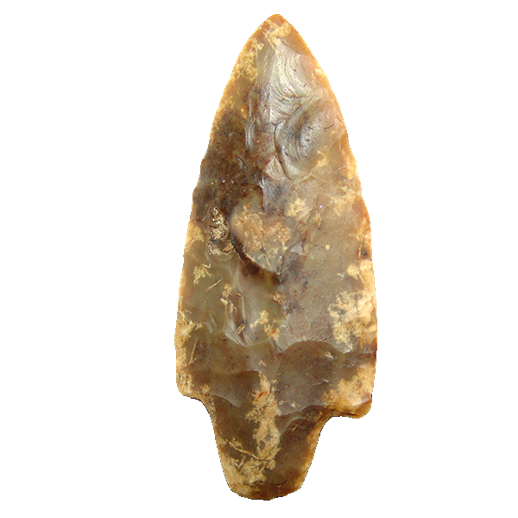 CokerEarly Archaic to Middle Archaic
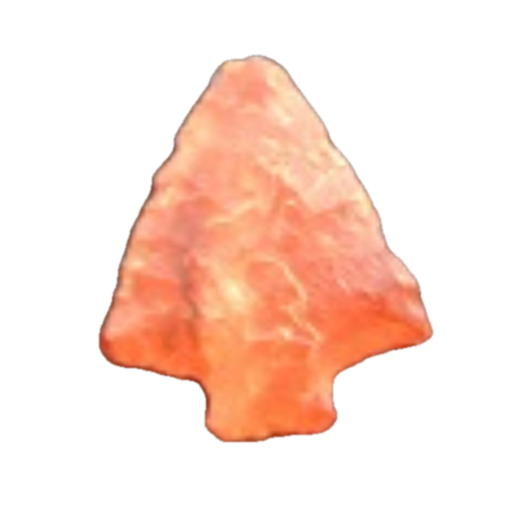 ColbertLate Prehistoric1,050 - 420 B.P.
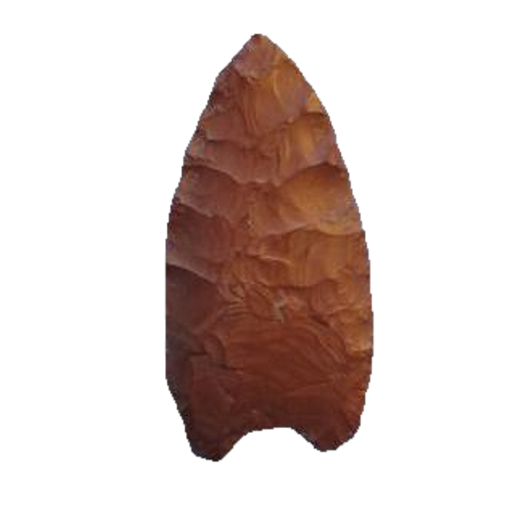 Colby FlutedPaleo11,700 - 10.000 B.P.
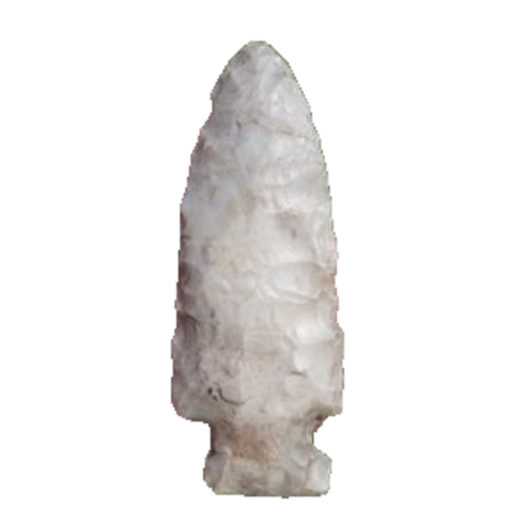 Cold SpringsLate Prehistoric to Developmental6,700 - 5,000 B.P.
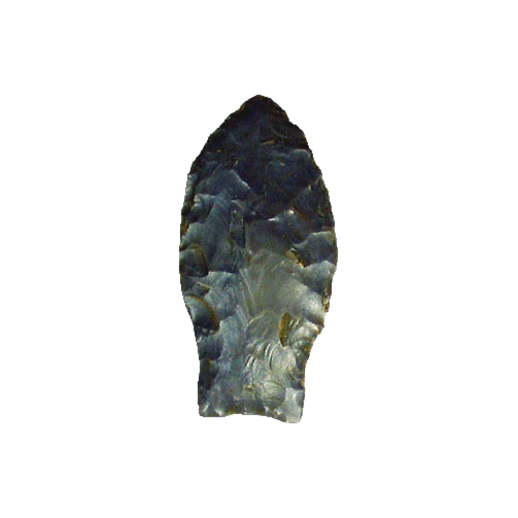 ColdwaterLate Paleo11,000 - 10,500 B.P.
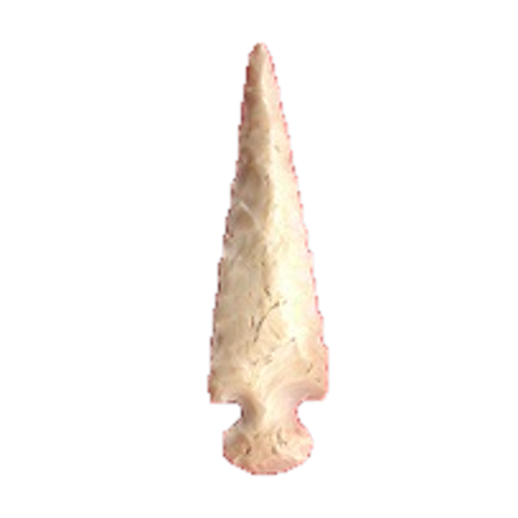 Collier BulbedMississippian700 - 500 B.P.
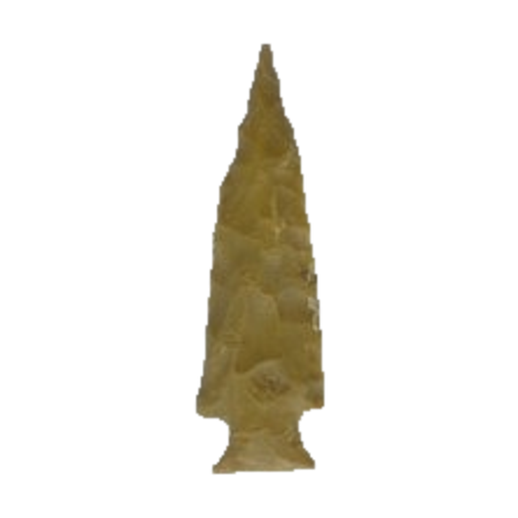 CollinsWoodland1,500 - 1,200 B.P.
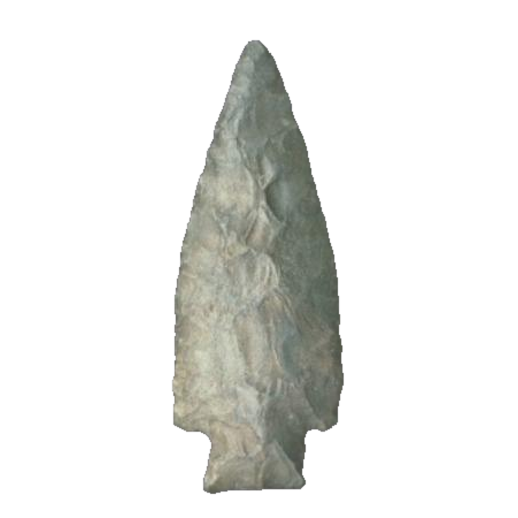 ColumbiaWoodland1,800 - 850 B.P.
- Columbia IncisedColumbia Plateau / Northwest PotteryA.D. 1000–1700
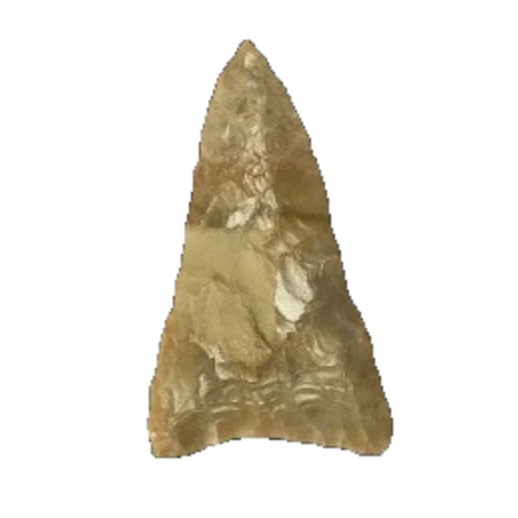 Columbia Mule EarClassic700 - 400 B.P.
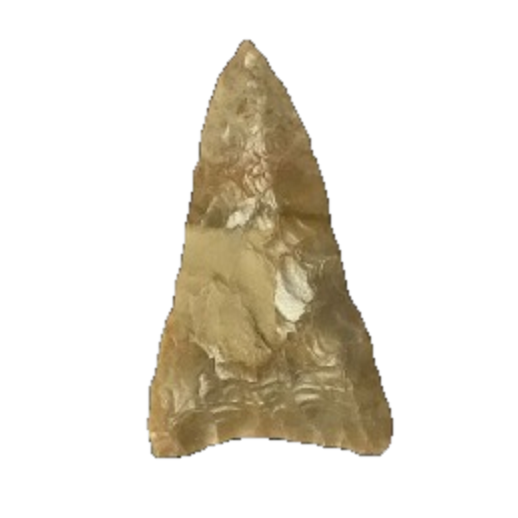 Columbia MuleearClassic700 - 400 B.P.
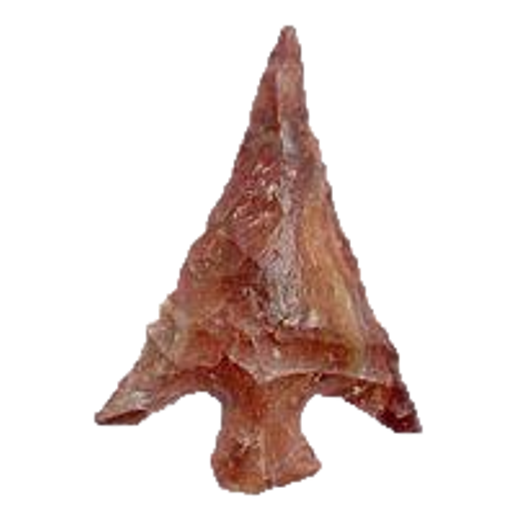 Columbia PlateauClassic to Historic500 - 200 B.P.
 Comondu'Developmental to Historic1,000 - 300 B.P.
- ConeLate Archaic to Middle WoodlandLate Archaic to Middle Woodland: cones are among the solid stone objects at Poverty Point, 2000–700 B.C. (Gibson 1985); they are on the Adena trait list, and barite and galena cones at Peter Village, Kentucky, date between about 400 B.C. and A.D. 70 (Applegate 2008).
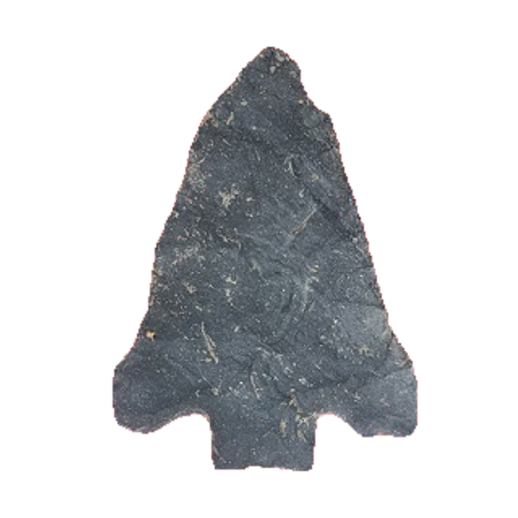 ConejoLate Archaic3,500 - 2,300 B.P.
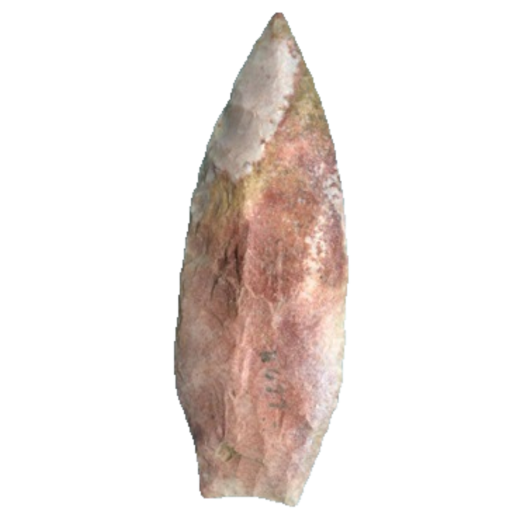 ConerlyMiddle Archaic5,500 - 4,500 B.P.
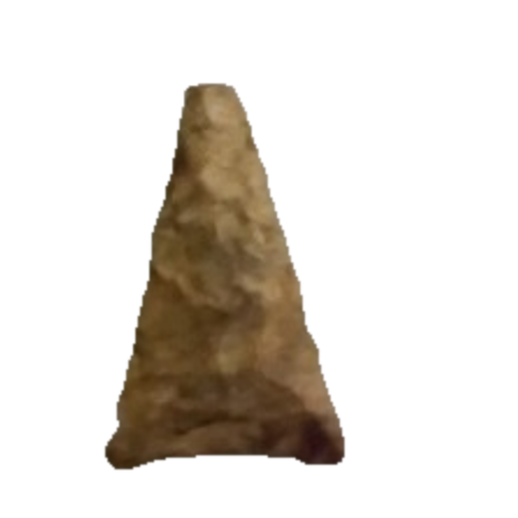 ConnesteeMiddle Woodland2,300 - 1,600 B.P.
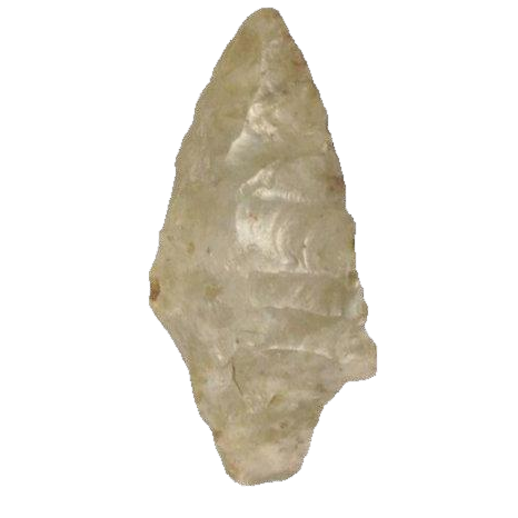 Conodoquinet - CanfieldLate Archaic4,000 - 3,500 B.P.
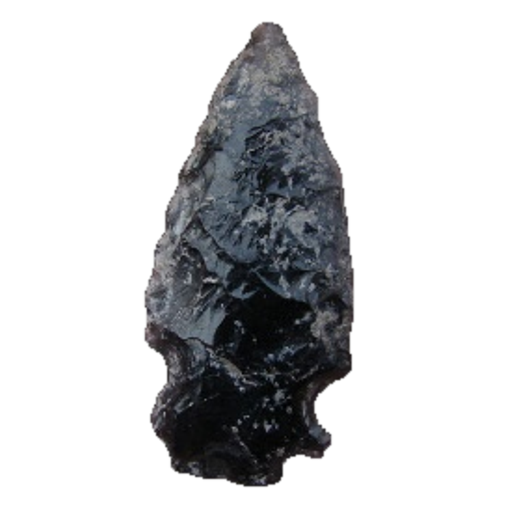 Contra CostaTransitional Archaic2500 - 1,500 B.P.
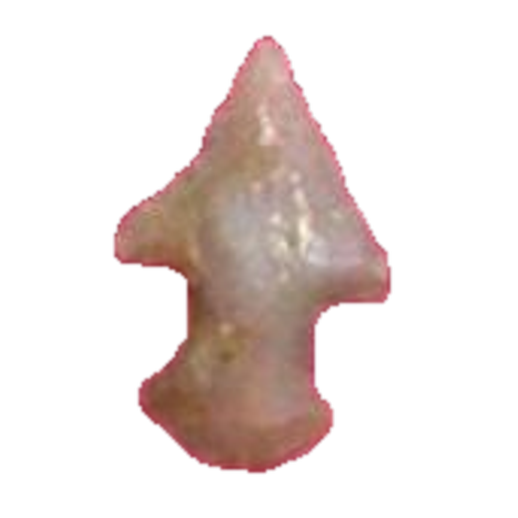 ConventoPrehistory900 - 800 B.P.
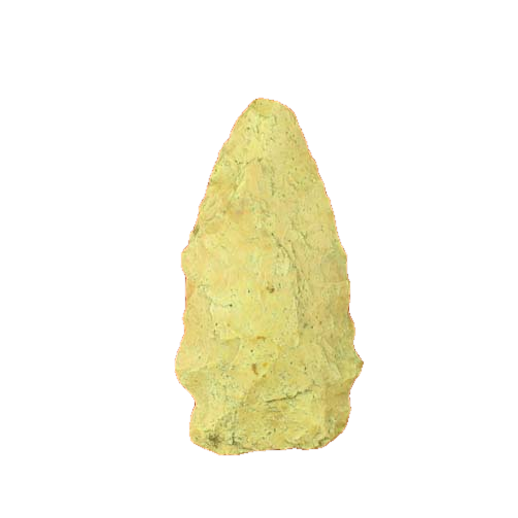 Coosa Side NotchWoodland2,000 - 1,500 B.P.
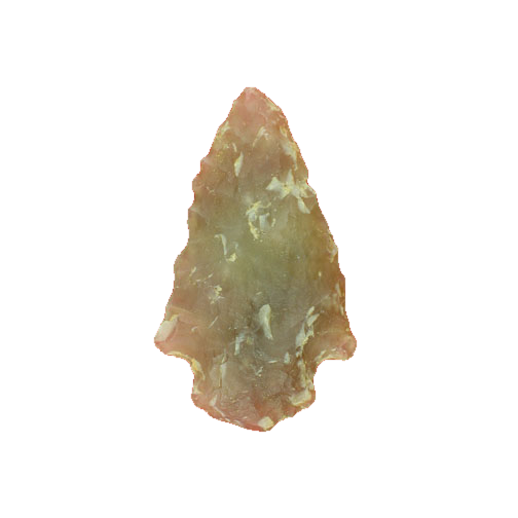 Coosa StemmedWoodland2,000 - 1,500 B.P.
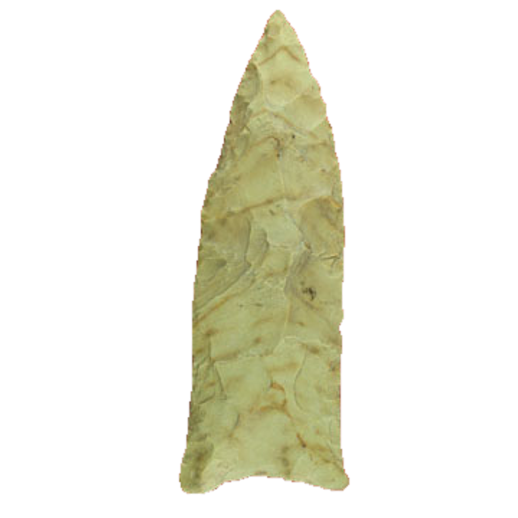 Copena AuriculatedLate Archaic to Woodland4,000- 1,500 B.P.
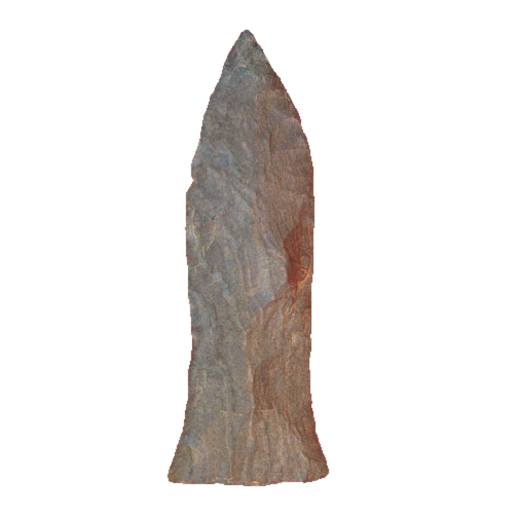 Copena LanceolateLate Archaic to Early Woodland4,000- 1,500 B.P.
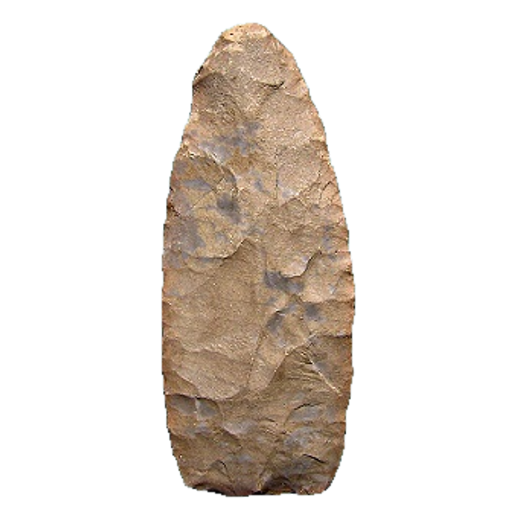 Copena Round BaseLate Archaic to Woodland4,000- 1,500 B.P.
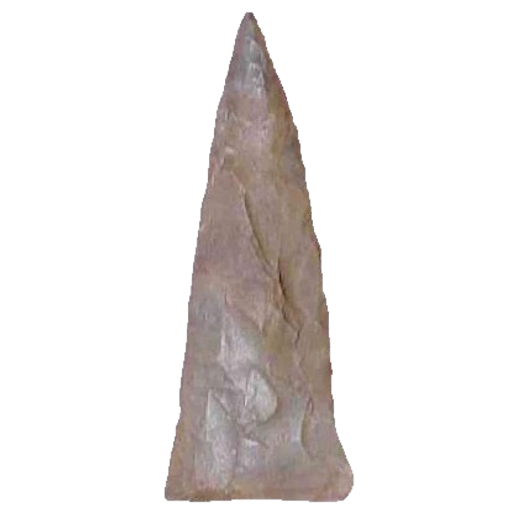 Copena TriangularLate Archaic to Woodland4,000- 1,500 B.P.
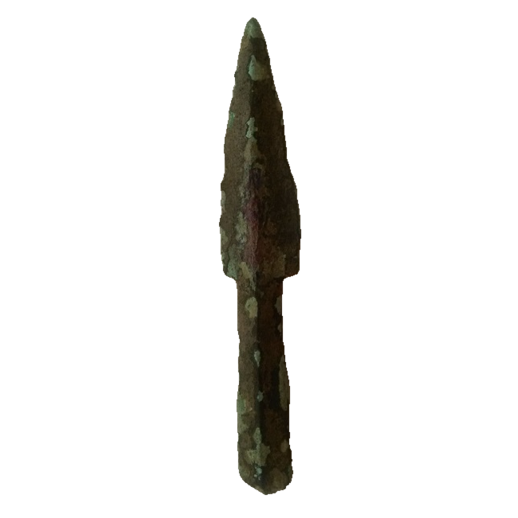 CopperMiddle Archaic to Early Woodland6,000 - 2,500 B.P.
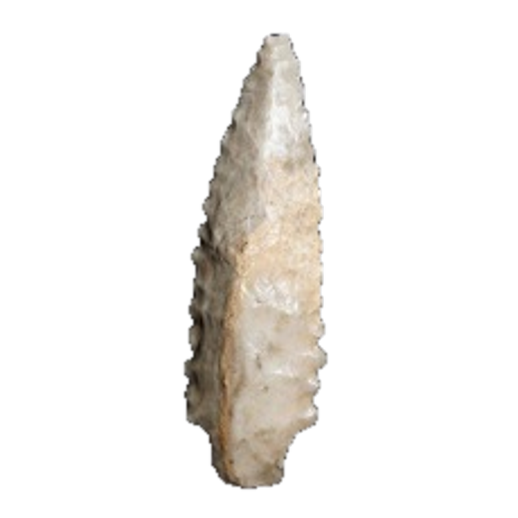 Coquille Broad NeckMiddle Archaic to Late Archaic4,500 - 2,200 B.P.
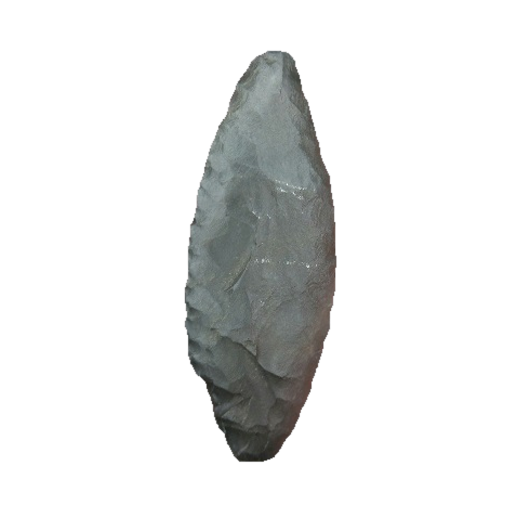 Coquille KnifeMiddle Archaic to Developmental4,500 - 700 B.P.
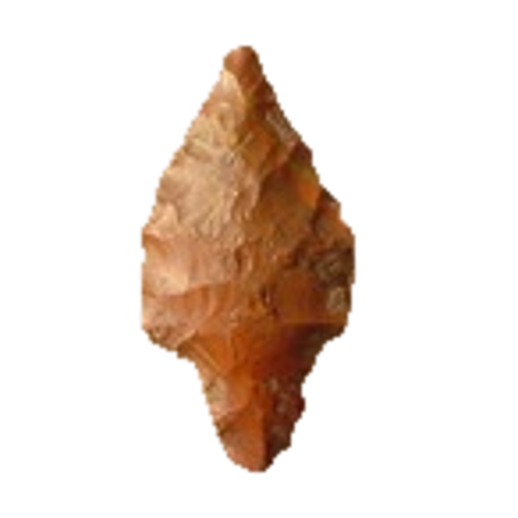 Coquille Narrow NeckTransitional Archaic to Developmental2,200 - 700 B.P.
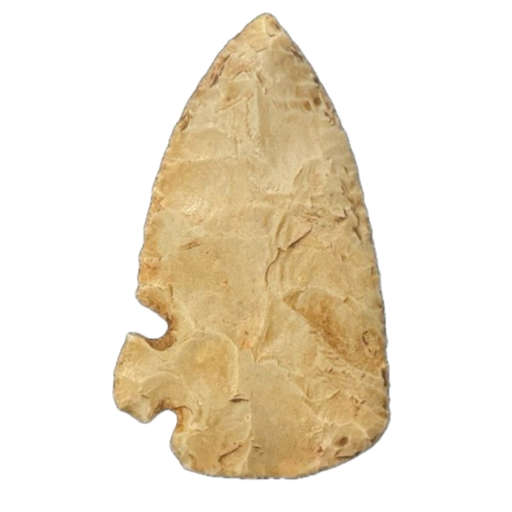 Corner TangLate Archaic to Transitional Archaic3,000–1,500 B.P.
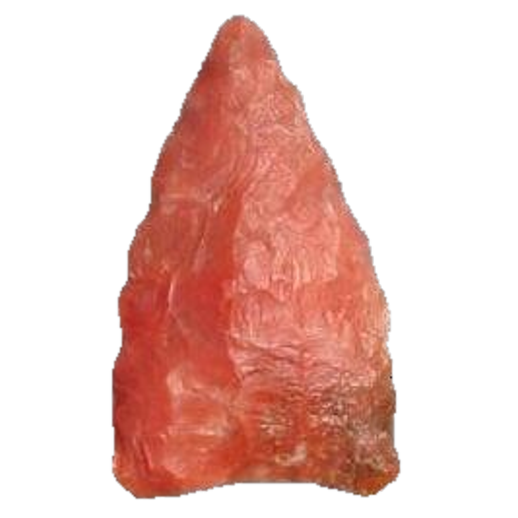 CortaroMiddle Archaic to Late Archaic4,500 - 3,500 B.P.
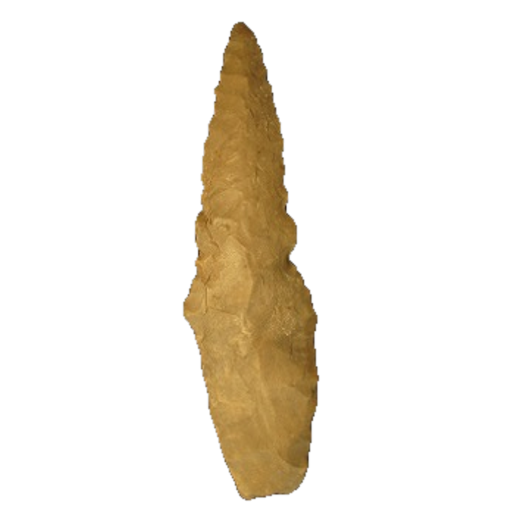 CoryellEarly Archaic to Middle Archaic7,000 - 5,000 B.P.
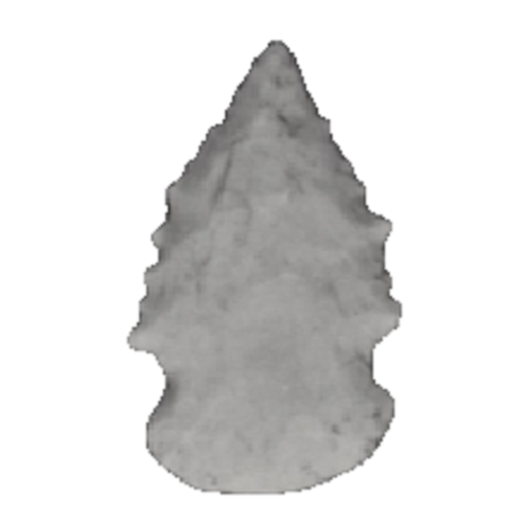 Cossatot RiverMiddle Archaic to Late Archaic4,500–2,200 B.P.
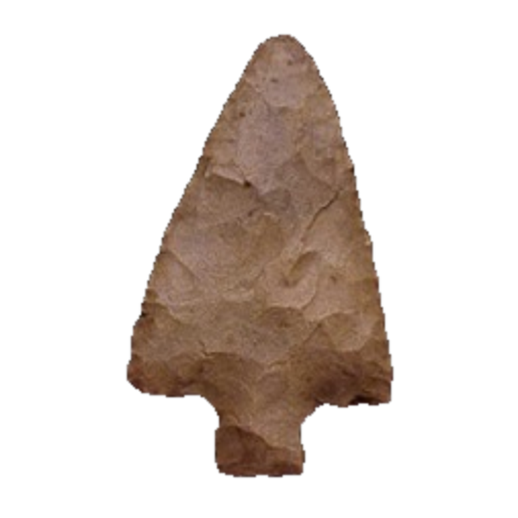 Cotaco CreekLate Archaic to Woodland3,500 - 2,500 B.P.
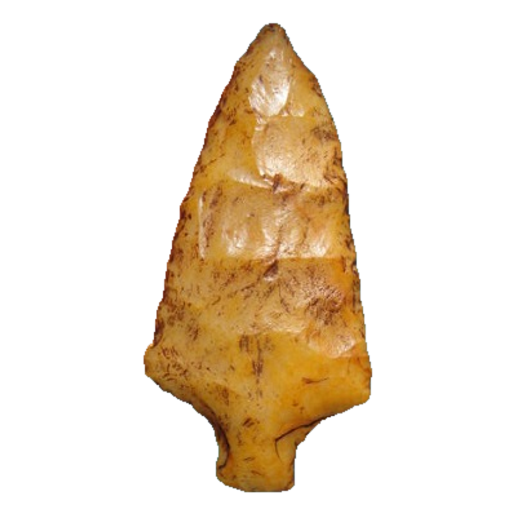 CottonbridgeMiddle Archaic6,000 - 4,500 B.P.
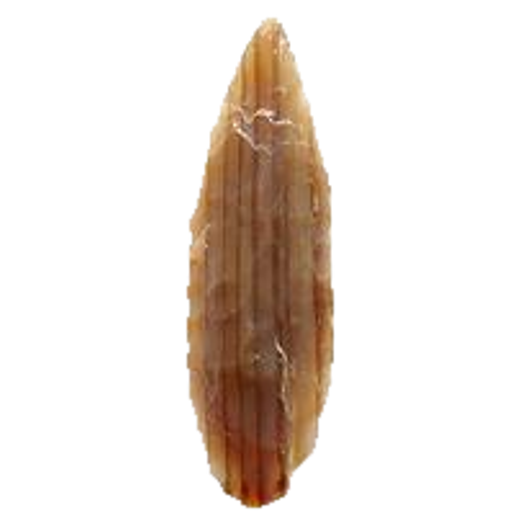 Cottonwood LeafLate Prehistoric to HistoricAfter about A.D. 1300 (roughly 650 B.P. into historic times)
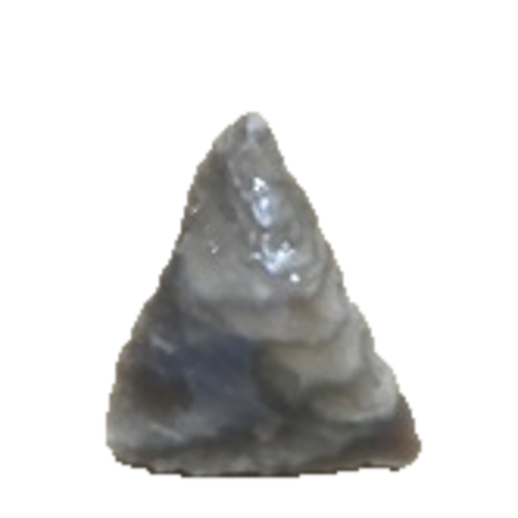 Cottonwood TriangularLate Prehistoric to Historic900 - 200 B.P.
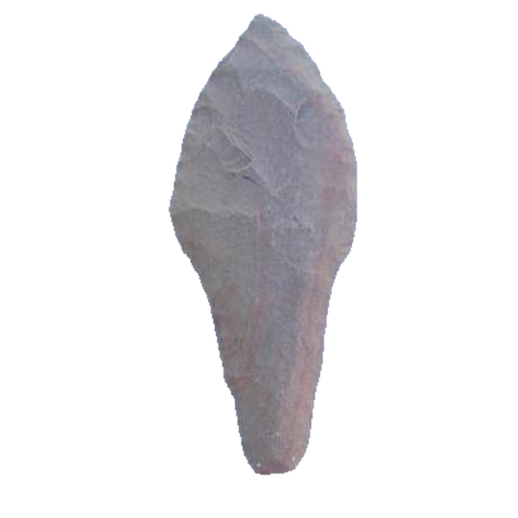 Cougar MountainTransitional Paleo11,000 - 9,000 B.P.
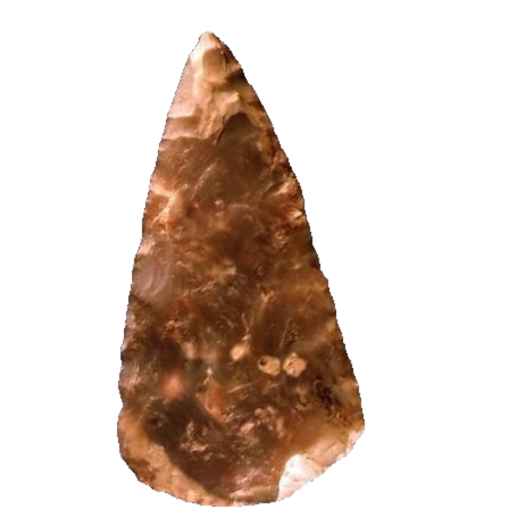 Covington Bi-FaceMiddle Archaic4,000 - 3,000 B.P.
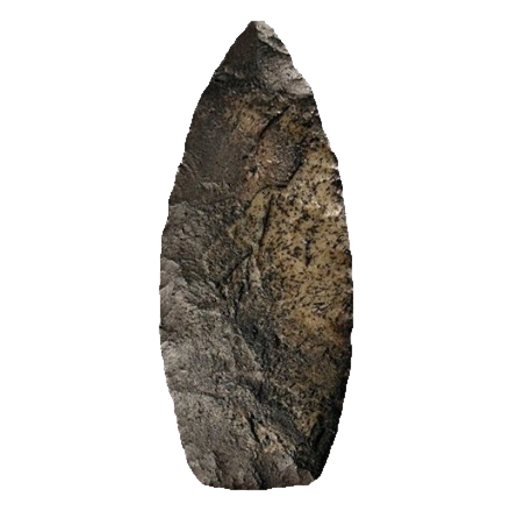 Cowhouse Slough Bi-FaceTransitional Paleo10,000 - 8,000 B.P.
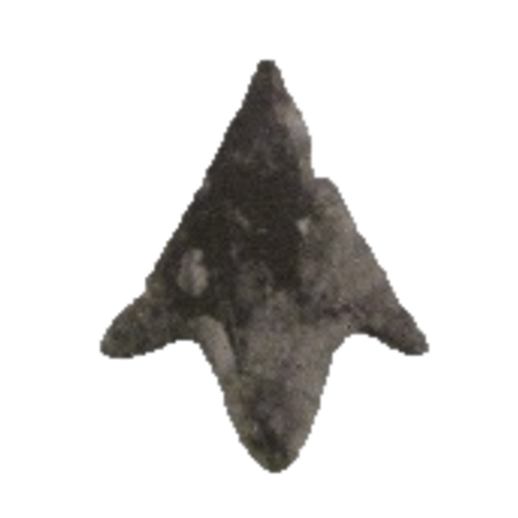 CoxtanlanLate Archaic to Transitional Archaic4,000 - 2,500 B.P.
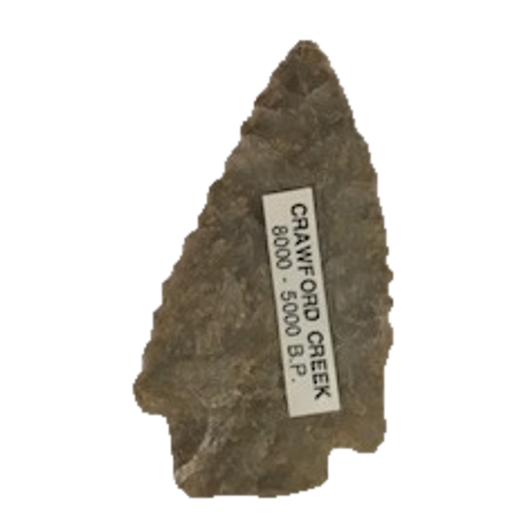 Crawford CreekEarly Archaic8,000 - 7,000 B.P.
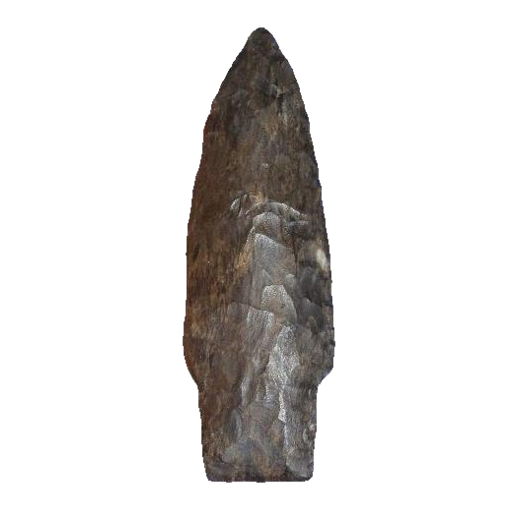 CresapLate Archaic to Woodland3,500 - 2,500 B.P.
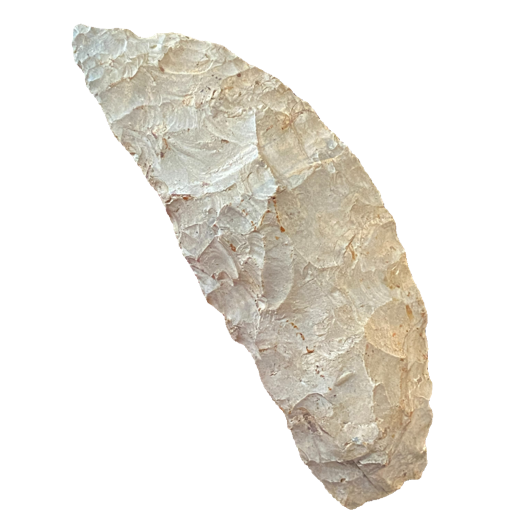 Crescent Knife - ArchaicPaleo9,000 - 5,000 B.P.
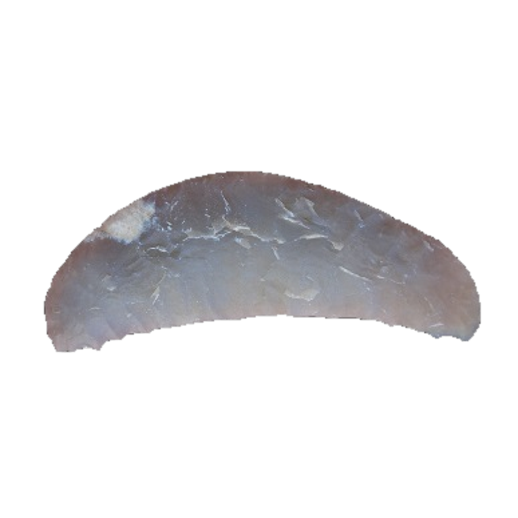 Crescent Knife - PaleoMiddle Archaic11,000 - 9,000 B.P.
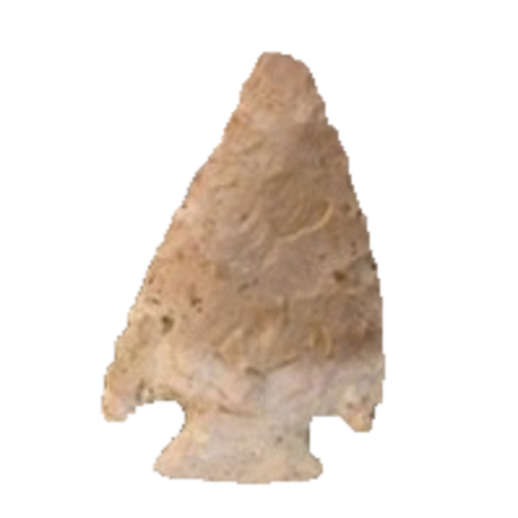 CrestonLate Prehistoric to Developmental1,900 - 1,000 B.P.
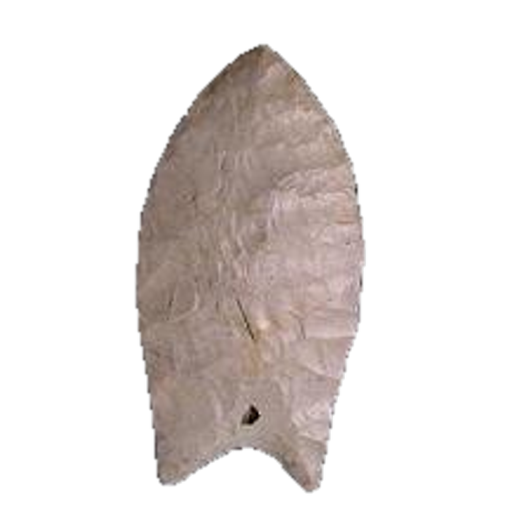 Crowfield FlutedTransitional Paleo11,000 - 10,000 B.P.
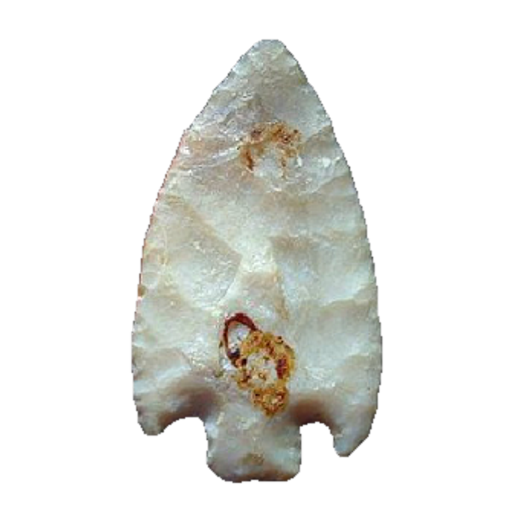 CulbreathMiddle to Late Archaic4,000 - 3,000 B.P.
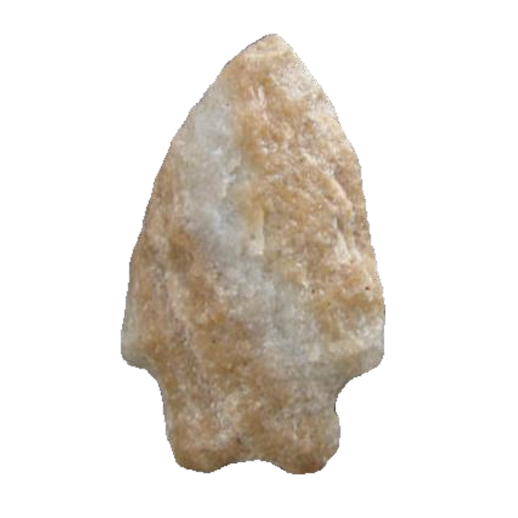 CulpepperEarly Archaic8,000 - 7,000 B.P.
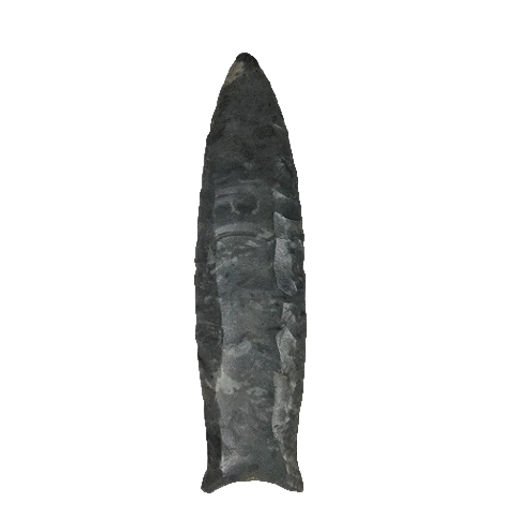 CumberlandPaleoindianAbout 11,000–10,000 B.P. (9000–8000 B.C., Ohio History Connection); NRCS, using Justice (1987), gives 10,000–8000 B.C. Cambron and Hulse (1975) place it before 10,000 B.P.
 CuneyLate Prehistoric to Historic500 - 200 B.P.
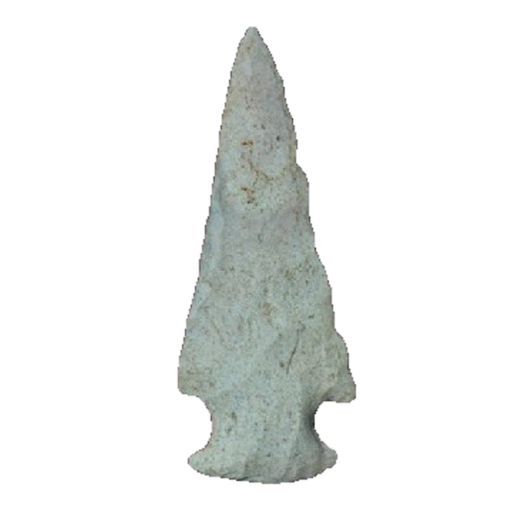 CuppMississippian to Prehistoric1,300 - 600 B.P.
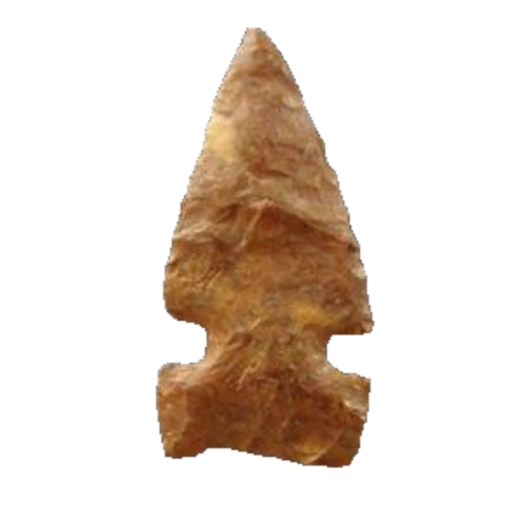 Cut BankClassic to Historic600 - 200 B.P.
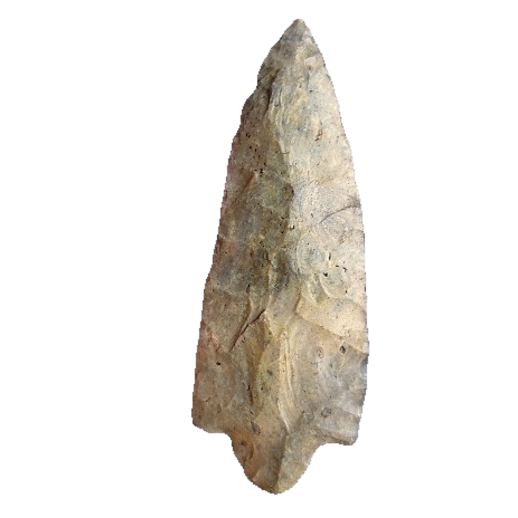 Cypress Creek Contracting StemLate Archaic to Early Woodland4,000 - 3,000 B.P.
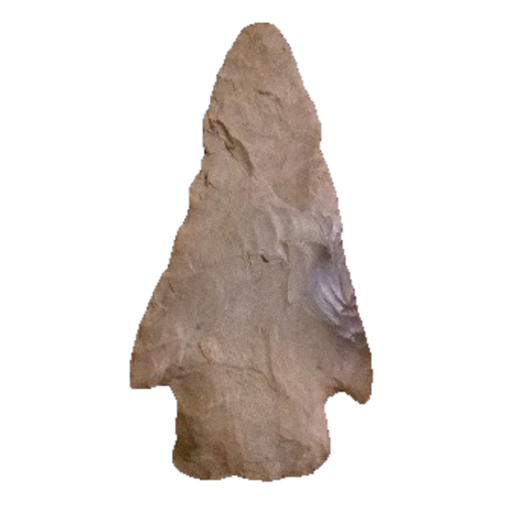 Cypress Creek Expanding StemEarly Archaic7,500 - 6,000 B.P.
D
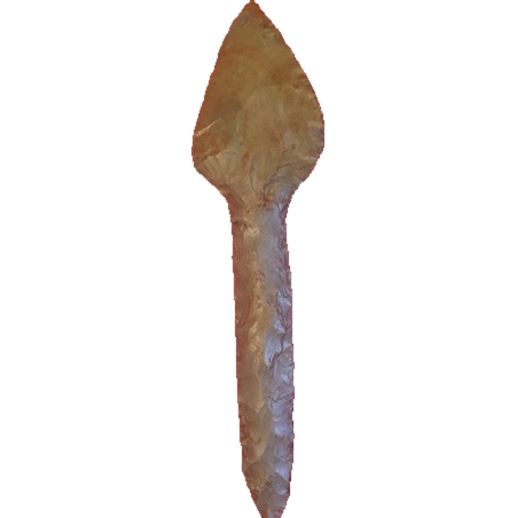 Dagger KnifeLate Archaic to Early Woodland4,000 - 1,500 B.P.
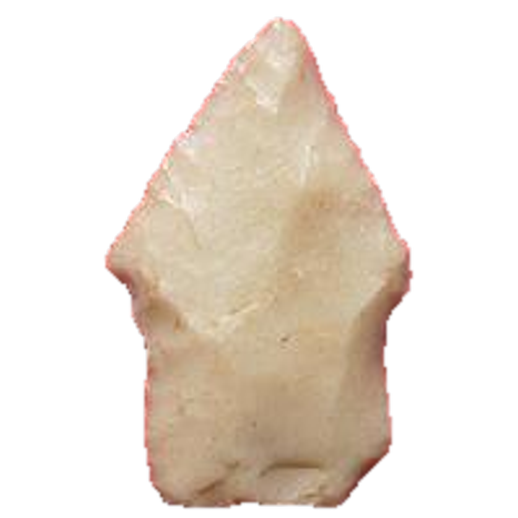 DallasLate to Transitional Archaic3,000 - 1,300 B.P.
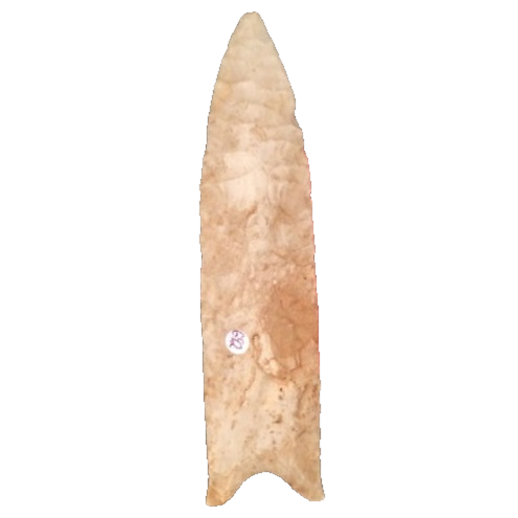 Dalton AuriculateLate Paleoindian to Early Archaic10,700–9,200 B.P. (about 12,680–10,400 cal B.P.; Thulman 2019); 10,500–9,900 B.P. (Goodyear 1982)
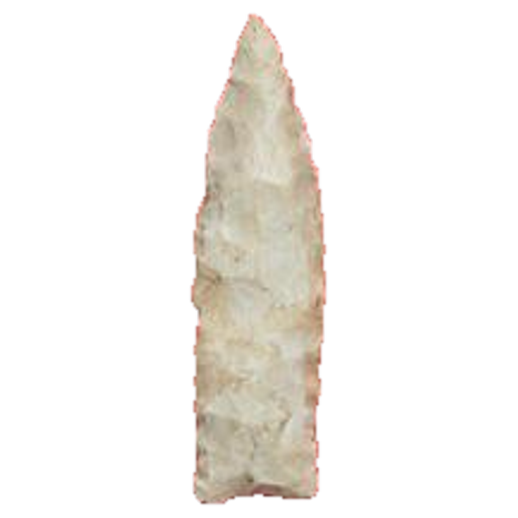 Dalton ColbertTransitional Paleo to Early Archaic10,500 - 8,500 B.P.
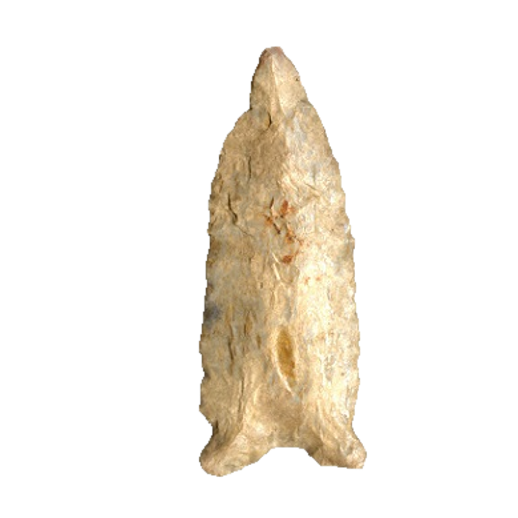 Dalton GreenbrierLate Paleoindian to Early Archaic9,640 ± 450 B.P. (Zone D, Stanfield-Worley Bluff Shelter, Alabama; Cambron and Hulse 1975); about 10,700–9,200 B.P. (12,680–10,400 cal B.P.) for Dalton as a whole (Thulman 2019)
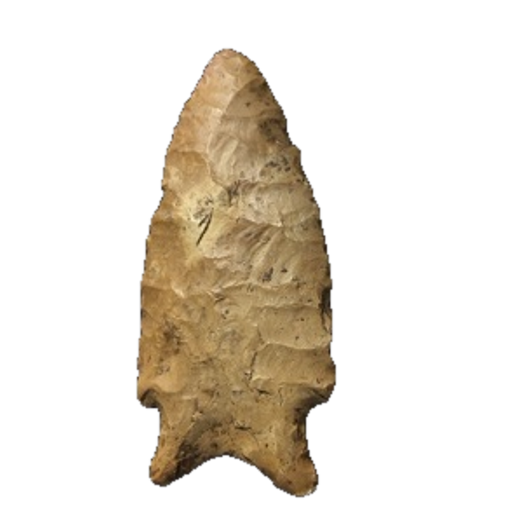 Dalton HemphillTransitional Paleo to Early Archaic10,000 - 8,500 B.P.
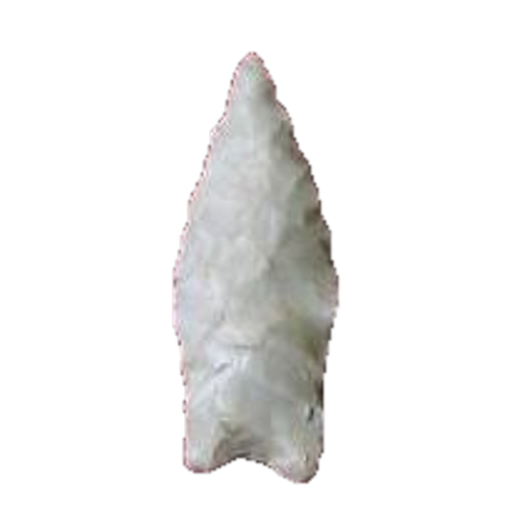 Dalton HempsteadTransitional Paleo10,000 - 8,500 B.P.
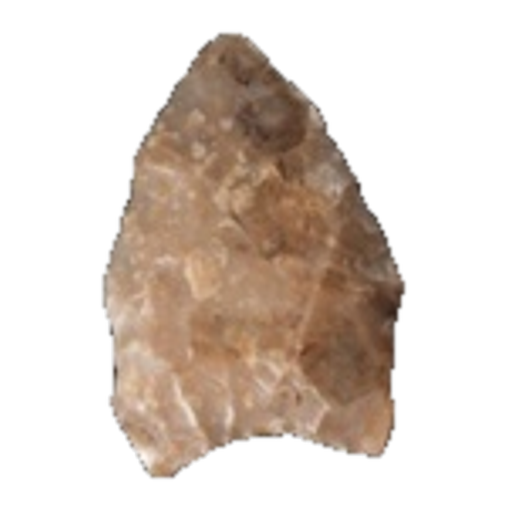 Dalton KisatchieTransitional Paleo10,000 - 9,200 B.P.
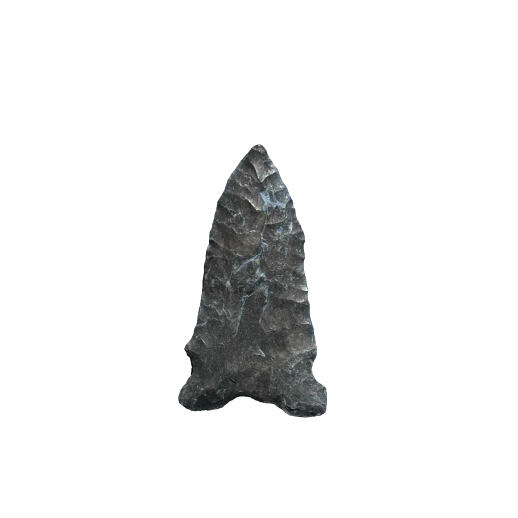 Dalton NuckollsLate Paleoindian10,500–9,900 B.P. for the Dalton period (Morrow, Encyclopedia of Arkansas); 9,640 ± 450 B.P. for Zone D at Stanfield-Worley Bluff Shelter, Alabama, which held 46 Nuckolls examples (Cambron and Hulse 1975)
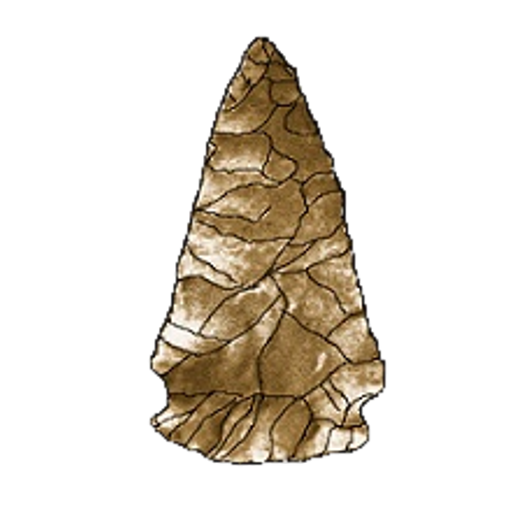 DamronEarly Archaic5,000 - 4,000 B.P.
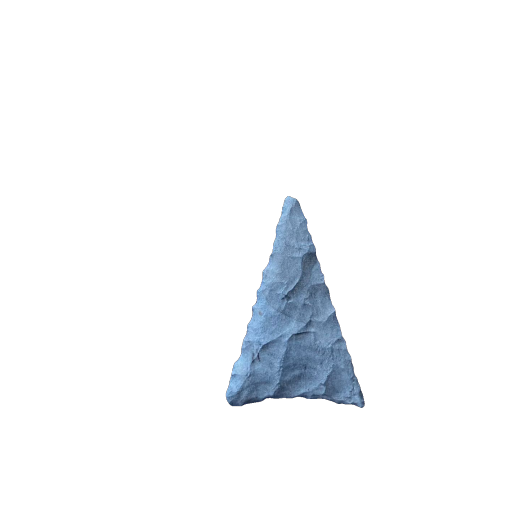 DanielsMississippian500 - 300 B.P.
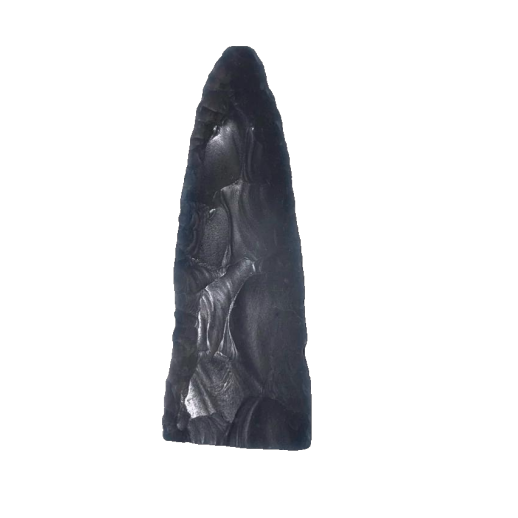 Darl BladeTransitional Archaic2,500 - 1,300 B.P.
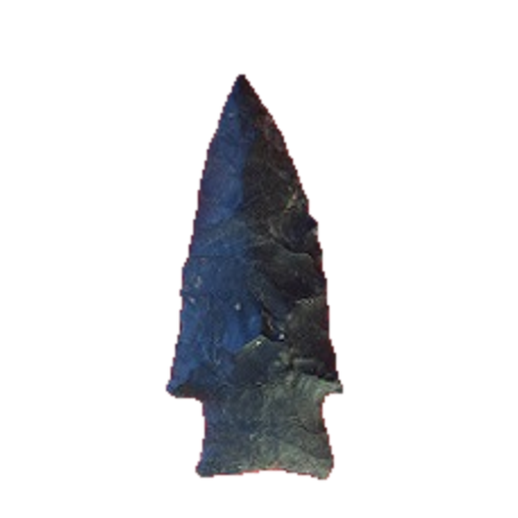 Darl StemmedLate Archaic (Transitional Archaic)1,950–950 B.P. (about the time of Christ to A.D. 1000; Suhm, Krieger and Jelks 1954); after about 1,550 B.P. (A.D. 400) for the smallest Darl forms (Johnson and Goode 1994)
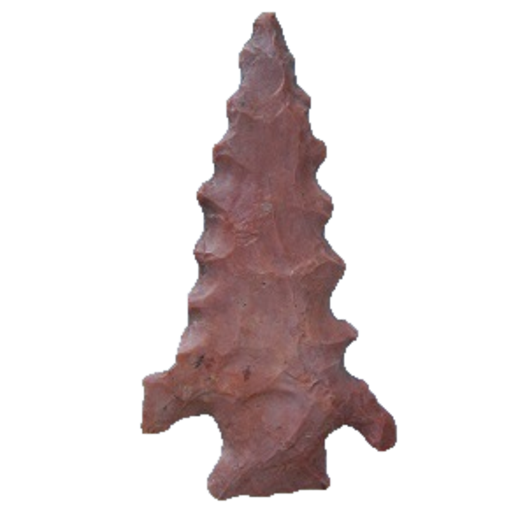 DatilLate Archaic3,600 - 2,300 B.P.
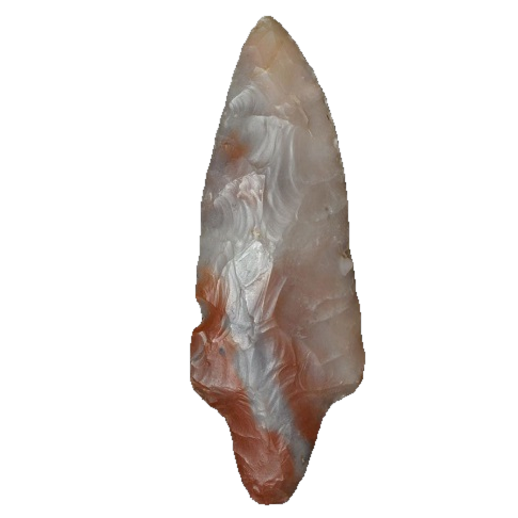 DawsonMiddle Archaic5,000 - 4,000 B.P.
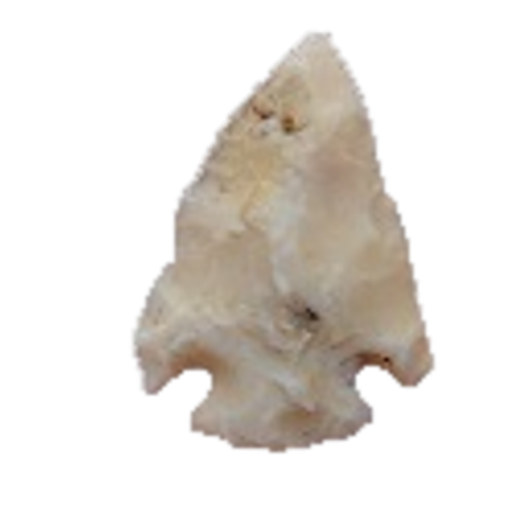 DeadmanDevelopmental to Late Prehistoric1,600 - 700 B.P.
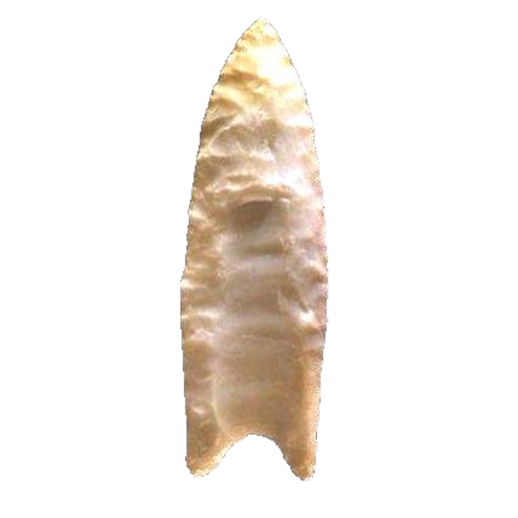 Debert FlutedLate Paleo11,000 - 9,500 B.P.
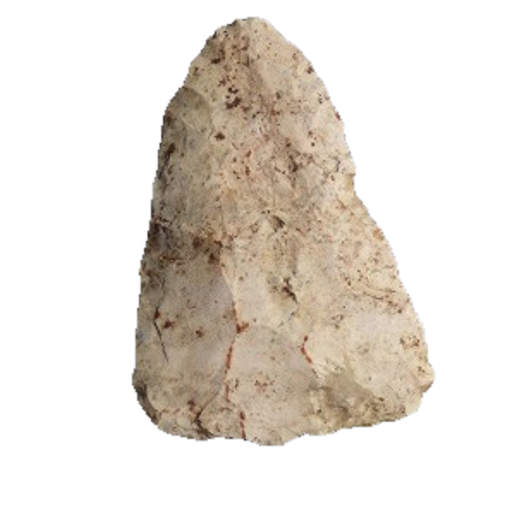 DecaturEarly Archaic9,500 - 8,000 B.P.
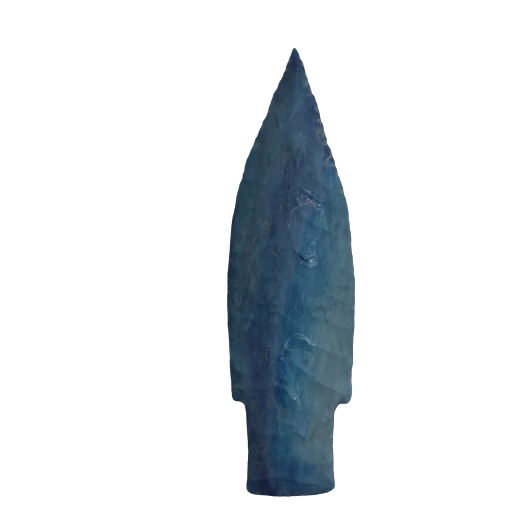 DelphiLate Archaic to Early Woodland3,500 - 2,000 B.P.
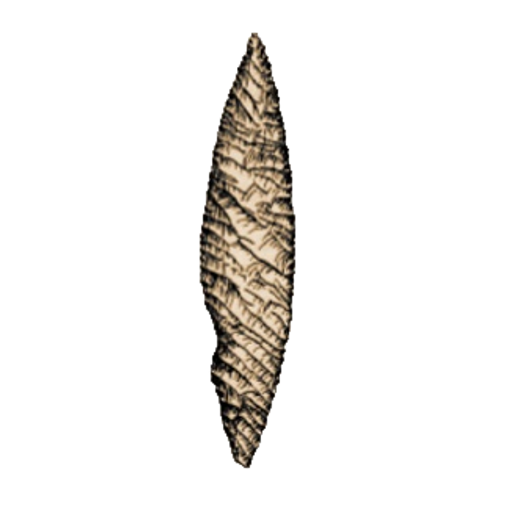 Denbigh6,000 - 4,000 B.P.
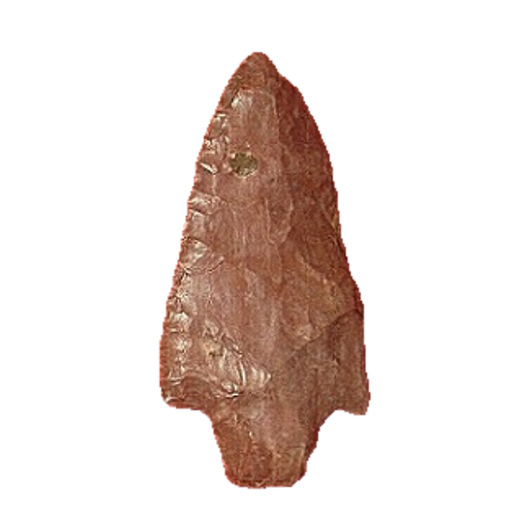 DentonMiddle Archaic6,000 - 5,000 B.P.
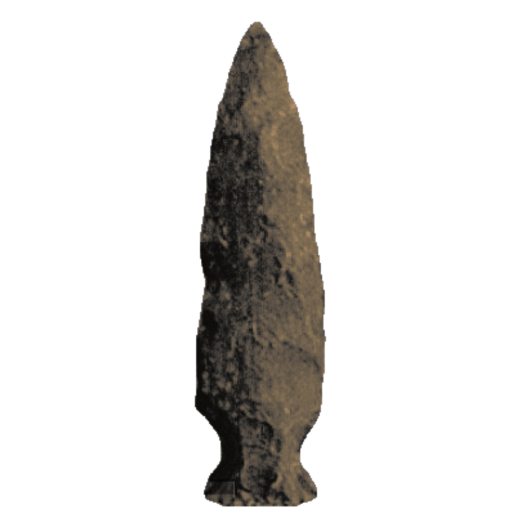 Departure BayLate Archaic to Transitional Archaic2,400 - 1,600 B.P.
- Deptford Check-StampedEarly Woodland to Middle Woodland800 B.C.–A.D. 700; 200 B.C.–A.D. 200 in Florida (Florida Museum)
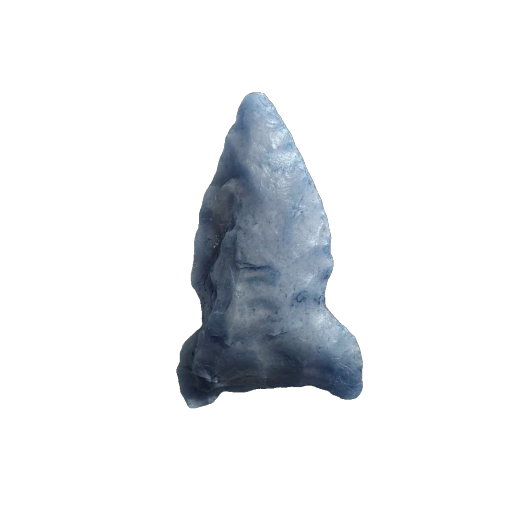 Desert DeltaLate Prehistoric to Historic500 - 200 B.P.
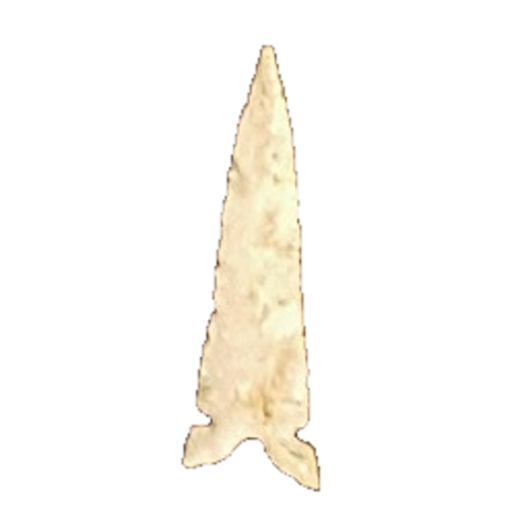 Desert ReddingHistoric400 - 100 B.P.
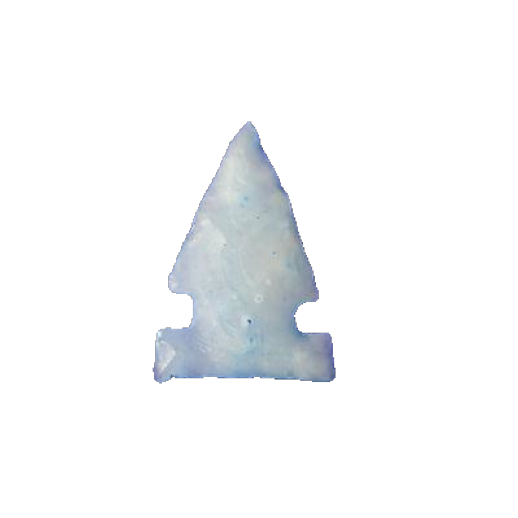 Desert Side NotchLate Prehistoric to HistoricAbout 800–50 B.P. (after A.D. 1150 in the eastern Great Basin, from A.D. 1300 in Monitor Valley, to about A.D. 1900; Thomas 1981; American Southwest Virtual Museum)
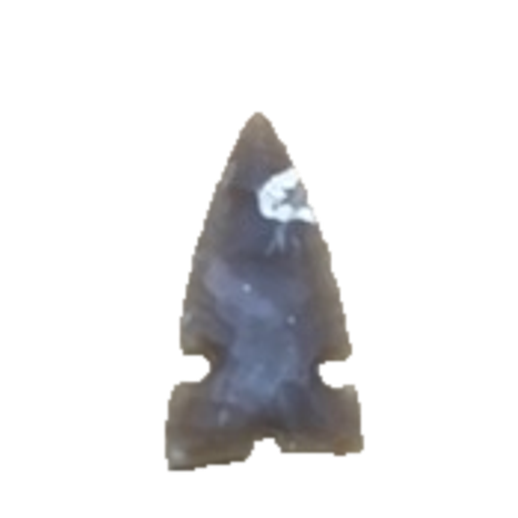 Desert SierraLate Prehistoric to ProtohistoricAbout 650 B.P. into historic times (after A.D. 1300); some estimates start as early as A.D. 1100-1200
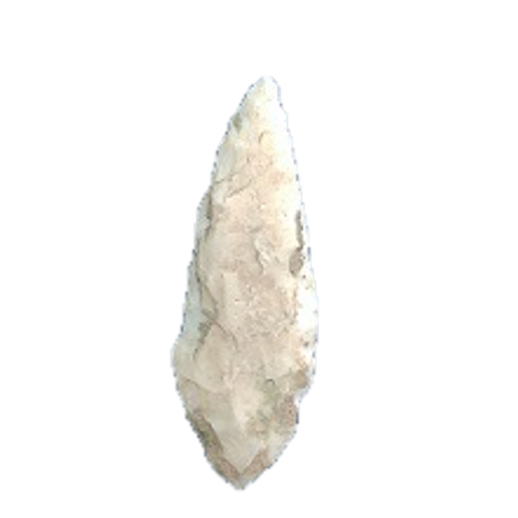 Desmuke DiamondArchaic3,000 - 2,000 B.P.
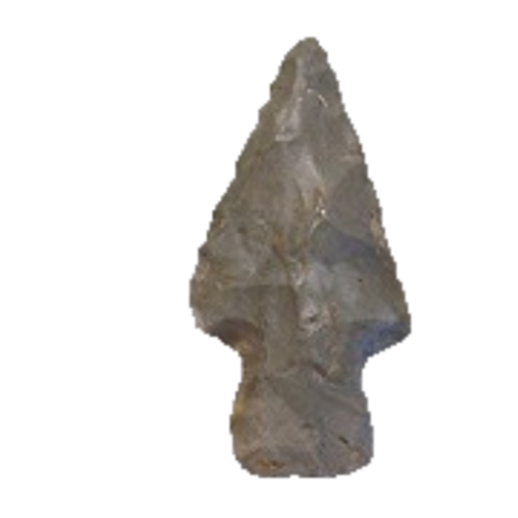 DeWaeleMississippian1,150 - 750 B.P.
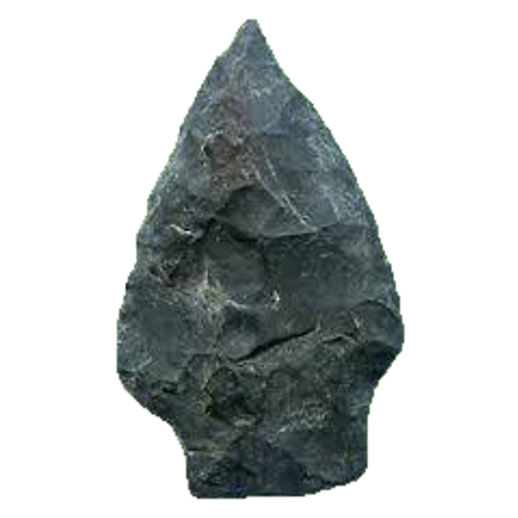 DewartMiddle Archaic5,000 - 4,000 B.P.
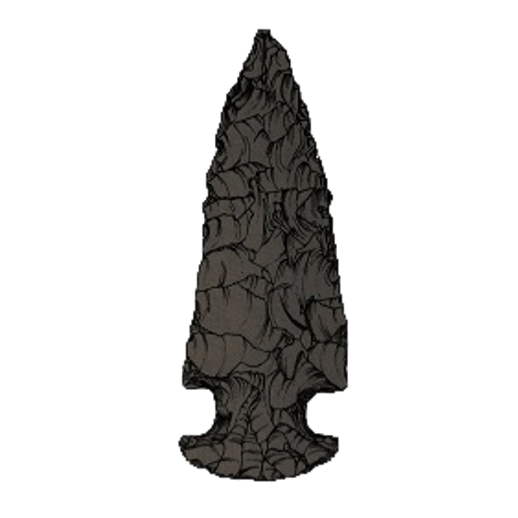 Diablo Canyon Side NotchEarly Archaic to Middle Archaic8,000 - 5,500 B.P.
 Diablo Corner NotchTransitional Archaic2,000 - 1,500 B.P.
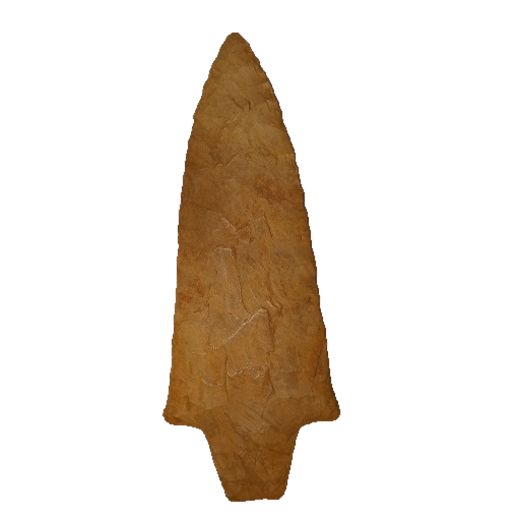 DicksonEarly Woodland to Middle Woodland2,500–1,800 B.P. (contracting-stemmed points, Upper Mississippi Valley; MVAC)
- Discoidal (Chunkey Stone)Late Woodland to ProtohistoricAbout A.D. 600–1800: in the American Bottom by about A.D. 600, elsewhere after about A.D. 1050 (Pauketat, summarized in Paul 2021); the Cahokia style is present at Mound 72 (A.D. 930–1075); the game was still played in the early 1800s (Illinois State Museum).
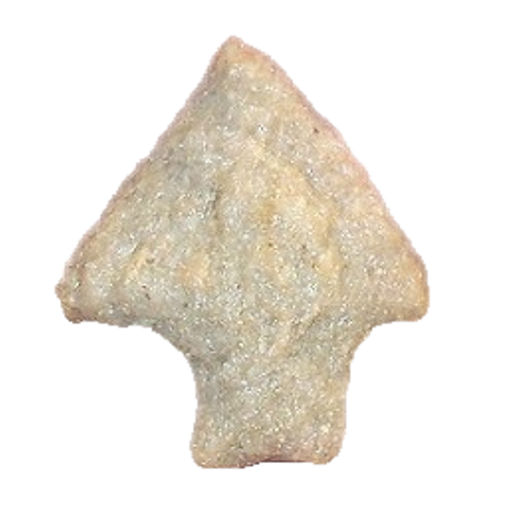 Dismal SwampLate Archaic to Early Woodland3,500 - 3,000 B.P.
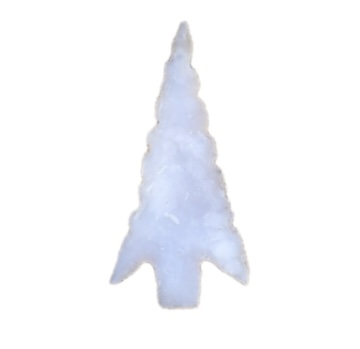 DoloresDevelopmental (Pueblo I to II)1,400 - 1,000 B.P.
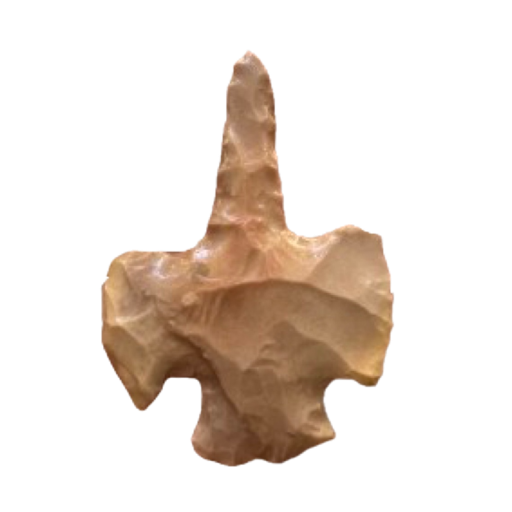 Drill / PerforatorLate Paleoindian to Late PrehistoricAbout 10,700–300 B.P., from Dalton times (Thulman 2019) to the Late Prehistoric Toyah phase of Texas
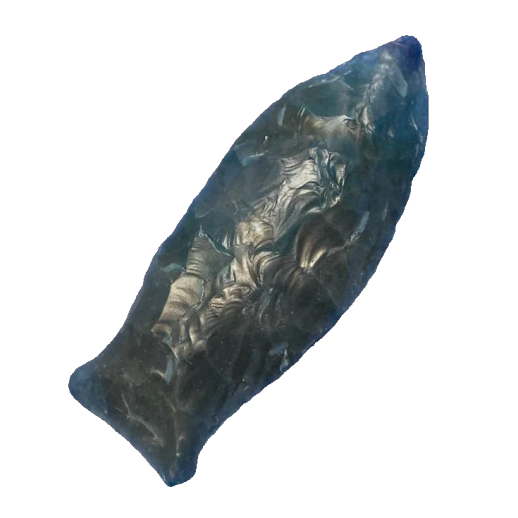 Dry Brook FishtailLate Archaic to Early Woodland3,200 - 2,600 B.P.
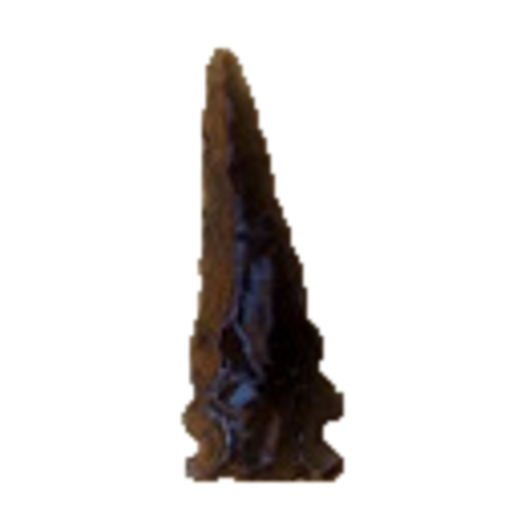 Dry Prong Multiple NotchDevelopmental to Prehistoric1,000 - 850 B.P.
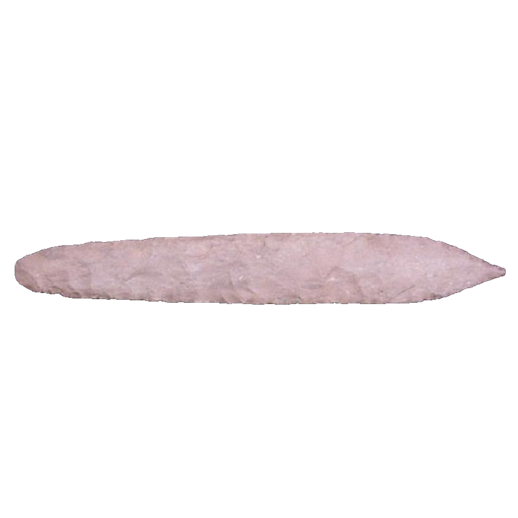 Duck River Ceremonial BladeMississippian1,100 - 600 B.P.
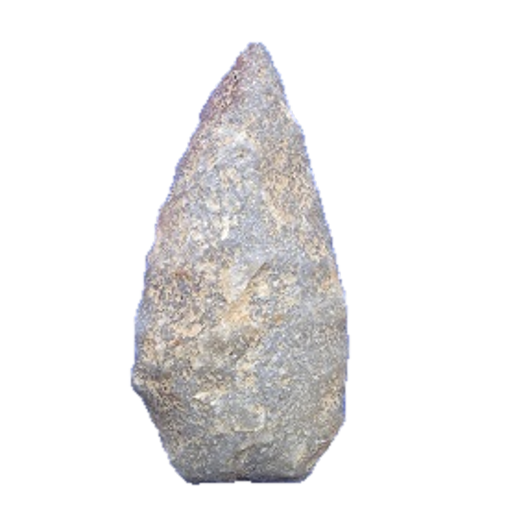 DudleyLate Archaic to Early Woodland3,700 - 2,700 B.P.
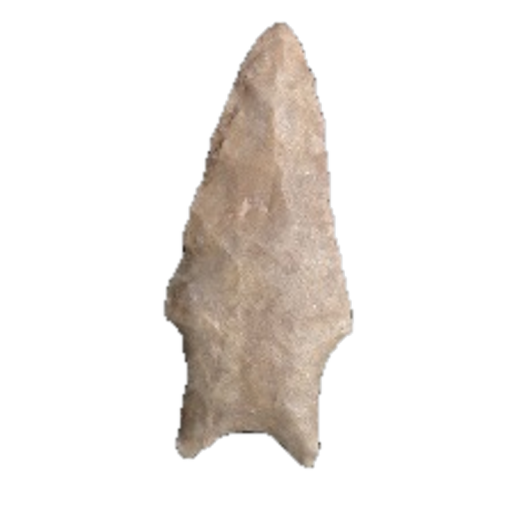 DuncanMiddle Plains Archaic (Middle Prehistoric period)4,200–3,500 B.P. for the McKean complex in Alberta, with Duncan in the middle of the span (Peck 2011); 4,100–3,100 B.P. in Saskatchewan (Saskatchewan Archaeological Society)
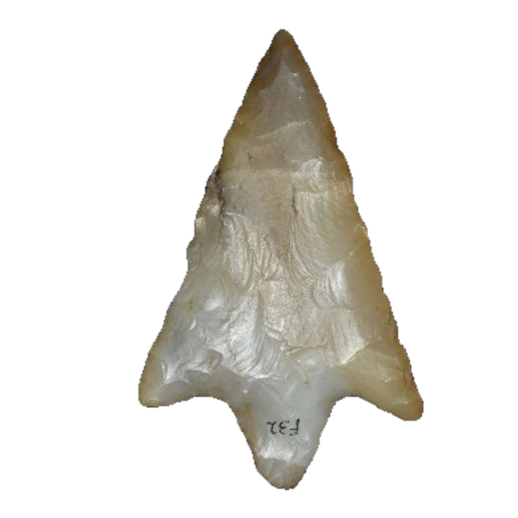 DunnTransitional Archaic2,500 - 1,400 B.P.
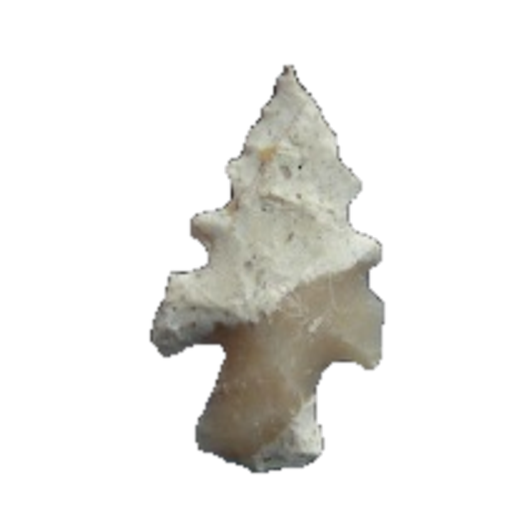 DuranLate Archaic to Transitional Archaic3,000 - 2,000 B.P.
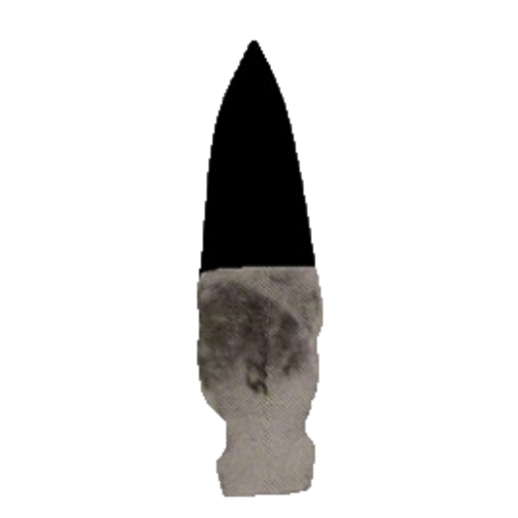 DurangoPreclassic to Classic1,450 - 650 B.P.
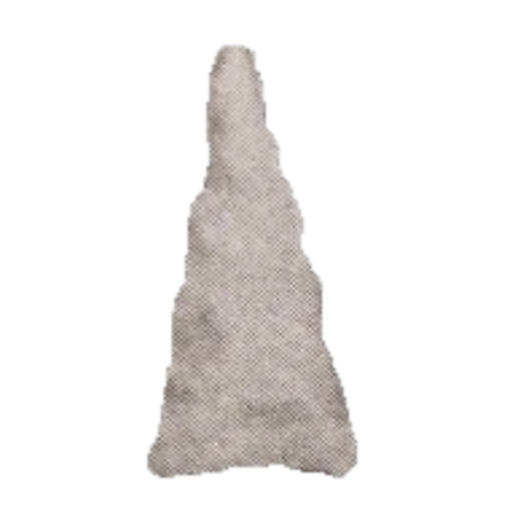 Durango TrianglePreclassic1,450 - 1,050 B.P.
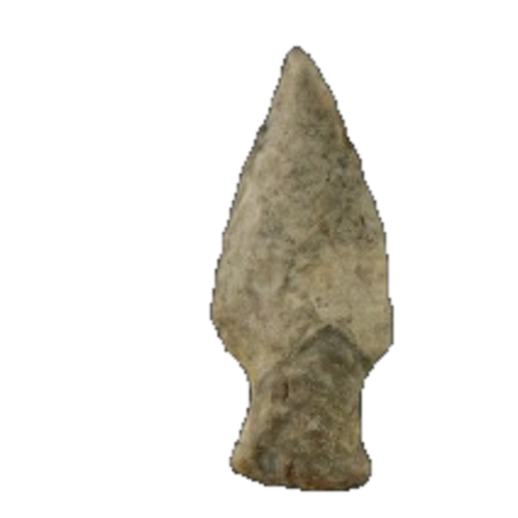 DurstLate Archaic3,500 - 2,500 B.P., centred on about 3,000 B.P.
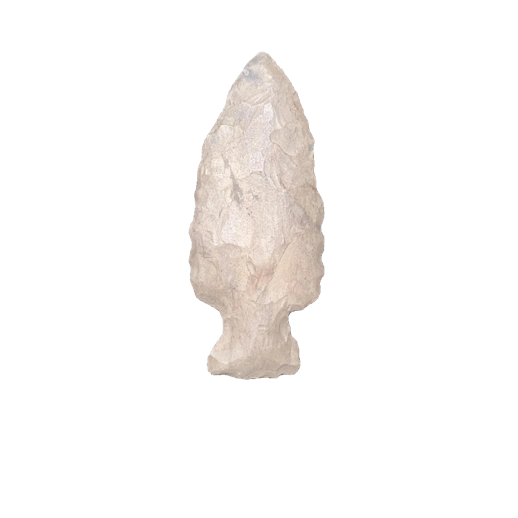 DustinMiddle to Late Archaic5,500 - 3,500 B.P.
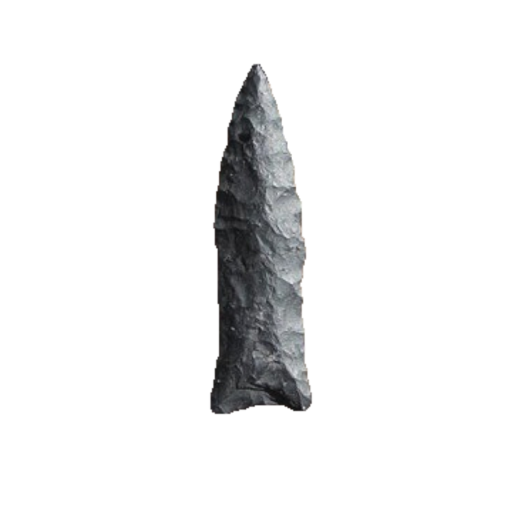 Dutch Fish5,000 - 200 B.P.
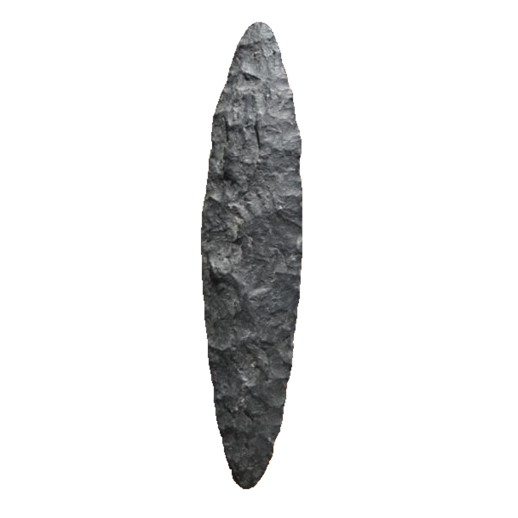 Dutch Harbor Bi-Point5,000 - 200 B.P.
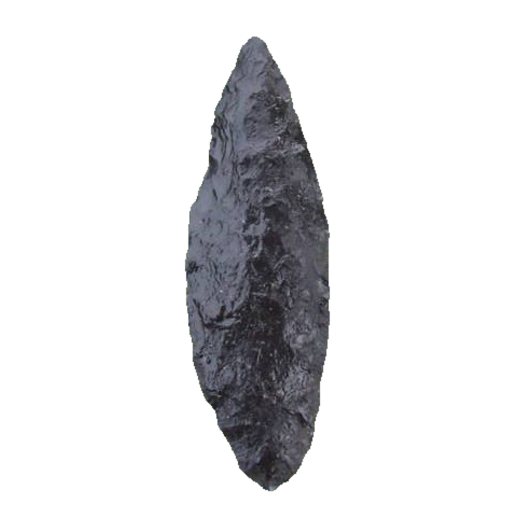 Dutch Harbor Ovoid5,000 - 200 B.P.
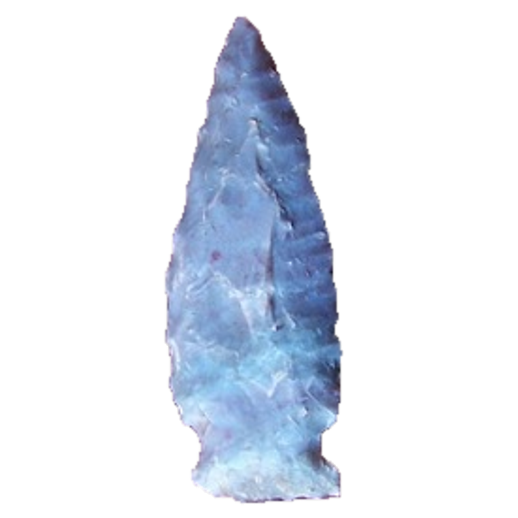 Dutch Harbor Side Notch5,000 - 200 B.P.
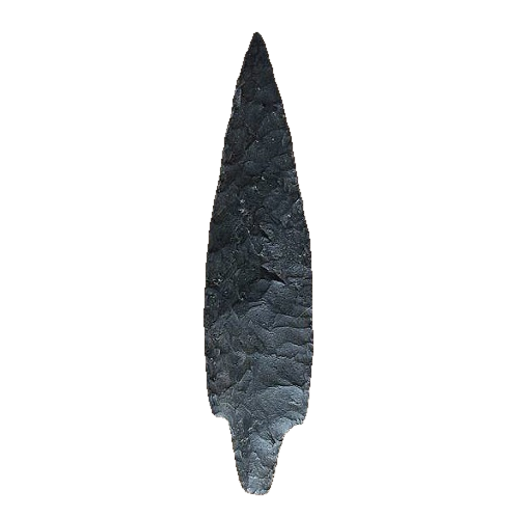 Dutch Harbor Stemmed5,000 - 200 B.P.
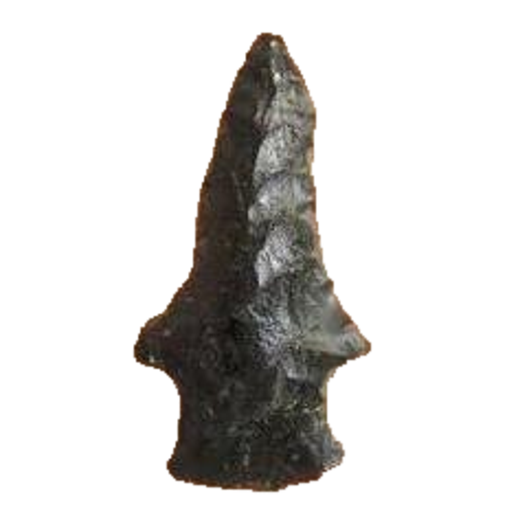 DuvalLate Woodland to Mississippian1,500 - 1,100 B.P.
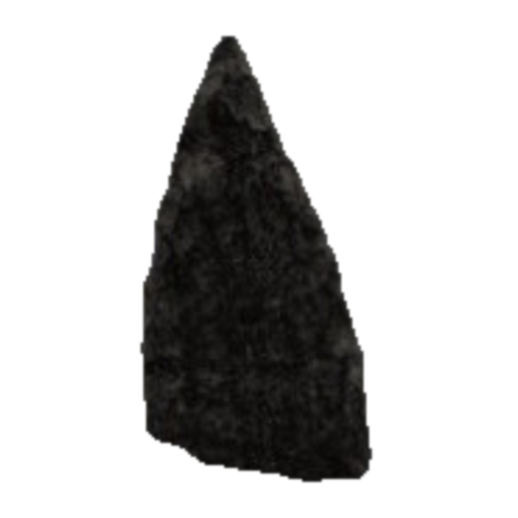 DuwamishPre-Historic1,800 - 1,100 B.P.
E
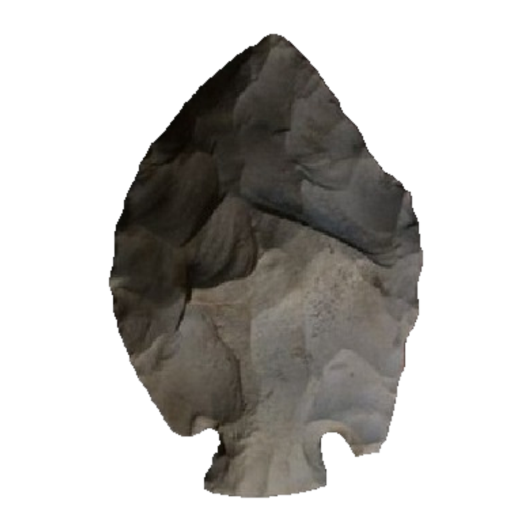 Earbob FerryWoodland3,000 - 2,000 B.P.
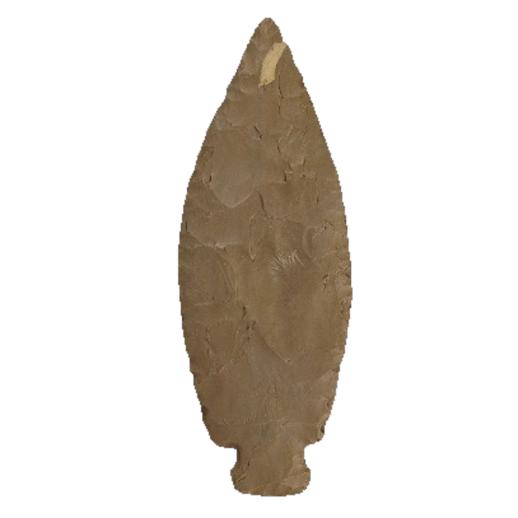 Early Ovoid KnifeTransitional Paleo to Early Archaic11,000 - 8,000 B.P.
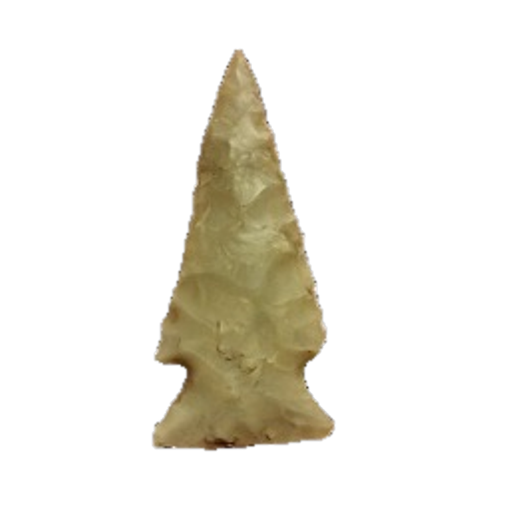 Early StemmedTransitional Paleo to Early Archaic9,000 - 8,000 B.P.
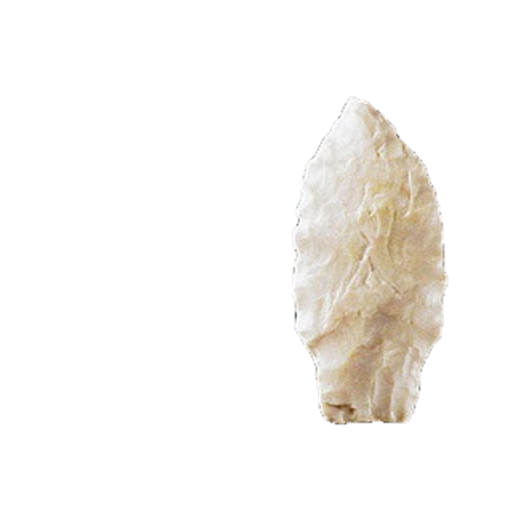 Early Stemmed LanceolateTransitional Paleo to Early Archaic9,000 - 8,000 B.P.
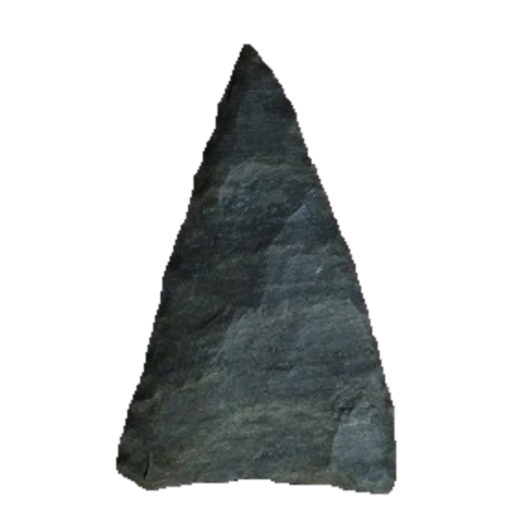 Early TriangularEarly Archaic to Middle ArchaicAbout 6,950–5,950 B.P. (5000–4000 B.C.; Texas Beyond History); 5,900–5,300 B.P. at the McKinzie site, Nueces Bay; about 5,750 B.P. at Spring Lake, San Marcos
- Early Woodland CordmarkedEarly WoodlandAbout 1000–200 B.C.; in Kentucky a few pottery dates fall near or before 1000 B.C., but most are after 600 B.C. (Applegate 2008). Marion Thick is about 2,500 years old (Fort McCoy 2018).
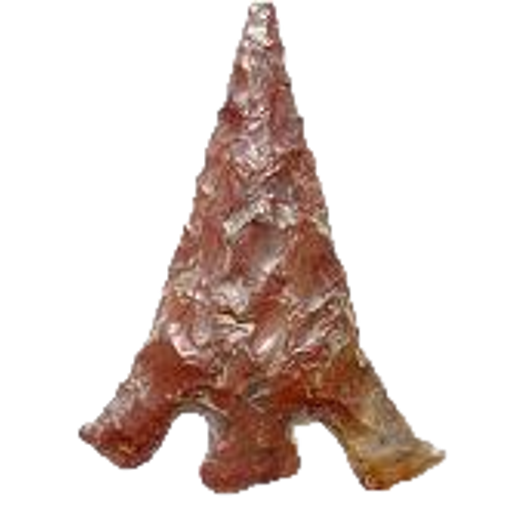 Eastgate BarbedLate Prehistory to Developmental1,500 - 1,100 B.P.
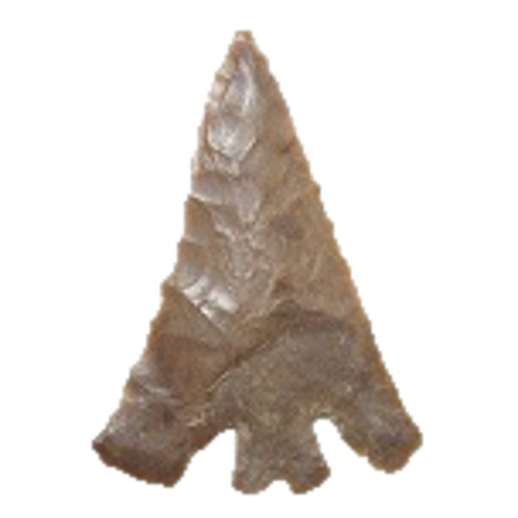 Eastgate Split StemLate Prehistoric1,250–650 B.P. (A.D. 700–1300) for the Rosegate series (Thomas 1981); Eastgate points appear about A.D. 650 or later in the central Great Basin (Schroedl 2025)
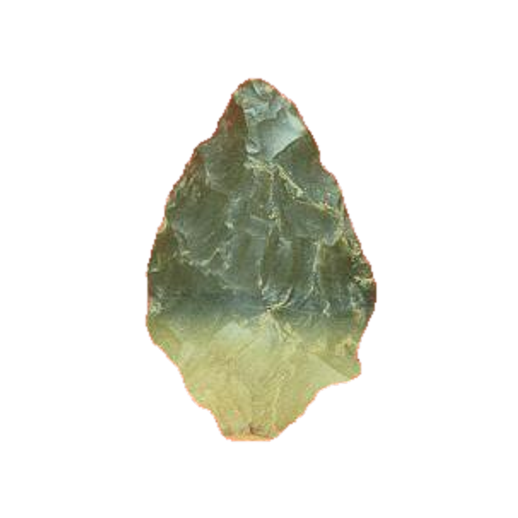 EbenezerWoodland2,000 - 1,500 B.P.
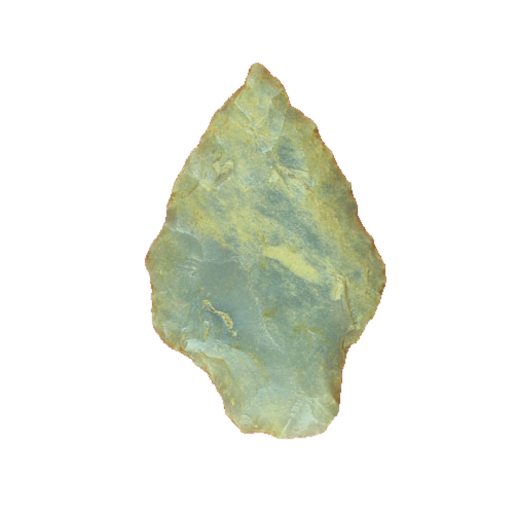 Ebenezer StemmedEarly Woodland to Late Woodland2,000–1,500 B.P. (Cambron and Hulse 1964); radiocarbon date of 2,050 ± 250 B.P. from the Camp Creek midden
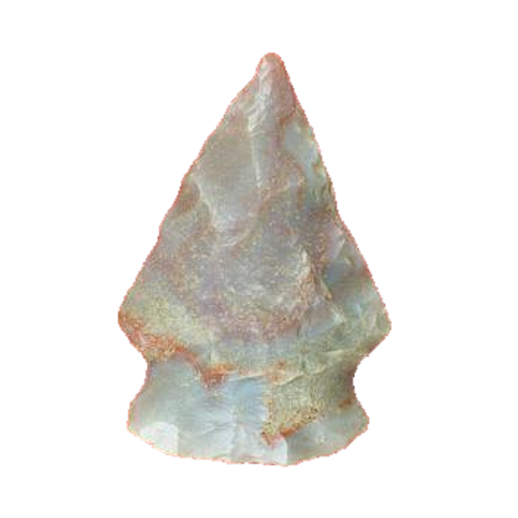 Ecusta NotchedMiddle Archaic7,000 - 5,000 B.P.
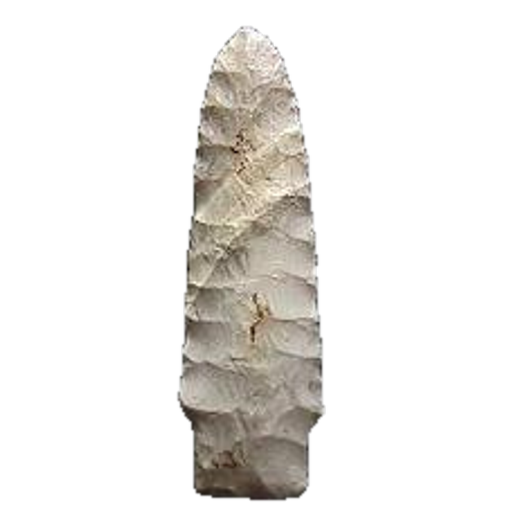 EdenTransitional Paleo to Early Archaic8,750 - 8,350 B.P. (6800-6400 B.C. radiocarbon, Cody complex at Hell Gap)
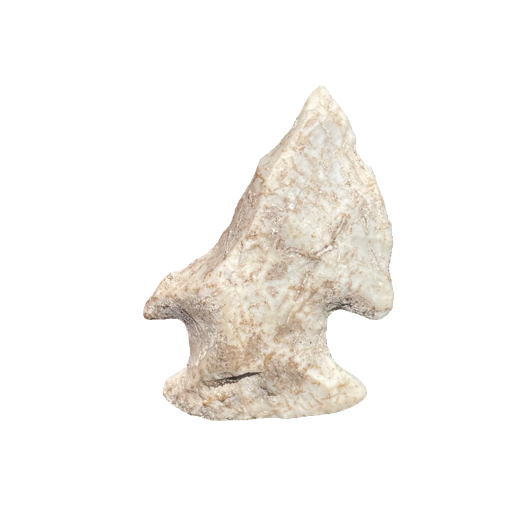 Edgefield ScraperEarly Archaic9,000 - 7,000 B.P.
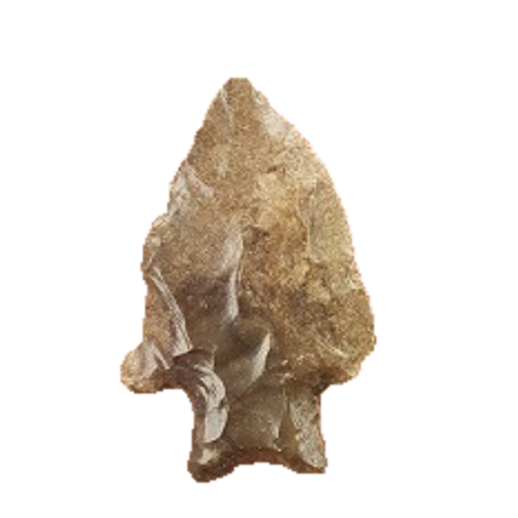 EdgewoodTransitional Archaic to Early Woodland3,000 - 1,500 B.P.
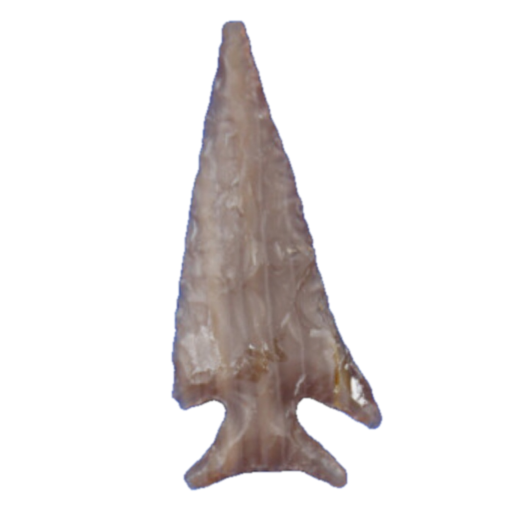 EdwardsLate PrehistoricAbout 1,250–650 B.P. (Austin interval, with Scallorn and Granbury; Handbook of Texas); before A.D. 1000 near San Antonio (City of San Antonio); Benedict (2018) gives 800–400 years ago
- Effigy PipeEarly Woodland to MississippianAdena, about 800 B.C.–A.D. 1 (Bergh 2016); Hopewell, about 50 B.C.–A.D. 300 (Farnsworth et al. 2021); Mississippian, A.D. 1100–1500, with Cahokia figure pipes made in the 12th century (Steponaitis et al. 2019; Emerson et al. 2003).
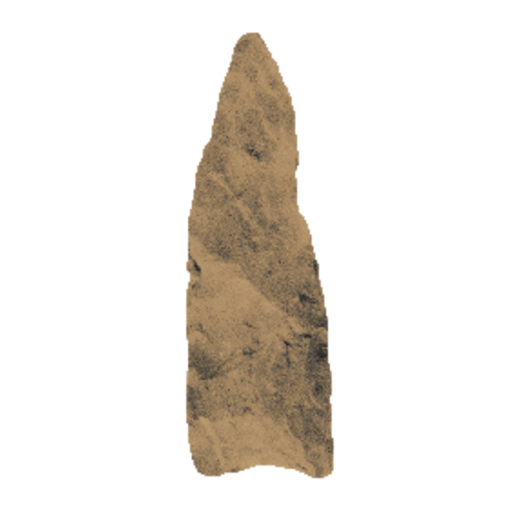 El RiegoTransitional Paleo to Early8,500 - 6,800 B.P.
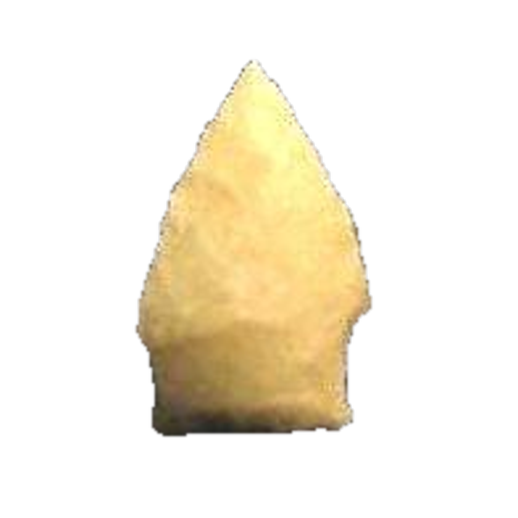 ElamLate Archaic to Transitional Archaic3,000 - 2,000 B.P.
- Elbow PipeMiddle Woodland to Late PrehistoricLate Middle Woodland to Protohistoric: sandstone elbow pipes at the Rogers site, Kentucky, late Middle to early Late Woodland (Applegate 2008); Mississippian pot-effigy elbow pipes A.D. 1100–1500 (Steponaitis et al. 2019); Plains Village examples about A.D. 1200–1500 (Texas Beyond History).
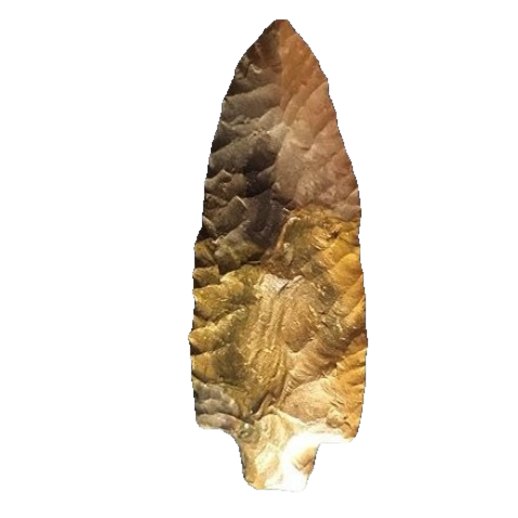 Elk RiverMiddle Archaic to Late ArchaicBefore about 5,000 B.P. (Cambron and Hulse 1975); 5,450–3,950 B.P. (3,500–2,000 B.C.) in Indiana (Jones and Johnson 2003)
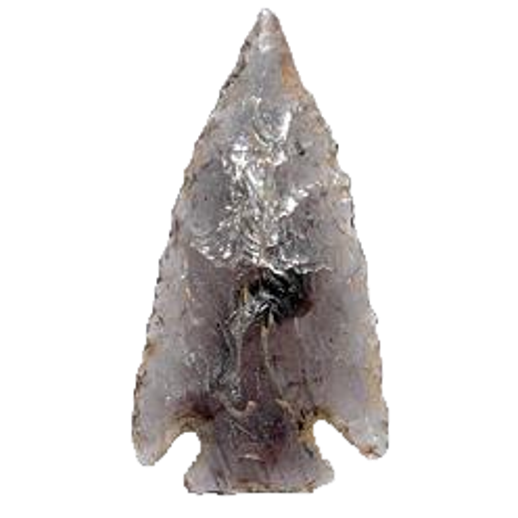 Elko Corner NotchMiddle to Late Archaic (Great Basin)Monitor Valley, Nevada: about 3,250 - 1,250 B.P. (1300 B.C. - A.D. 700). Elko points appear much earlier in the eastern Great Basin, by about 7,500 B.P. (5500 B.C.) at Cowboy Cave and Sudden Shelter, Utah.
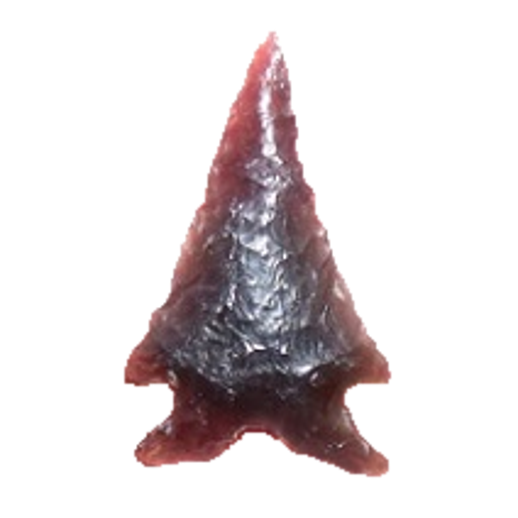 Elko EaredLate Middle ArchaicAbout 4,100 - 3,150 B.P. at first appearance (Late Middle Archaic; varies by subregion)
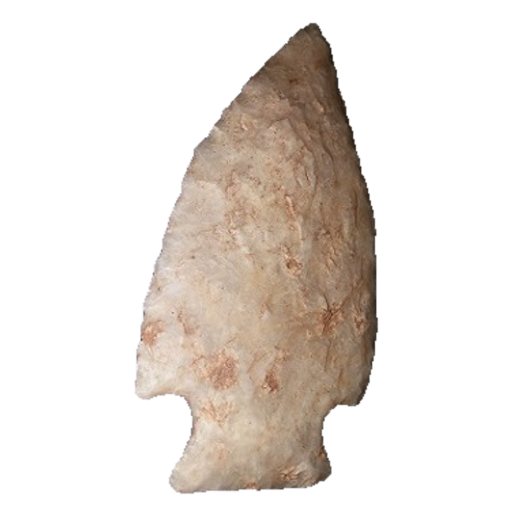 Elko Side NotchLate Middle Archaic to Late Archaic (Great Basin)About 4,000 - 1,500 B.P. for the Elko series in the central and western Great Basin; dates in the eastern Great Basin and Colorado Plateau are less consistent.
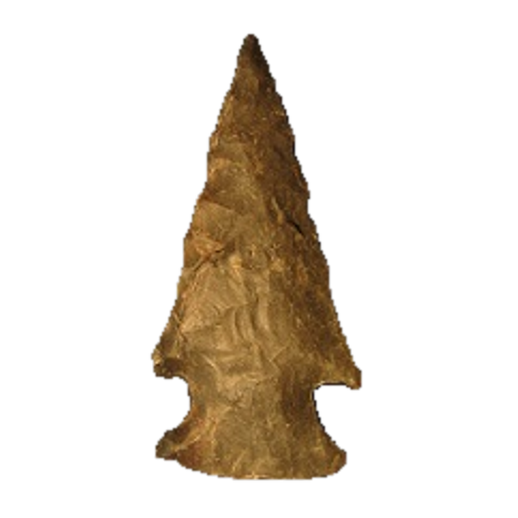 EllisLate Archaic to Early Woodland3,800 - 1,700 B.P.
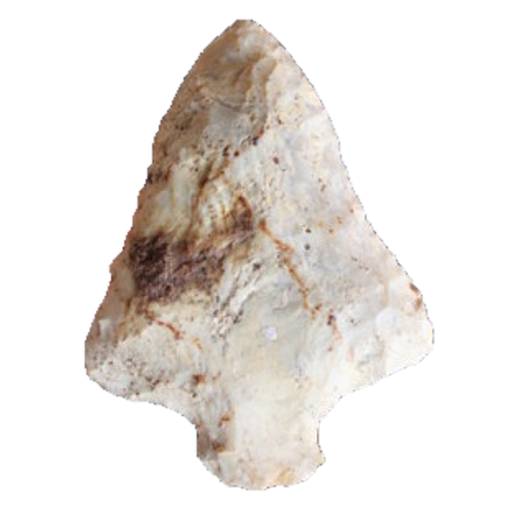 EloraLate Archaic4,800–4,300 B.P. (Whatley 2002); 4,990–4,500 B.P. at site 9DW77, Dawson County, Georgia (Webb 1998, in Whatley 2002); 5,000–3,000 years ago or part of that span (Cambron and Hulse 1975)
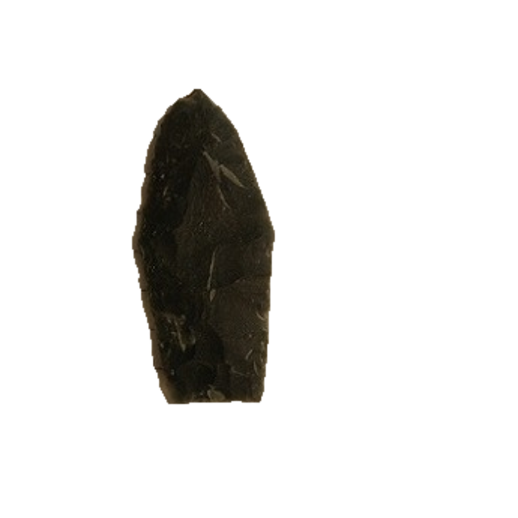 Ely's Ford PentagonalTransitional Paleo to Early Archaic9,500 - 8,500 B.P.
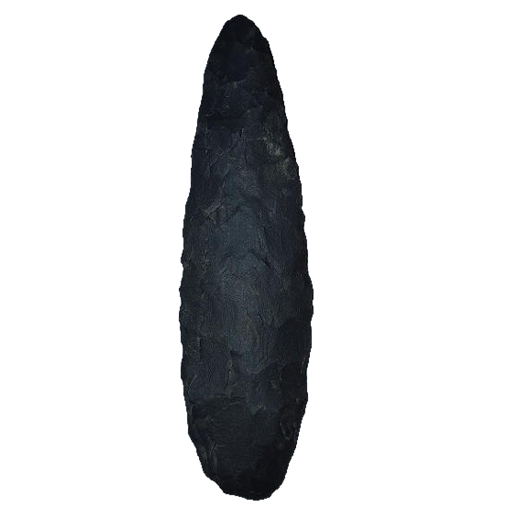 Embarras Bi-PointTransitional Paleo to Middle Archaic7,000–5,000 B.P.
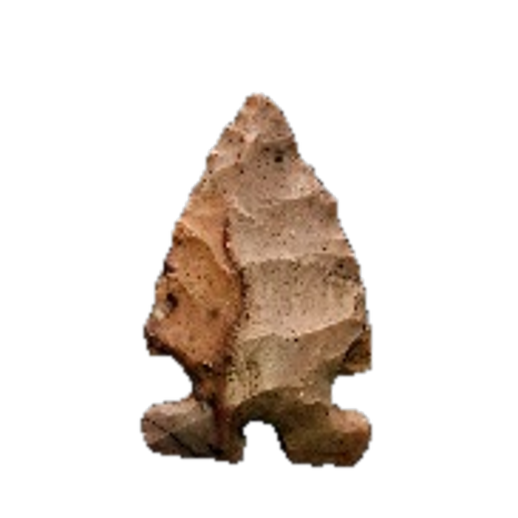 EmigrantHistoric300 - 200 B.P.
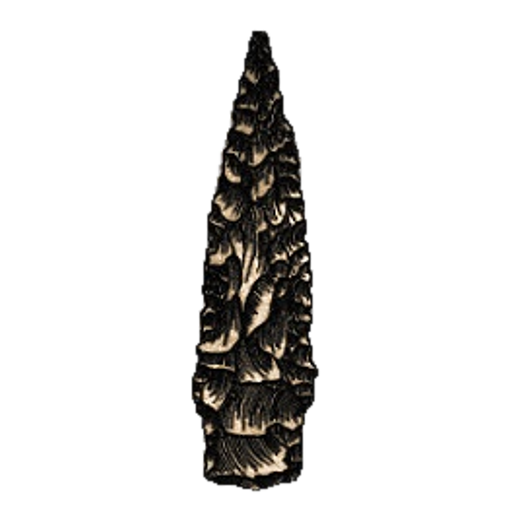 EmpireLate Archaic to Transitional Archaic3,200 - 2,000 B.P.
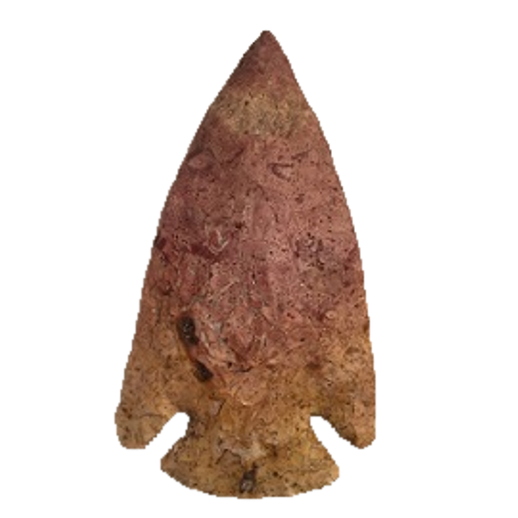 En MedioLate Archaic to Transitional Archaic2,800 - 1,600 B.P.
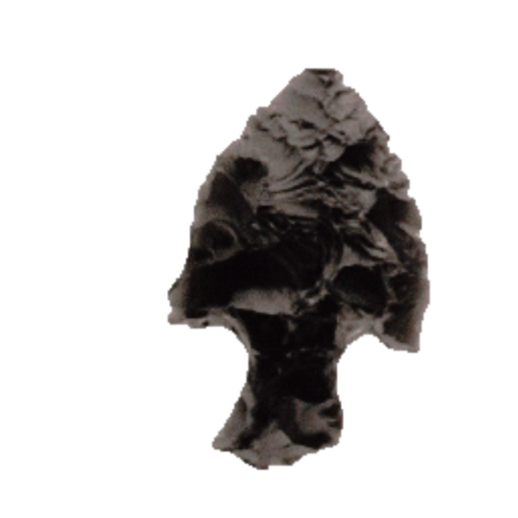 EncinoPrimer to Segundo to Tercer2,000 - 900 B.P.
- Engraved TabletEarly Woodland to Middle WoodlandAbout 500 B.C.–A.D. 200; the elaborate tablets probably date about 200 B.C.–A.D. 200, with dated Adena contexts at Cresap Mound (about 2,200 B.P.) and Wright Mound (1st century B.C. to 3rd century A.D., calibrated) (Caldwell 2014/2015).
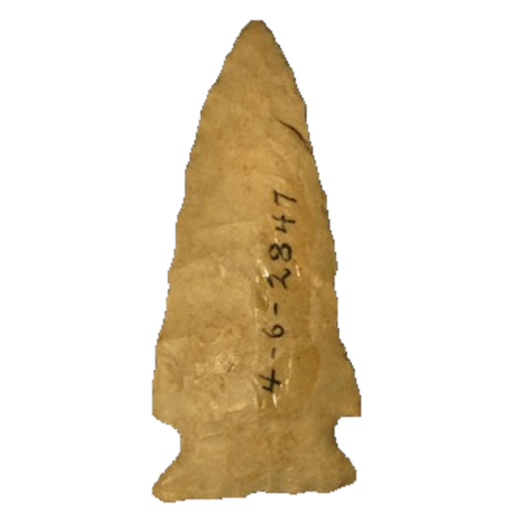 EnsorLate Archaic (Transitional Archaic in Texas)1,750–1,400 B.P. (Twin Sisters phase, central Texas; Texas Beyond History); somewhat older near Waco
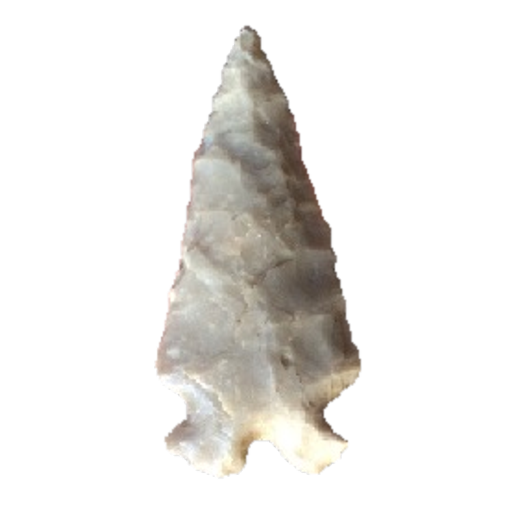 Ensor Split BaseLate Archaic to Transitional ArchaicAbout 4,000 - 1,000 B.P. (for Ensor points generally; 2000 B.C. to A.D. 500-1000)
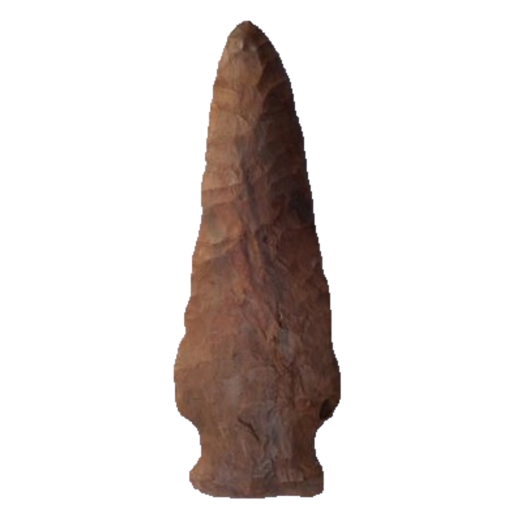 EppsLate Archaic to Early Woodland3,300 - 2,200 B.P.
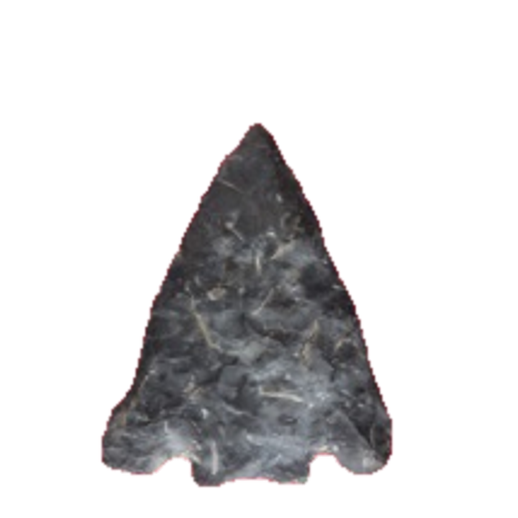 ErbLate Woodland2,000–1,200 B.P.
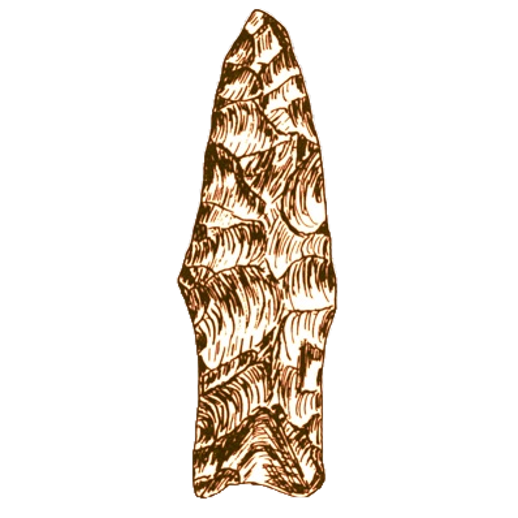 EscobasEarly Archaic6,000–5,000 B.P. (Bajada series; possible range 7,000–4,000 B.P.)
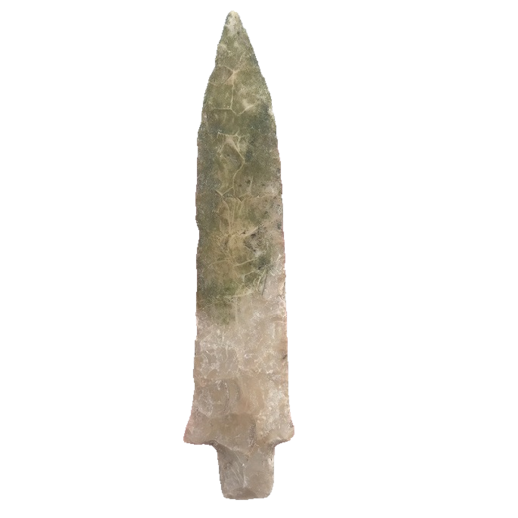 EtleyLate Archaic4,150–3,900 B.P. (Titterington phase); possibly to about 3,600 B.P. at Big Eddy, Missouri (Ray n.d.)
- Etowah Complicated StampedMississippian (Etowah period)A.D. 1000–1200: Early Etowah phase A.D. 1000–1100 and Late Etowah phase A.D. 1100–1200 (King 2001, after Hally and Langford 1988)
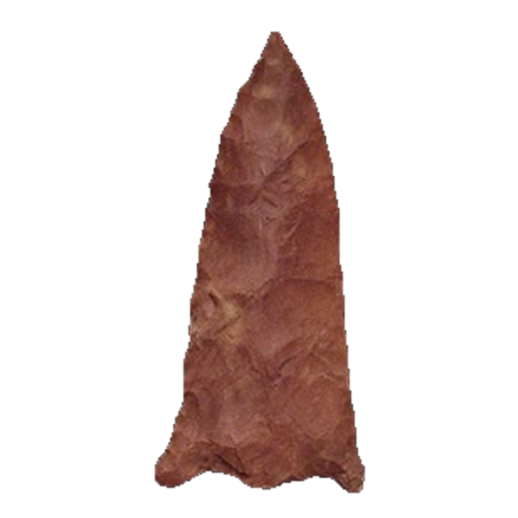 EvaEarly ArchaicAbout 7,200 B.P. (radiocarbon, Eva site, Tennessee; Cambron and Hulse 1975)
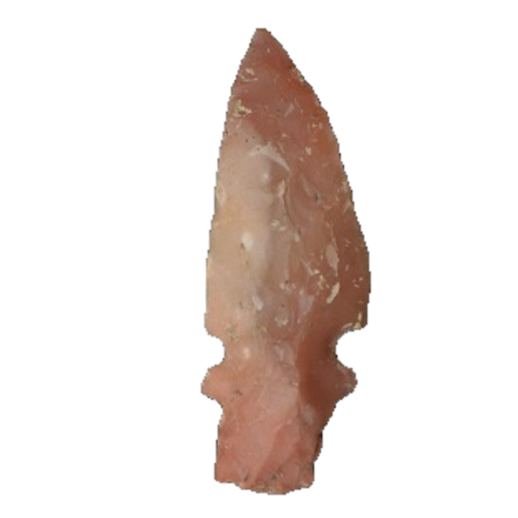 Evans Double NotchMiddle Archaic to Early Woodland5,350–3,000 B.P.; the earliest dates, about 3400–2800 B.C., come from Evans culture sites in northeastern Louisiana (Saunders 2020), while Ford and Webb (1956) suggested only about 2,800–2,600 years ago from Poverty Point and Jaketown radiocarbon dates
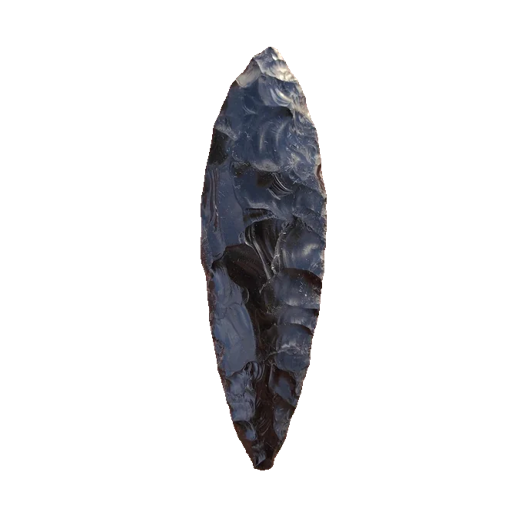 ExcelsiorTransitional Archaic3,000 - 1,500 B.P.
F
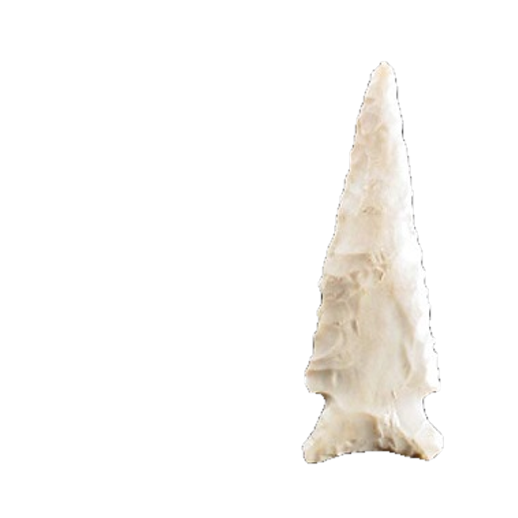 FairlandLate Archaic (Transitional Archaic)2,950–1,450 B.P. (1000 B.C.–A.D. 500 or part of it; Suhm, Krieger and Jelks 1954); about 2,550–1,350 B.P. for the Ensor–Frio–Fairland subperiod (600 B.C.–A.D. 600; Johnson and Goode 1994)
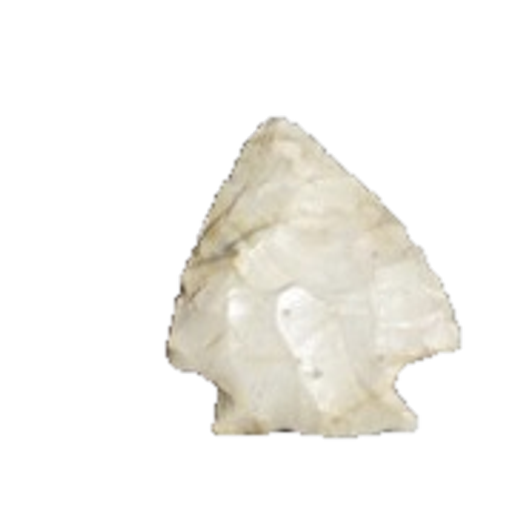 FeeheleyMiddle Archaic to Late Archaic5,000 - 3,000 B.P.
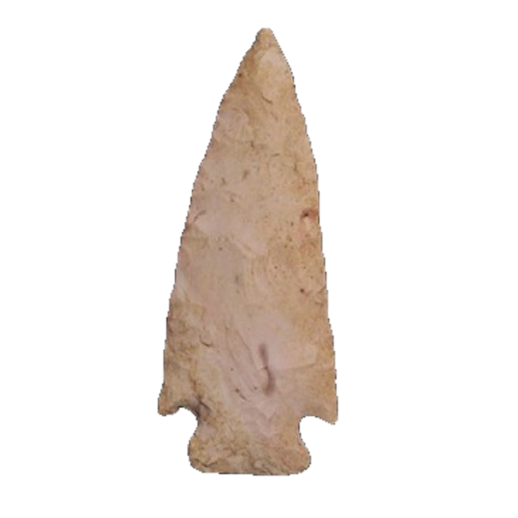 FerryMiddle Archaic5,500 - 4,500 B.P.
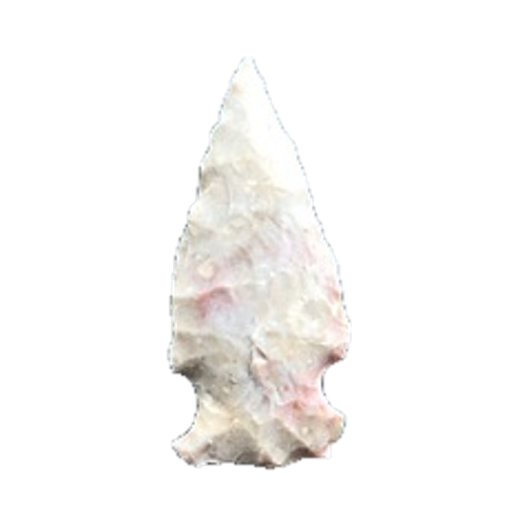 FigueroaTransitional Archaic2,200 - 1,300 B.P.
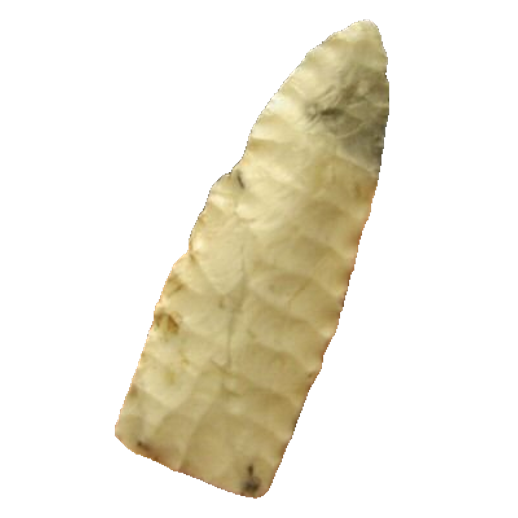 FirstviewTransitional PaleoAbout 9,400 radiocarbon years B.P. at the type site: seven AMS dates on bison bone from Olsen-Chubbuck run from 9,290 to 9,480 B.P. (Holliday, Johnson and Stafford 1999), in line with the Cody complex. Wheat's earlier date of about 10,150 B.P. on hoof collagen fits less well with other Cody complex dates.
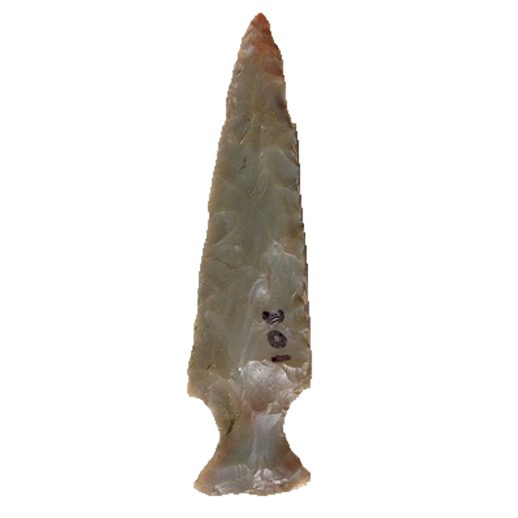 FishspearLate Woodland1,500 - 1,300 B.P.
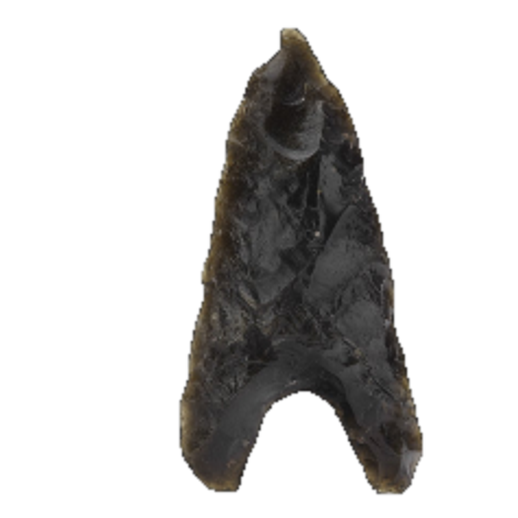 FlaccoEarly Archaic to Middle Archaic6,800 - 4,000 B.P.
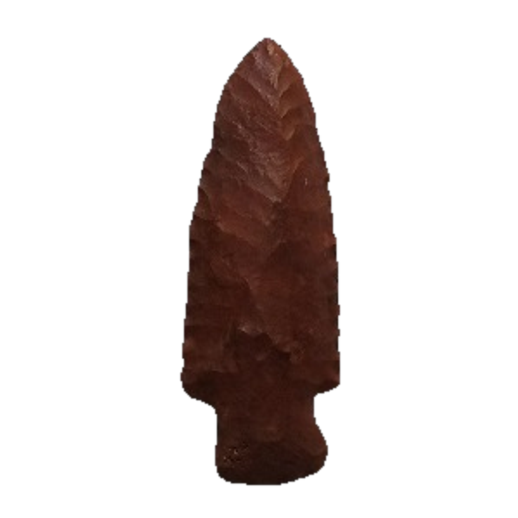 Flint CreekLate Archaic to Early Woodland3,000 - 2,100 B.P. (Late Archaic to Early Woodland; the handbook gives no calendar dates, so these figures are carried over from the earlier record)
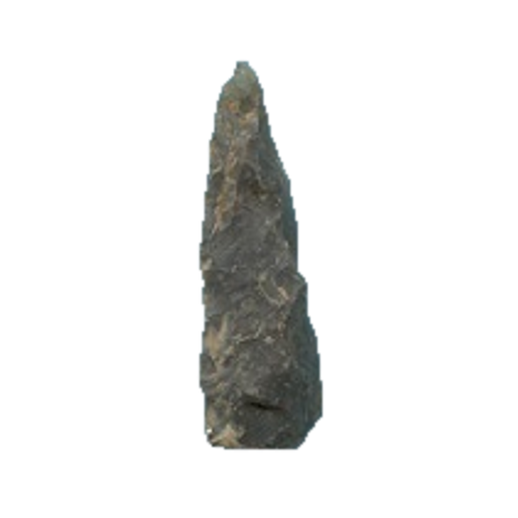 Flint River SpikeLate Woodland1,800–1,300 B.P.
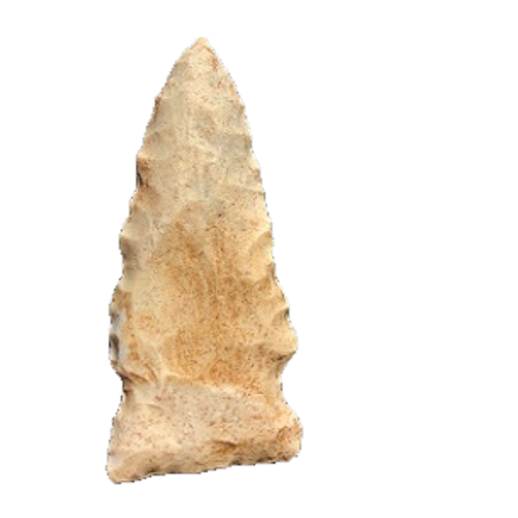 Florida GreenbrierLate Paleoindian9,000 - 7,000 B.P.
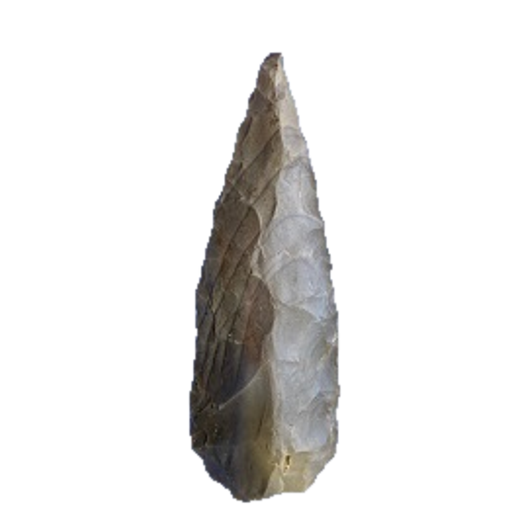 Florida SpikeMiddle Archaic to Late Woodland1,800 - 1,300 B.P.
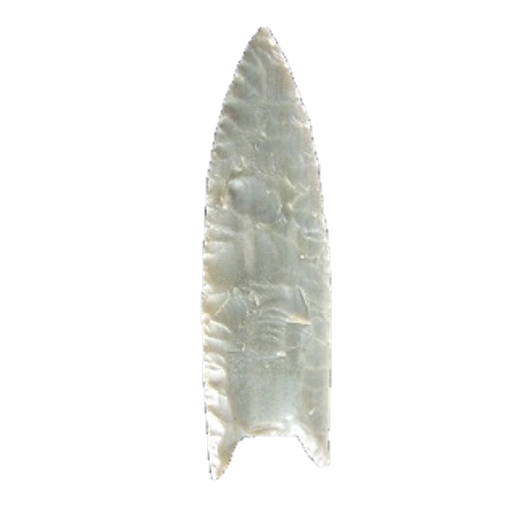 Folsom FlutedPaleoindian10,900–10,200 B.P. (Peck 2011); 11,000–10,500 B.P. in Saskatchewan (Saskatchewan Archaeological Society)
- Folsom PreformPaleoindian10,800–10,200 B.P. (radiocarbon years; about 12,900–11,900 calendar years ago) for Folsom in the Big Bend region (Seebach)
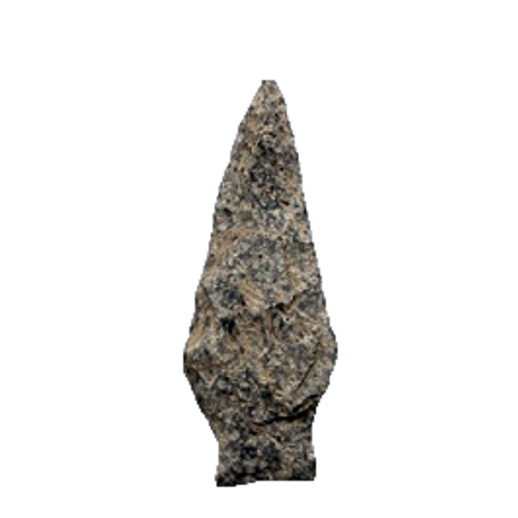 ForestEarly Woodland3,100 - 2,500 B.P.
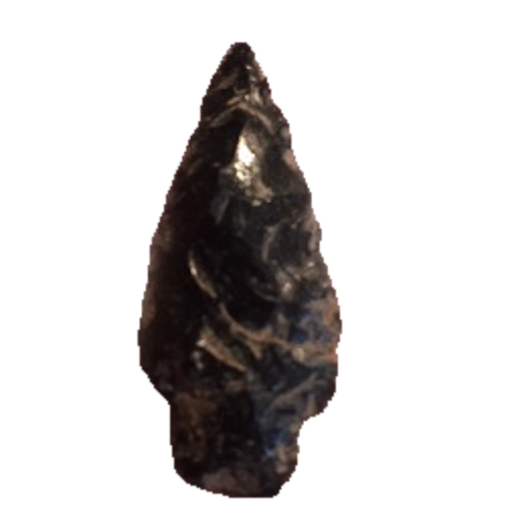 ForesthillLate Archaic to Transitional Archaic3,500 - 1,500 B.P.
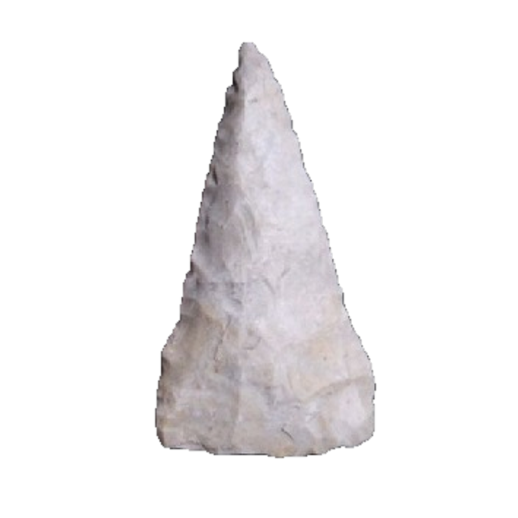 Fort Ancient BladeLate PrehistoricAbout 1,050–450 B.P. (A.D. 900–1500; Ohio History Connection)
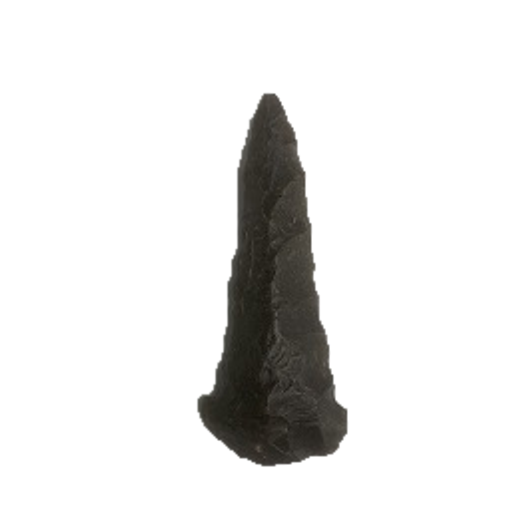 Fort Ancient TriangleMississippian750–350 B.P. (A.D. 1200–1600; Bell 1960); Fort Ancient period A.D. 1000–1700 (Hinkelman 2018)
- Fort Walton IncisedMississippianA.D. 900–1500 (Florida Museum). At Lake Jackson it occurs in the early Fort Walton phase (about A.D. 1050–1150) and is prominent in Lake Jackson III, about A.D. 1400–1500 (Payne 1994, in Marrinan and White 2007).
- Foster TrailedLate CaddoAbout A.D. 1400–1700: Texarkana phase (about A.D. 1400/1450 to the late 1600s) and Belcher phase (about A.D. 1500–1680), with some after 1680 (Perttula and Selden 2014); McKinnon (2011) gives A.D. 1400–1680.
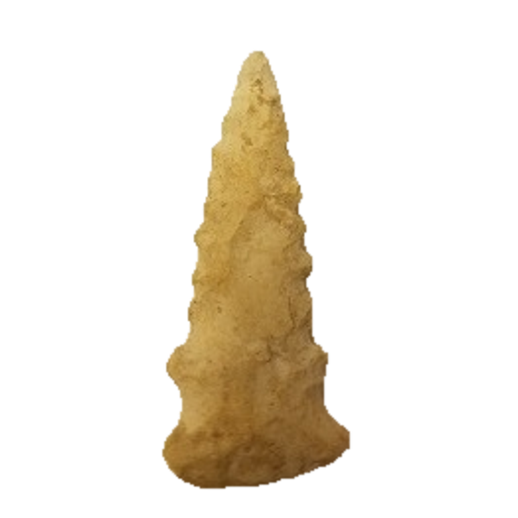 Fountain CreekEarly Archaic9,000 - 7,000 B.P.
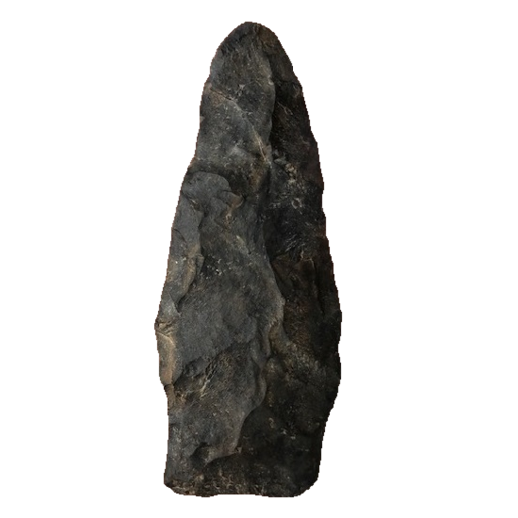 Fox CreekMiddle WoodlandAbout 1,590–1,500 B.P.: A.D. 360 ± 100 at the Fredenburg site and A.D. 410 ± 80 and 450 ± 80 at the Westheimer site, New York (Funk 1968)
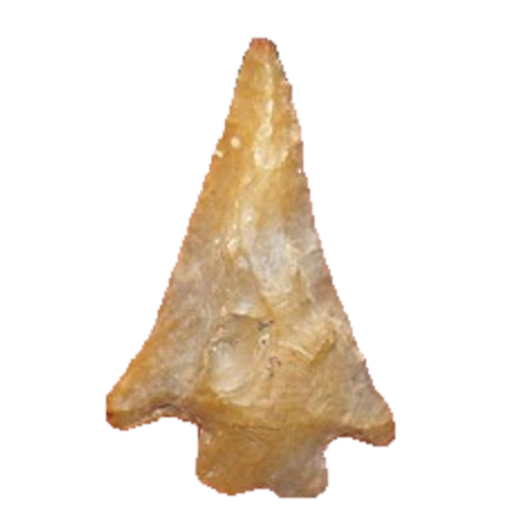 Fox ValleyEarly Archaic8,200 - 7,800 B.P.
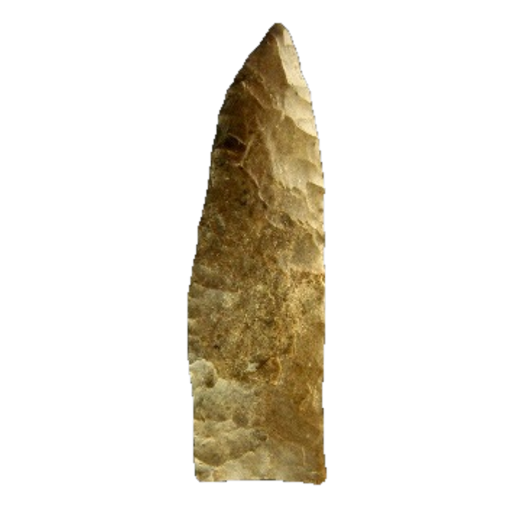 FrazierMiddle Paleo to Late Archaic3,500 - 1,800 B.P.
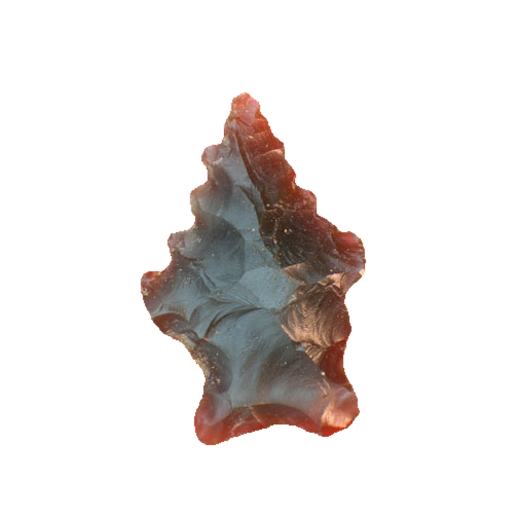 Frederick BifurcatedEarly Archaic9,000 - 7,000 B.P.
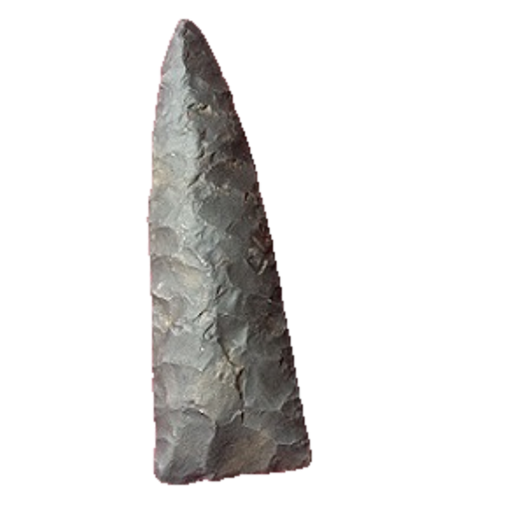 Fredrick LanceolateEarly Archaic9,500 - 8,500 B.P.
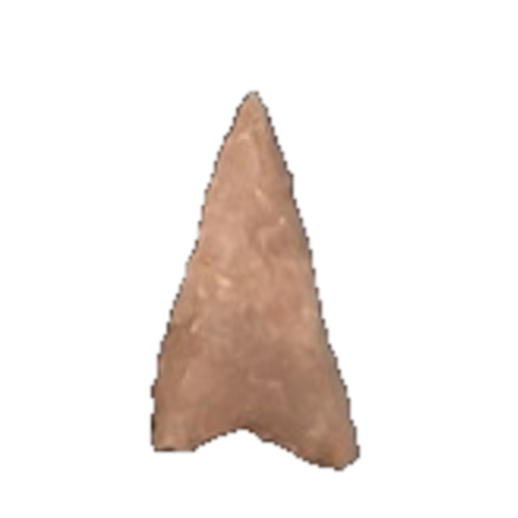 FresnoLate Prehistoric (Neo-American stage in Texas), continuing into the Historic periodAbout 1,150 - 350 B.P. (roughly A.D. 800 or 900 to 1600 or later in Suhm and Krieger 1954)
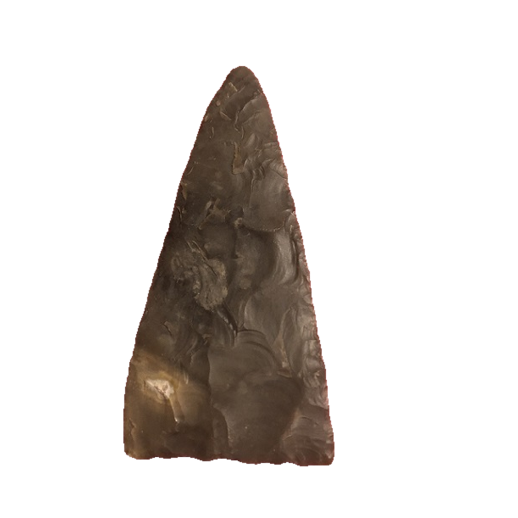 Friday Bi-FaceLate Prehistoric1,250–650 B.P. (A.D. 700–1300; Austin Phase, central Texas; Prewitt 1981)
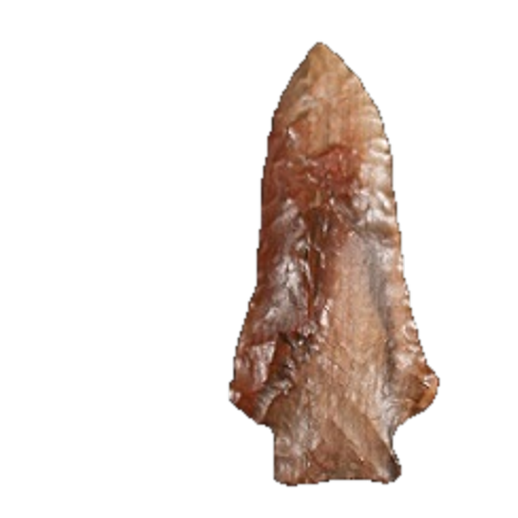 FrileyLate Woodland1,300–900 B.P.; among the earliest arrow point styles at East Texas Caddo sites, about A.D. 700–900 (Perttula and Marceaux 2018)
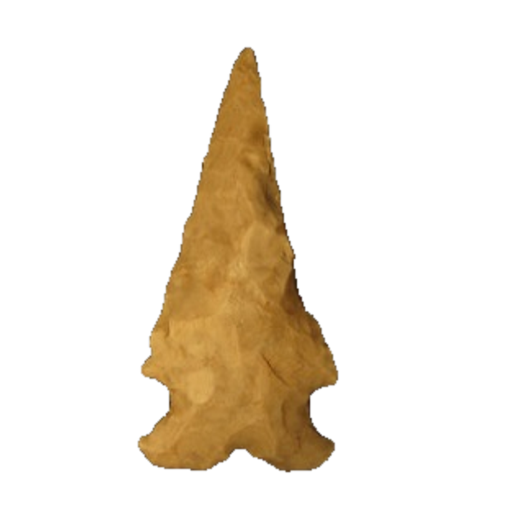 FrioTransitional Archaic2,300–1,300 B.P. (Lower Pecos Blue Hills subperiod, Texas Beyond History)
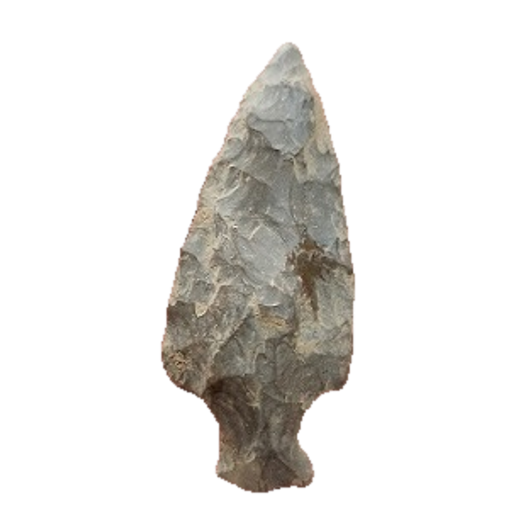 Frost IslandLate Archaic to Early Woodland3,200 - 2,500 B.P.
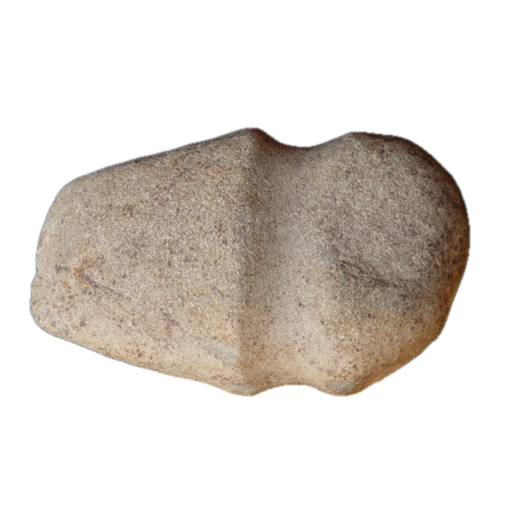 Full-Groove AxeMiddle Archaic to Late Archaic, locally into Early Woodland4,950–2,950 B.P. for Late Archaic examples in North Carolina (3000–1000 B.C.; RLA); earlier, Middle Archaic examples occur in western Missouri (Lopinot and McMillan 2010)
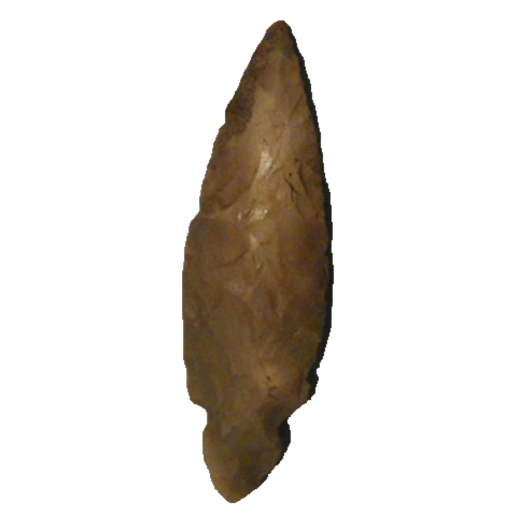 Fulton TurkeytailLate Archaic to Early Woodland3,450–2,450 B.P. (1,500–500 B.C.), most probably made about 2,950–2,750 B.P. (1,000–800 B.C.) (Perino 1971); 1,500–500 B.C. in Indiana (Jones and Johnson 2003)
G
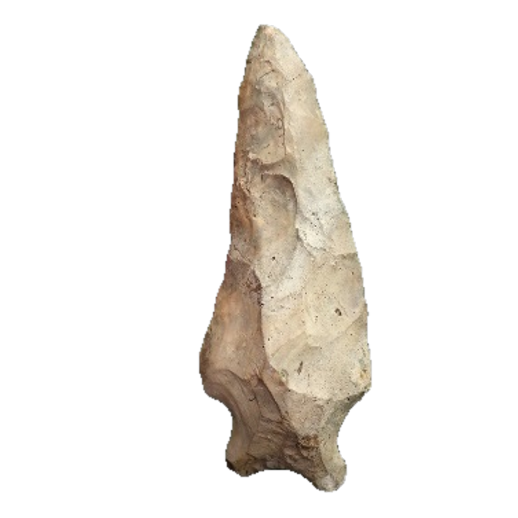 Gadsden LobedMiddle Woodland to Early Mississippian2,100 - 1,200 B.P.
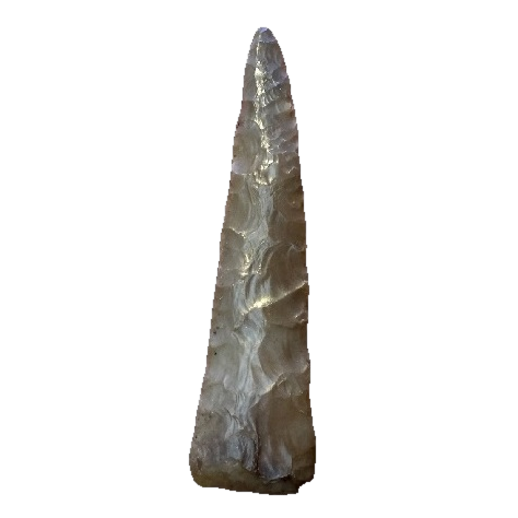 Gahagan Bi-FaceLate Archaic to Late Prehistoric to Woodland4,000 - 1,500 B.P.
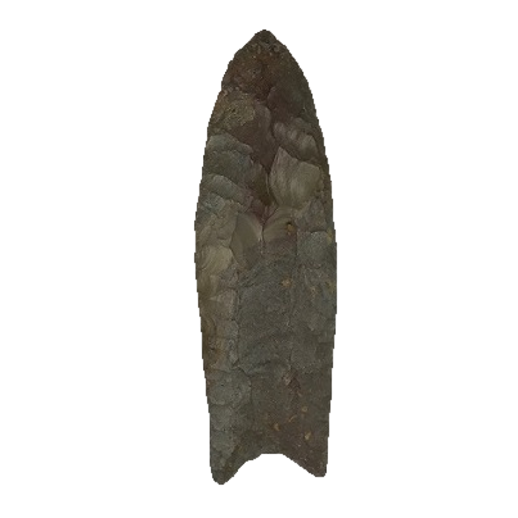 Gainey FlutedMiddle PaleoindianSlightly younger than Clovis. The type site has no radiocarbon dates; one sample from the Gainey horizon at the Big Eddy site, Missouri, gave 10,710 +/- 85 radiocarbon years B.P. (about 12,700 calendar years ago).
- Gallup Black-on-WhitePueblo IIA.D. 980–1150 (Wilson 2012); A.D. 1050–1225 in the El Morro Valley ceramic guide (Vance n.d.)
 Garden CreekMiddle Woodland2,200 - 1,800 B.P.
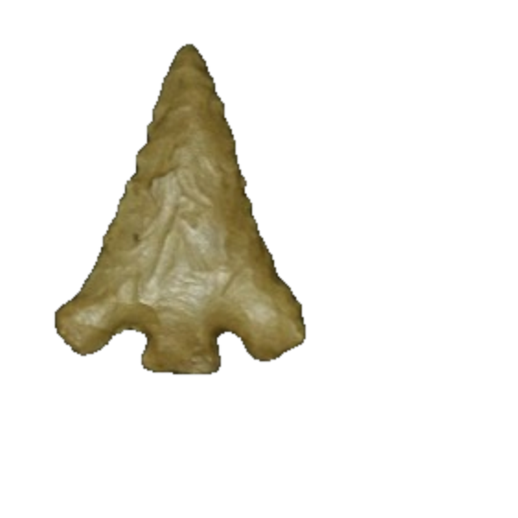 Garth SloughMiddle Archaic to Late Archaic4,000 - 3,000 B.P.
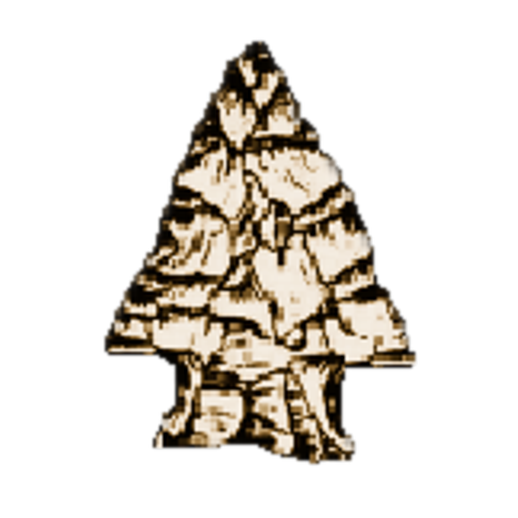 Garver's FerryWoodland1,800 - 1,300 B.P.
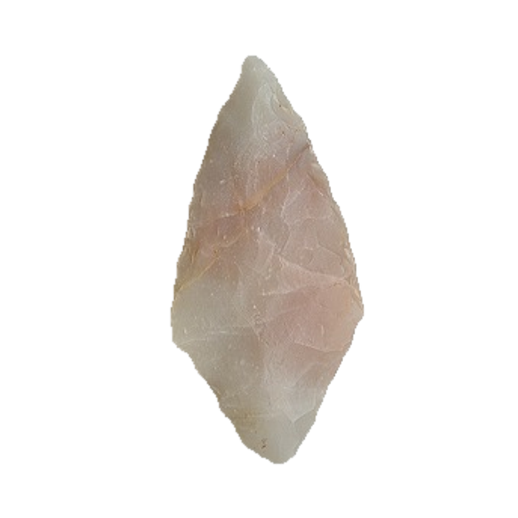 GaryLate Archaic to WoodlandAbout 3,950–950 B.P. (2000 B.C.–A.D. 1000) in Texas, possibly later in parts of the Caddo area (Suhm and Krieger 1954); about 2,600–1,050 B.P. (650 B.C.–A.D. 900) on Woodland Fourche Maline sites in Arkansas (Arkansas Archeological Survey)
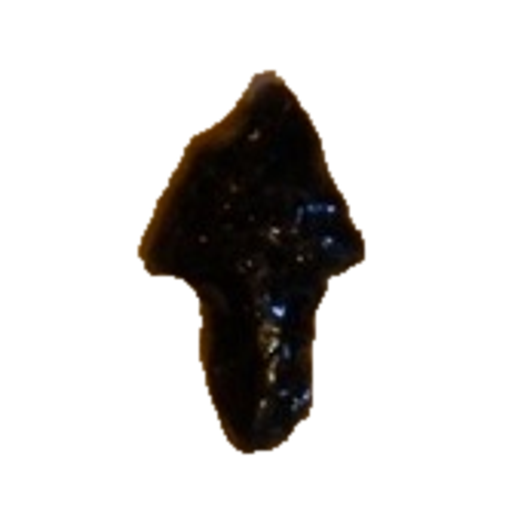 GaryitoEarly Formative3,500 - 2,800 B.P.
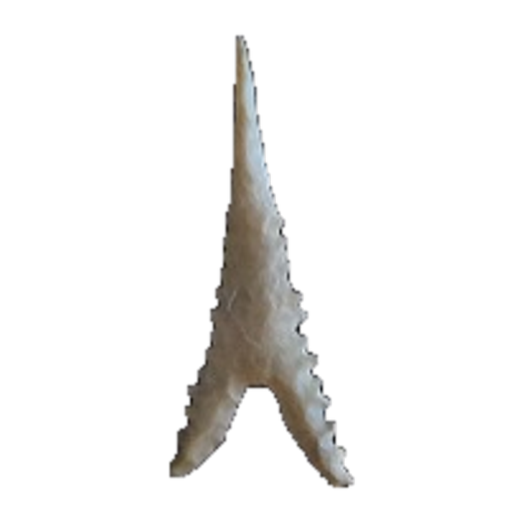 GarzaLate Prehistoric to Classic500 to 350 B.P.
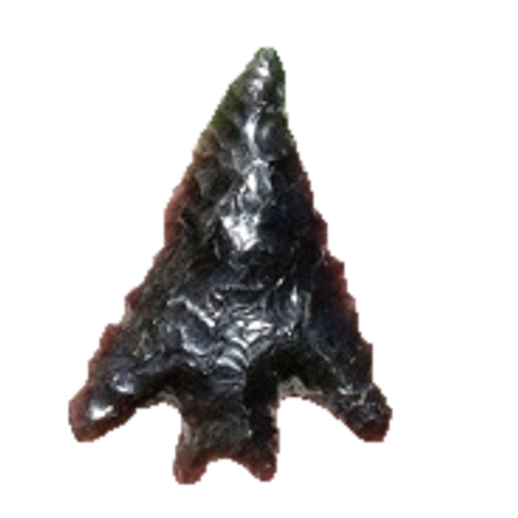 Gatecliff Split StemMiddle Archaic to Late Archaic5,000 - 3,000 B.P.
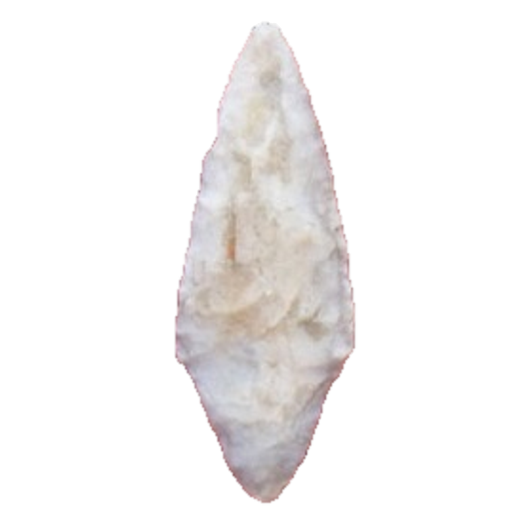 Gatecliff StemmedMiddle Archaic4,950–3,250 B.P. (3000–1300 B.C., Monitor Valley; Thomas 1981); 4,350–3,150 years ago at Bonneville Estates Rockshelter (Hockett and Spidell 2022)
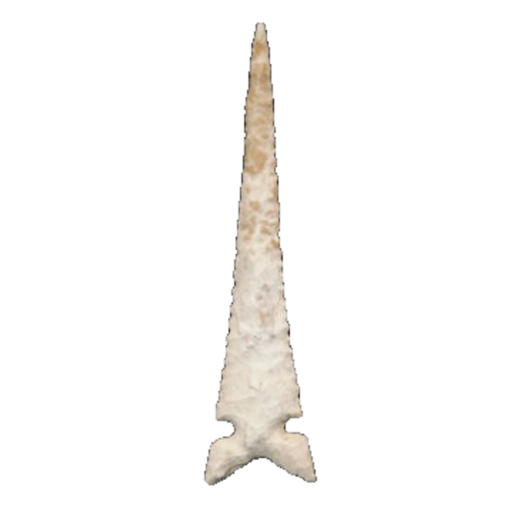 GatlinClassic to Late Prehistory900 - 600 B.P.
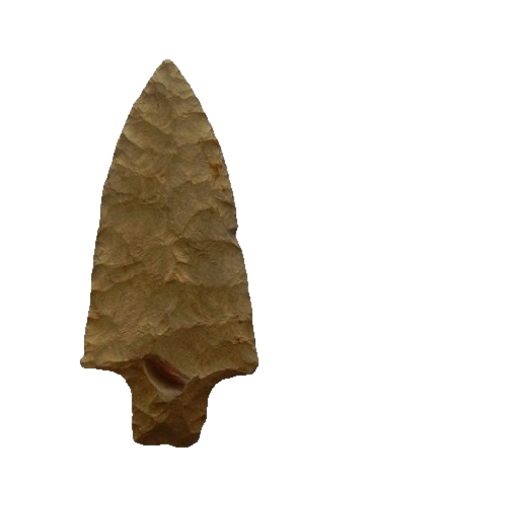 GeneseeLate ArchaicAbout 3,950–3,200 B.P. in central New York (Frontenac phase about 2000 B.C.; Frost Island level at the O'Neil site dated 1250 B.C. ± 100; Ritchie 1971); 4,950–3,650 B.P. (3,000–1,700 B.C.) on an Indiana chart (Jones and Johnson 2003)
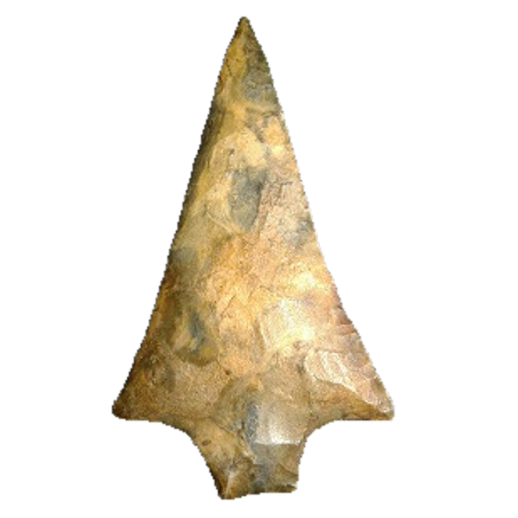 Gibson BeveledEarly Archaic to Middle Archaic8,000 - 5,000 B.P.
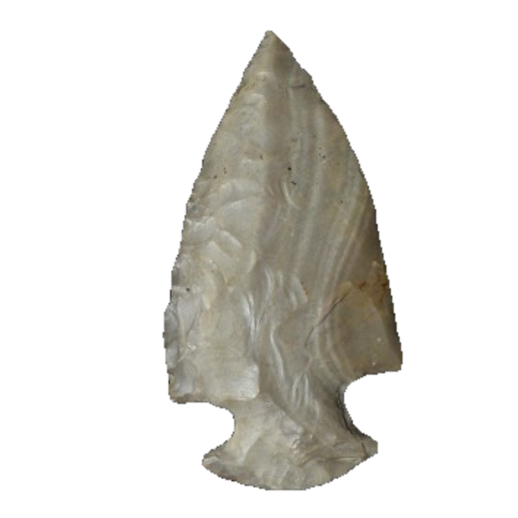 Gibson NotchedMiddle Woodland (Middle to Late Hopewell)About 1,850–1,550 B.P. (A.D. 100–400), from Illinois Valley ceramic phases (Montet-White 1968)
- Gila Butte Red-on-BuffHohokam PotteryAbout A.D. 750–850 (Vance n.d.)
- Gila PolychromeLate PrehistoricA.D. 1300–1450; first made about A.D. 1300, most common in the late 1300s, lasting into the mid-1400s (Wilson 2012)
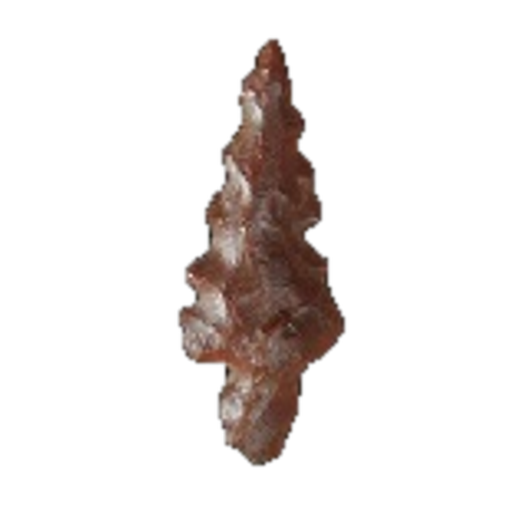 Gila RiverDevelopmental1,350 - 1,000 B.P.
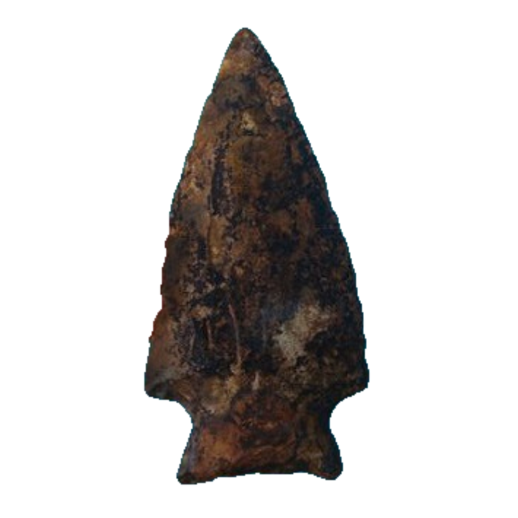 GilchristEarly Archaic9,000 - 7,500 B.P.
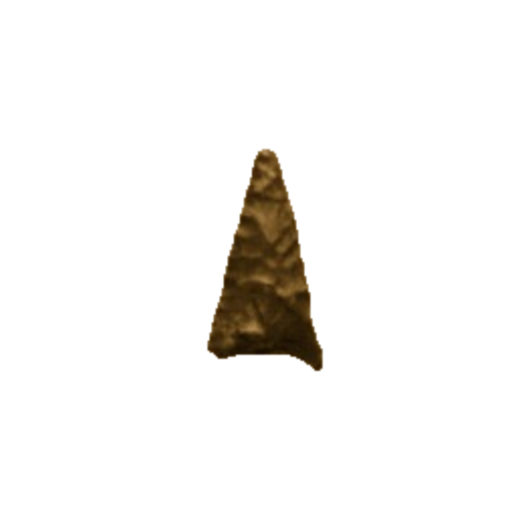 Glen Meyer TangedLate Woodland to Early Mississippian1,500 - 700 B.P.
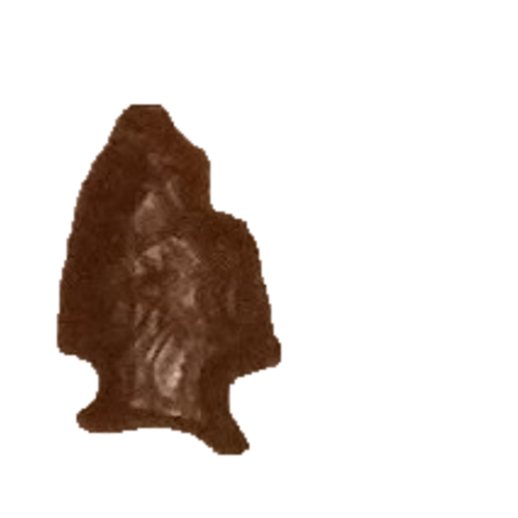 GlendoClassic to Late Prehistory1,800 - 800 B.P.
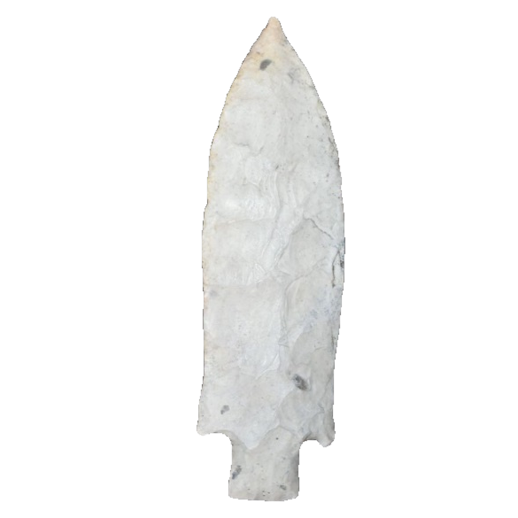 Go KartMiddle Archaic to Late Archaic4,000 - 2,500 B.P.
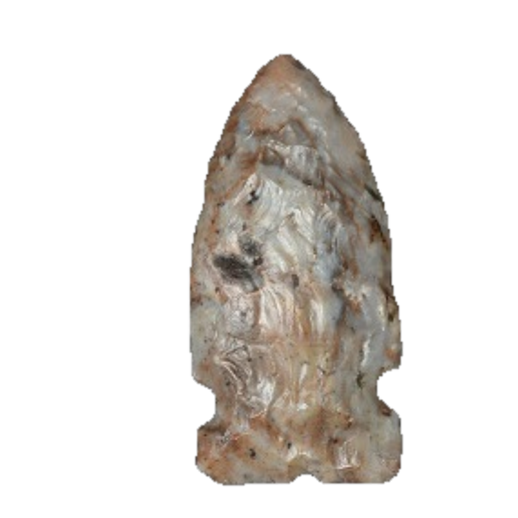 GodarMiddle Archaic to Late Archaic4,500–3,500 B.P. (Perino 1971); about 4,600–4,360 B.P. at the McLean site, Illinois (2650 and 2410 B.C.; Emerson et al. 1991)
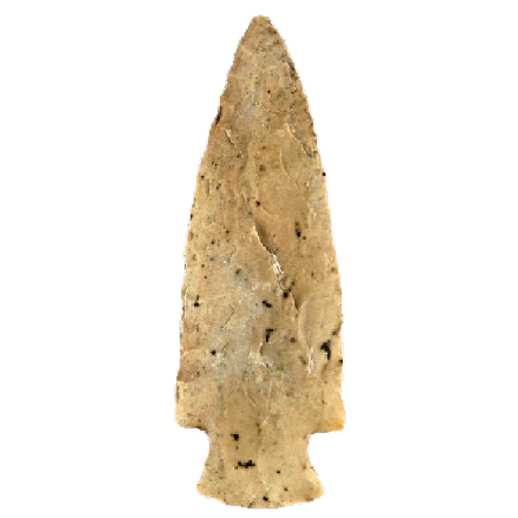 GodleyLate Archaic to Prehistoric2,500 - 1,300 B.P.
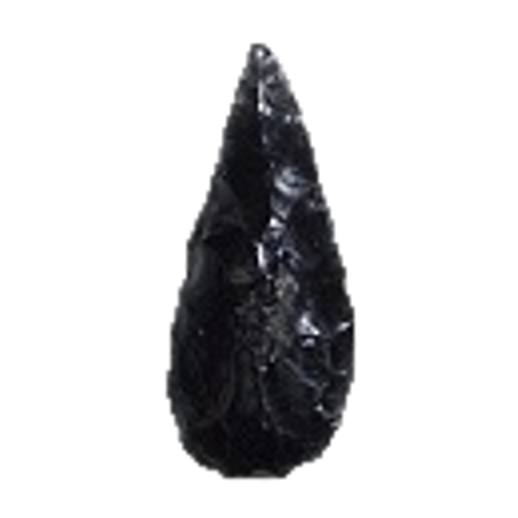 Gold HillMiddle Archaic to Late Archaic4,000 - 2,000 B.P.
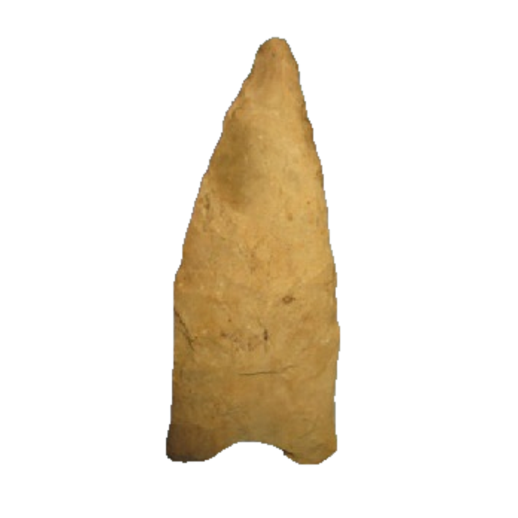 GolodrinaLate PaleoindianAbout 10,000 - 9,000 B.P. (roughly 8000-7000 B.C.)
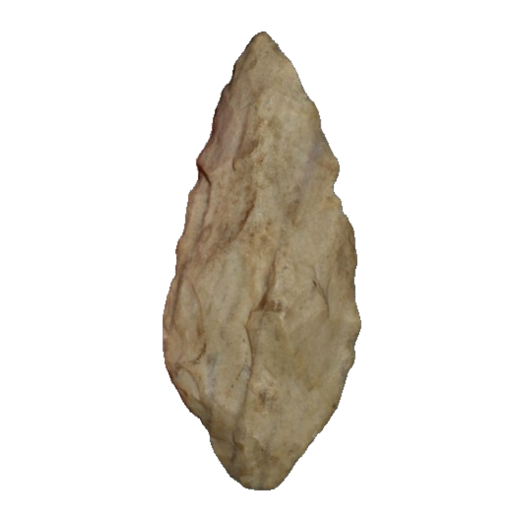 Goose Lake KnifeEarly Woodland2,500 - 2,000 B.P.
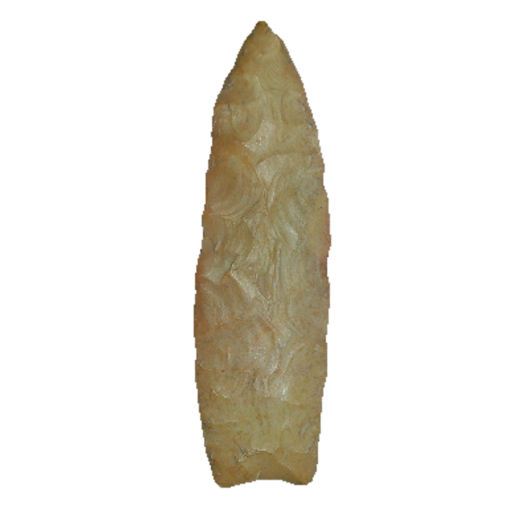 GoshenLate Paleoindian10,450 - 10,175 B.P. (radiocarbon; about 12,500 - 11,800 years ago in calendar years)
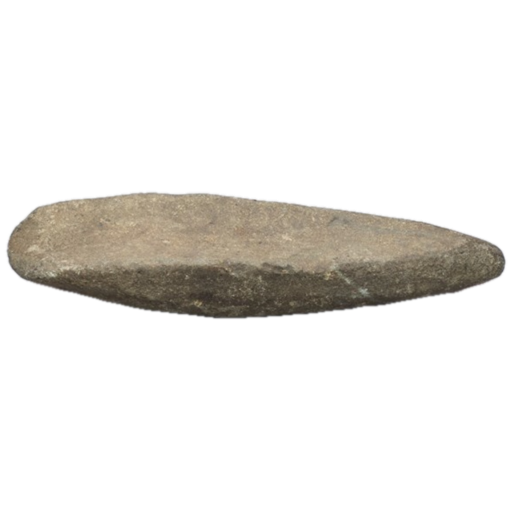 GougeUsed by Archaic hunter-gatherers, Woodland cultures, and Northeastern/Great Lakes woodworking societies.7,000 - 300 B.P.
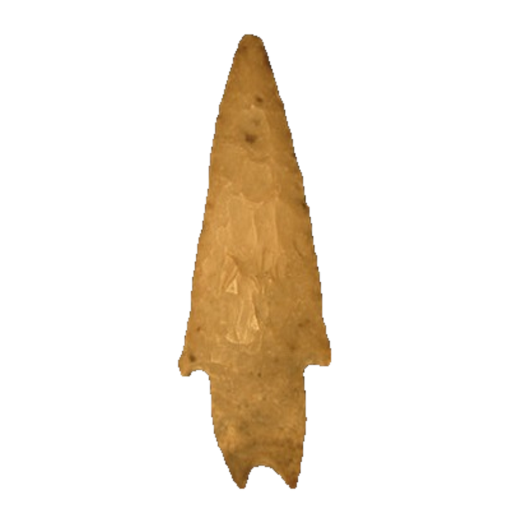 GowerEarly ArchaicAbout 9,000 B.P. at the start of the Early Split-Stemmed series (Texas Beyond History); 7,000–6,000 B.P. as a marker of the San Geronimo Phase (Prewitt 1981)
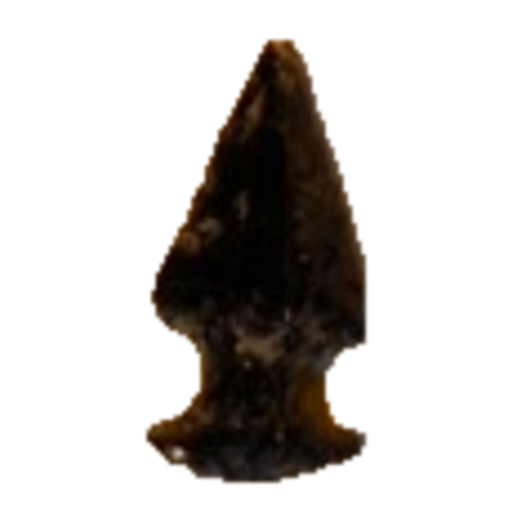 GracerosTransitional Archaic to Classic1,800 - 650 B.P.
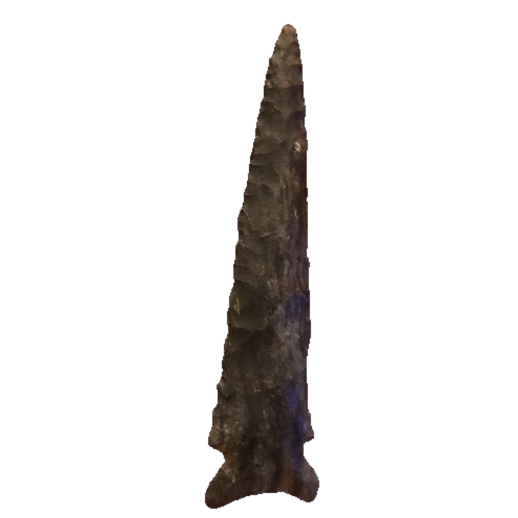 Graham CaveEarly Archaic10,000 - 7,500 B.P.
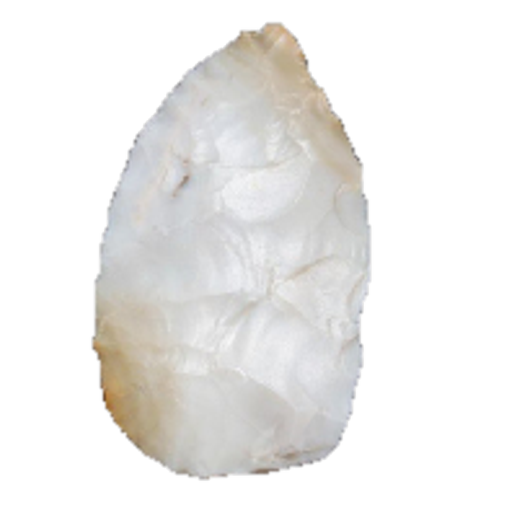 GranburyTransitional Archaic1,300 - 700 B.P.
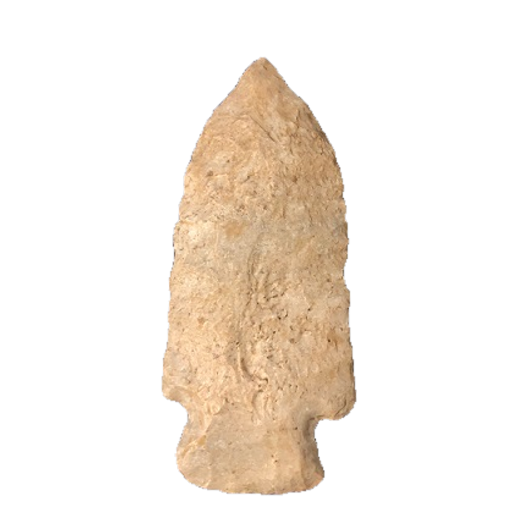 GrandLate Archaic to WoodlandAbout 2,950–1,650 B.P. (1000 B.C.–A.D. 300, estimate for northeastern Oklahoma; Perino 1971)
- Great Basin Brown WareLate Prehistoric to ProtohistoricMostly after about 700 B.P. in the western Great Basin, with experiments in Owens Valley about 1,200 years ago (Eerkens 2008). Brownware appears about 1,200 years ago in the southern Great Basin and about 800 years ago in the Middle Rocky Mountains (Finley et al. 2017).
- Great Bend AspectLate Prehistoric to ProtohistoricAbout A.D. 1450–1700. Rio Grande Pueblo glaze sherds from excavated contexts date about A.D. 1525–1650, and the full range of Pueblo trade sherds runs from the late 1400s to the early 1700s (Wedel 1959).
- Great Salt Lake Gray WareFormative (Fremont)Fremont, about A.D. 200–1400 (Watkins 2009)
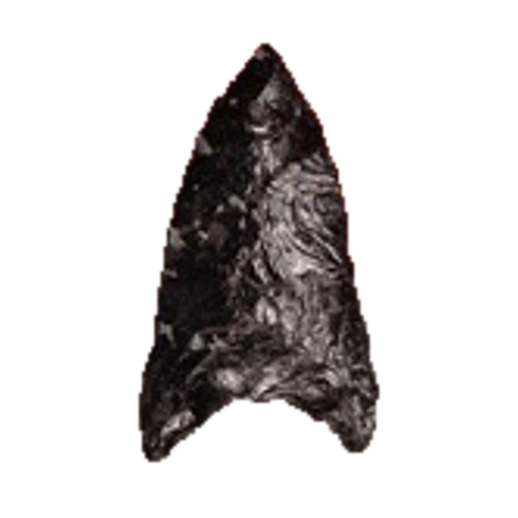 Green RiverMiddle Archaic4,500 - 4,200 B.P.
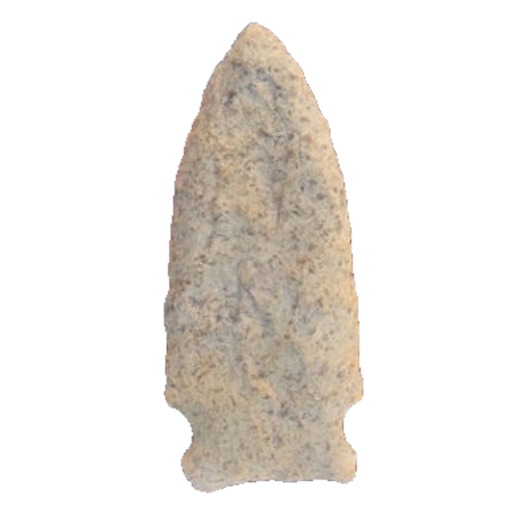 GreenbrierEarly ArchaicRoughly 9,000 - 5,000 years ago in Cambron and Hulse's (1975) reading of Alabama stratigraphy; the earlier record gives 9,500 - 8,000 B.P.
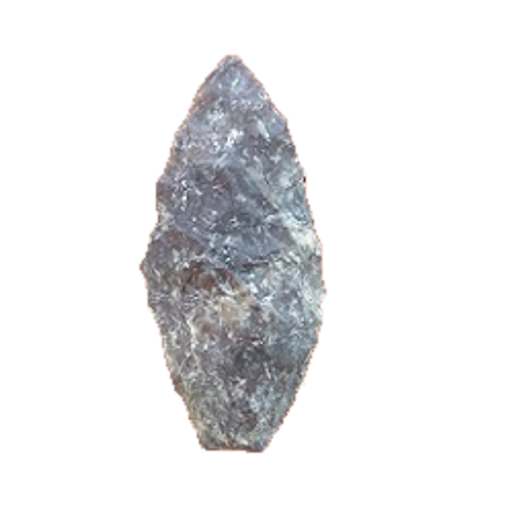 GreeneLate Woodland1,700 - 1,200 B.P.
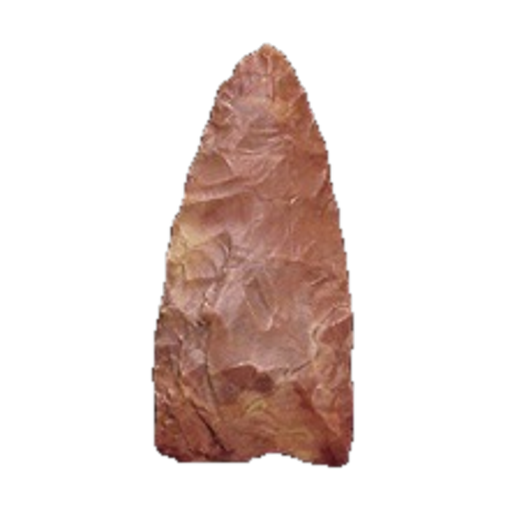 GreenvilleEarly Woodland to Middle Woodland2,050 ± 250 B.P. (radiocarbon, Camp Creek site; Lewis and Kneberg 1957, in Cambron and Hulse 1975)
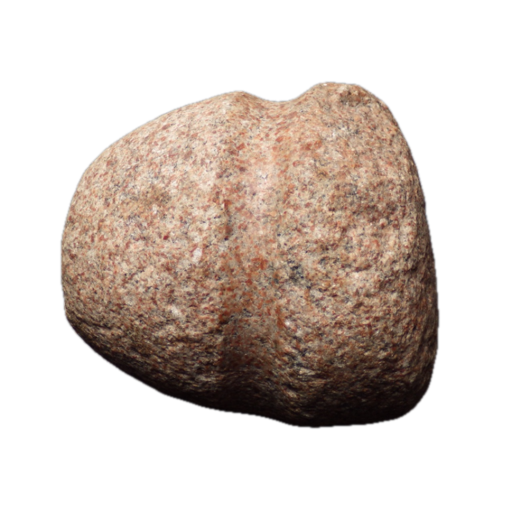 Grooved MaulUsed broadly by Archaic hunter-gatherers, Plains Woodland cultures, Plains Village agricultural societies, and late prehistoric bison-hunting groups.7,000 - 300 B.P.
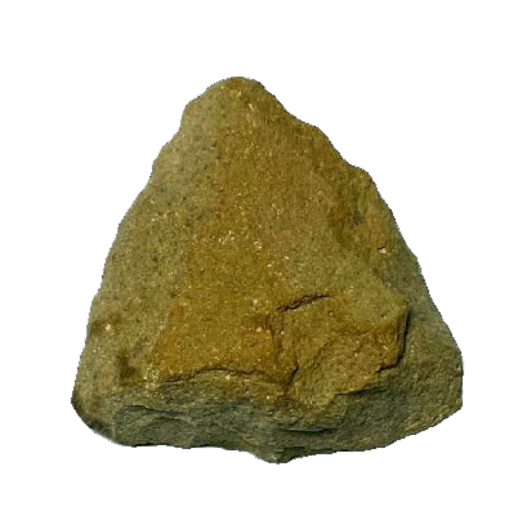 Guadalupe Bi-faceEarly Archaic to Middle Archaic9,000 - 8,000 B.P.
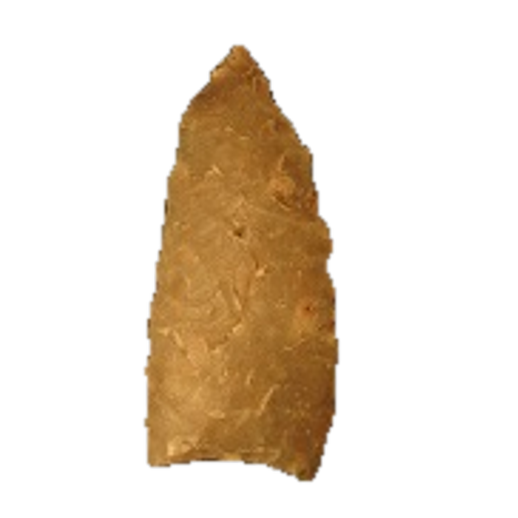 GuerreroHistoric300 - 150 B.P.
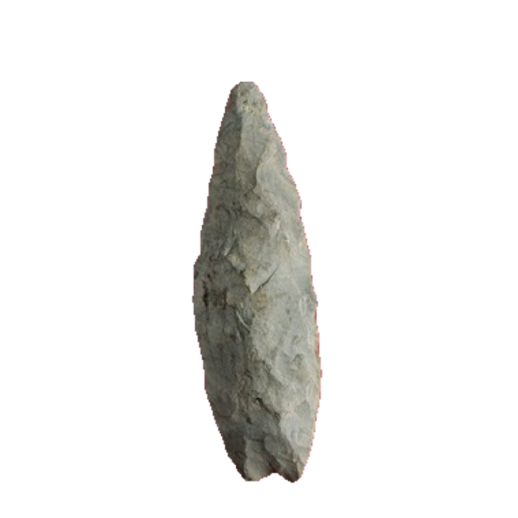 Guilford Concave BaseMiddle Archaic6,200 - 5,500 B.P. (Coe estimated 5000-4000 B.C.)
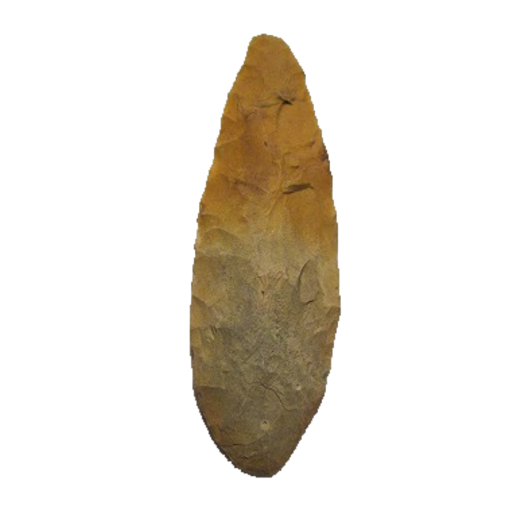 Guilford Round BaseMiddle ArchaicAbout 6,000 B.P. in the Carolina Piedmont (Coe 1959, via Cambron and Hulse 1975); 6,200–5,500 B.P. for Guilford in Maryland (Maryland Archaeological Conservation Laboratory)
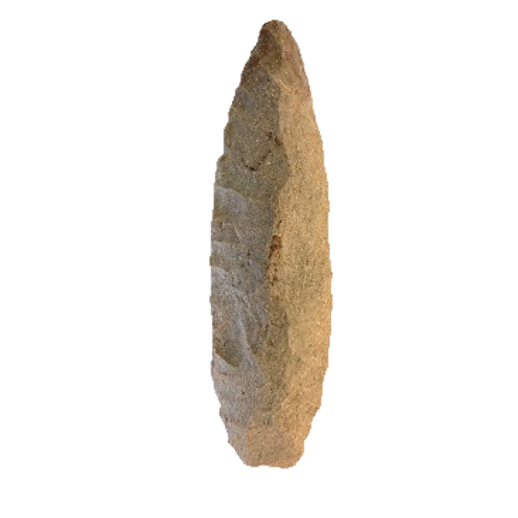 Guilford StemmedMiddle Archaic6,200 - 5,500 B.P. (Coe's own estimate, 5000-4000 B.C., is older)
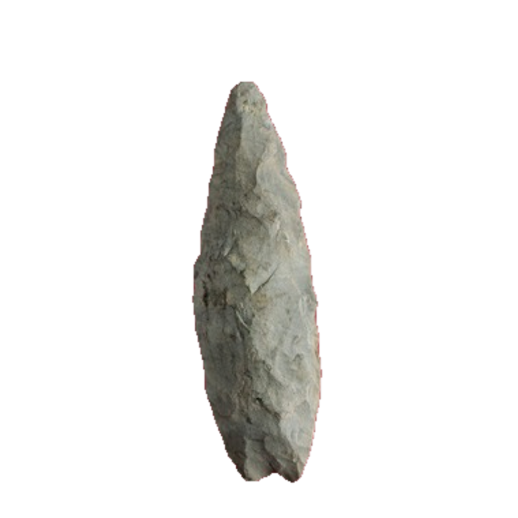 Guilford Straight BaseMiddle Archaic6,200 - 5,500 B.P. (Coe estimated 5000-4000 B.C.)
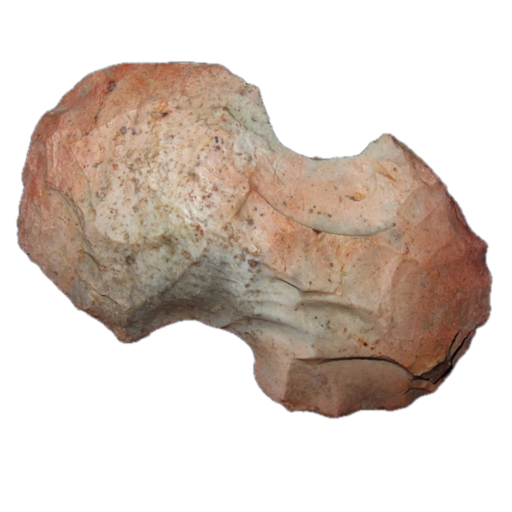 Guilford/Bowtie AxeMiddle Archaic (Guilford phase)6,000 - 5,000 B.P. (Guilford phase; the University of North Carolina gives about 5000 B.C. for the earliest North Carolina axes)
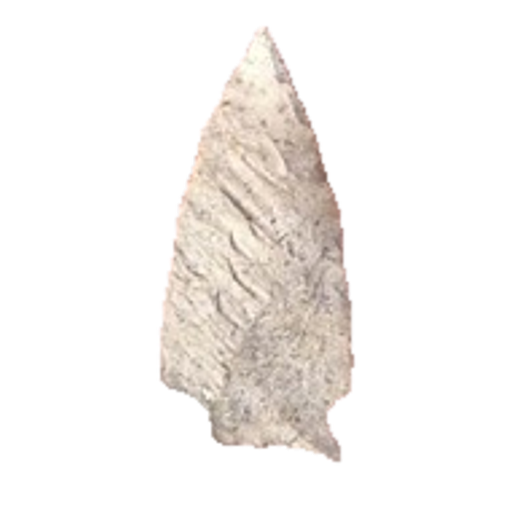 Gull LakeLate Woodland1,800 - 900 B.P.
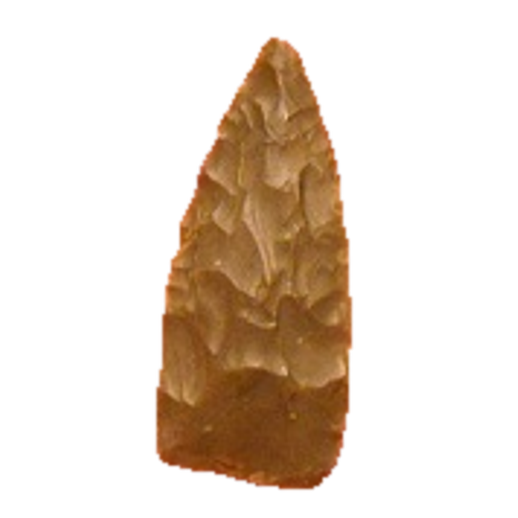 GuntersvilleLate Mississippian to Historic750 - 200 B.P.
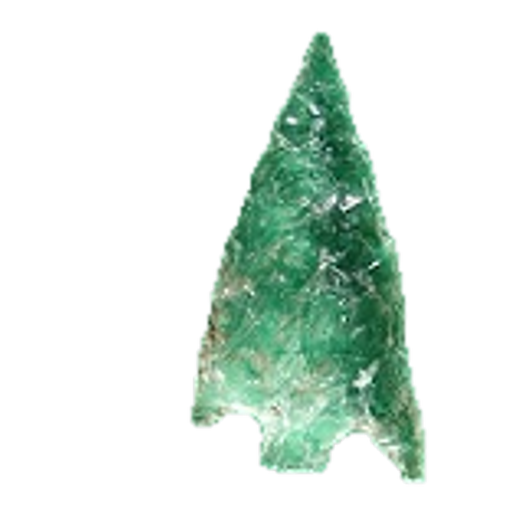 GuntherLate PrehistoricFrom about 1,350 B.P. (A.D. 600; Baumhoff 1985 and Jobson 1991, cited in Davy and Ramos 1994) into the Late period; points at Miller Mound occur with artifacts of the post-A.D. 1300 period
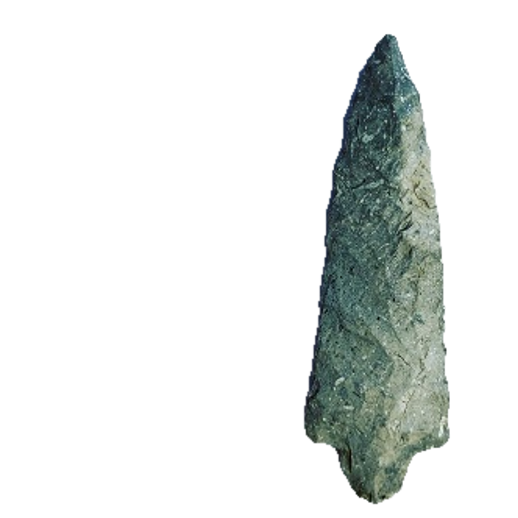 GypsumMiddle Archaic4,050–2,950 years ago at O'Malley Shelter, where Gypsum is the dominant point (Hockett and Spidell 2022); 4,950–3,250 B.P. in Monitor Valley, where Thomas (1981) called the same form Gatecliff Contracting Stem
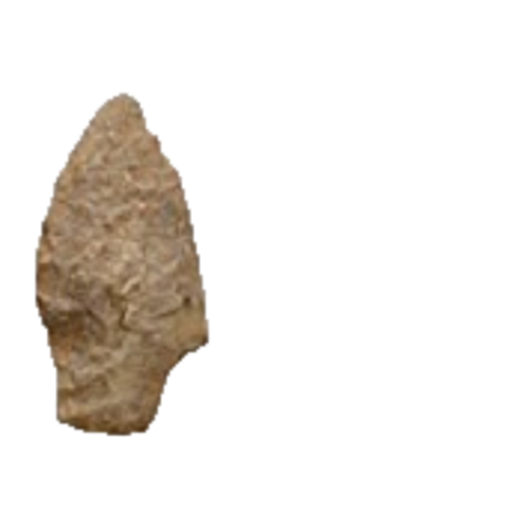 GypsyWoodland2,500 - 1,500 B.P.
H
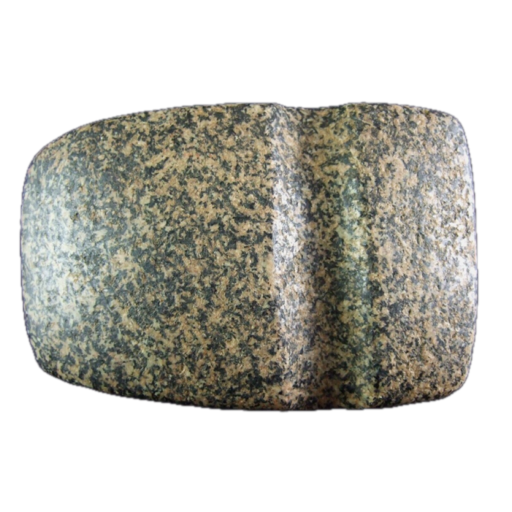 Half-Groove AxeArchaic (later than full-groove and three-quarter-groove axes)4,000 - 1,200 B.P.
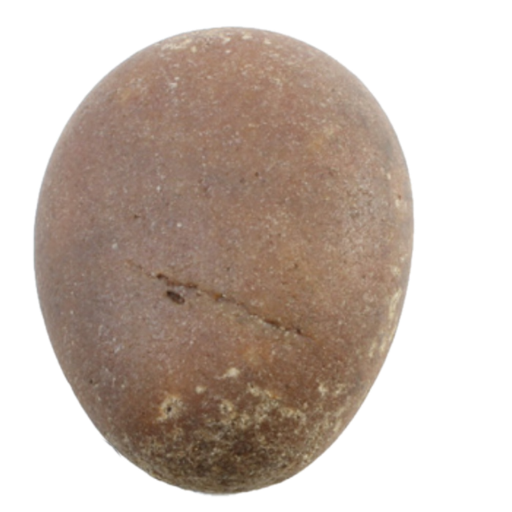 HammerstoneUsed by Paleoindian, Archaic, Woodland, Mississippian, Plains Village, Ancestral Puebloan, and nearly every other cultural group in North America.13,000 - 300 B.P.
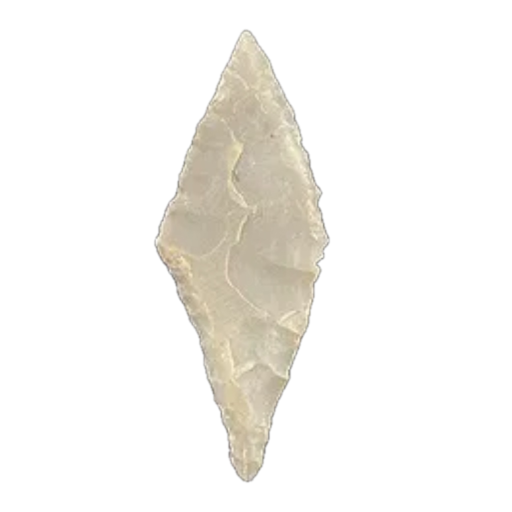 Harahey KnifeLate Prehistoric750–450 B.P. (A.D. 1200–1500 at the Harrell site)
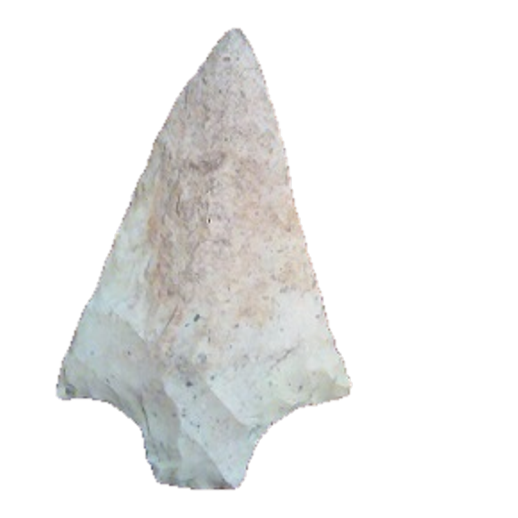 Hardee BeveledMiddle Archaic8,000 - 5,000 B.P.
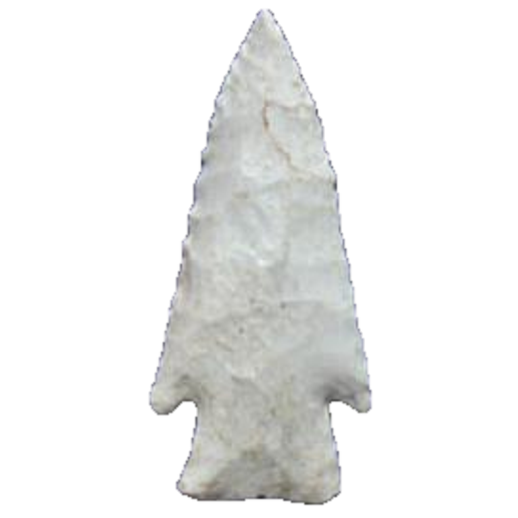 HardinEarly Archaic9,750–8,950 B.P. (7800–7000 B.C.; O'Brien and Wood 1998, an estimate: no Hardin point has come from a well-dated context); Early Archaic, 8000–5000 B.C. (Chapman 1975)
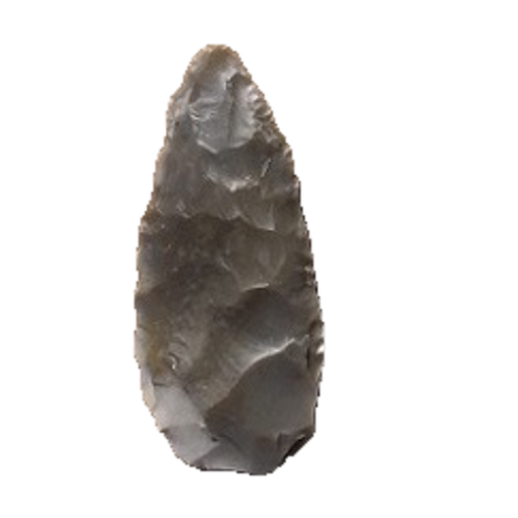 Hare Bi-FaceLate Archaic
- Harleton AppliqueLate CaddoAbout A.D. 1430–1680 (Titus phase; Perttula and Selden 2014)
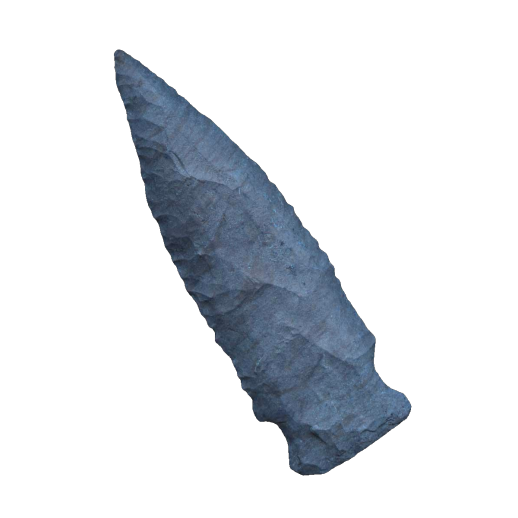 Harpeth RiverTransitional Paleo to Early Archaic11,000 - 8,500 B.P.
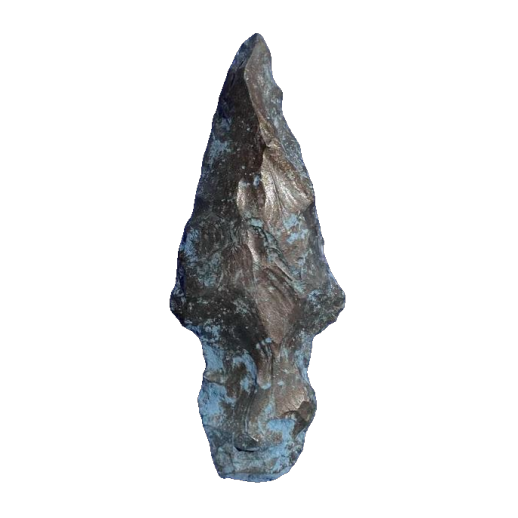 Harrison TurkeytailLate Archaic to Early Woodland3,500 - 2,500 B.P. (about 1500 - 500 B.C.)
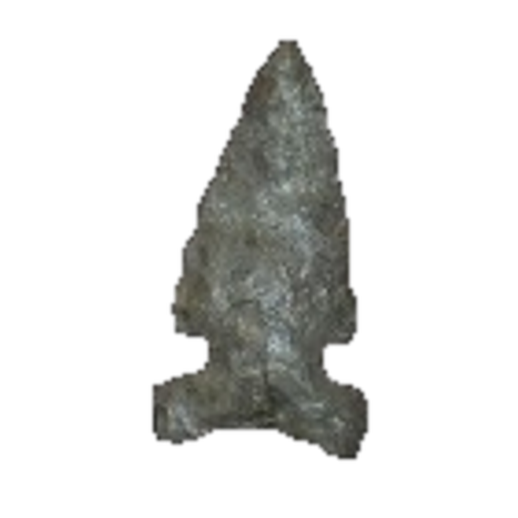 HaskellMississippian800 - 600 B.P.
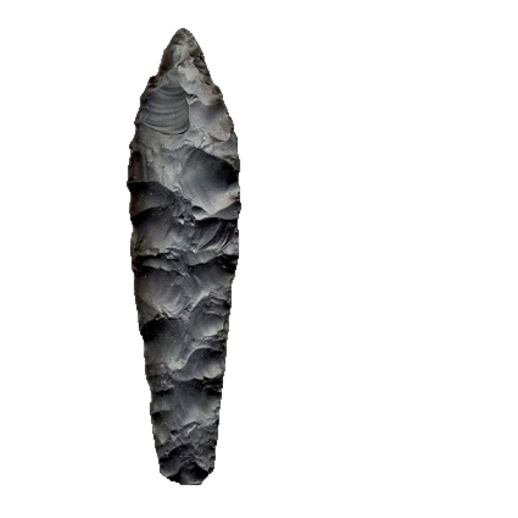 HaskettDevelopmental10,500 - 9,350 B.P.
- HayesLate Prehistoric (Early to Middle Caddo)1,150–750 B.P. or part of that span (A.D. 800–1200, the estimated age of the Haley focus; Suhm, Krieger and Jelks 1954)
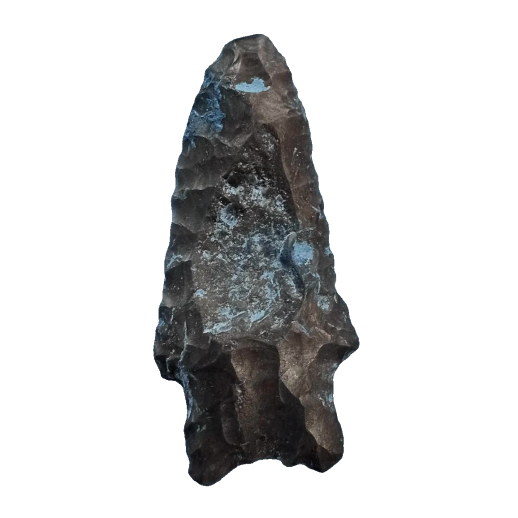 Heavy DutyEarly Archaic9,000 - 7,500 B.P.
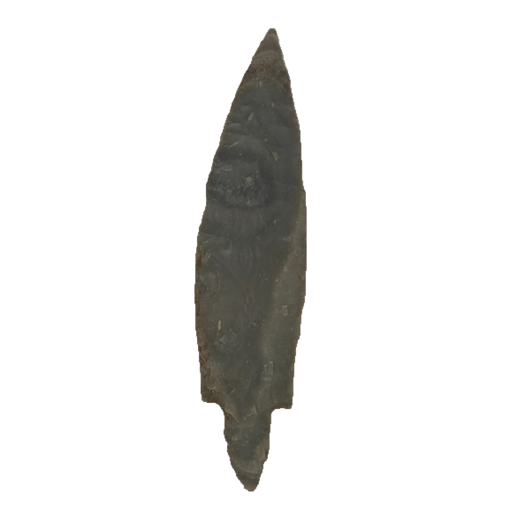 Hebron TurkeytailLate Archaic to Early Woodland3,500 - 2,500 B.P. (about 1500 - 500 B.C.)
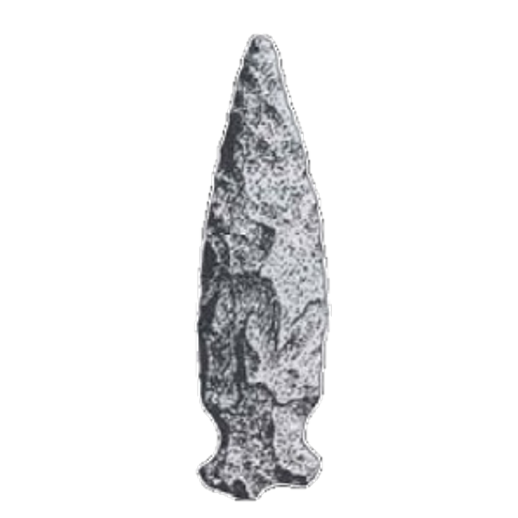 Heck RockshelterWoodland3,000 - 2,500 B.P.
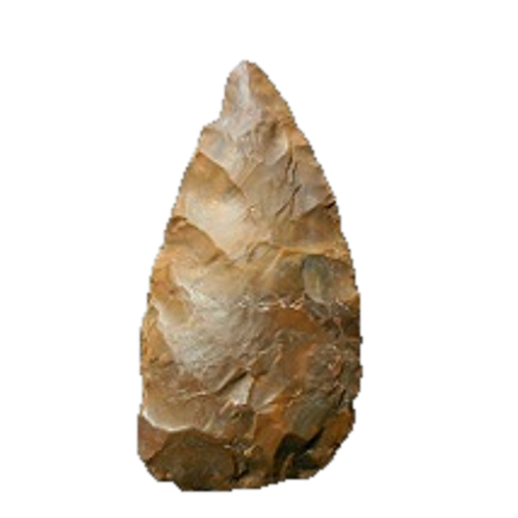 Helen PointDevelopmental to Classic900 - 600 B.P.
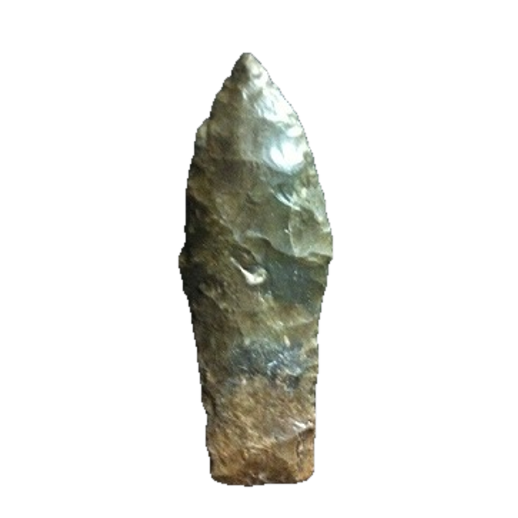 Hell GapTransitional Paleo10,000 - 9,500 B.P. (8000-7500 B.C. radiocarbon years)
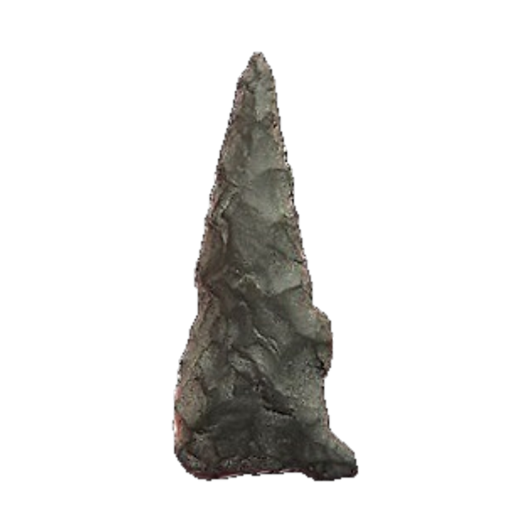 HellgrammiteEarly Woodland3,000 - 2,800 B.P.
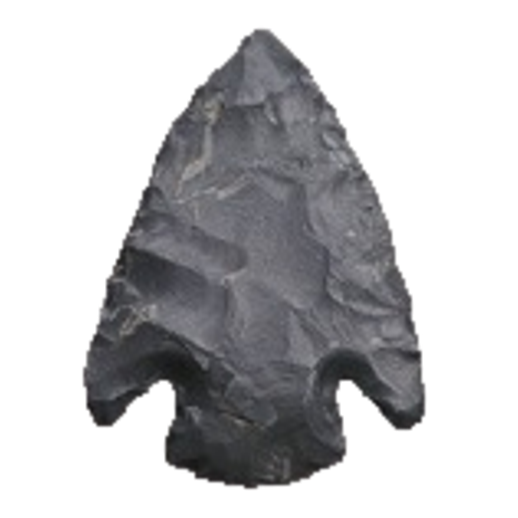 Hells Canyon Basal NotchLate Prehistoric to Protohistoric1,200–200 B.P.
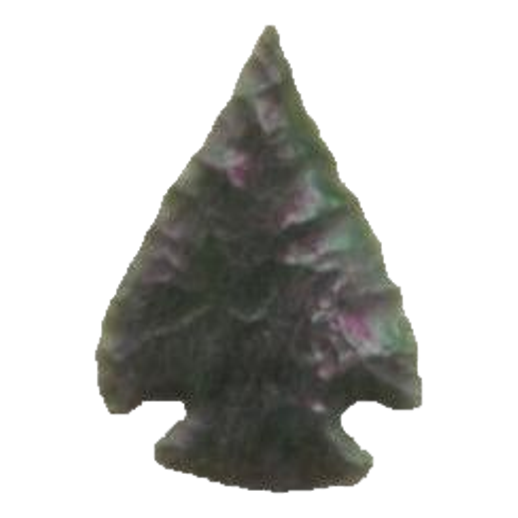 Hells Canyon Corner NotchLate Prehistoric to Protohistoric1,200–200 B.P.
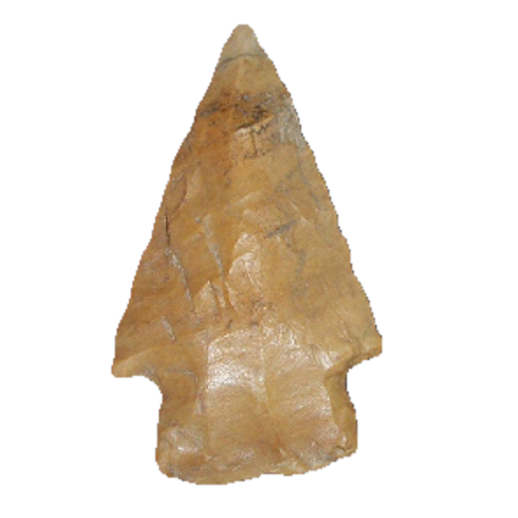 HeltonMiddle ArchaicAbout 5,720–4,880 B.P. (3770 ± 75 to 2930 ± 250 B.C., Helton phase, Koster Horizon 6; Cook 1976)
- HemisphereEarly Woodland to Middle WoodlandEarly to Middle Woodland, about 500 B.C.–A.D. 200 in Kentucky: hemispheres or cones are on the Adena diagnostic trait list and occur with Hopewell burials (Applegate 2008; Henderson and Schlarb 2007).
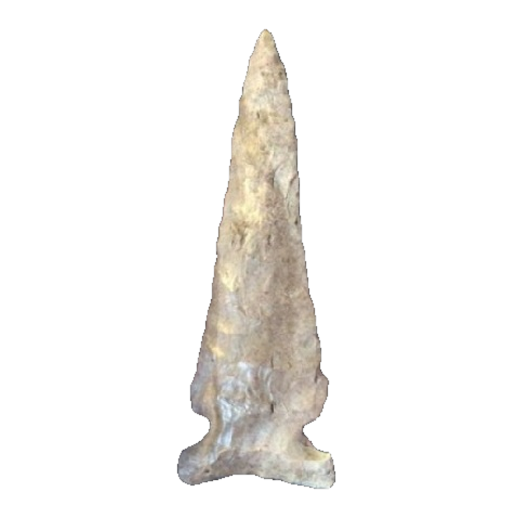 HemphillMiddle Archaic to Late ArchaicAbout 4,500–3,500 B.P., estimated without radiocarbon dates (Perino 1971); a Hemphill-horizon midden at the White Bend site, Illinois, dates to about 2650 B.C. (Fishel 2013)
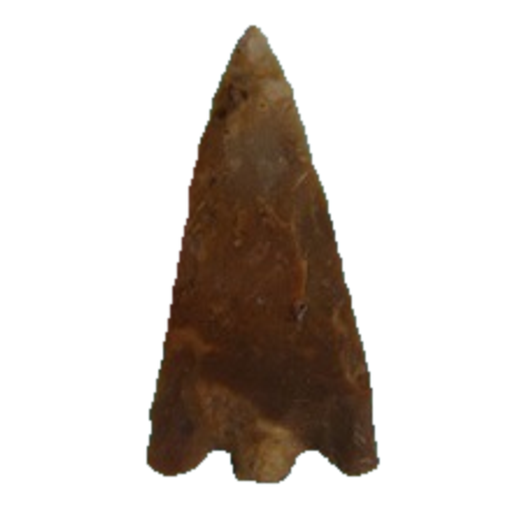 HernandoEarly Woodland to Middle Woodland2,400 - 1,600 B.P.
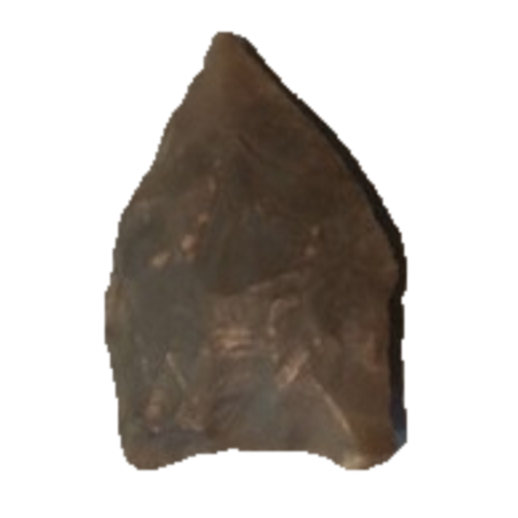 Hi - LoLate Paleoindian10,500 - 10,000 B.P.
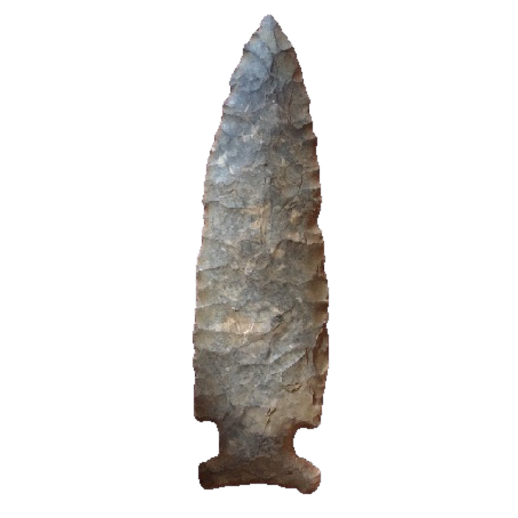 Hickory RidgeMiddle Archaic7,000 - 5,000 B.P.
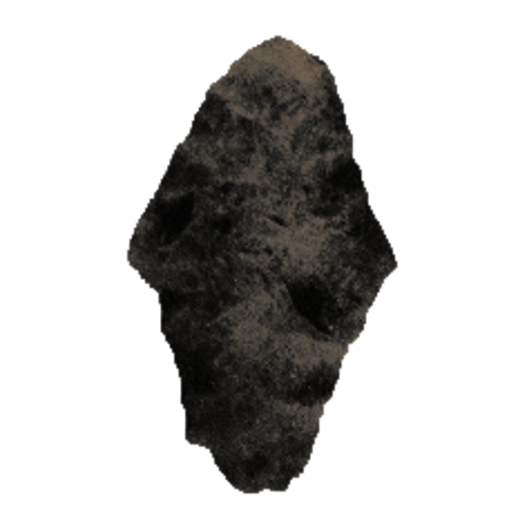 HidalgoEarly Archaic9,000 - 7,000 B.P.
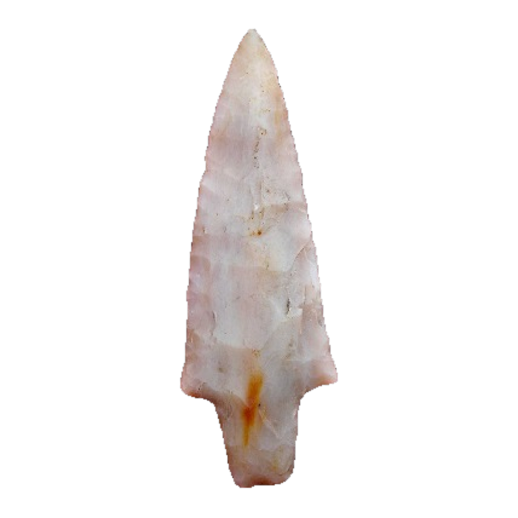 Hidden ValleyEarly ArchaicAbout 10,000 - 9,000 B.P.: radiocarbon dates tied to Hidden Valley points at the Big Eddy site, Missouri, fall between 8000 and 7000 B.C. The earlier record gave 9,000 - 7,500 B.P.
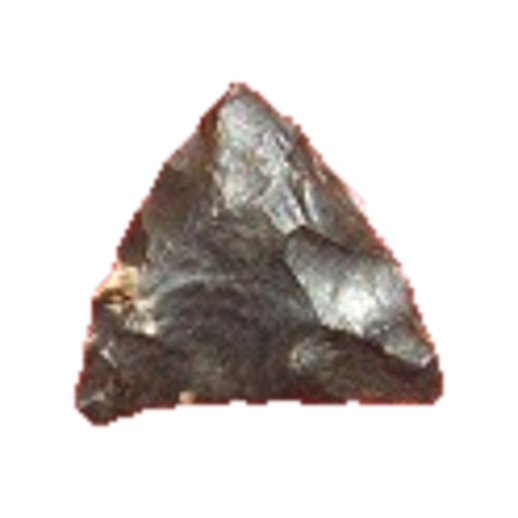 Hillsboro TriangleHistoric600 - 400 B.P.
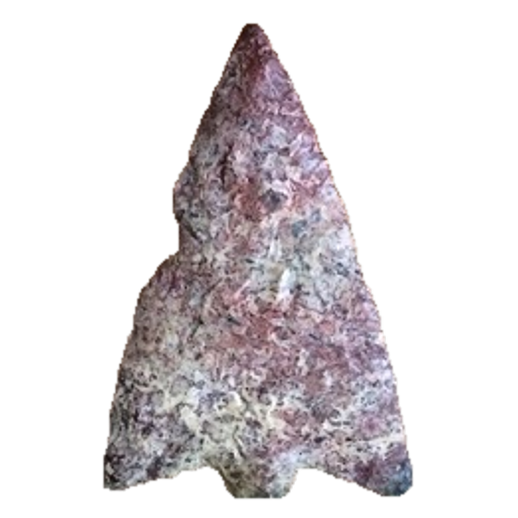 Hillsborough Contracting StemMiddle Archaic to Late Archaic5,400 - 3,000 B.P.
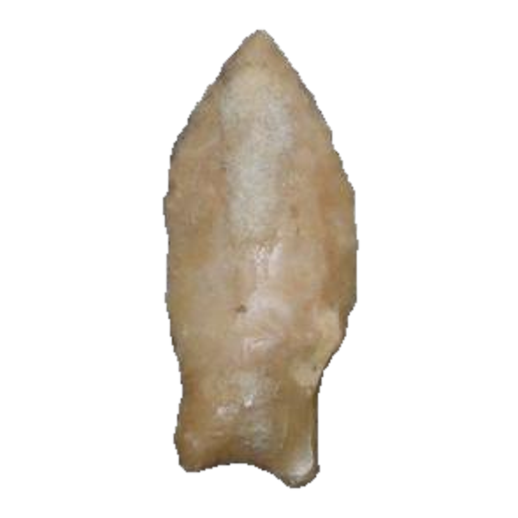 HindsTransitional Paleo11,000 - 10,500 B.P.
- Hohokam PlainwareHohokam Pottery400 - 1400 A.D.
- Hohokam Red-on-BuffHohokam PotteryA.D. 500–1375 for Hohokam Buff Ware (Peters n.d.); the red-on-buff types run from about A.D. 650 to 1300/1375 (NAU type pages)
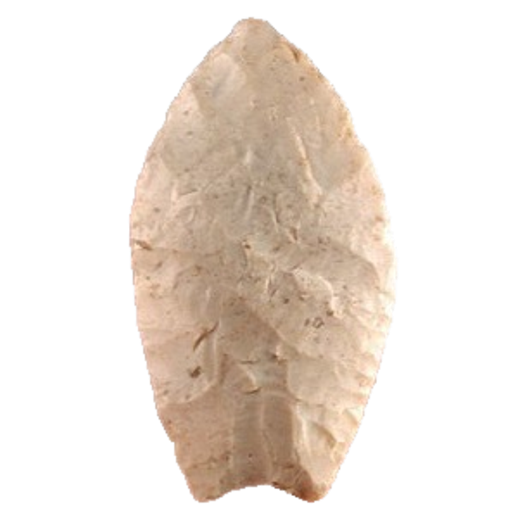 Holcombe FlutedLate Paleoindian10,500 - 10,000 B.P.
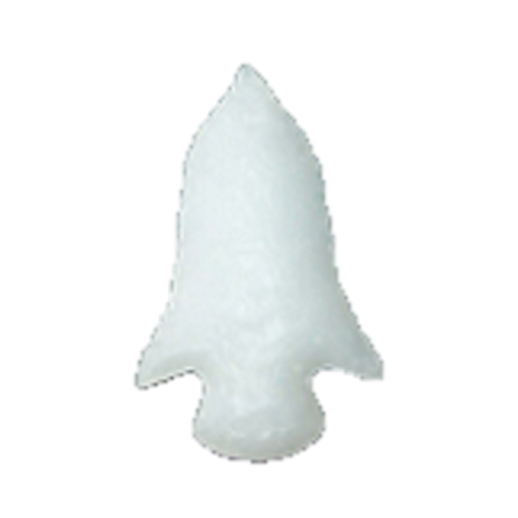 HomanLate Prehistoric to Mississippian1,000 - 700 B.P.
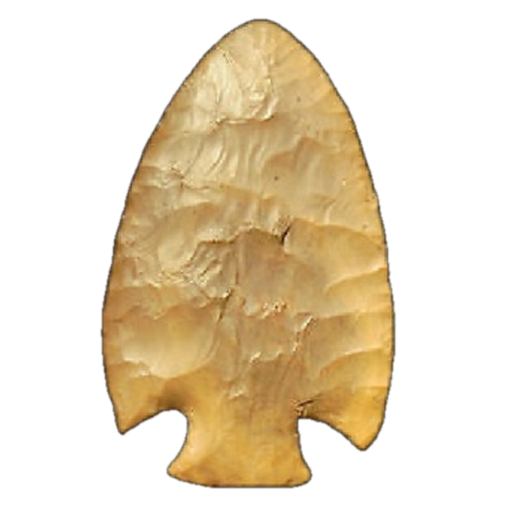 HopewellMiddle WoodlandAbout 2,050–1,450 B.P. (100 B.C.–A.D. 500; Ohio History Connection)
- Hopewell Fabric-ImpressedMiddle WoodlandEarly Middle Woodland, about 200 B.C.–A.D. 250 in Kentucky; rare after about A.D. 250 (Applegate 2008)
- Hopewell IncisedMiddle WoodlandAbout A.D. 1–400. Ohio Hopewell began about A.D. 90–120 and ended about A.D. 395–430 (Bayesian-modelled radiocarbon dates; Seeman and Nolan 2023); Kentucky sites with Hopewell traits span about A.D. 1–350 (Applegate 2008).
- Hopewell Zoned Rocker StampedMiddle WoodlandAbout A.D. 1–400. Ohio Hopewell about A.D. 90–430 (Seeman and Nolan 2023); in Kentucky rocker-stamped sherds mark the late Middle Woodland, about A.D. 250–500 (Applegate 2008).
- Hopi PolychromeHistoric to presentAbout A.D. 1625 to the present: San Bernardo Polychrome A.D. 1625–1700 and Payupki Polychrome 1625–1825 (Wilson 2012); Polacca Polychrome into the late 1800s (ASM). Hopi potters still make painted pottery today.
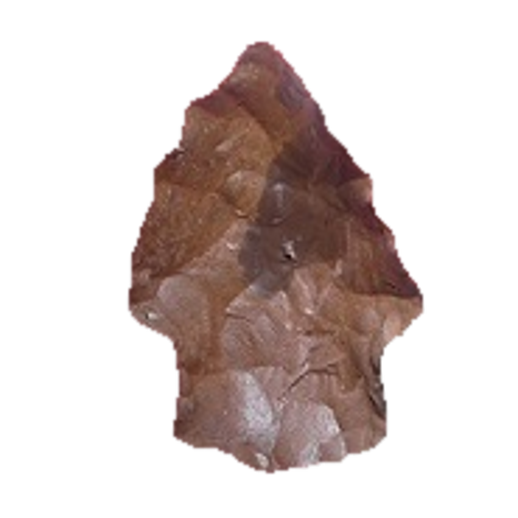 Hot CreekLate Archaic to Transitional Archaic3,100 - 1,500 B.P.
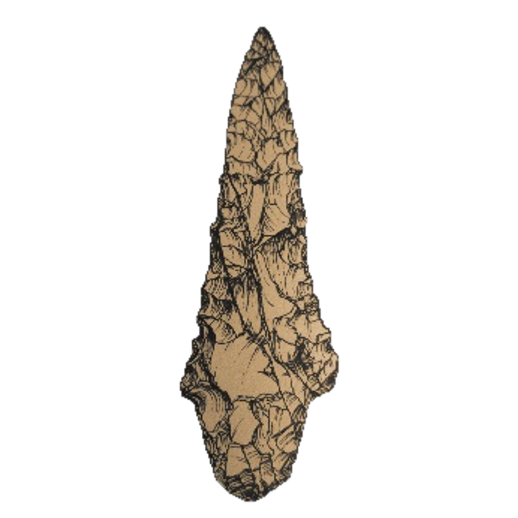 HouxLate Archaic to Transitional Archaic4,500 - 1,500 B.P.
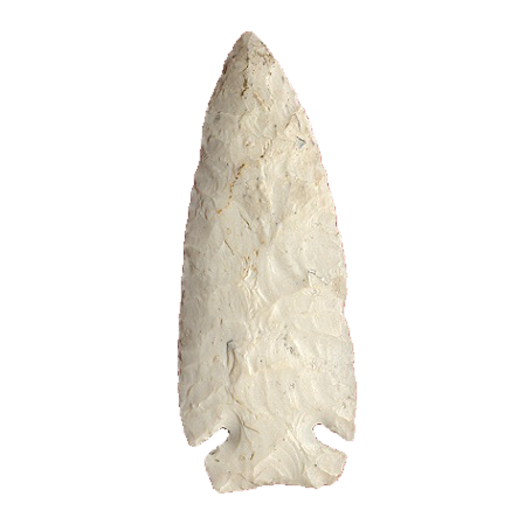 Howard CountyMiddle Archaic7,500 - 6,500 B.P.
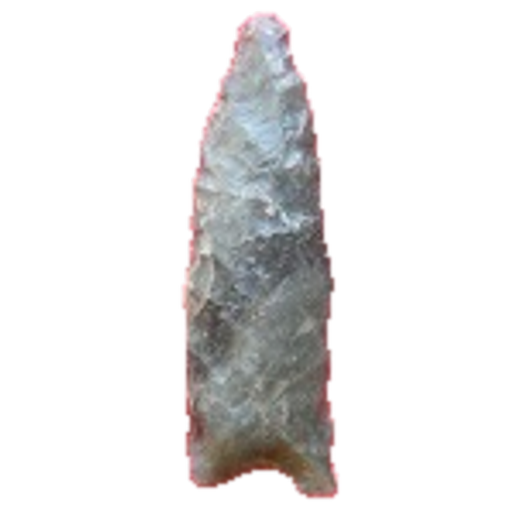 Humboldt Basal NotchMiddle Archaic to Late Archaic7,000 - 3,000 B.P.
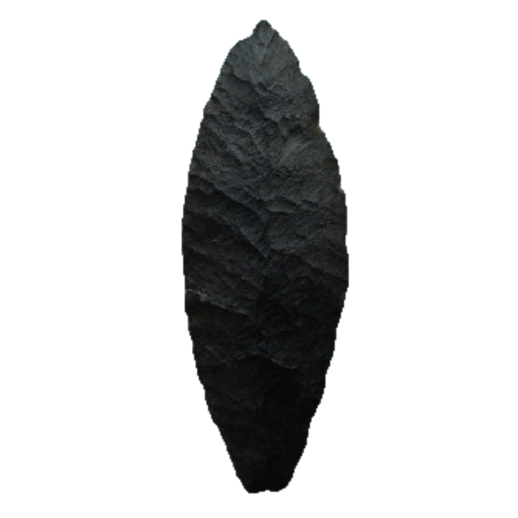 Humboldt Constricted BaseMiddle Archaic to Late Archaic7,000 - 3,000 B.P.
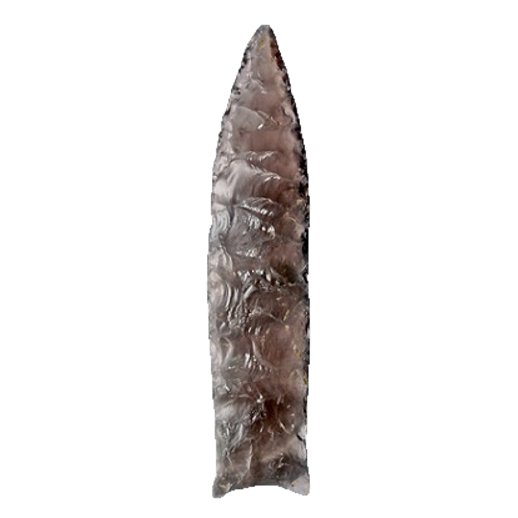 Humboldt Expanding BaseMiddle Archaic to Late Archaic7,000 - 3,000 B.P.
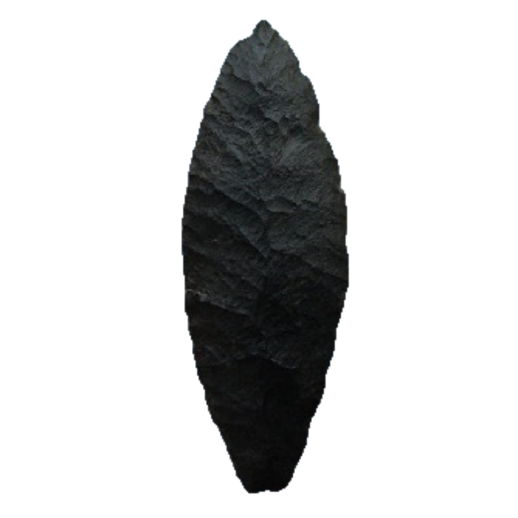 Humboldt LanceolateMiddle ArchaicAbout 6,000–3,900 cal B.P. in the Great Basin (Hockett and Spidell 2022); Thomas (1981) assigned the whole Humboldt series to about 3000 B.C.–A.D. 700
I
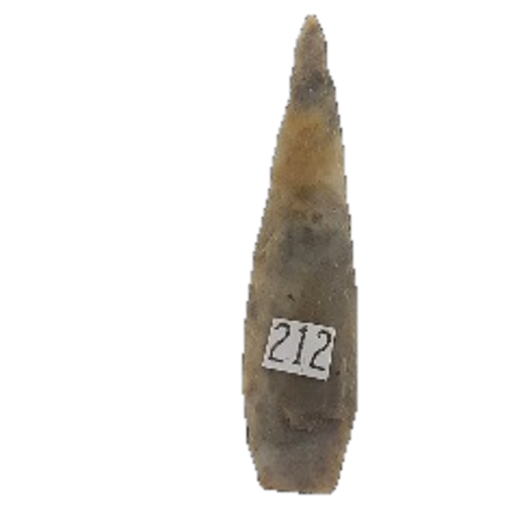 IchetuckneeMississippian into the Mission period
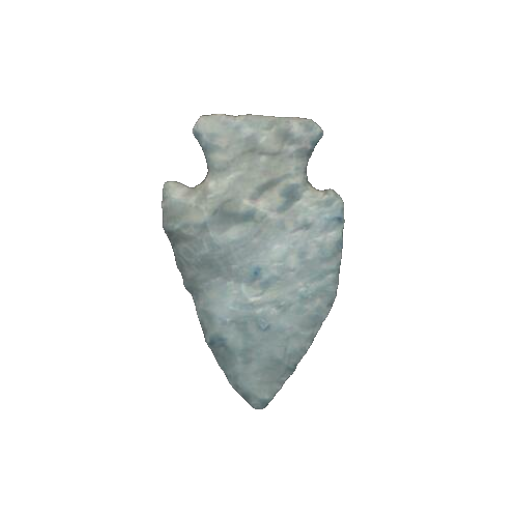 Intrusive MoundWoodland1,500 - 1,000 B.P.
- Ipiutak PotteryPaleoeskimoIpiutak culture about 1,800–1,400 years ago; it disappears from northern Alaska between 1,400 and 1,000 years ago (Gillispie 2018)
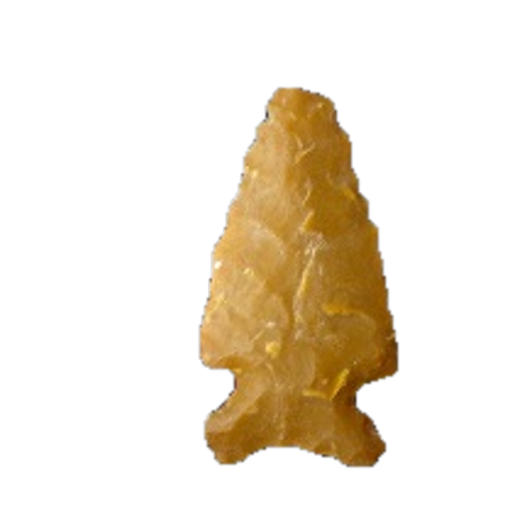 IrvineLate Precontact (Late Prehistoric)1,200 - 250 B.P. (Old Women's phase)
J
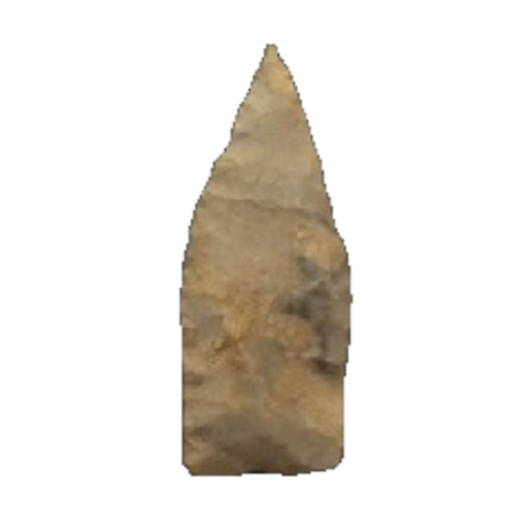 Jacks Reef PentagonalMiddle Woodland to Late WoodlandAbout 1,640–1,000 B.P. (A.D. 310–955; radiocarbon dates compiled by the Maryland Archeology guide); mainly A.D. 700–1300 in Virginia (Virginia DHR); 1057 ± 250 B.P. at the White Site, New York (Ritchie 1961, via Cambron and Hulse 1975)
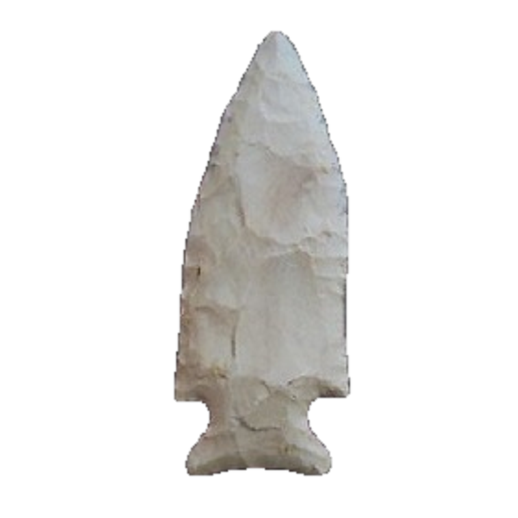 Jacks Reek Corner NotchWoodland1,500 - 1,000 B.P.
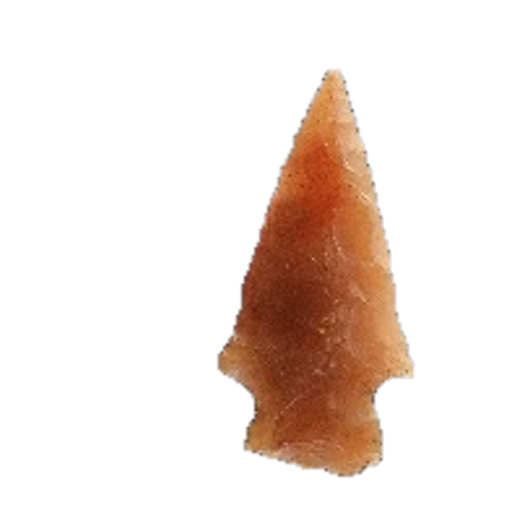 JacksonWoodland (Deptford, Swift Creek and Weeden Island)
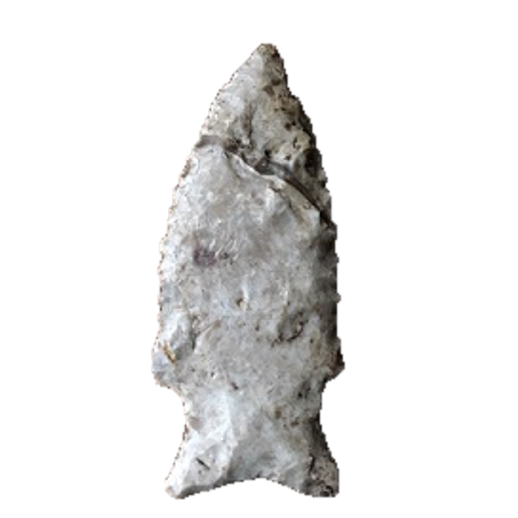 JakieMiddle Archaic (some summaries place it in the late Early Archaic)7,000 - 5,000 B.P.
%20Allen%20Lanceolate/James_(Jimmy)_Allen_Lanceolate_cleaned_2.png) James (Jimmy) AllenTransitional Paleo9,500 - 8,500 B.P.
James (Jimmy) AllenTransitional Paleo9,500 - 8,500 B.P.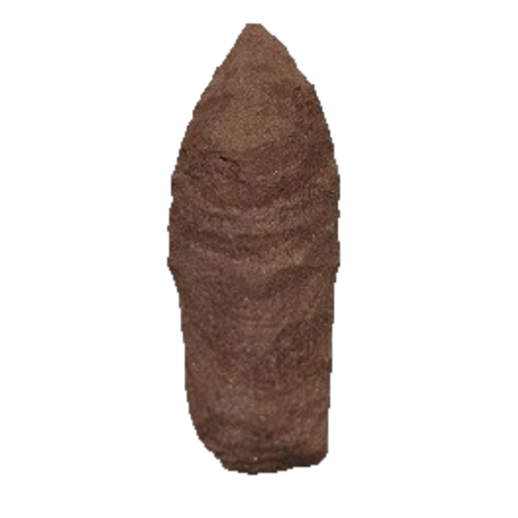 JayEarly Archaic to Middle Archaic11,000 - 8,000 B.P.
- Jeddito Yellow WareLate Prehistoric to ProtohistoricFrom about A.D. 1300; Jeddito Black-on-yellow A.D. 1325–1600 and Sikyatki Polychrome about A.D. 1375–1625 (Wilson 2012; NAU)
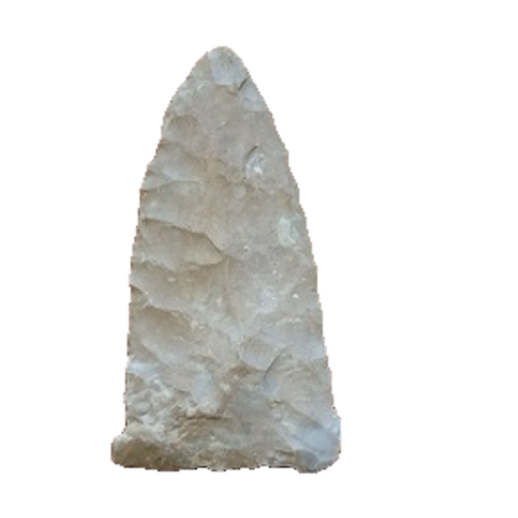 JeffTransitional Paleo
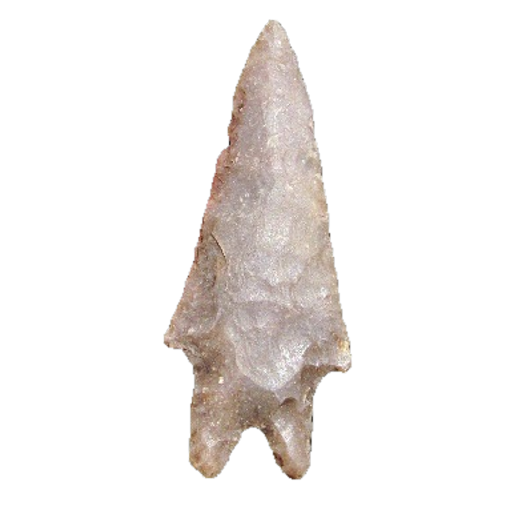 JettaEarly ArchaicWithin 8,800–6,000 B.P. (Early Archaic, Early Split Stem interval; Collins 1995)
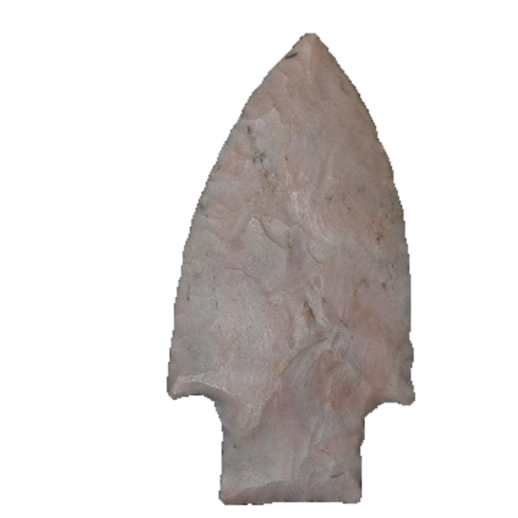 JohnsonMiddle ArchaicAbout 6,950–5,950 B.P. (5000–4000 B.C.; Jeter and Williams 1989); a Middle Archaic stratum with Johnson points at Jones Mill dated 7,950–6,250 cal B.P. (6000–4300 cal B.C.; Trubitt and Hanvey 2011)
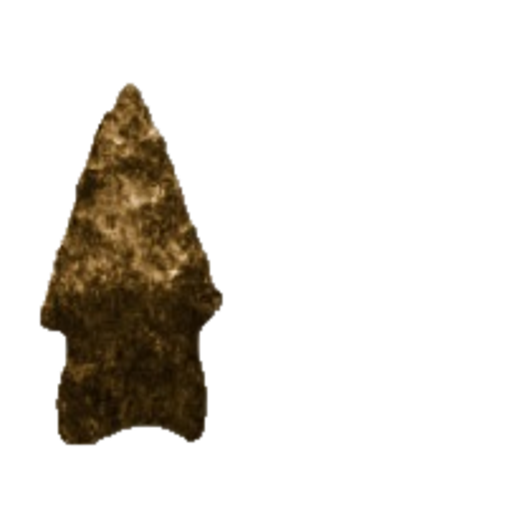 JudeTransitional Paleo to Early Archaic9,500 - 9,000 B.P.
K
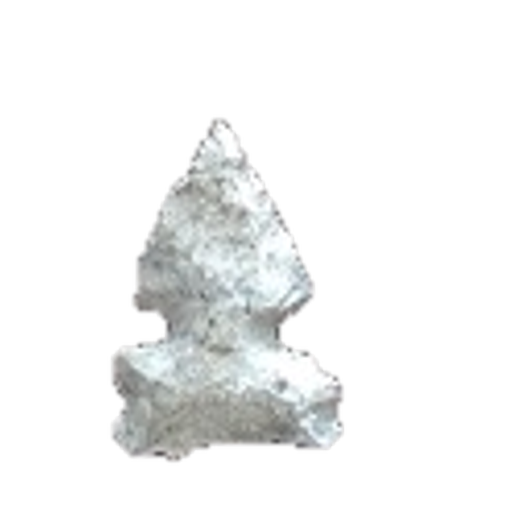 KamloopsLate Prehistoric (Kamloops horizon)1,200 - 200 B.P.
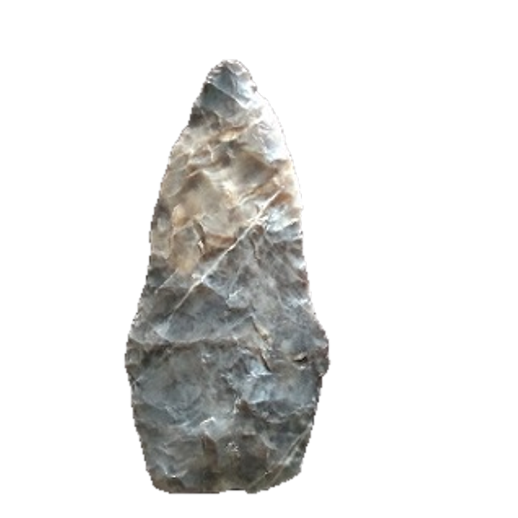 Kamloops Pentagonal KnifeLate Prehistoric (Kamloops horizon)About 1,200 - 200 B.P. (Kamloops horizon)
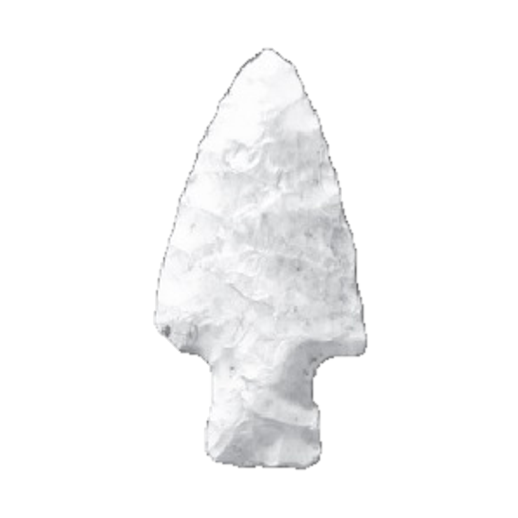 KampsvilleTerminal ArchaicAbout 2,800–2,600 B.P. (2770 ± 70 B.P. at Napoleon Hollow; 2600 ± 70 B.P. at Axedental, Illinois)
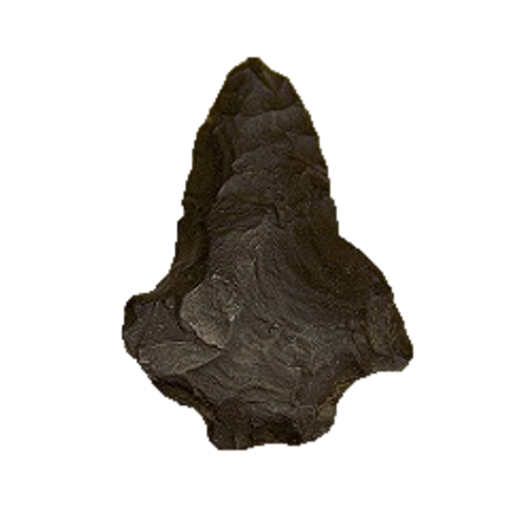 KanawhaEarly Archaic8,050 - 7,750 B.P. (6100-5800 B.C. radiocarbon, St. Albans)
- Kansas City HopewellMiddle WoodlandRadiocarbon dates from Renner range from A.D. 8 ± 250 to A.D. 687 ± 250; Wedel judged the occupation to be about the A.D. 100s–200s (Wedel 1959)
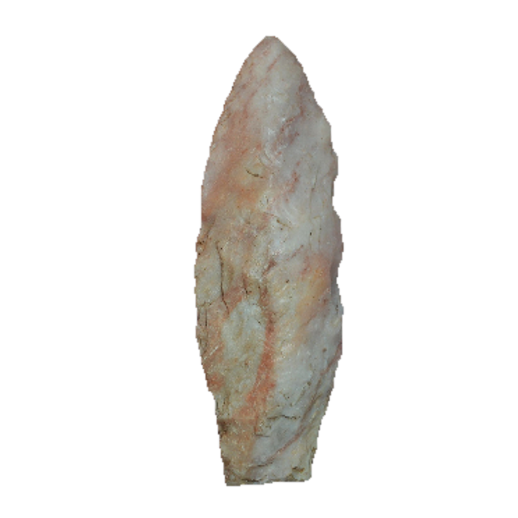 Karnak BladeMiddle Archaic to Late ArchaicAbout 5,700 - 4,000 B.P. (roughly 3700 - 2000 B.C.)
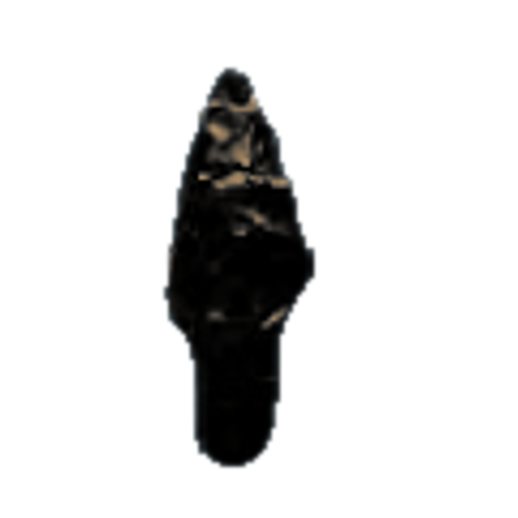 KavikPre-Historic2,500 - 1,200 B.P.
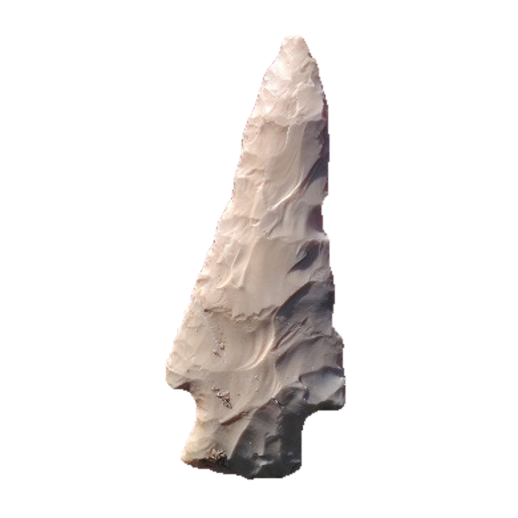 Kay BladeMississippianAbout 750 - 500 B.P. (A.D. 1200 - 1450, dated example from Spiro)
- Kayenta Black-on-WhiteAncestral Puebloan Pottery1260 - 1300 A.D.
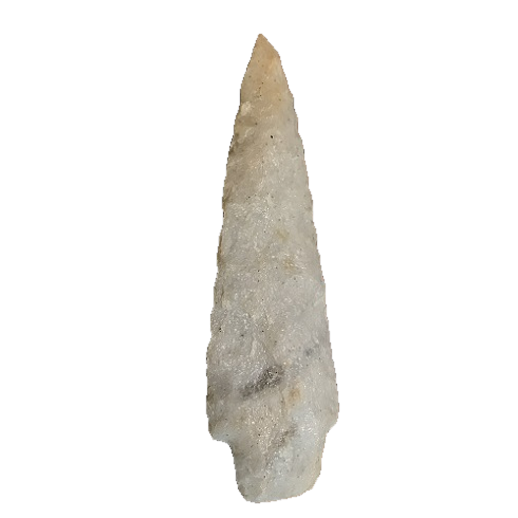 KaysMiddle Archaic to Late ArchaicMiddle to Late Archaic; Kneberg suggested a start about 5,000 B.P. (3000 B.C.)
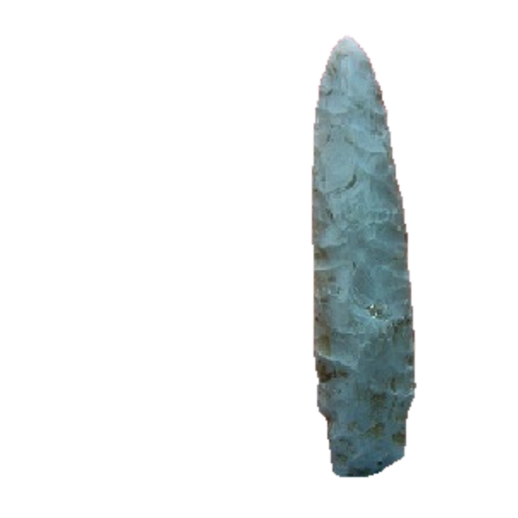 Kayuk
Kayuk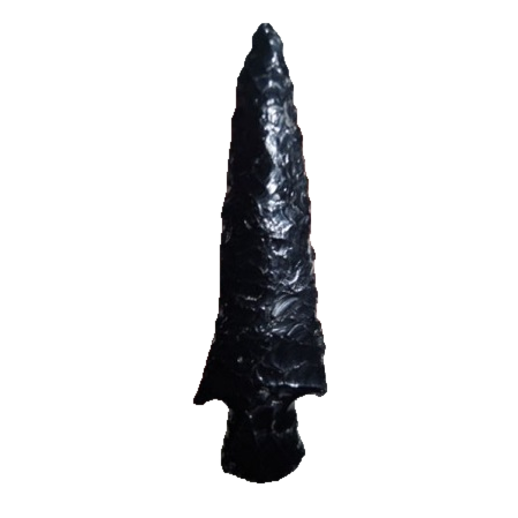 Kelsey CreekMiddle Archaic to Late Archaic6,000 - 4,500 B.P.
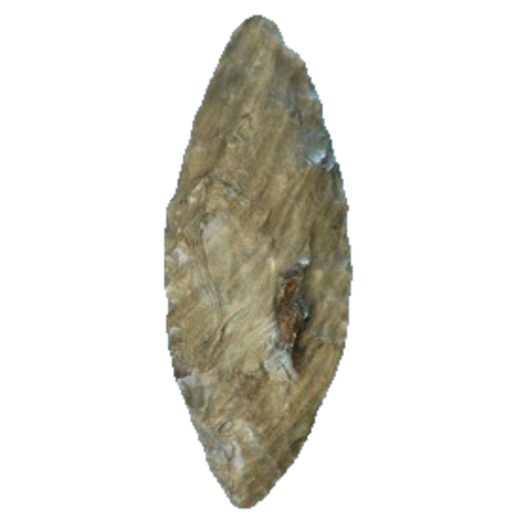 KennewickTransitional Paleo8,000 - 5,000 B.P.
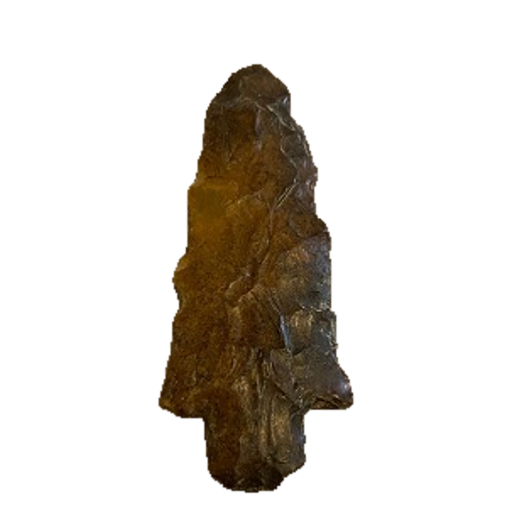 KentLate ArchaicProbably late in the Archaic
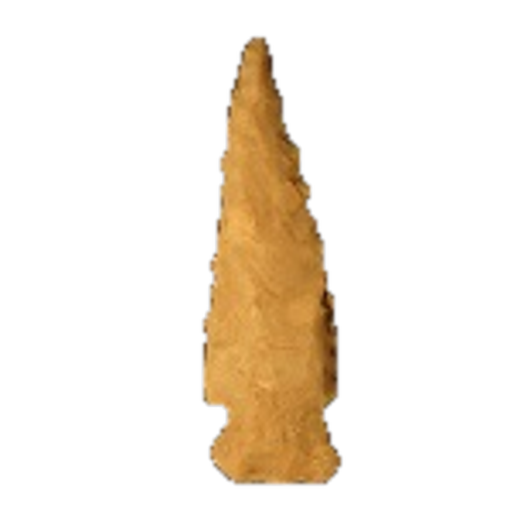 KeotaMississippian
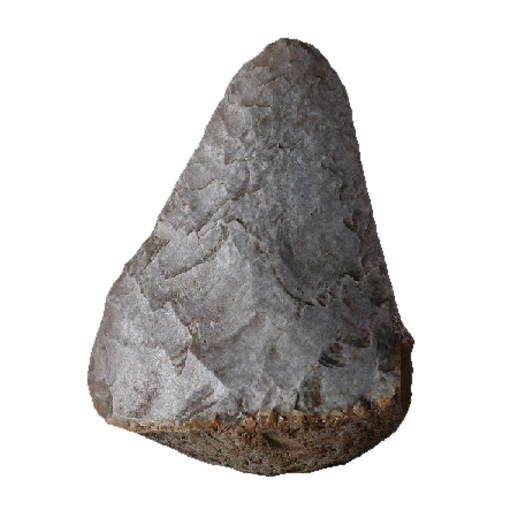 KerrvilleMiddle Archaic to Late ArchaicA Late Archaic example from Sayles Adobe (Lower Pecos) dates to 2,955 - 2,781 cal B.P.
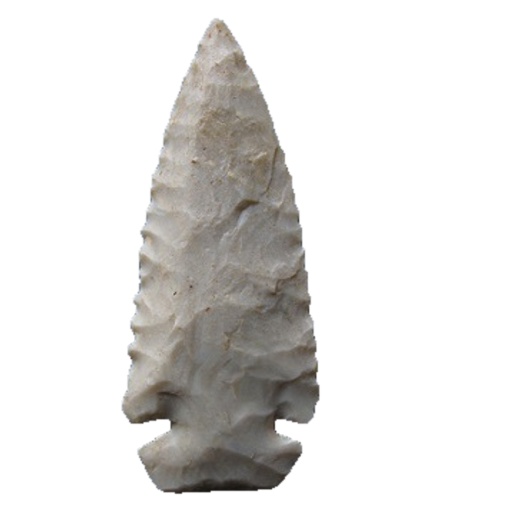 KesselEarly ArchaicAbout 9,850 B.P. (7900 B.C.), radiocarbon date at St. Albans (Perino 1971; Virginia DHR)
- Key Marco PotteryPottery500 – 1500 A.D.
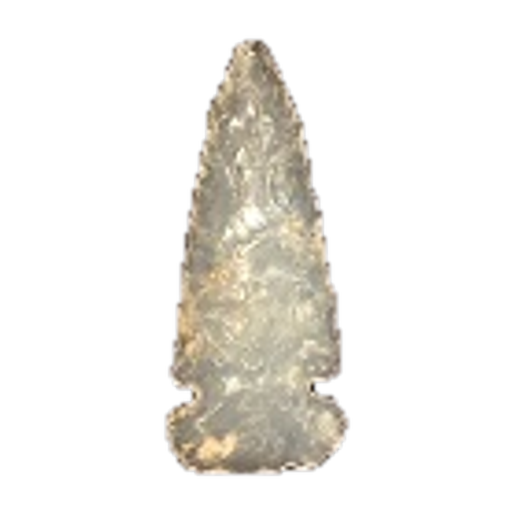 Kin Kletso
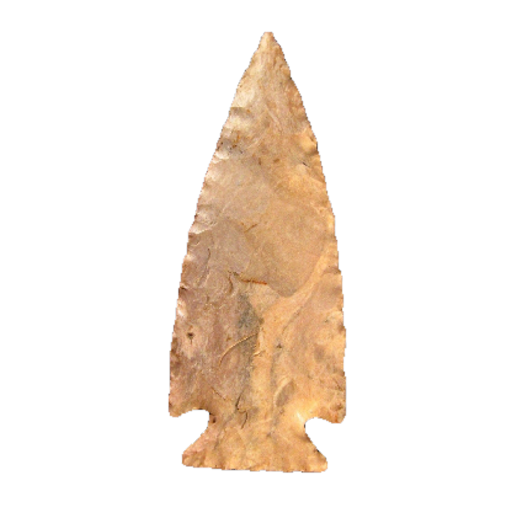 KingsLate ArchaicAbout 3,800–3,000 B.P. (radiocarbon), late to terminal Late Archaic (Ray n.d.)
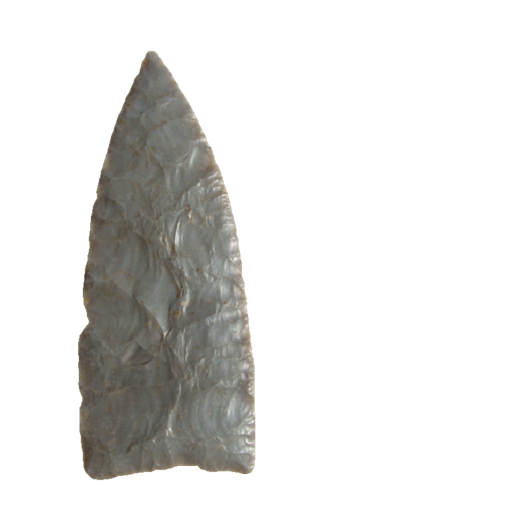 KinneyLate ArchaicLate Archaic: the Pedernales–Kinney style interval, second of six style intervals in the central Texas Late Archaic, about 4,000–1,200 B.P. overall (Collins 1995); 1000 or 2000 B.C.–A.D. 1000 estimated in 1954 (Suhm and Krieger)
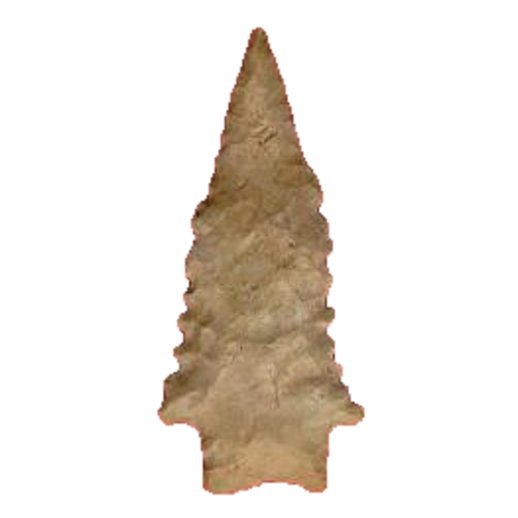 KirkLate Early Archaic8,900 - 8,000 B.P. (Justice 1987; Virginia gives 8,800-8,100 B.P.)
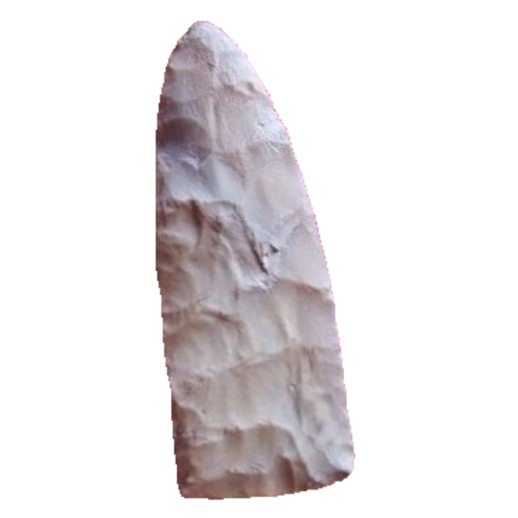 Kirk BladeEarly ArchaicAbout 9,950–7,950 B.P. (8000–6000 B.C.) for Kirk Corner Notched and about 7,950 B.P. (6000 B.C.) for Kirk Serrated and Kirk Stemmed in North Carolina (Davis and Daniel 1990)
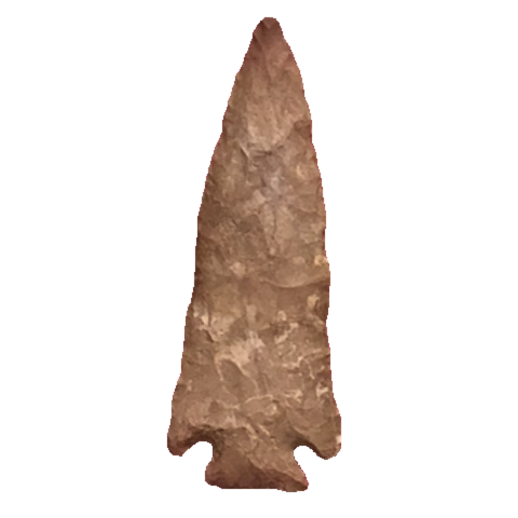 Kirk CornerEarly Archaic9,350 - 8,450 B.P. (7400-6500 B.C.; a radiocarbon date of about 6980 B.C. comes from the St. Albans site, West Virginia)
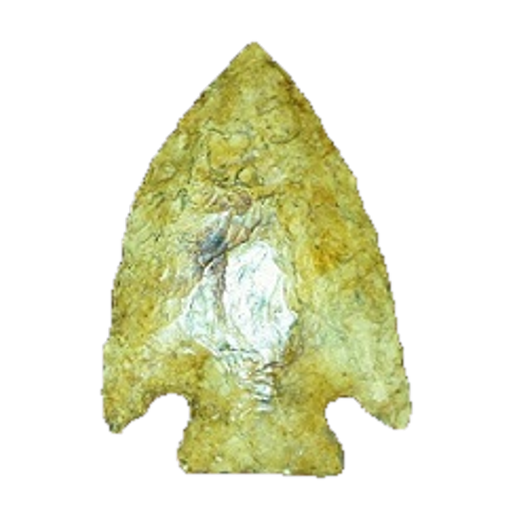 Kirk Corner NotchEarly Archaic9,500–8,900 B.P. (Justice 1987); 9,400–8,500 B.P. (Virginia DHR); 9,200–8,900 B.P. (Steponaitis 1980); three dates of 7,530–7,290 B.P. at Pig Point, Maryland, suggest it lasted later in the north (Maryland JPPM)
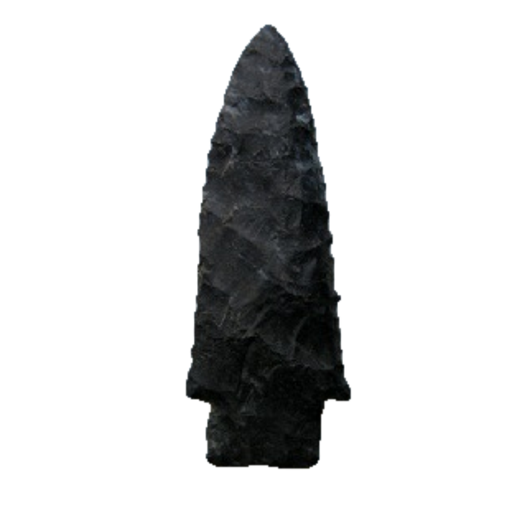 Kirk SerratedEarly Archaic8,900–8,000 B.P. (St. Albans, West Virginia; Maryland JPPM); about 8,150–7,650 cal B.P. (6200–5700 B.C.; Virginia DHR); 7,950–6,950 B.P. (6000–5000 B.C.; Coe, cited by Cambron and Hulse 1975)
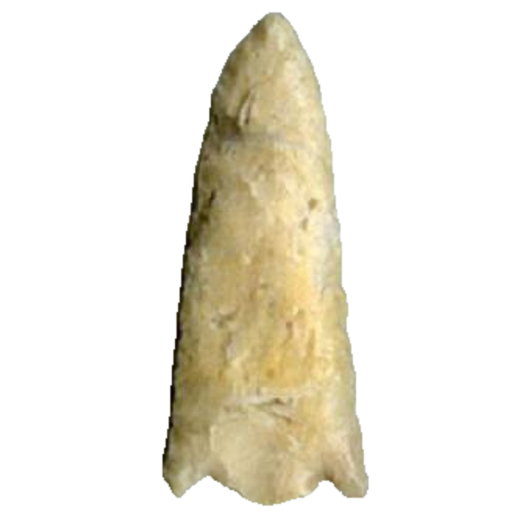 Kirk SnappedEarly ArchaicAbout 9,950–7,950 B.P. (8000–6000 B.C.) for the Kirk types in North Carolina (Davis and Daniel 1990)
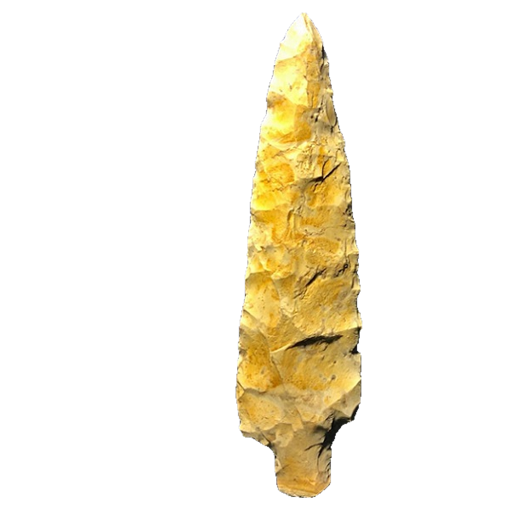 Kirk StemmedEarly Archaic8,900–8,000 B.P. (Justice 1987); 8,800–8,100 B.P. in Virginia (DHR); 8,200–8,000 B.P. in Delaware (Custer 1996), as summarized by the Maryland Archaeological Conservation Laboratory
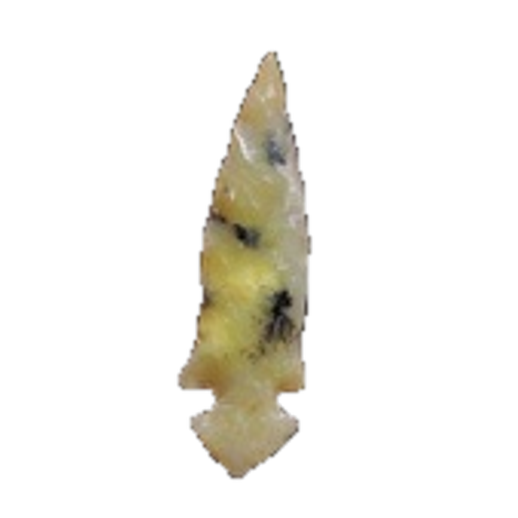 KlickitatHistoric300 - 160 B.P.
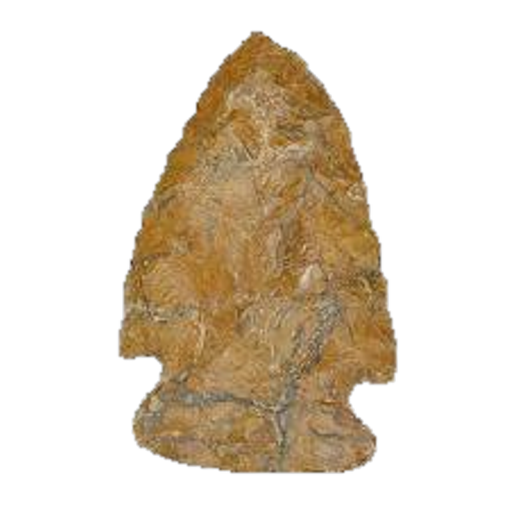 KlineEarly Archaic
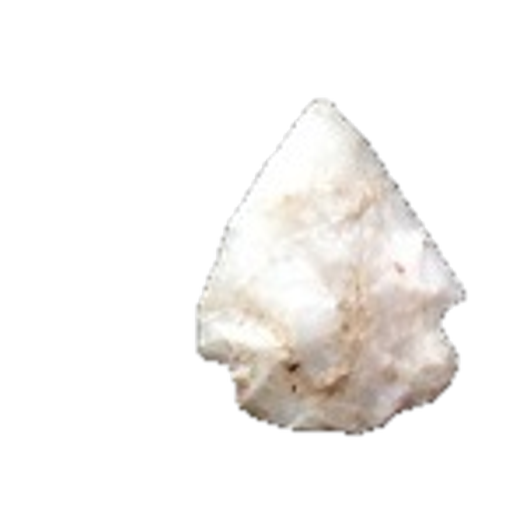 KlunkWoodland1,500 - 1,000 B.P.
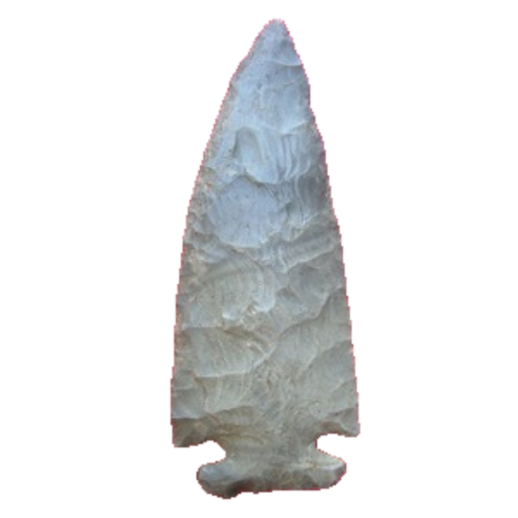 Knight IslandLate WoodlandAbout 1,500 - 1,000 B.P.
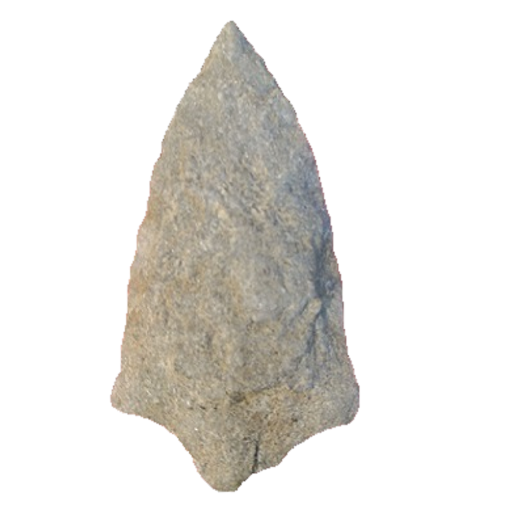 Koens Crispin BroadspearLate Archaic3,900 - 3,600 B.P. (published estimates run from about 4,450 to 3,600 B.P.)
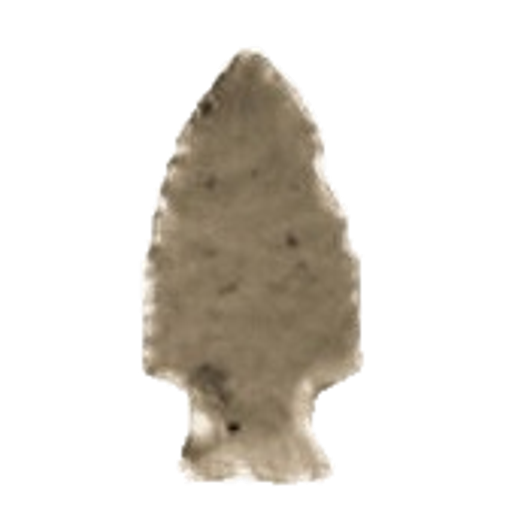 KosterWoodland2,500 - 1,500 B.P.
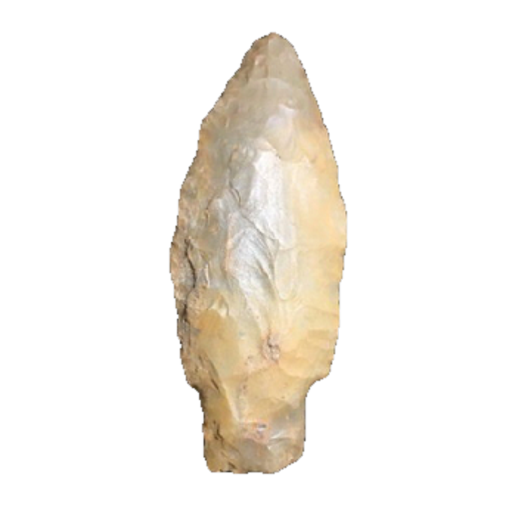 KramerEarly WoodlandAbout 2,950–2,450 B.P. (1000–500 B.C., Indiana DNR); dated Kentucky contexts 770–410 cal B.C., about 2,720–2,360 cal B.P. (Applegate 2008)
L
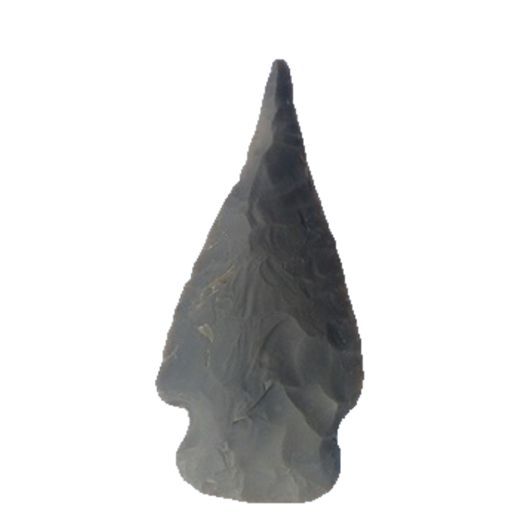 La JitaMiddle ArchaicProbably Middle Archaic, not closely dated (Hester 1971); the Central Texas Middle Archaic is about 6,000–4,000 B.P. (Collins 1995)
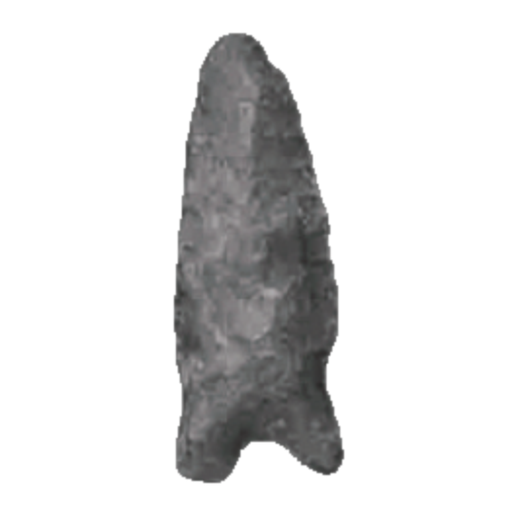 La PlayaMiddle to Late Archaic
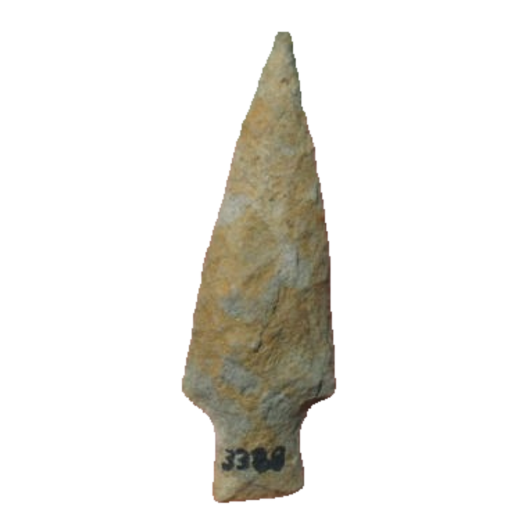 LackawaxenLate Archaic4,560–2,650 B.P. (radiocarbon dates from the Faucett site, Pennsylvania, and Gropp's Lake, New Jersey); Kraft (1975) reports 2610–2210 B.C. at Tocks Island
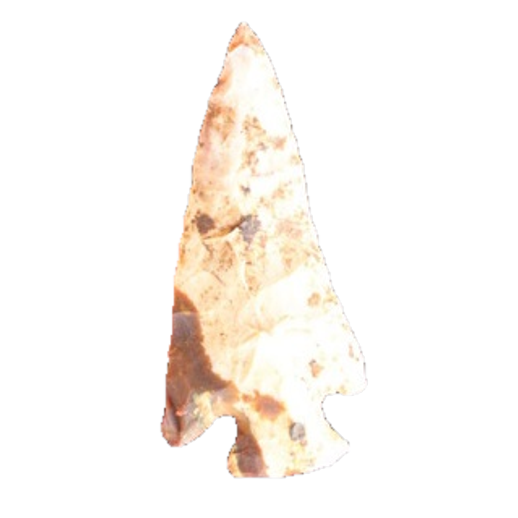 LafayetteLate Archaic to Transitional4,000 - 2,500 B.P.
- Laguna PolychromeHistoric Pueblo Pottery (AD 1600-Present)1830 – 1930 A.D.
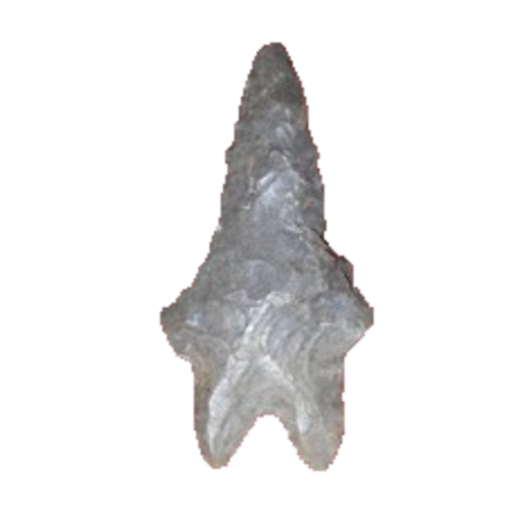 Lake ErrieEarly Archaic8,300 - 7,800 B.P.
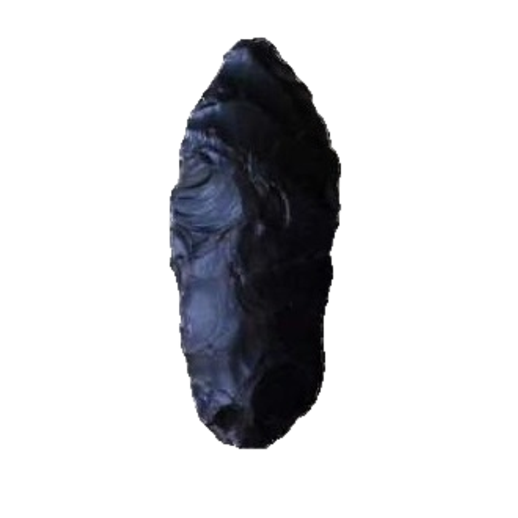 Lake MohaveTransitional Paleo11,000 - 9,600 B.P.
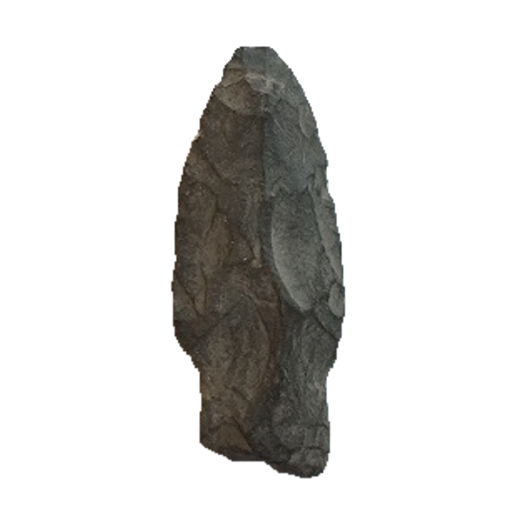 LamokaLate Archaic5,500–3,600 B.P. (Maryland JPPM, from New York, Upper Susquehanna and Pennsylvania dates); Lamoka Lake site modelled at 2962–2902 cal B.C., about 4,900 cal B.P. (Hart et al. 2023)
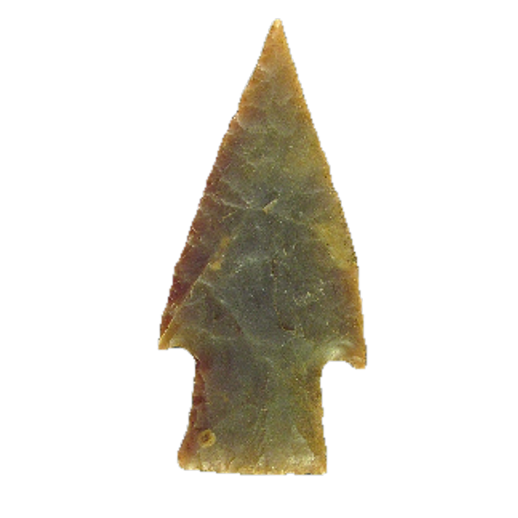 LangeLate ArchaicAbout 2,600–2,250 B.P. in Central Texas (San Marcos phase; Prewitt 1981); first estimated at 4000 B.C.–A.D. 1000, about 5,950–950 B.P. (Suhm, Krieger and Jelks 1954)
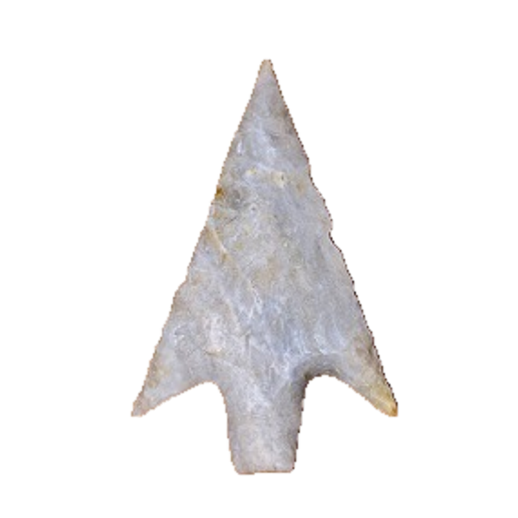 LangtryMiddle Archaic4,100 - 3,200 B.P. (Lower Pecos, Hinds Cave sequence)
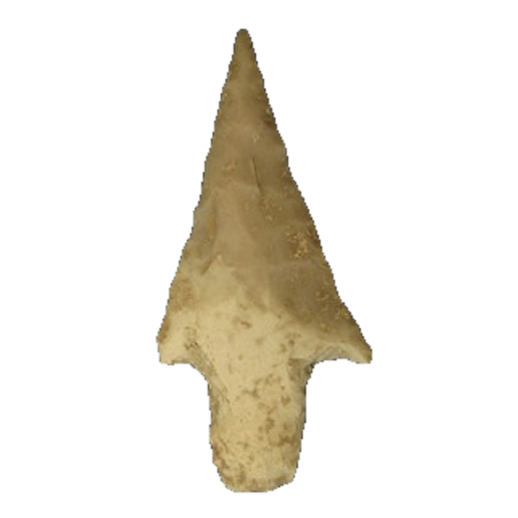 Langtry ArenosaMiddle Archaic4,500 - 3,000 B.P.
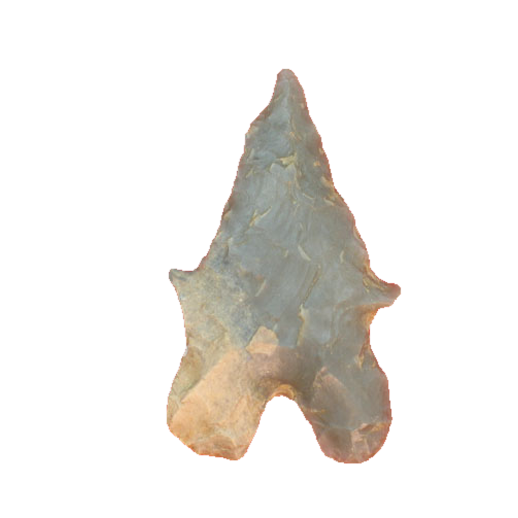 LeCroyEarly Archaic (latest Early Archaic; some place it in the early Middle Archaic)8,500–7,800 B.P. (Justice 1987); 8,600–8,300 B.P. (Steponaitis 1980), as summarized by the Maryland Archaeological Conservation Laboratory; 8,250 ± 100 B.P. at St. Albans, West Virginia (Broyles 1971)
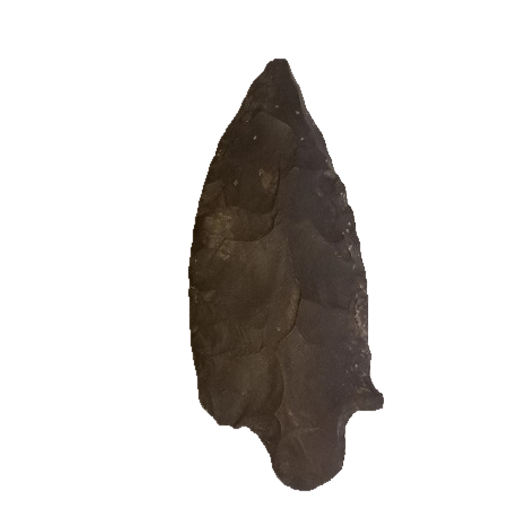 LedbetterLate Archaic to Early WoodlandAbout 5,000 - 2,000 B.P.
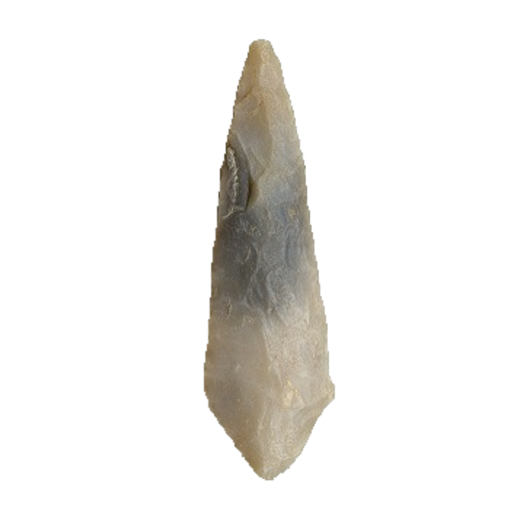 LeFloreLate Archaic to Early Woodland3,500 - 1,900 B.P.
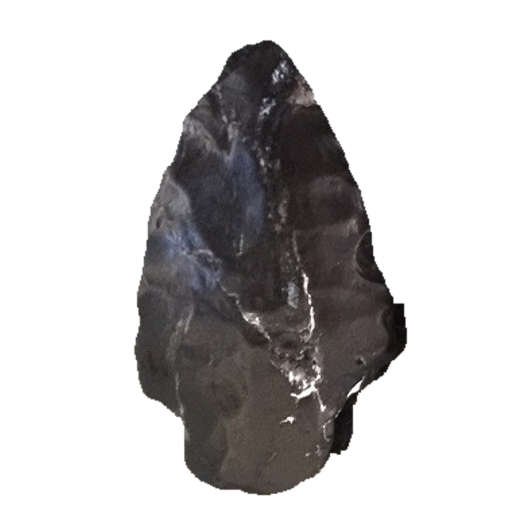 Lehigh EasternLate Archaic4,450–3,650 B.P. (2500–1700 B.C., Custer 1996, cited by Maryland JPPM)
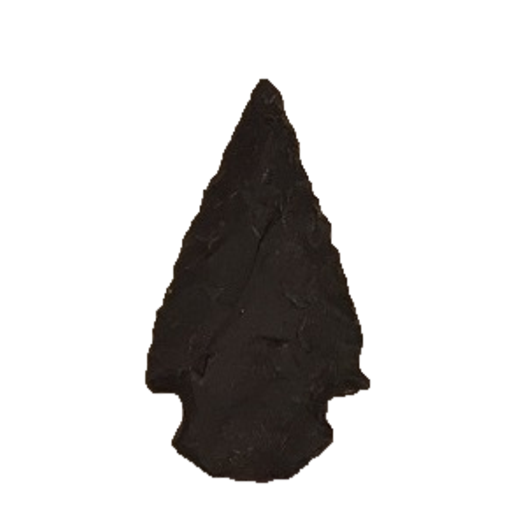 LehmanMiddle ArchaicAbout 6,000 - 4,500 B.P. (Lehman phase)
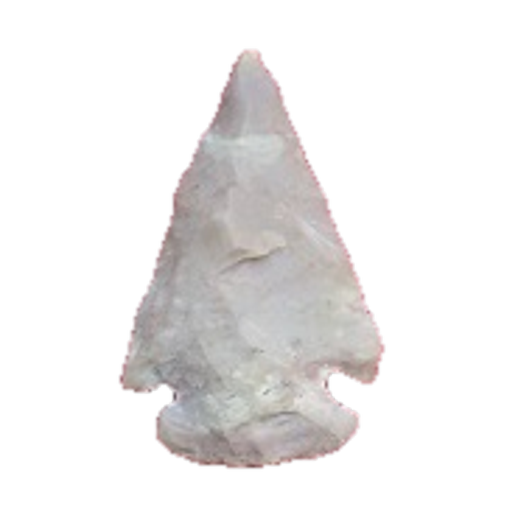 LeonLate Woodland
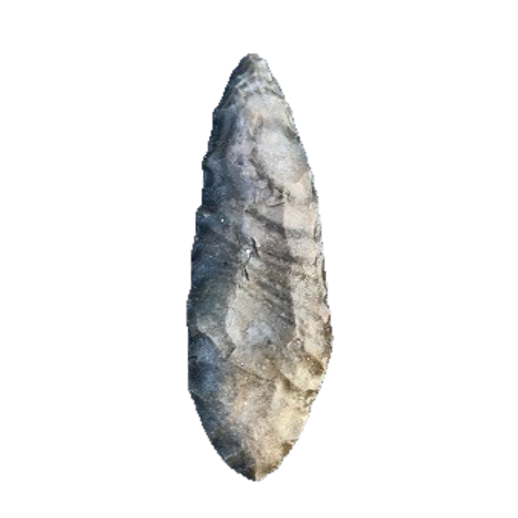 LermaLate Paleoindian to Middle ArchaicArchaic in Texas, from well before to somewhat after the time of Christ (Suhm and Krieger 1954); a possible Paleoindian age is debated (Texas Beyond History); transitional Paleoindian to Middle Archaic in north Alabama (Cambron and Hulse 1975)
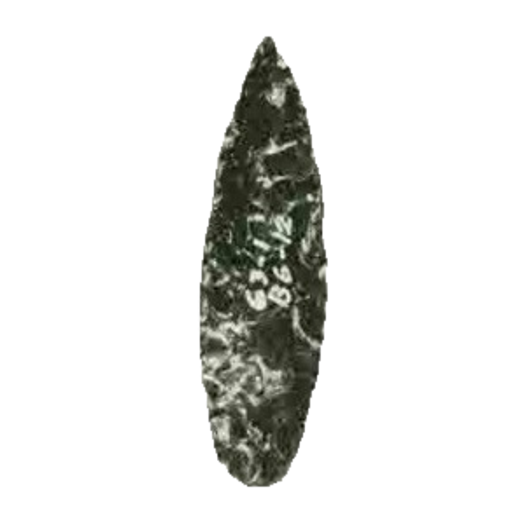 Lermoide
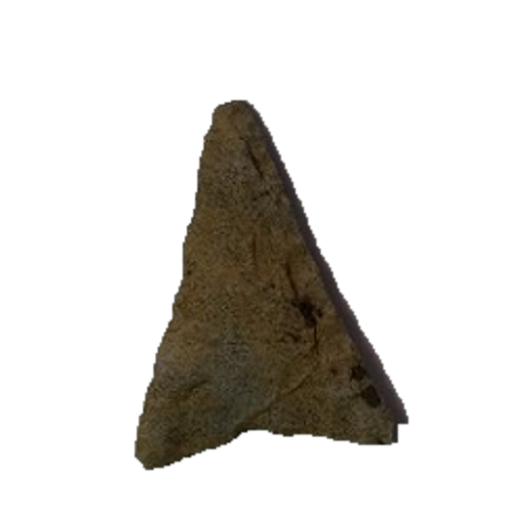 LevannaLate Woodland1,350 - 600 B.P. (A.D. 600-1350; authors differ on the exact span)
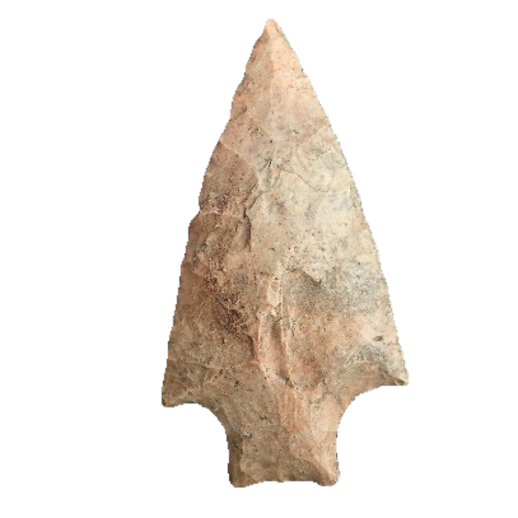 LevyMiddle Archaic to Late Archaic6,000 - 3,500 B.P.
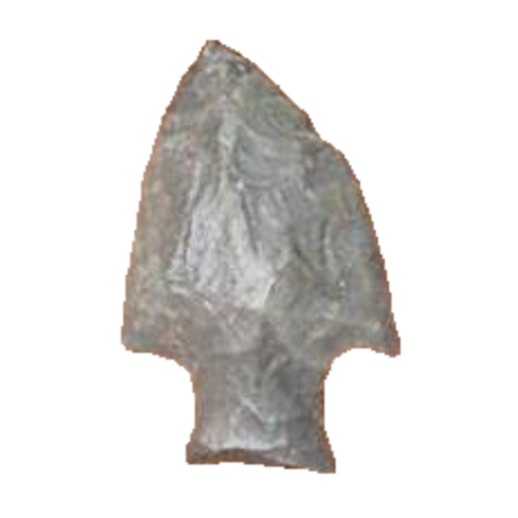 LimestoneLate Archaic to Early WoodlandLate Archaic and/or Woodland; no radiocarbon dates published
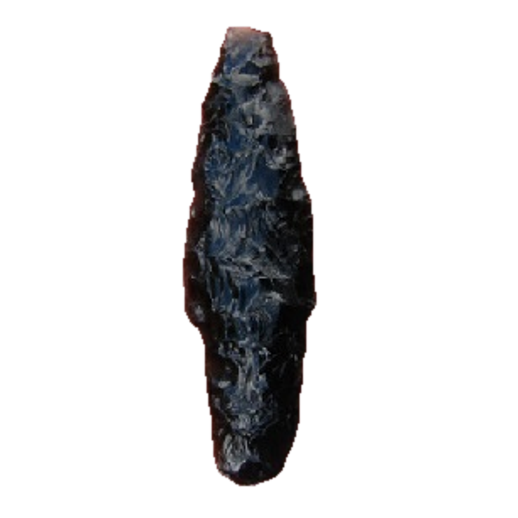 Lind CouleeTransitional Paleo10,500 - 9,000 B.P.
- Lino Black-on-GrayAncestral Puebloan Pottery600 - 825 A.D.
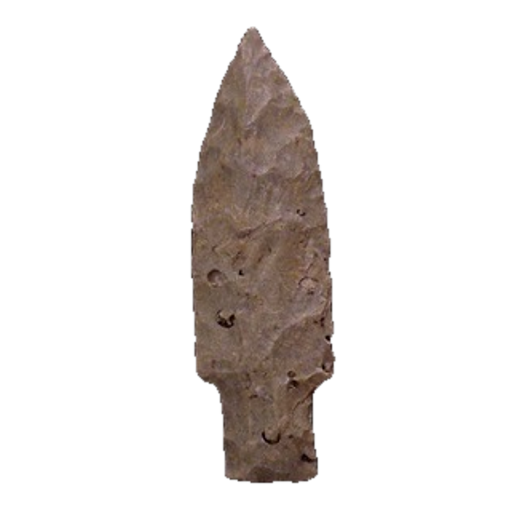 Little BearLate Archaic to WoodlandAbout 4,000 - 1,500 B.P. (Late Archaic into Woodland, most common in the Late Woodland)
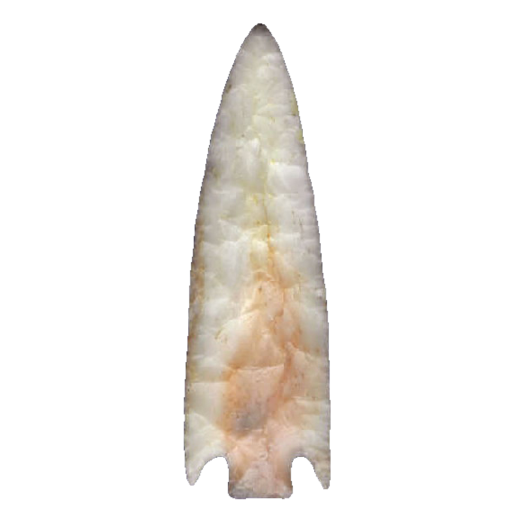 Little RiverLate Archaic to Early Woodland
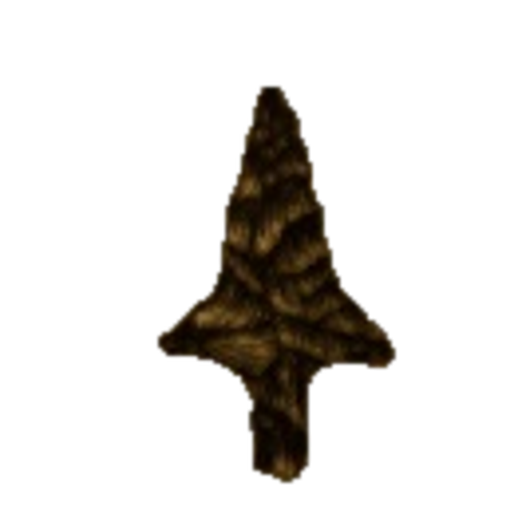 LivermoreDevelopmental to Prehistoric1,200 - 800 B.P.
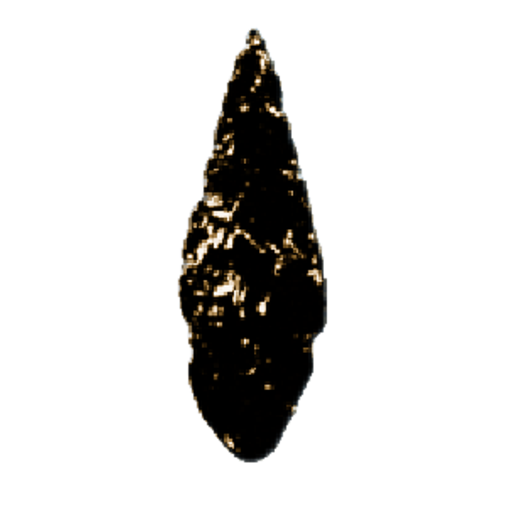 LochnoreMiddle ArchaicAbout 5,000 - 3,500 B.P. (Lochnore phase); the earliest dates may reach about 5,500 B.P.
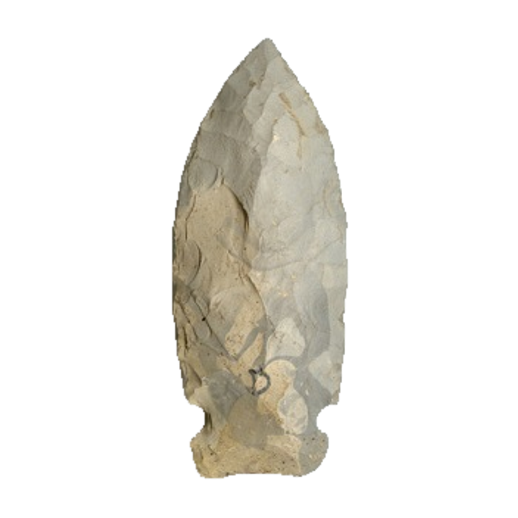 Logan CreekEarly Archaic8,000 - 6,000 B.P.
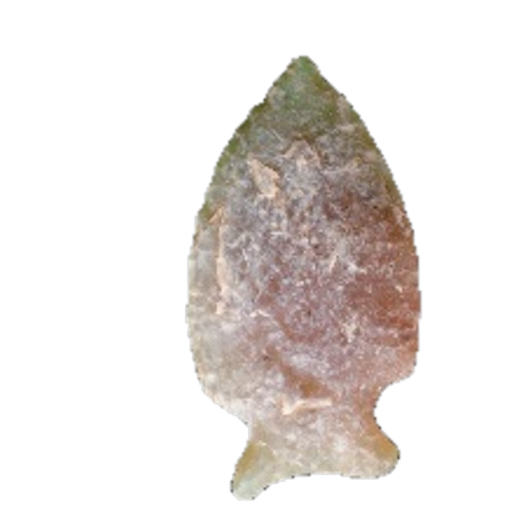 Long CreekMiddle ArchaicAbout 4,900 - 4,500 radiocarbon years B.P. (Estevan phase)
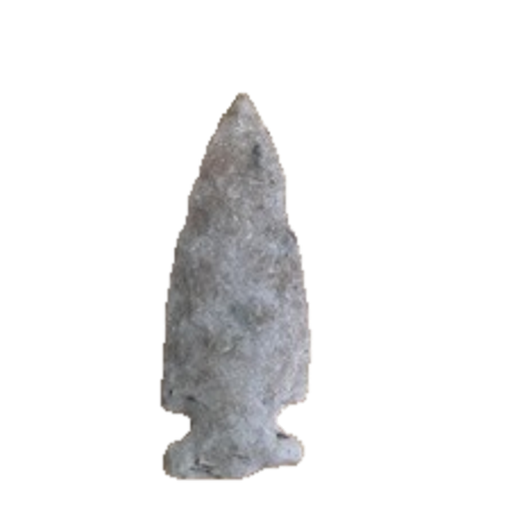 LookingbillEarly Archaic to Middle Archaic
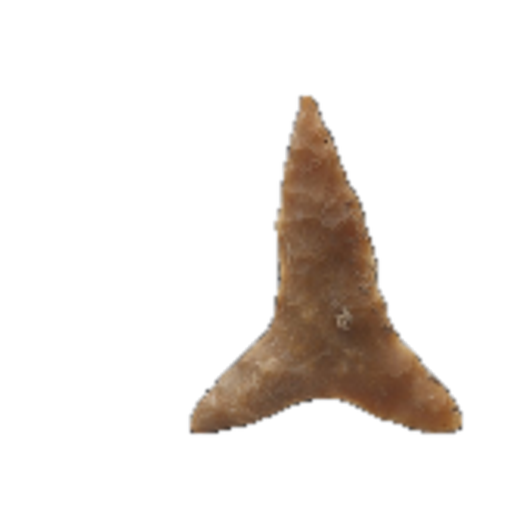 Los AngelesLate Prehistoric to Historic700 - 300 B.P.
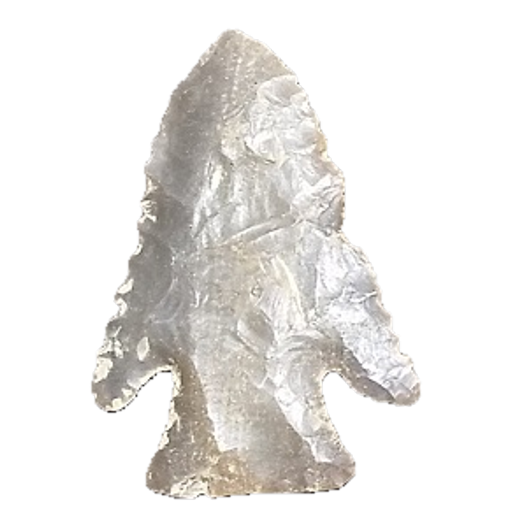 Lost LakeEarly Archaic9,950–7,950 cal B.P. (8000–6000 B.C., Indiana DNR); older than about 5,000 B.P. in north Alabama (Cambron and Hulse 1975)
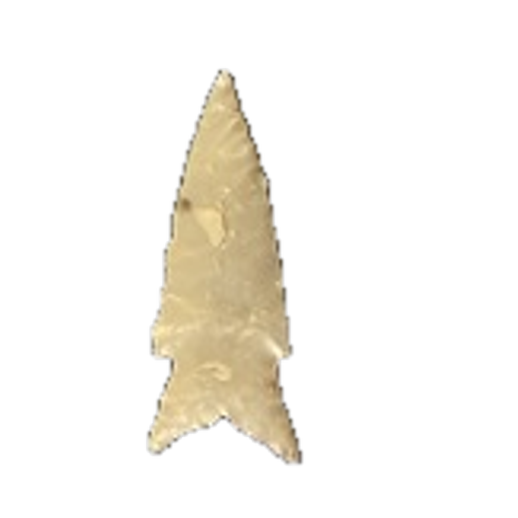 LottPre-Historic600 - 500 B.P.
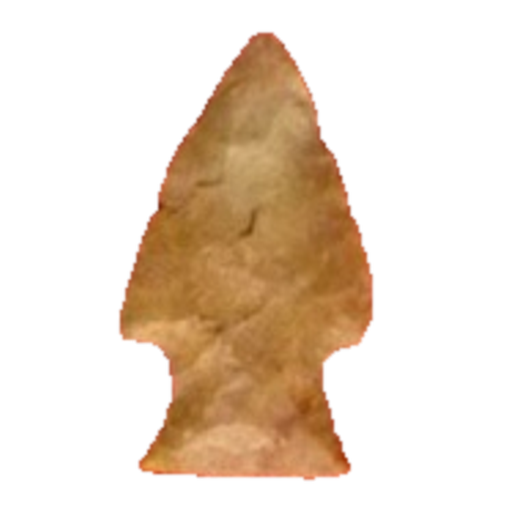 LoweMiddle Woodland to Late Woodland1,750–1,150 B.P. (A.D. 200–800; Maggard et al. 2012); A.D. 200–700 in Indiana (Jones and Johnson 2003)
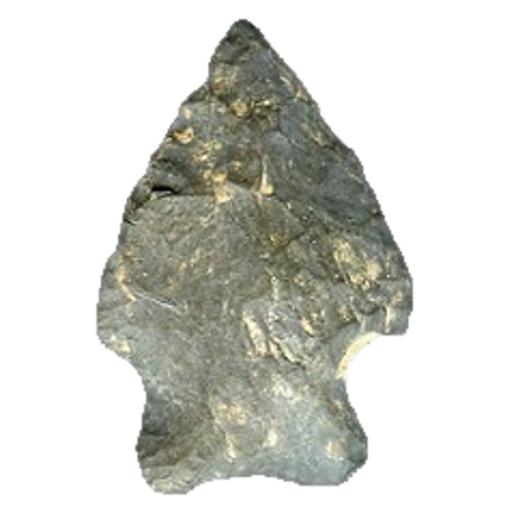 LycomingMiddle Archaic6,000 - 4,000 B.P.
M
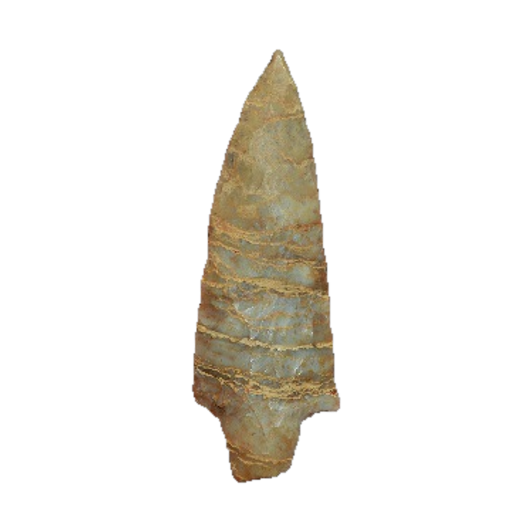 MabinLate Archaic to Early Woodland3,500 - 1,900 B.P.
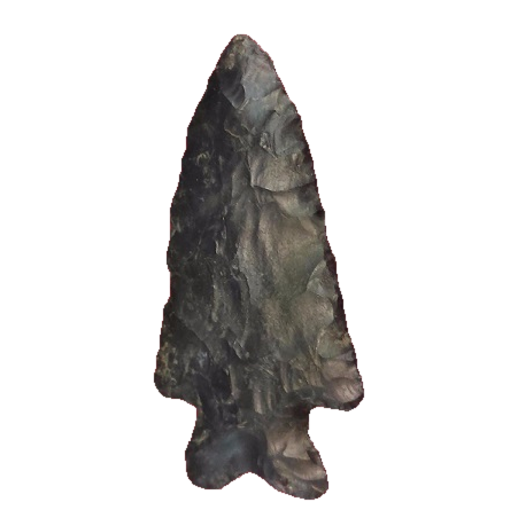 MacCorkleEarly Archaic8,850–8,750 B.P. at St. Albans (Broyles 1971); 9,000–8,500 B.P. (Justice 1987); dates of 9,420–9,300 B.P. (Bergman et al. 1998) (all as summarized by Maryland JPPM); 7000–6500 B.C. in Indiana (Indiana DNR)
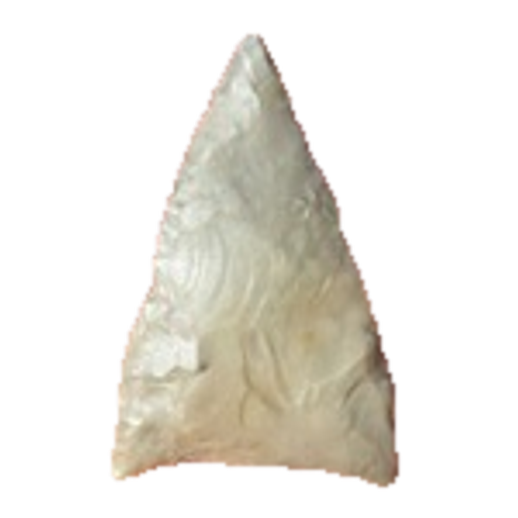 MadisonLate Woodland to Mississippian1,100–300 B.P. in the Upper Mississippi Valley (MVAC); about A.D. 1250–1600 in Maryland (Maryland JPPM); A.D. 1300–1800 for similar Late Mississippi triangles in Tennessee (Kneberg 1956, via Cambron and Hulse 1975)
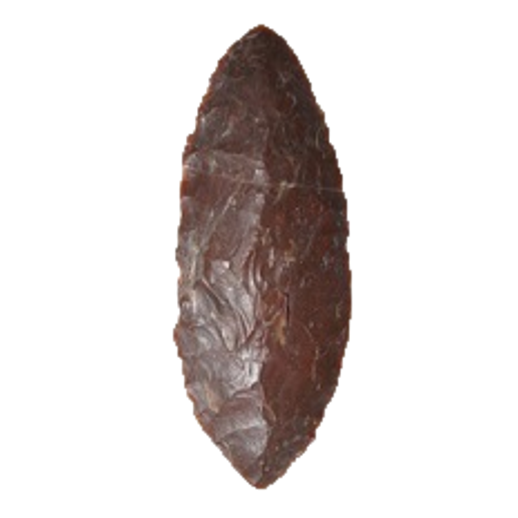 Malaga CoveDevelopmental to Late Prehistoric1,500 - 700 B.P.
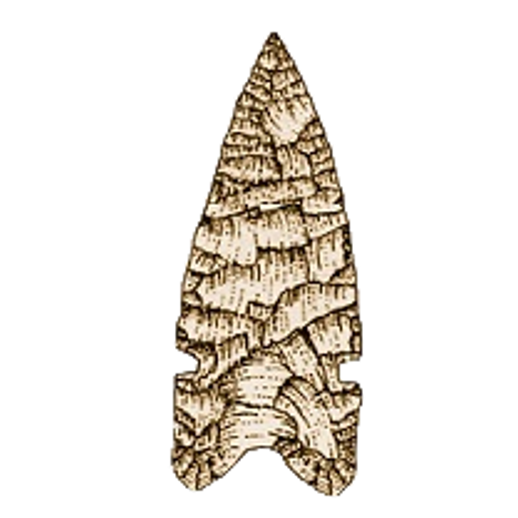 MalloryMiddle Archaic4,500 -3,500 B.P.
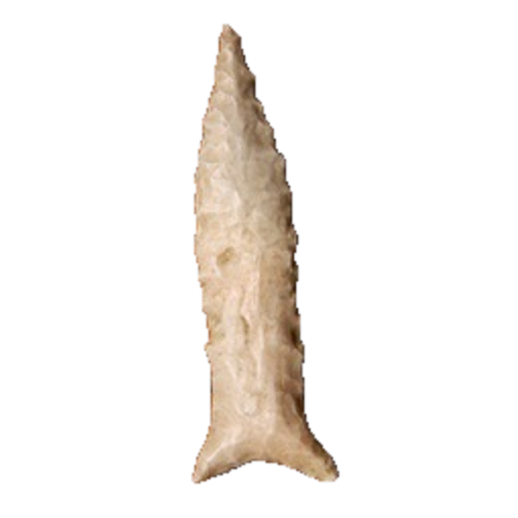 ManasotaWoodlandManasota culture: about 500 B.C. to A.D. 800 (about 2,500 - 1,200 B.P.)
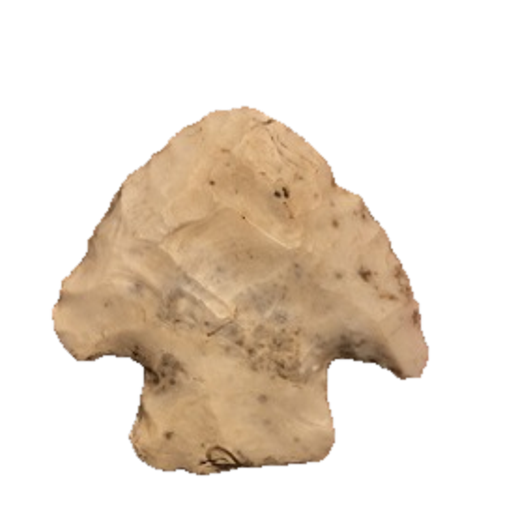 MankerMiddle WoodlandAbout 2,000–1,550 B.P. (about 50 B.C.–A.D. 400): from Early Hopewell until Weaver ware became dominant (Montet-White 1968)
/new-photo-1763588727570_1763588727570.jpg) Mano (Handstone)Early Archaic to Historic8,000–100 B.P.
Mano (Handstone)Early Archaic to Historic8,000–100 B.P.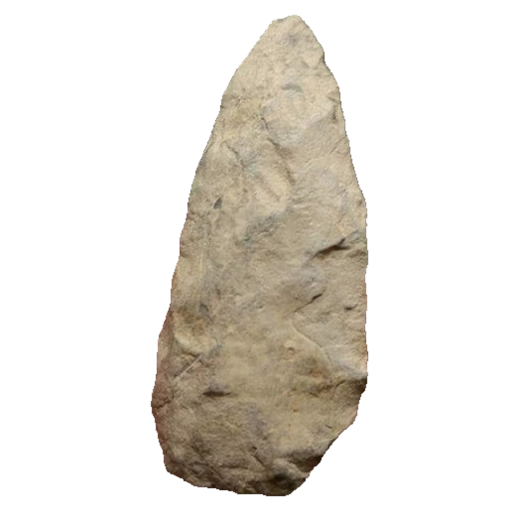 Mansion InnTerminal (Transitional) Archaic3,700 - 2,700 B.P. (Terminal or Transitional Archaic; the Mansion Inn cemetery is about 3,500 years old)
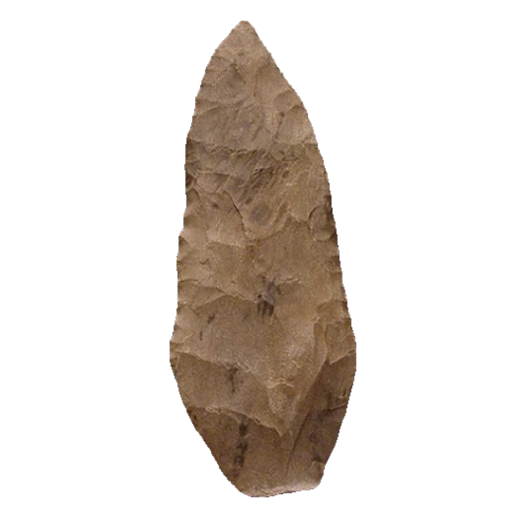 MaplesMiddle Archaic to Late ArchaicAbout 4,000 B.P. or slightly earlier (Cambron and Hulse 1964)
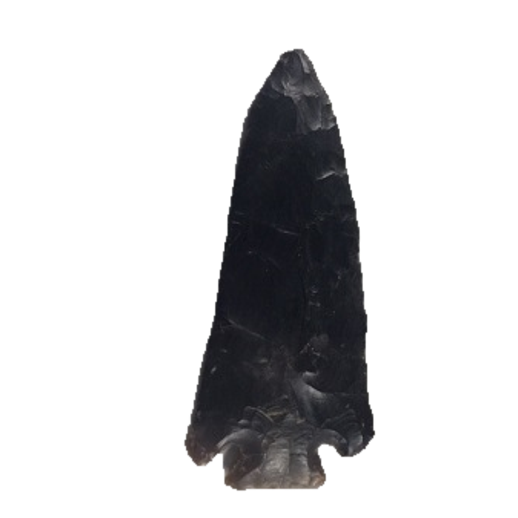 MarcosLate ArchaicLate Archaic; in the Lower Pecos about 2,300 radiocarbon years B.P. (Flanders subperiod). The 1954 handbook guessed 2000 B.C. - A.D. 1000
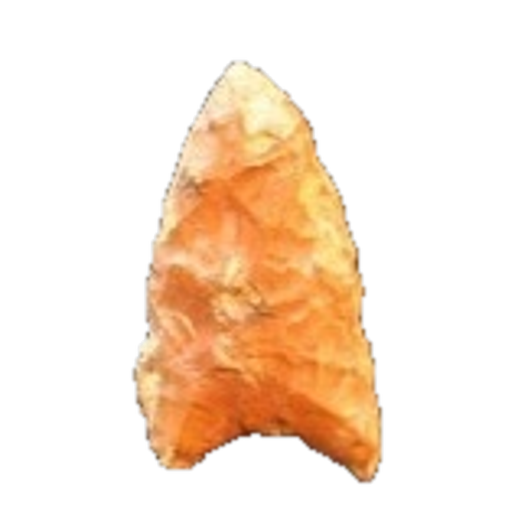 MarianneEarly Dalton (late Paleoindian to Early Archaic transition)10,000 - 9,000 B.P.
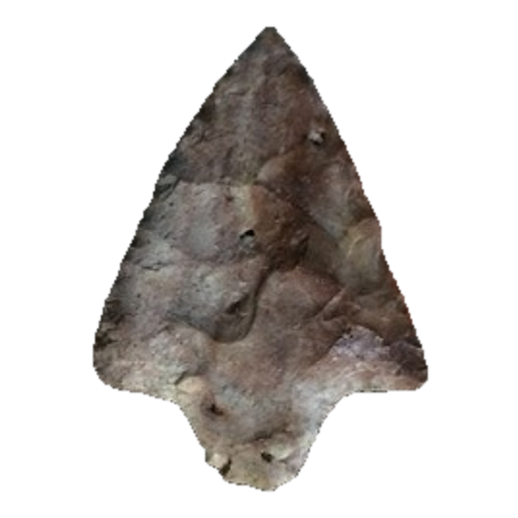 MarionMiddle Archaic to Transitional6,000 - 3,500 B.P.
- Marksville StampedGulf Coast / Southeastern Ceramic Traditions1 – 400 A.D.
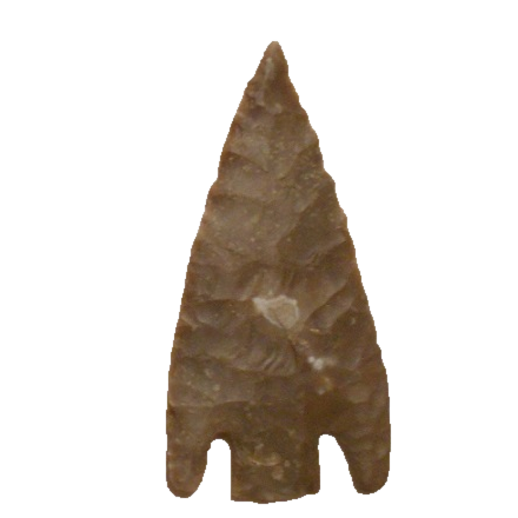 MarshallLate Archaic3,150–2,300 B.P. (Lower Pecos Cibola subperiod, Texas Beyond History)
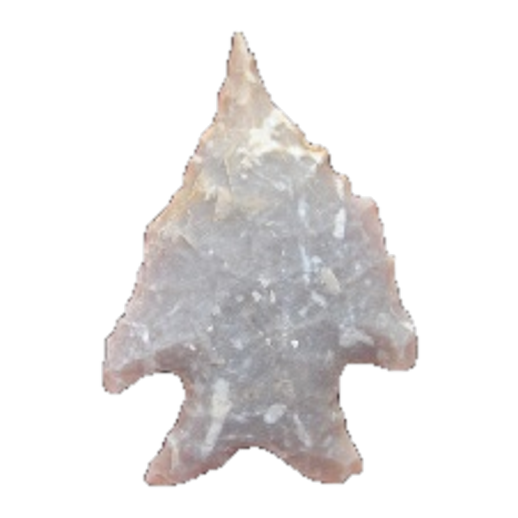 MartindaleEarly ArchaicTerminal Early Archaic: the last Early Archaic style interval before about 6,000 B.P. (Collins 1995); before about 3600 B.C. on the eastern Edwards Plateau (Johnson and Goode 1994)
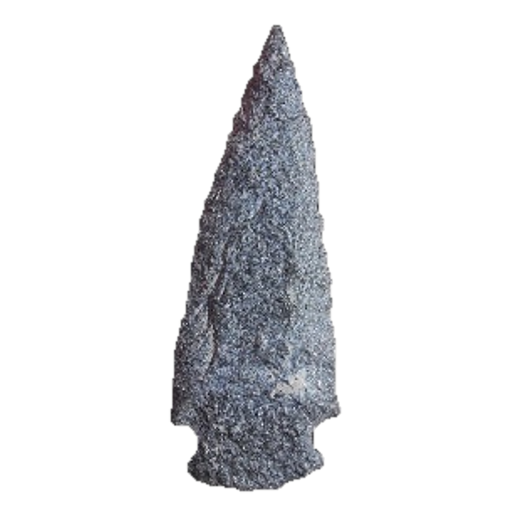 MartisTransitional Archaic to Developmental3,000 - 1,350 B.P.
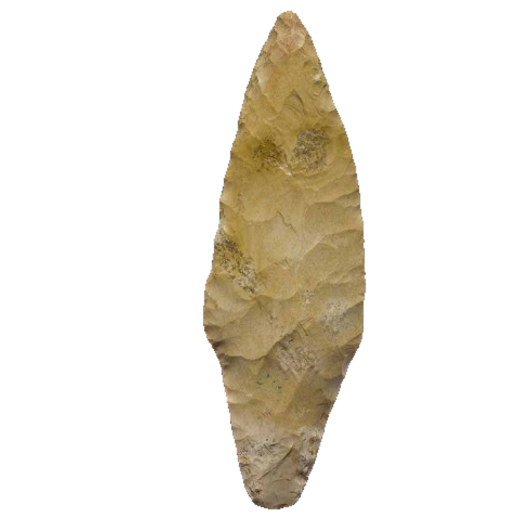 MasonWoodland
- Mata Ortiz (modern)Casas Grandes / Paquime Pottery1970 – Present A.D.
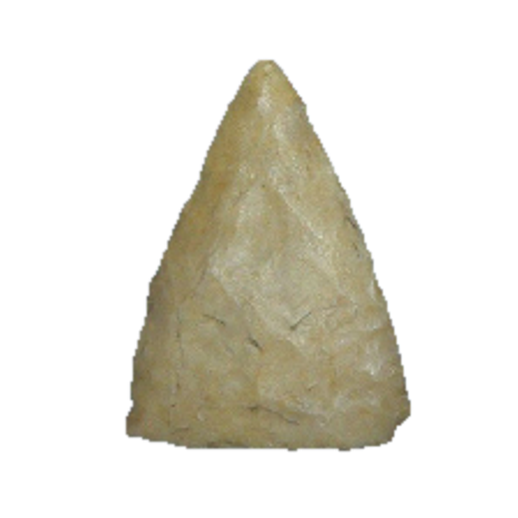 MatamorosTransitional Archaic to Developmental1,400 - 200 B.P.
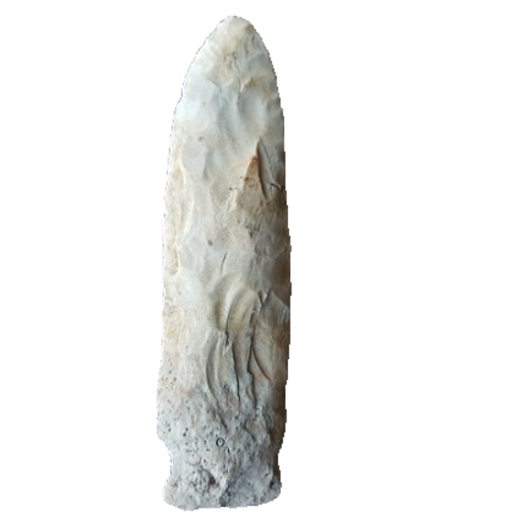 MatanzasMiddle Archaic to Late Archaic5,300–4,980 B.P. at a dated French Lick phase site in Indiana; 6000–3000 B.C. (Illinois State Museum) or 3700–2000 B.C. (Indiana DNR)
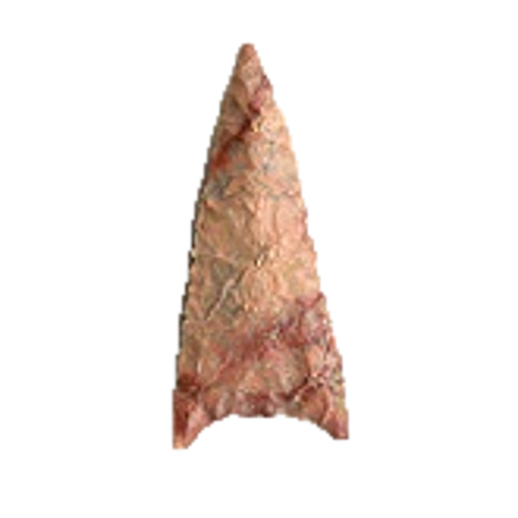 MaudLate Prehistoric to ProtohistoricAbout 450–300 B.P. (16th to early 17th century A.D.; Social Hill phase, Arkansas)
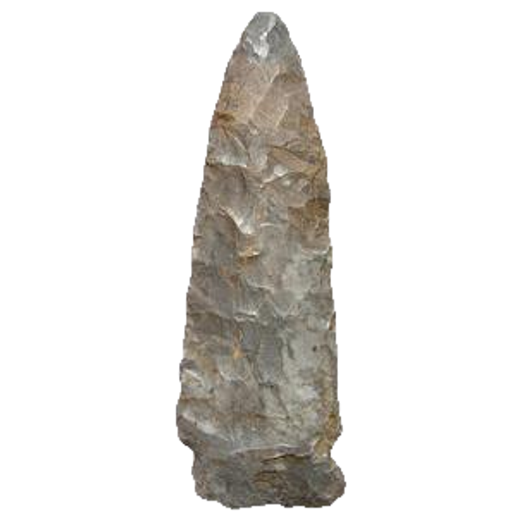 MayacmasMiddle Archaic to Late Archaic4,500 - 2,500 B.P.
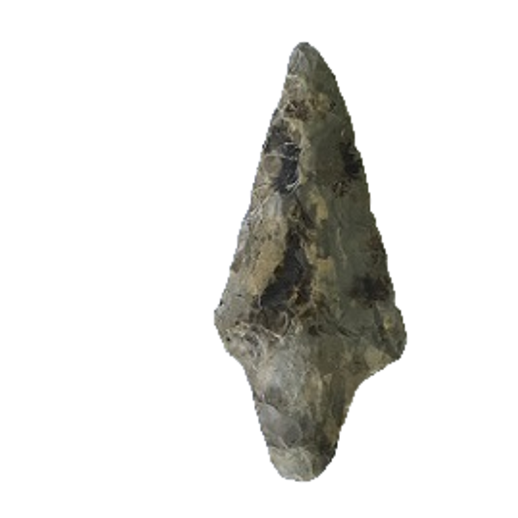 MaybonMiddle to Late WoodlandAbout 2,000 - 1,300 B.P. (A.D. 0-700)
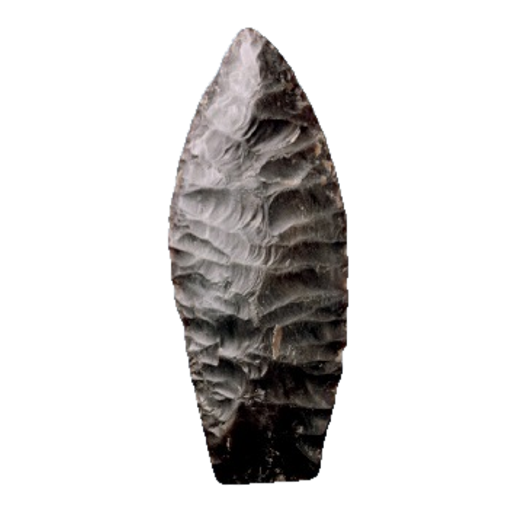 McConnellLate Archaic to Transitional Archaic
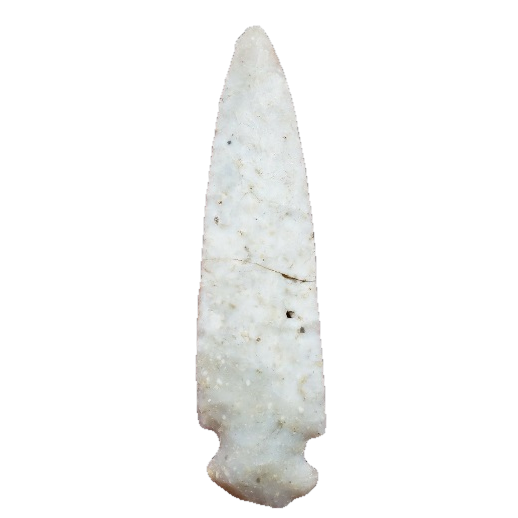 McGillivrayLate Archaic
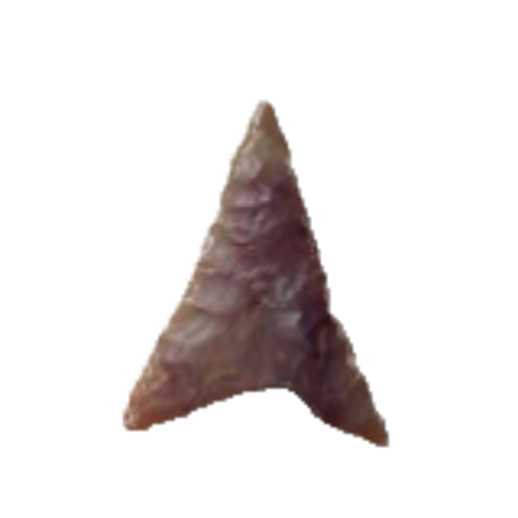 McGloinLate Prehistoric1,300 - 500 B.P.
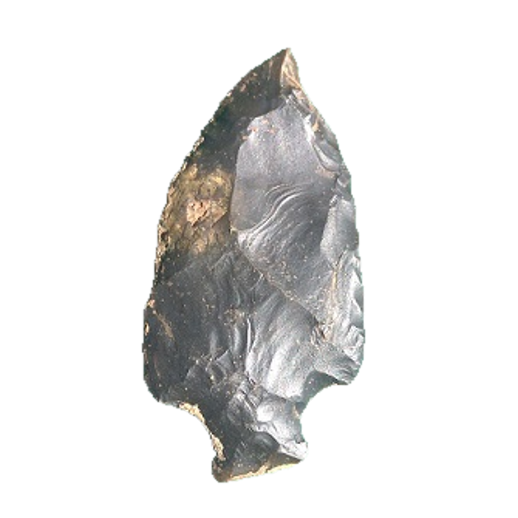 McIntireMiddle to Late Archaic5,500 - 5,000 B.P.
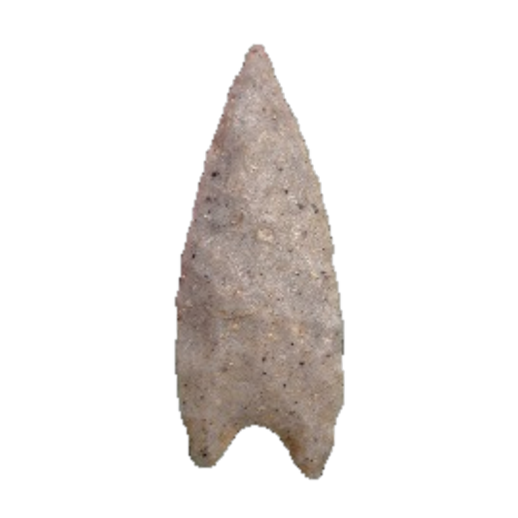 McKeanMiddle Archaic (Middle Plains Archaic)About 5,600 - 3,400 B.P. (calibrated) for the McKean complex as a whole; individual sites in northern Wyoming and southern Montana tend to be older than those further north and east.
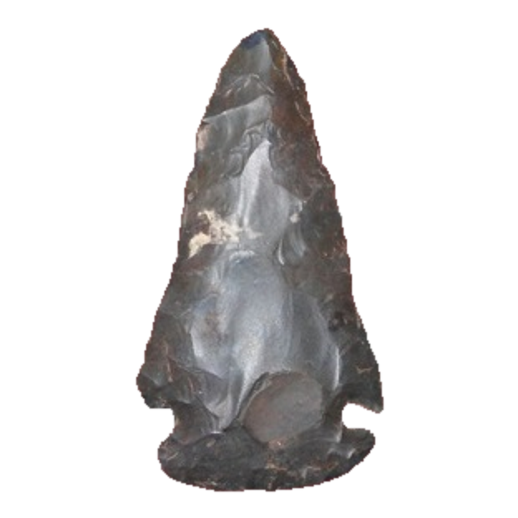 MeadowoodEarly WoodlandAbout 3,000–2,500 B.P. (Chartier 2011); radiocarbon dates from about 998 B.C. in New York to 520 B.C. at the Bruce Boyd site, Ontario (OAS London Chapter)
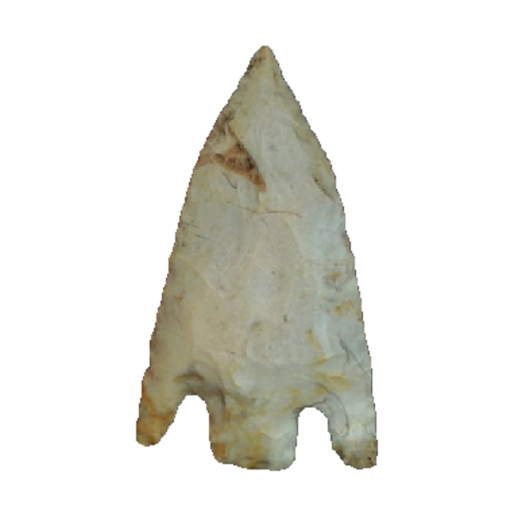 MehlvilleLate Archaic
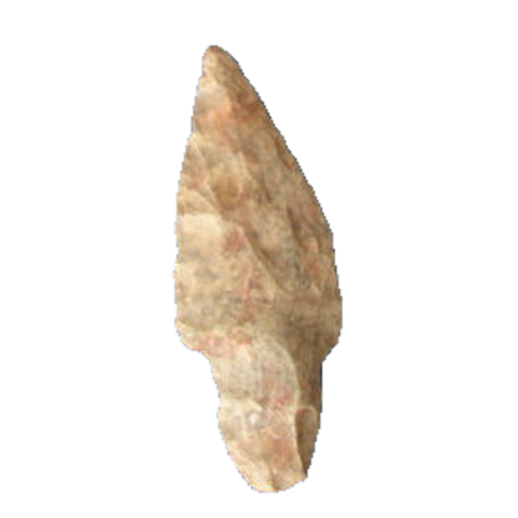 MelvernLate Archaic to Early Woodland3,500 - 1,900 B.P.
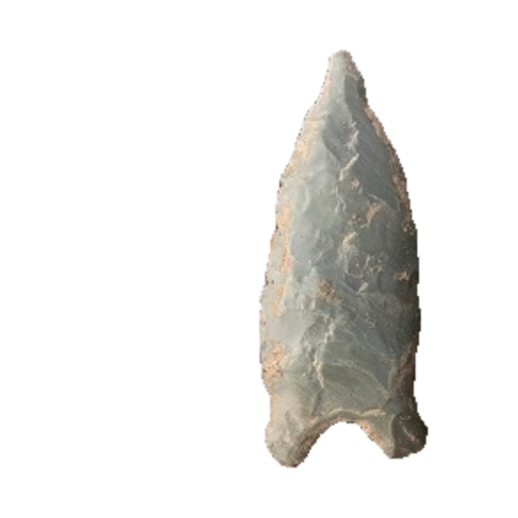 Mendocino ConcaveMiddle Archaic5,000 - 2,500 B.P.
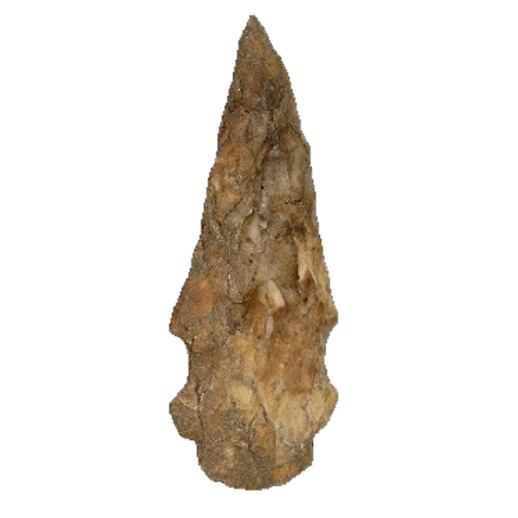 MerkleLate Archaic
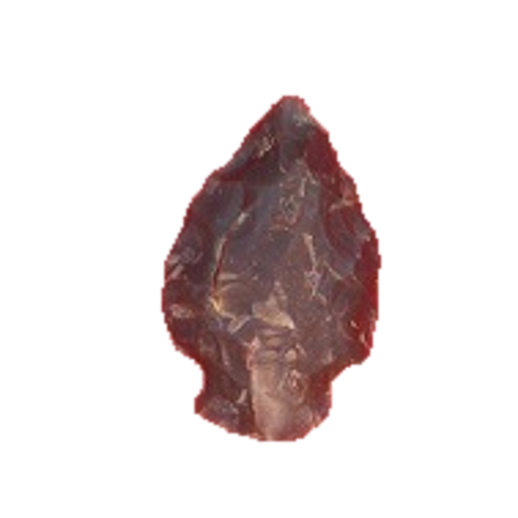 MeromTerminal Late Archaic3,500 - 2,700 B.P. (about 1500 - 700 B.C.)
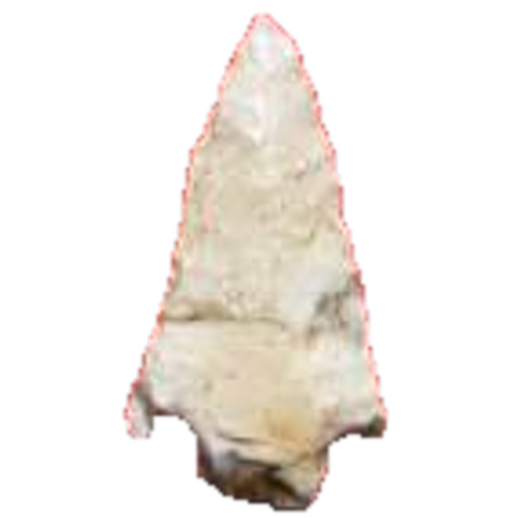 MerrybelleLate Archaic to Transitional Archaic
- Mesa Verde Black-on-WhiteAncestral Puebloan Pottery1180 - 1300 A.D.
- Mesa Verde Red WareAncestral Puebloan Pottery750 - 1200 A.D.
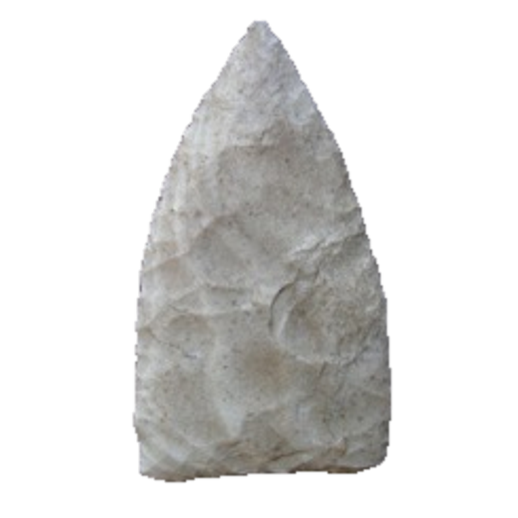 Mescal KnifeLate Prehistoric to Historic700 - 100 B.P.
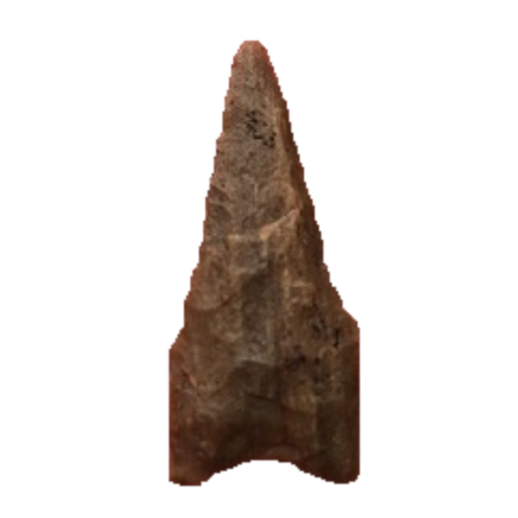 MeserveLate Paleoindian to Early ArchaicUncertain: some Nebraska examples are as old as Plainview points (Davis 1953, cited by Suhm, Krieger and Jelks 1954); reworked examples may be much younger
/new-photo-1763589068294_1763589068294.jpg) Metate (Grinding Stone)Used by Archaic hunter-gatherers, Great Basin foragers, Ancestral Puebloans, Hohokam agriculturalists, Mogollon groups, Fremont cultures, Mississippian farmers, and many other North American societies.9,000 - 300 B.P.
Metate (Grinding Stone)Used by Archaic hunter-gatherers, Great Basin foragers, Ancestral Puebloans, Hohokam agriculturalists, Mogollon groups, Fremont cultures, Mississippian farmers, and many other North American societies.9,000 - 300 B.P.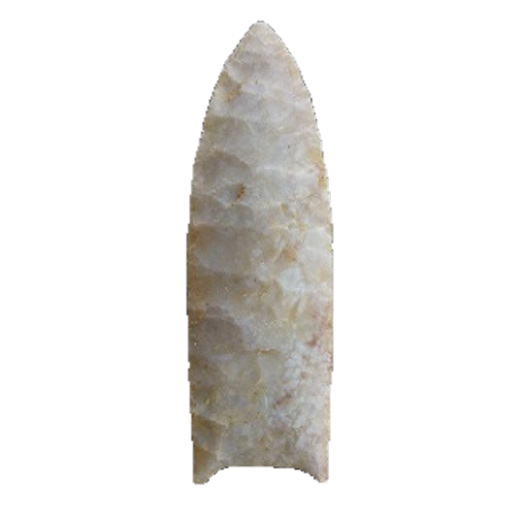 MidlandEarly Paleoindian (Folsom time)About 12,900 - 12,250 cal B.P.
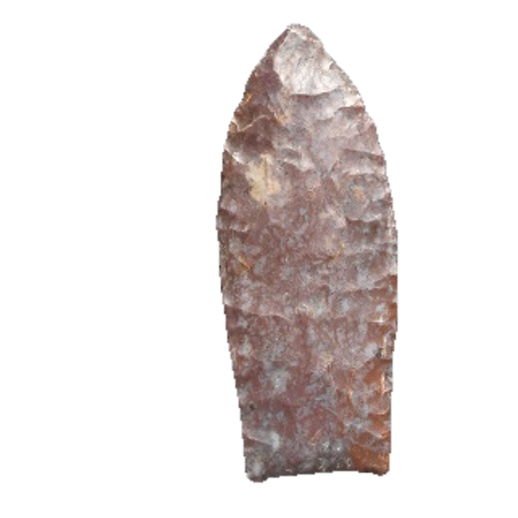 MilnesandLate PaleoAbout 10,000 B.P. (Plainview age; the type site itself has no radiocarbon date)
- Mimbres Classic Style IIIMogollon / Mimbres Pottery1000 - 1150 A.D.
- Mimbres Early Style IMogollon / Mimbres Pottery750 - 900 A.D.
- Mimbres Style IIMogollon / Mimbres Pottery900 - 1000 A.D.
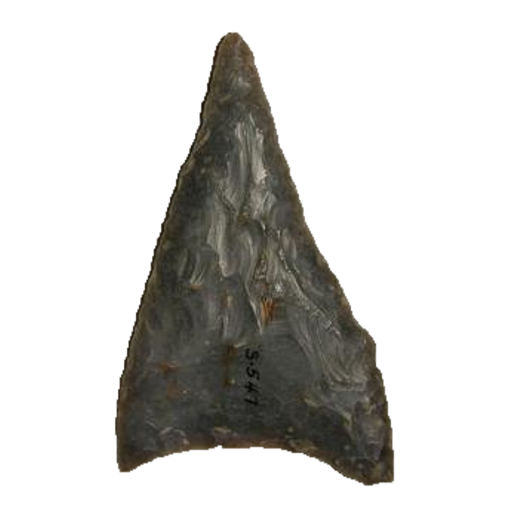 Mineral SpringsMississippian
- Mississippi PlainMississippian Pottery800 – 1600 A.D.
- Mississippian Shell-TemperedMississippian Pottery800 – 1600 A.D.
- Mogollon Pinedale PolychromeMogollon / Mimbres Pottery1275 - 1350 A.D.
- Mogollon PotteryMogollon / Mimbres Pottery300 - 1150 A.D.
- Monolithic AxeMississippianAbout A.D. 1200–1450: the Spiro example in the Gilcrease collection is dated A.D. 1300–1400 (National Cowboy and Western Heritage Museum), and the Etowah axe about A.D. 1400 (Phillips Academy 2019).
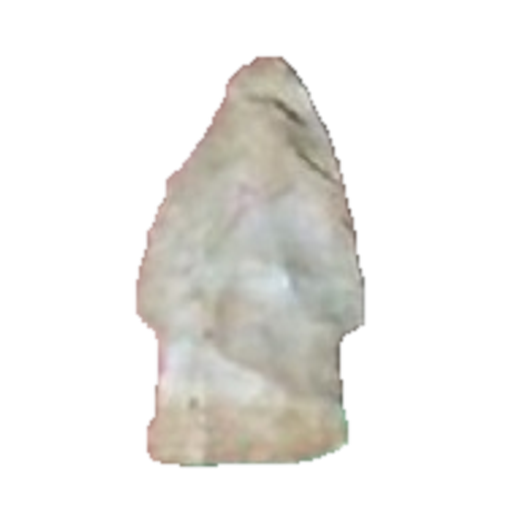 MononaWoodland1,700 - 1,400 B.P.
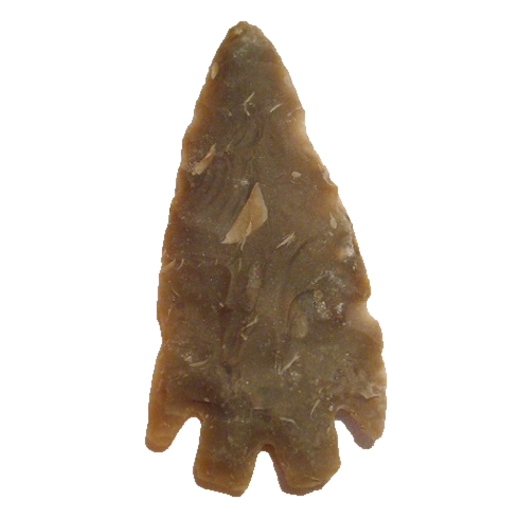 MontellLate Archaic3,150–2,300 B.P. (Lower Pecos Cibola subperiod); 2,800–2,600 cal B.P. at Bonfire Shelter Bone Bed 3 (Texas Beyond History)
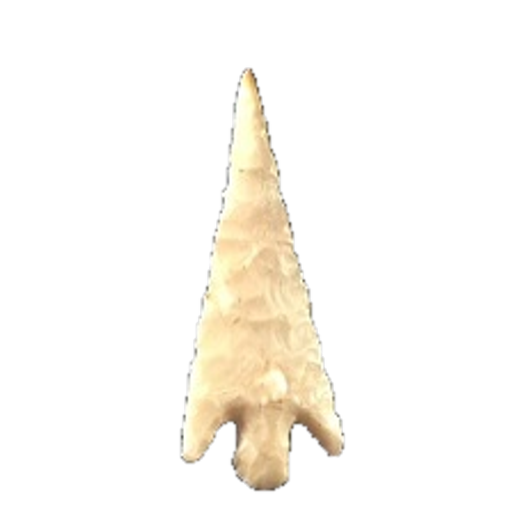 Moran
Moran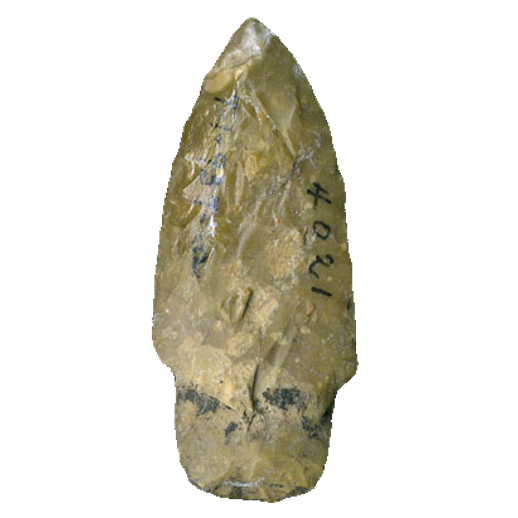 MorhissArchaicAbout 4,000 - 1,000 B.P. (estimated 2000 B.C. to A.D. 1000)
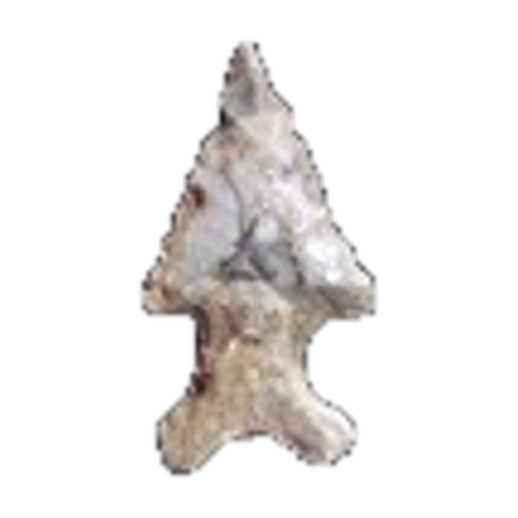 MorrisMississippian
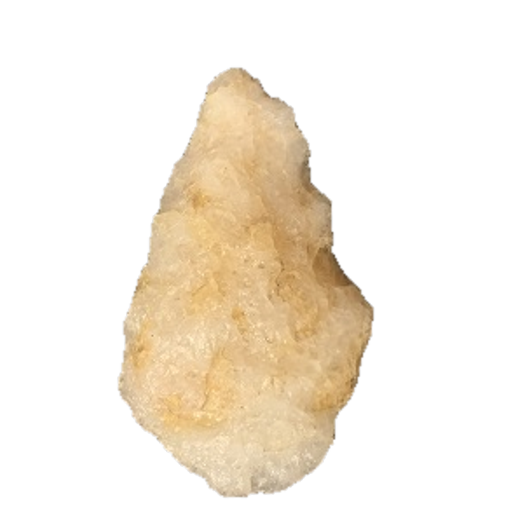 Morrow MountainMiddle Archaic7,100–6,200 B.P. (Maryland JPPM); on the Nottoway River, Virginia, about 7,100–6,700 B.P. for type I and 6,800–6,200 B.P. for type II; 5500–5000 B.C. at Doerschuk and in southeast Tennessee (UNC RLA)
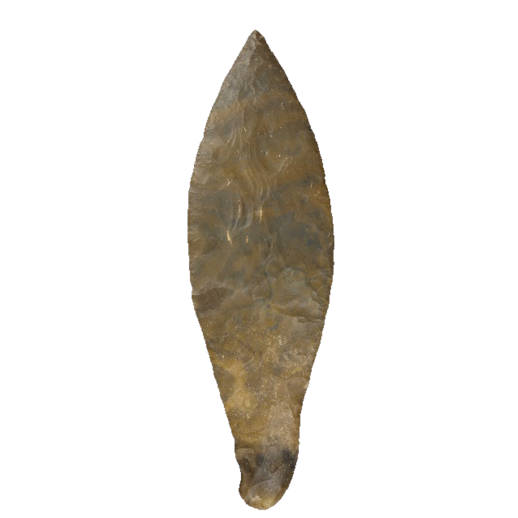 Morse KnifeLate Archaic to Early WoodlandLate Archaic to Early Woodland context suggested by Perino
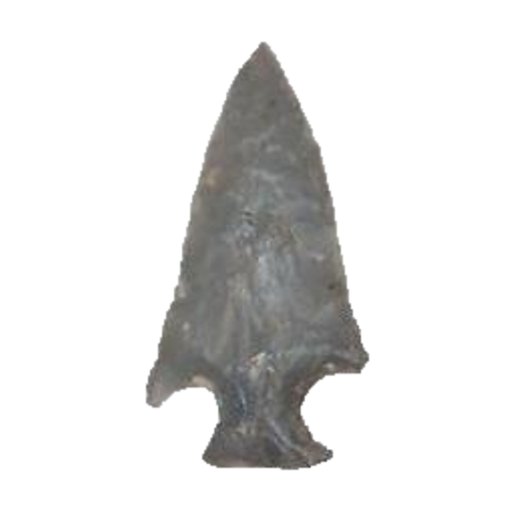 MotleyLate Archaic to Early Woodland3,250–2,150 B.P. (Poverty Point radiocarbon dates cited by Bell 1958, via Cambron and Hulse 1975); the Poverty Point site was occupied about 3,600–3,000 cal B.P. (Grooms et al. 2023)
- Moundville IncisedMississippian Pottery1200 – 1450 A.D.
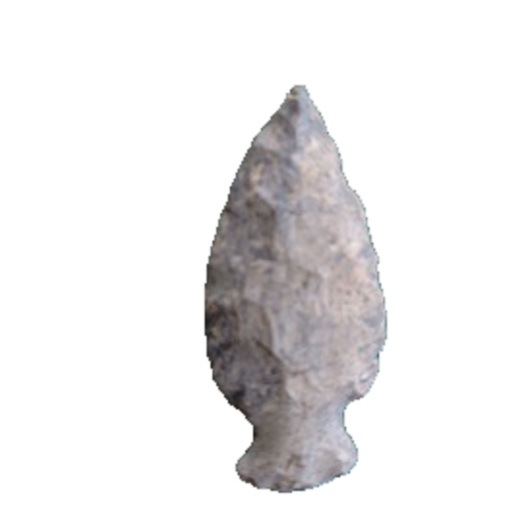 Mount AlbionEarly ArchaicAbout 5,800 - 5,200 B.P.
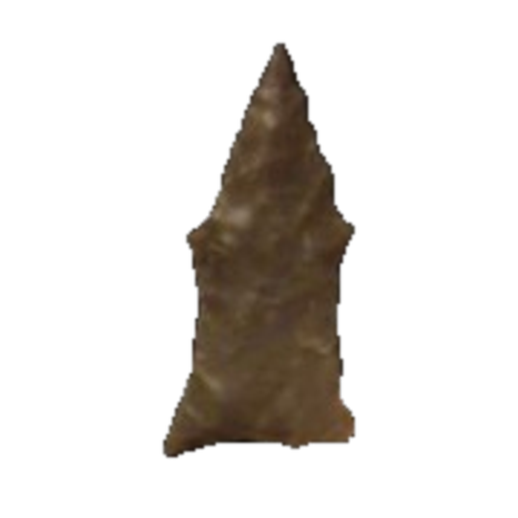 Mouse CreekLate Mississippian1,500 - 500 B.P.
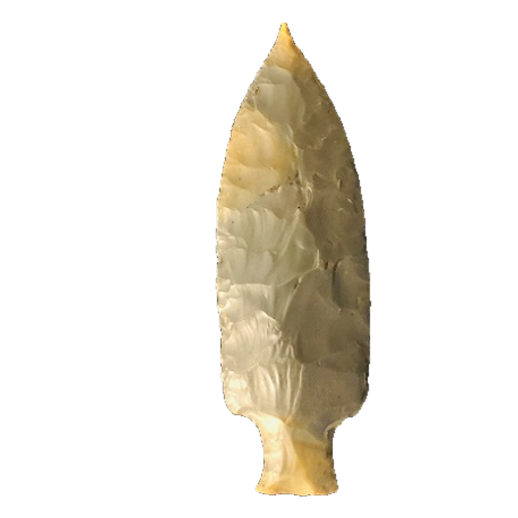 Mud CreekLate Archaic to Early WoodlandMainly late Archaic, continuing into the Woodland; no radiocarbon dates quoted
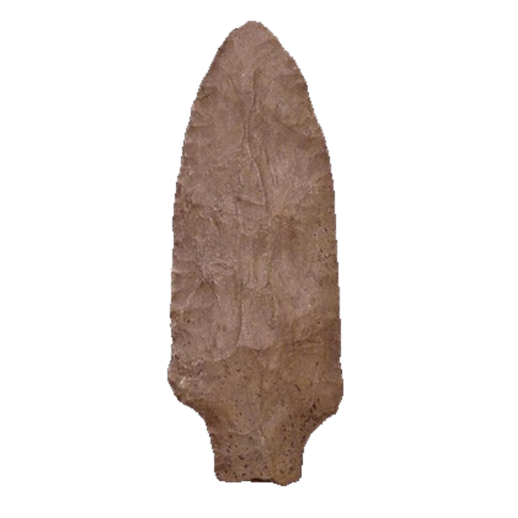 Mulberry CreekMiddle Archaic to Late Archaic5,000 - 3,000 B.P.
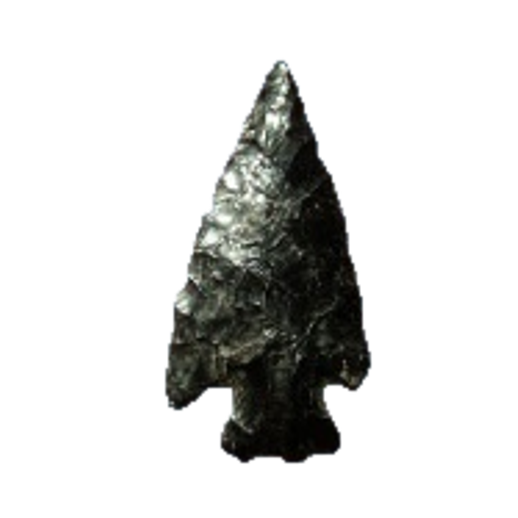 Mummy CaveEarly to Middle Archaic (Middle Holocene)7,000 - 4,000 B.P.
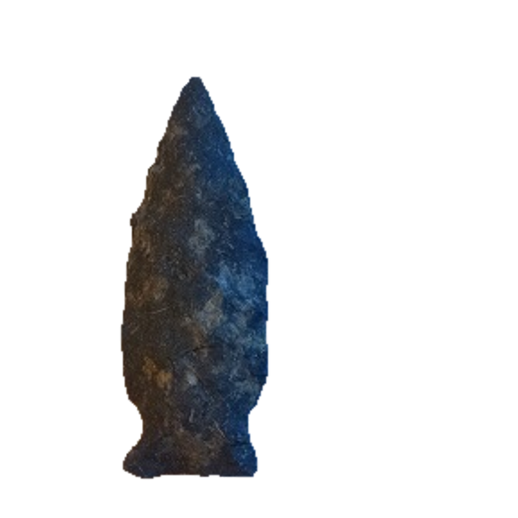 MundLate Woodland
N
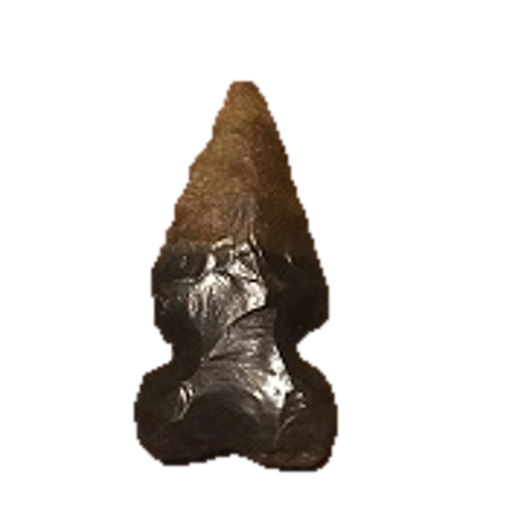 NanticokeLate Woodland (Ontario Iroquoian)About A.D. 1400 - 1550 (about 550 - 400 B.P.)
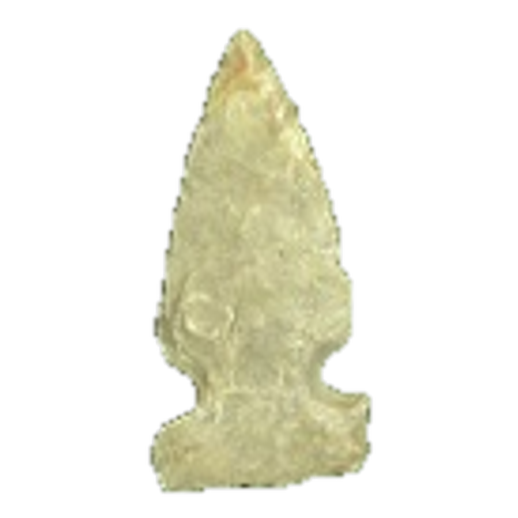 NantonTransitional Archaic
- Nash Neck BandedCaddo Pottery1200 – 1500 A.D.
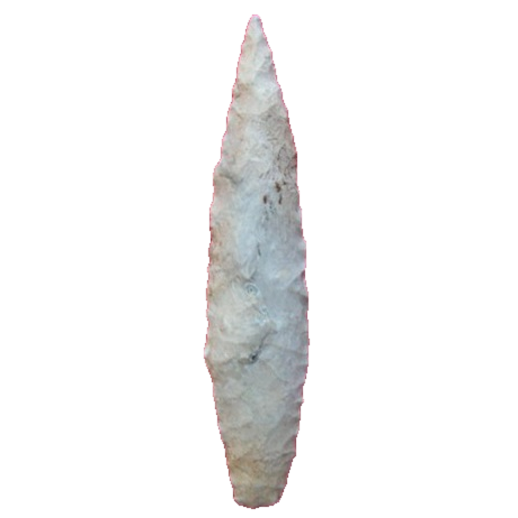 Nebo HillLate ArchaicAbout 4,550 - 3,550 radiocarbon years B.P. (2600 - 1600 B.C.)
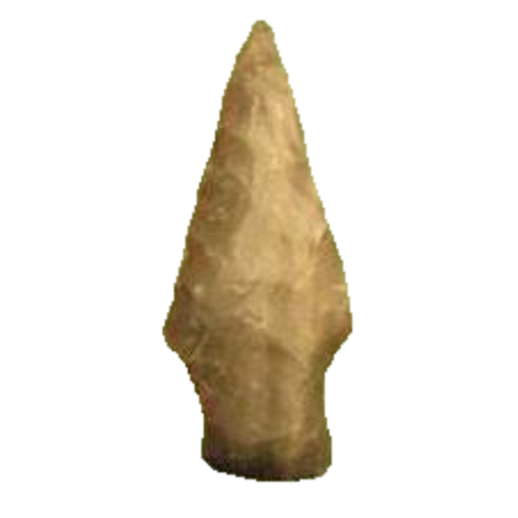 Neches RiverEarly Archaic
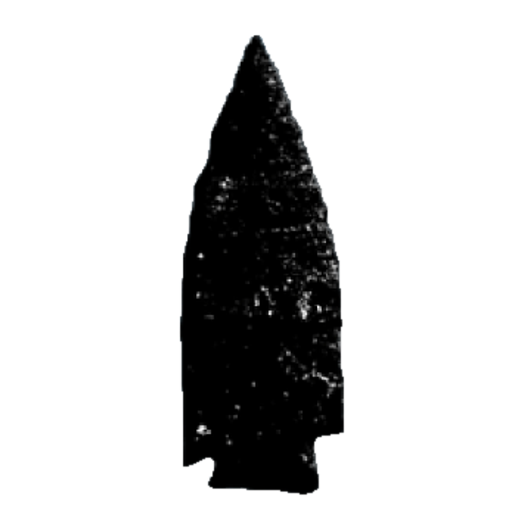 NesikepMiddle ArchaicAbout 7,500 - 6,000 B.P. (Early Nesikep period); the wider Nesikep tradition runs to about 4,500 B.P.
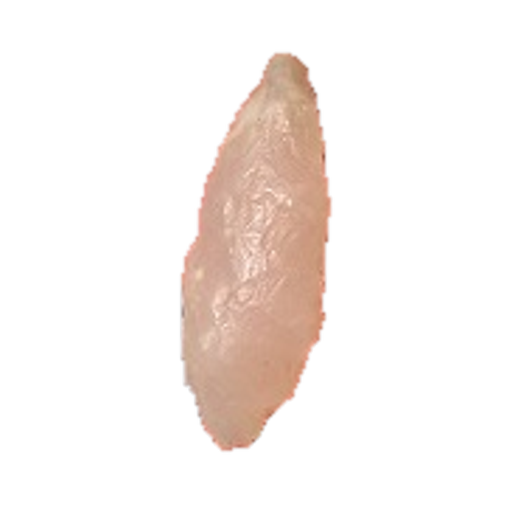 Nespelem BarLate ArchaicAbout 5,000 - 3,000 B.P.
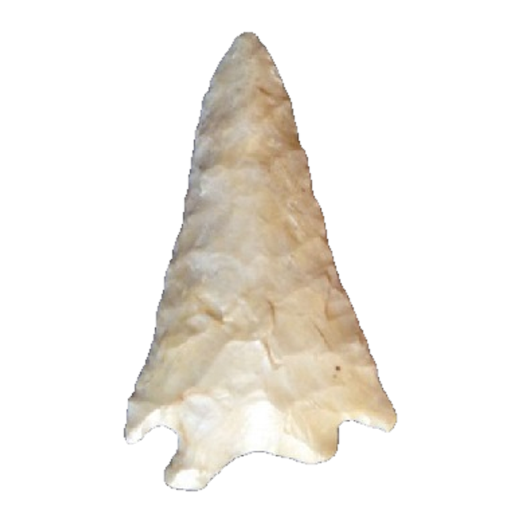 NeubergerEarly Archaic
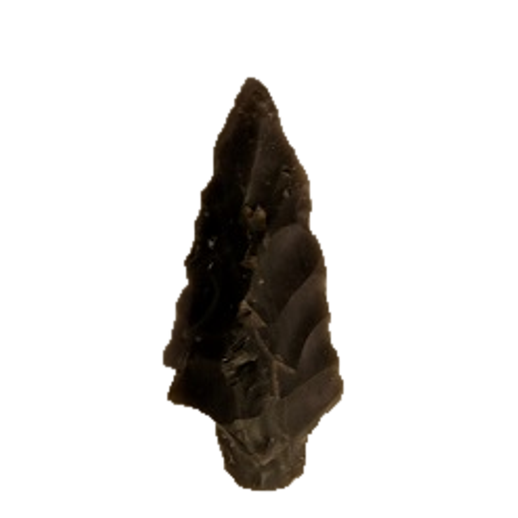 New MarketWoodlandWoodland or later at the Alabama sites where it was found; no radiocarbon dates published
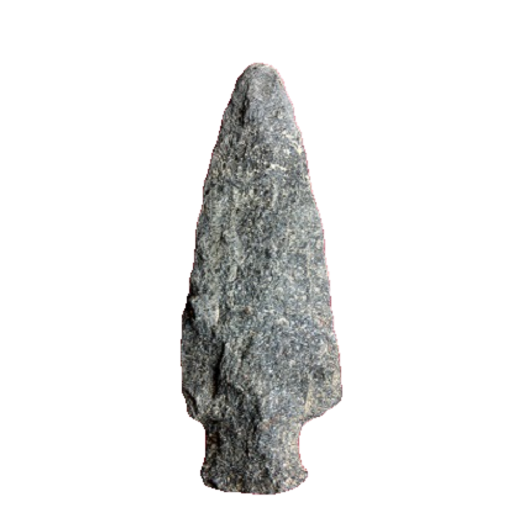 NewmanstownMiddle ArchaicAbout 7,000 - 5,000 B.P.
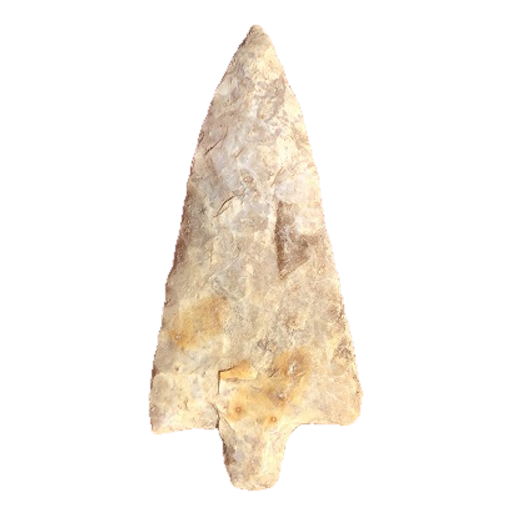 NewnanMiddle Archaic to Late ArchaicAbout 6,000–5,000 B.P. (6,880–5,660 cal B.P.), continuing into the Late Archaic (Faught and Waggoner 2012)
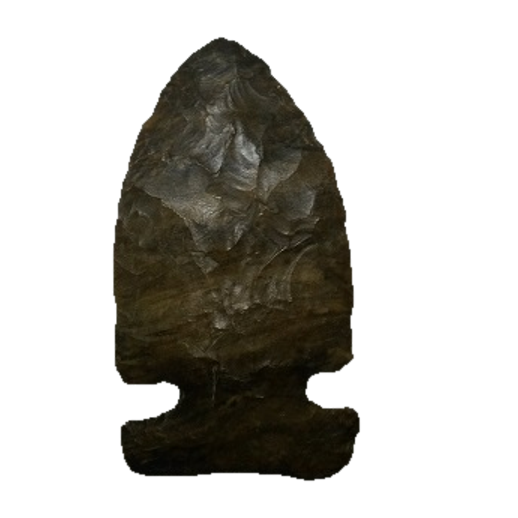 Newton FallsMiddle Archaic
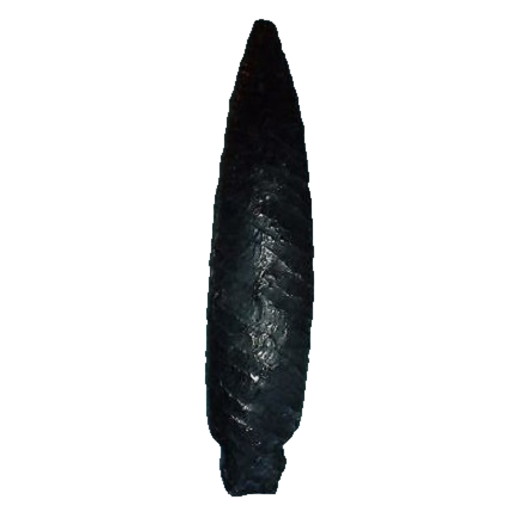 NightfireLate Archaic to Transitional Archaic
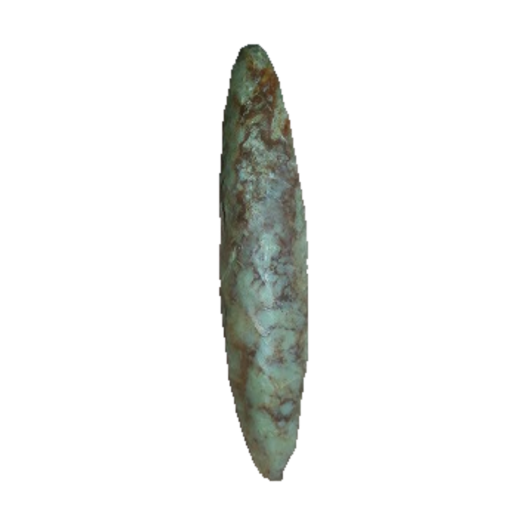 NodenaLate Mississippian550–350 B.P. (A.D. 1400–1600; Bell 1958, in Cambron and Hulse 1975)
- Nodena Red-on-WhiteMississippian Pottery1400 – 1650 A.D.
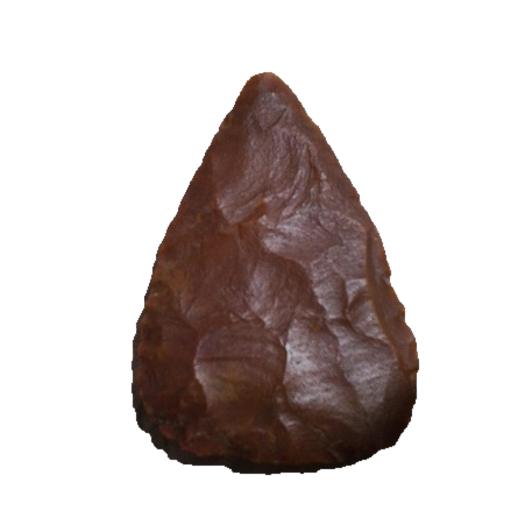 NogalesMiddle Archaic to Transitional Archaic
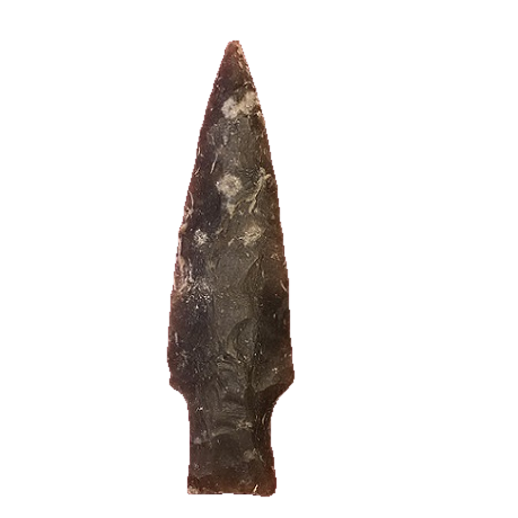 NolanMiddle ArchaicLate Middle Archaic, ending about 4,000 B.P. (Collins 1995); not before about 3000 B.C. on the eastern Edwards Plateau (Johnson and Goode 1994); 4000 B.C.–A.D. 500 or 1000 estimated in 1954 (Suhm and Krieger)
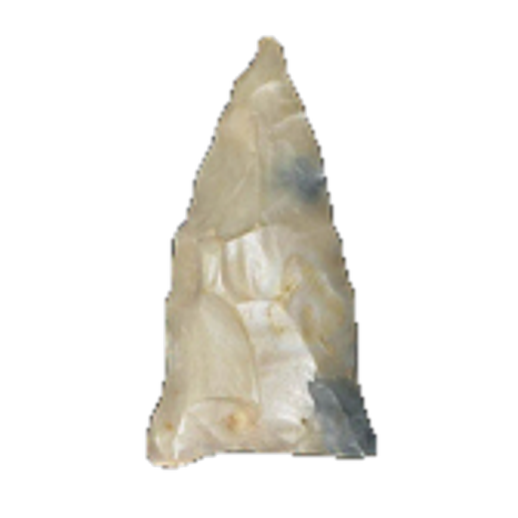 NolichuckyWoodland2,000 - 1,500 B.P.
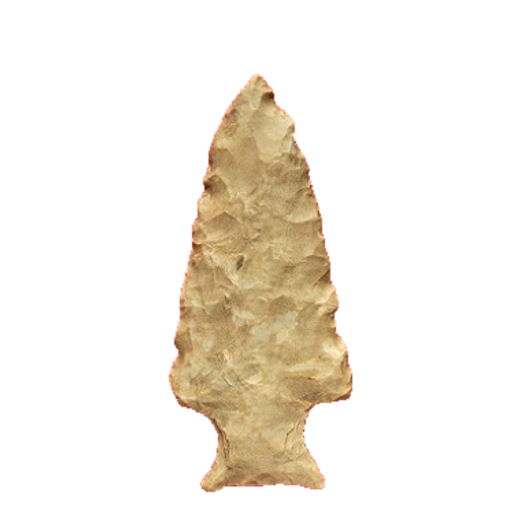 NormanskillMiddle Archaic to Late Archaic4,300 - 3,300 B.P.
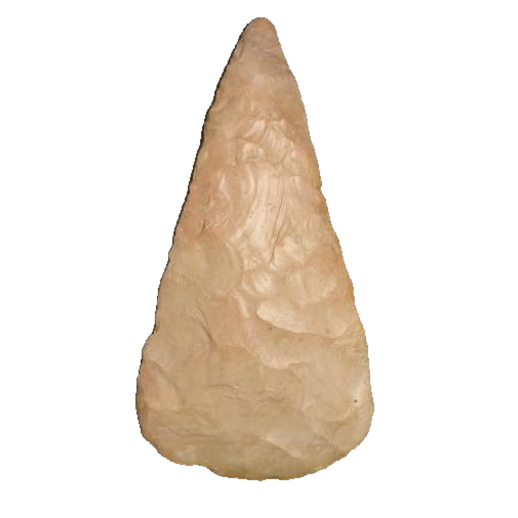 NorthMiddle Woodland (Hopewell)
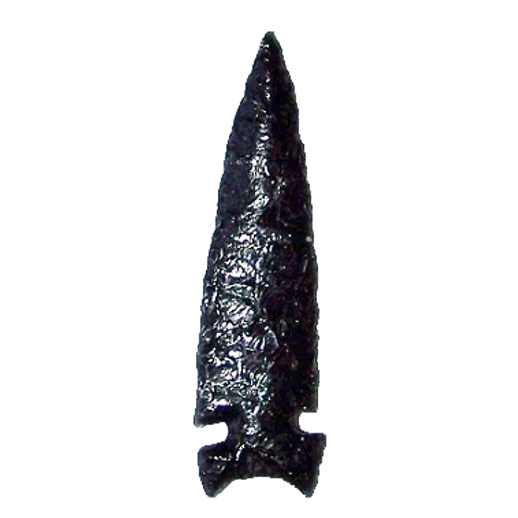 NorthernGreat Basin Early Archaic (middle Holocene)About 7,600–5,700 cal B.P. in the northern and western Great Basin, after the Mazama ash fall (Thomas 2013); large side-notched points begin by about 8,300 years ago in the eastern Great Basin (Hockett and Spidell 2022)
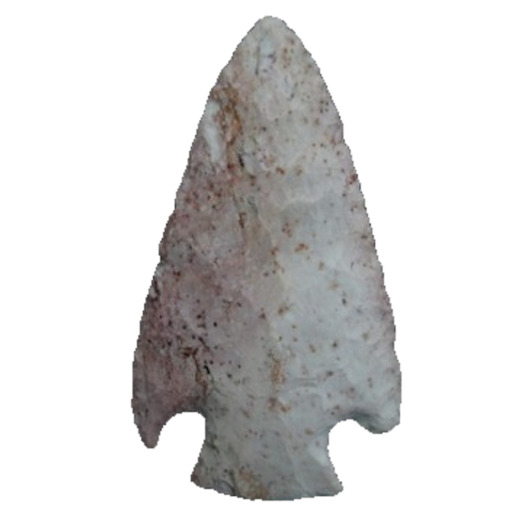 NortonMiddle Woodland
- Norwood PlainArchaic Fiber-Tempered Pottery500 – 100 B.C.
- Numic WareGreat Basin Pottery500 – 1800 A.D.
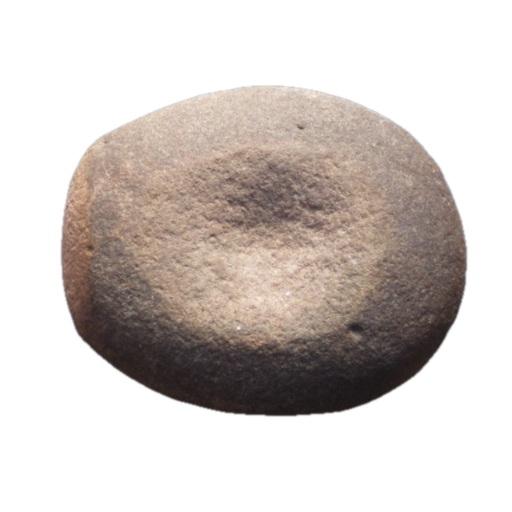 Nutting StoneUsed by Archaic hunter-gatherers, Woodland cultures, Mississippian agriculturalists, and many other North American societies.8,000 to 300 years B.P.
O
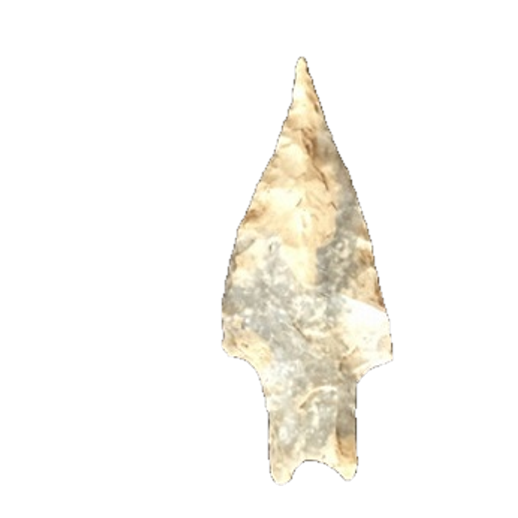 OakallaMiddle Archaic
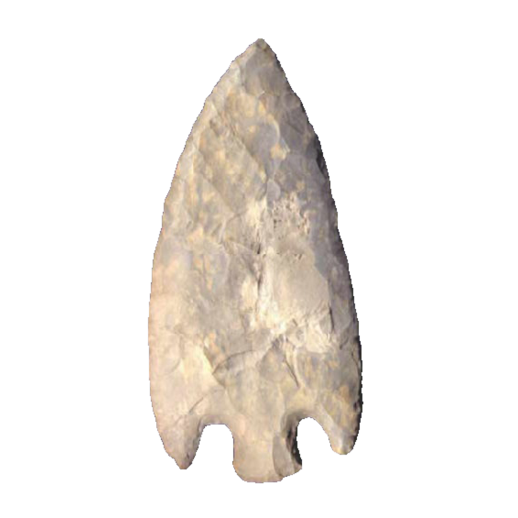 OauchitaLate Archaic to Early Woodland
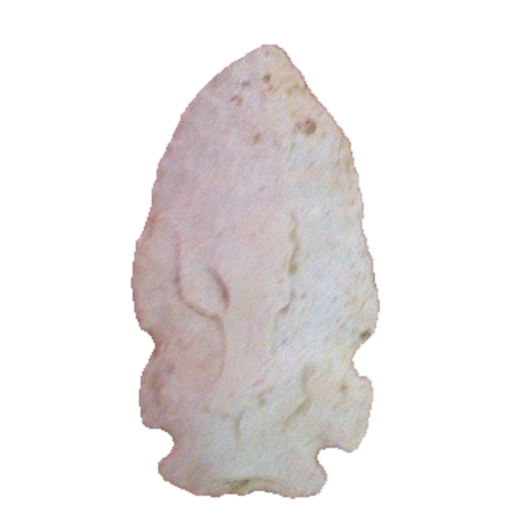 Ohio Double NotchLate Archaic
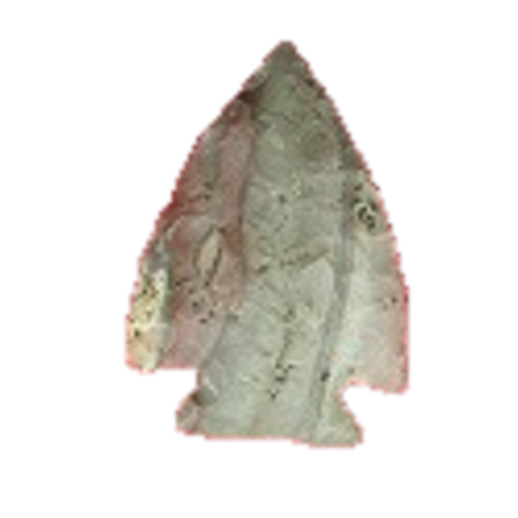 OkobojiLate Woodland1,900 - 1,400 B.P.
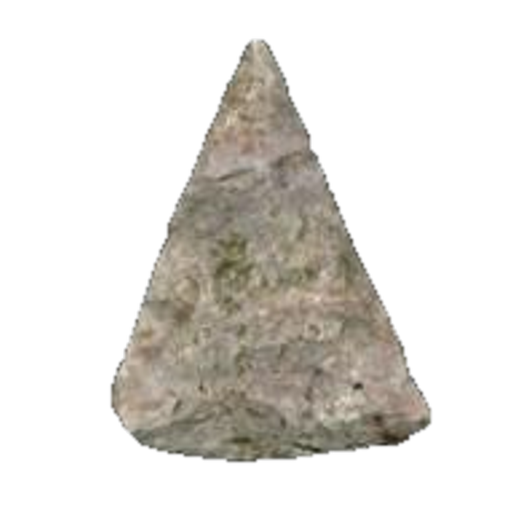 OlenoLate Woodland1,600 - 800 B.P.
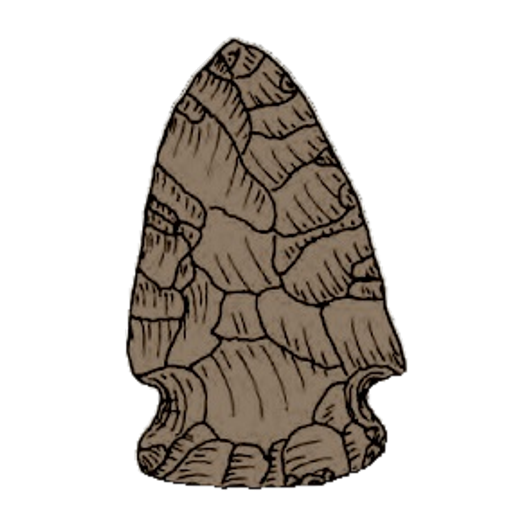 Opossum BayMiddle Archaic6,000 - 5,000 B.P.
- Orange Fiber-Tempered WareArchaic Fiber-Tempered Pottery2500 – 1000 B.C.
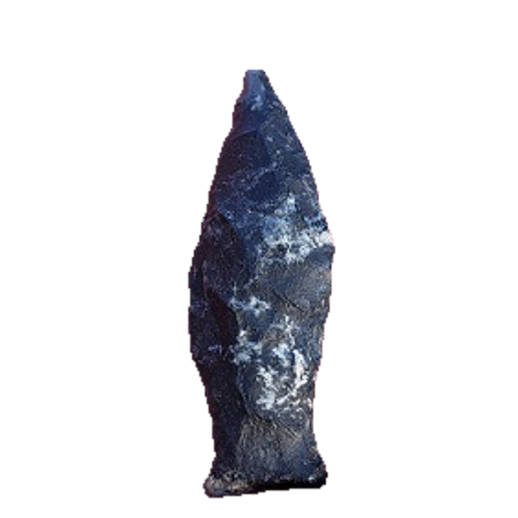 OrientLate Archaic to Early Woodland3,000–2,700 B.P. (radiocarbon, Orient phase on Long Island; Ritchie 1971); 1400–800 B.C. overall (Virginia DHR)
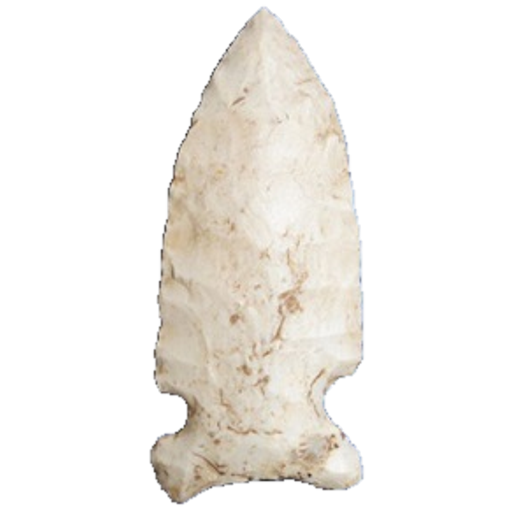 OsceolaMiddle to Late Archaic5,000 - 3,500 B.P.
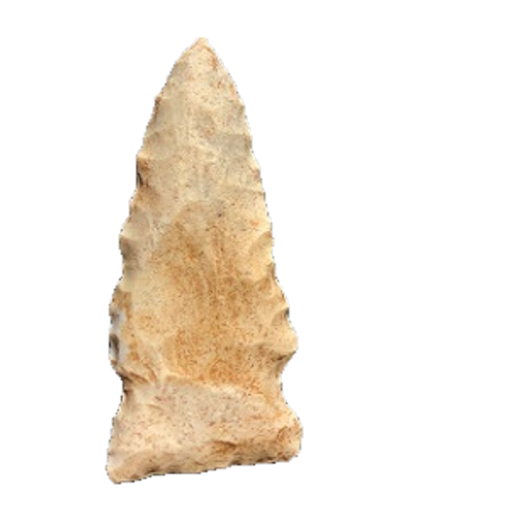 Osceola GreenbrierLate Paleoindian9,000 - 7,000 B.P.
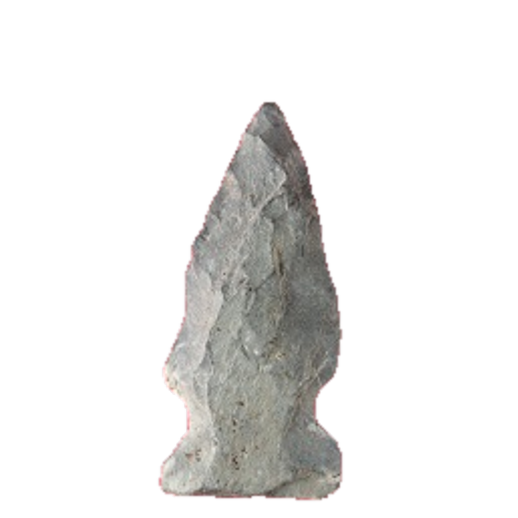 Otter CreekLate Archaic (some regions place it in the Middle Archaic)6,000 - 5,000 B.P.
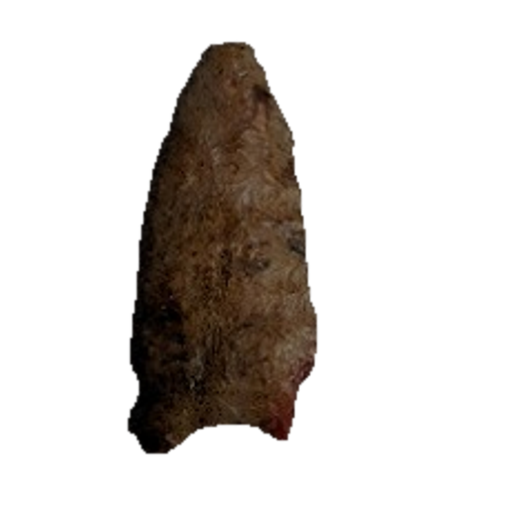 OxbowMiddle Plains Archaic (Middle Precontact period)5,350 - 3,800 B.P.
P
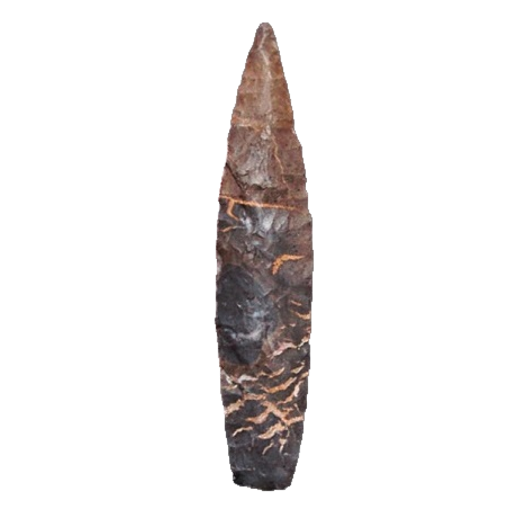 PackardTransitional Paleo11,500 - 10,500 B.P.
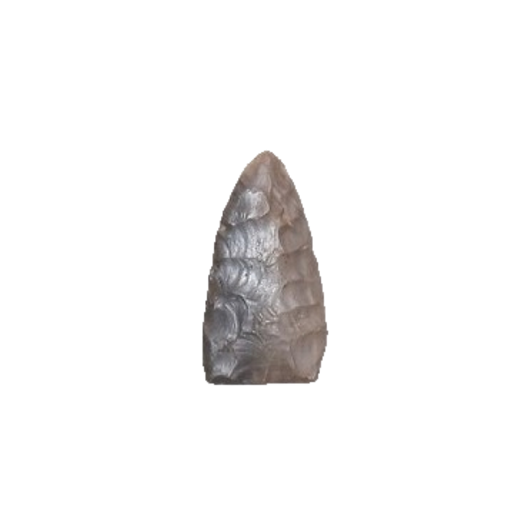 Painted Rock ValleyTransitional Paleo to Early Archaic9,500 - 7,000 B.P.
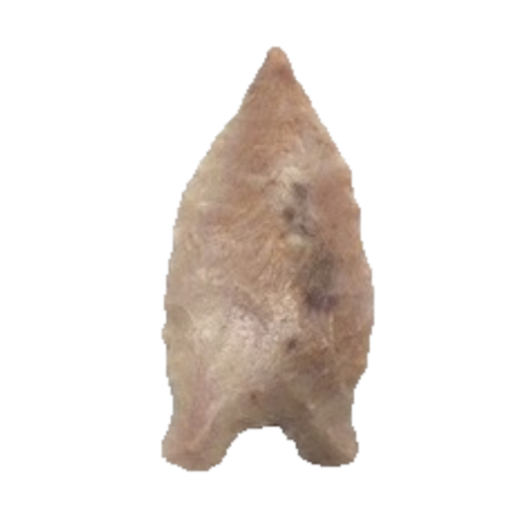 PaisanoTransitional ArchaicEstimated A.D. 800 - 1200 (about 1,150 - 750 B.P.) in the 1954 handbook; Big Bend archaeologists treat it as a transitional Late Archaic dart point
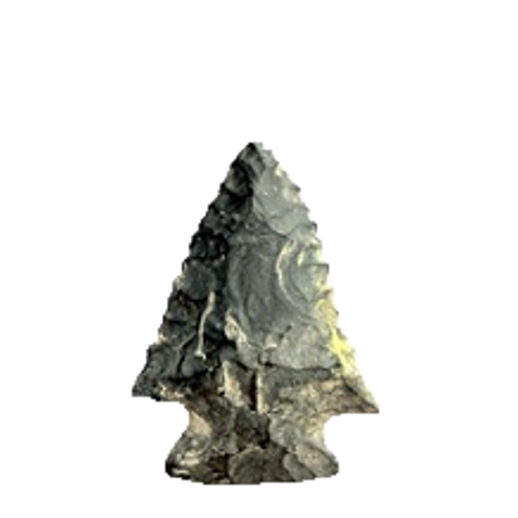 PalmerEarly Archaic10,000–9,000 B.P. (Maryland JPPM); 10,000–9,300 B.P. (Gardner 1989); 9,600–9,200 B.P. on the Nottoway River, Virginia (Egloff and McAvoy 1990)
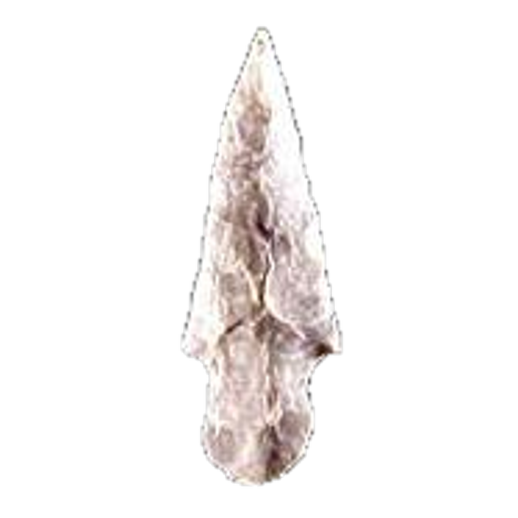 PalmillasLate ArchaicAbout 3,000 - 1,300 B.P.
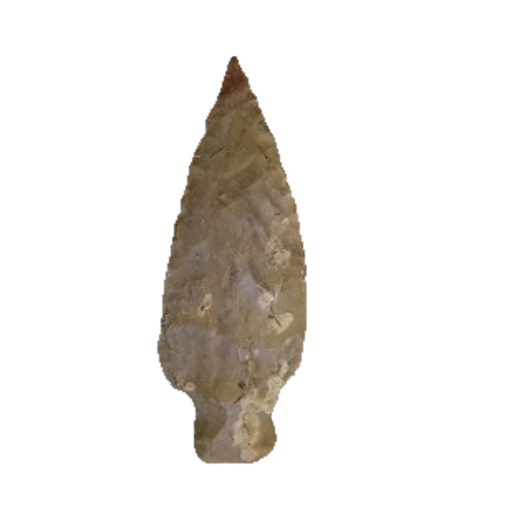 PandaleMiddle Archaic (beginning)About 5,500 - 4,100 radiocarbon years B.P. in the Lower Pecos (Eagle Nest subperiod)
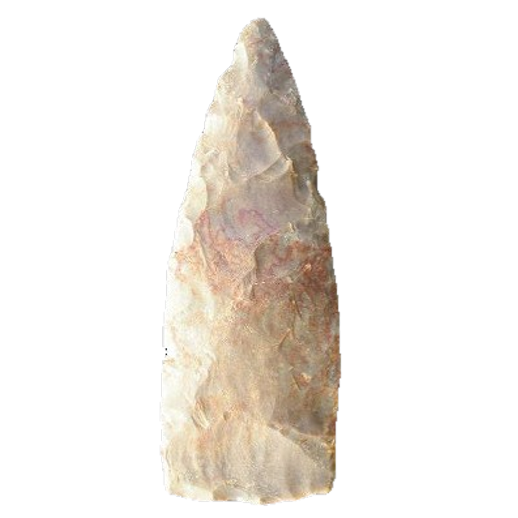 PandoraArchaicAbout 3,950–950 B.P. (2000 B.C.–A.D. 1000), a 1954 estimate that the authors said may be too young or too old (Suhm and Krieger 1954)
- Parkin PunctateMississippian Pottery1350 – 1600 A.D.
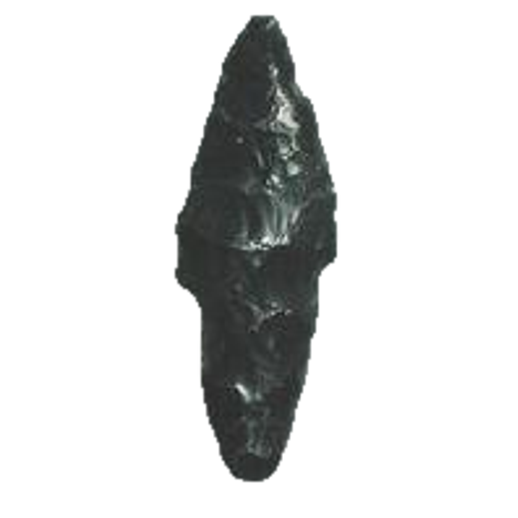 ParmanEarly Archaic10,000 - 9,000 B.P.
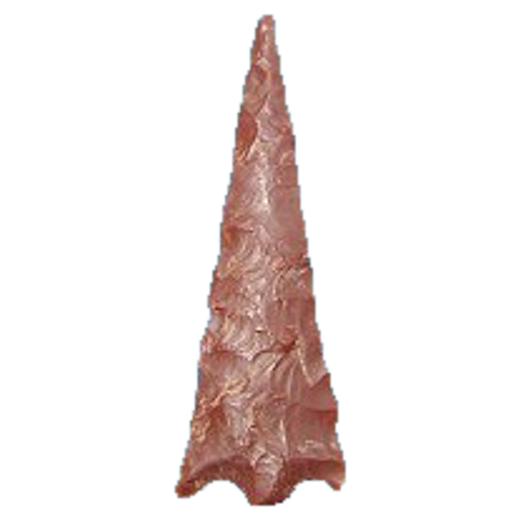 ParowanLate Prehistoric (Fremont period)From about 1,150 B.P. (about A.D. 800); no firm end date found
- Parowan Fremont WareFremont Pottery500 – 1300 A.D.
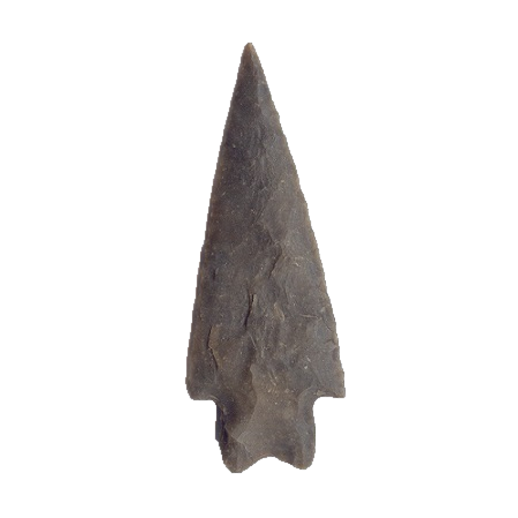 PedernalesLate Archaic3,400–2,600 B.P. (Round Rock phase; Prewitt 1981); Suhm and Krieger (1954) estimated 4000 B.C.–A.D. 500/1000 for the whole Edwards Plateau Archaic
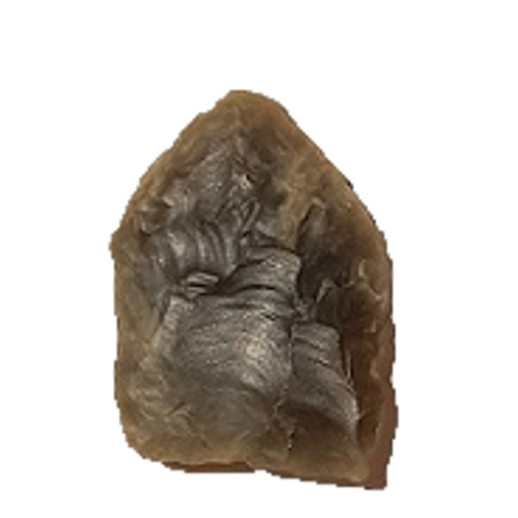 Pee DeeLate Prehistoric (South Appalachian Mississippian)Late prehistoric, tied to the Pee Dee culture, which North Carolina Historic Sites places at about A.D. 1000 - 1400 (roughly 950 - 550 B.P.)
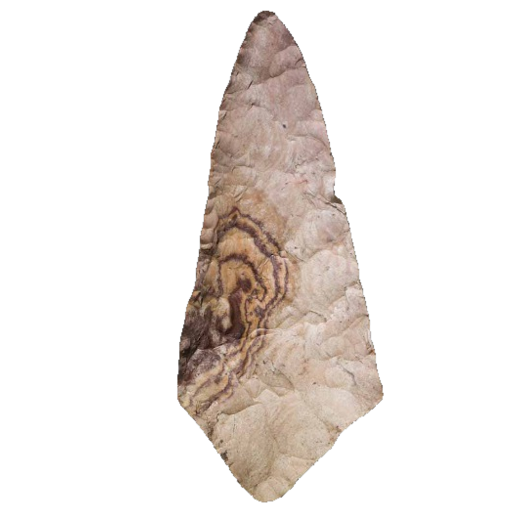 Peisker DiamondEarly Woodland to Middle WoodlandAbout 2,625–2,000 B.P. (Madsen 1992); the Peisker site's Black Sand and early Havana components date to about 325 and 230 B.C. (Montet-White 1968)
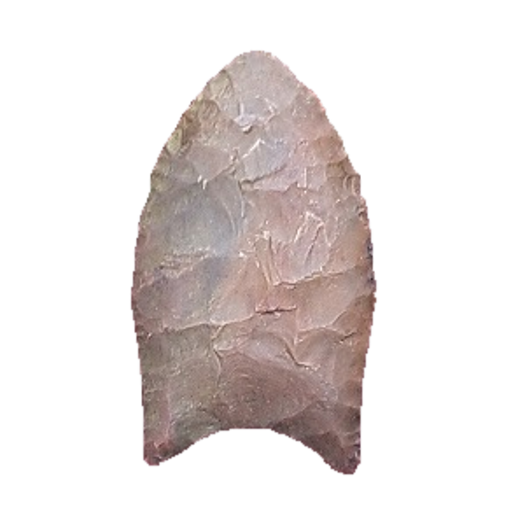 PelicanLate Paleoindian to Early ArchaicProbably 10,000–9,000 B.P. (Jeter et al. 1989); the San Patrice culture as a whole spans 8800–6000 B.C., about 10,750–7,950 cal B.P. (Saunders, 64 Parishes)
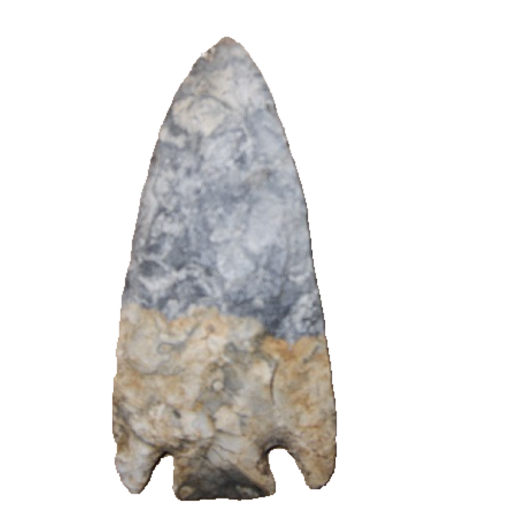 Pelican LakeLate Plains Archaic (Late Middle Prehistoric period)3,300–1,850 B.P. (Dyck; Saskatchewan Archaeological Society); classic barbed form about 3,600–2,800 B.P. (Peck 2011)
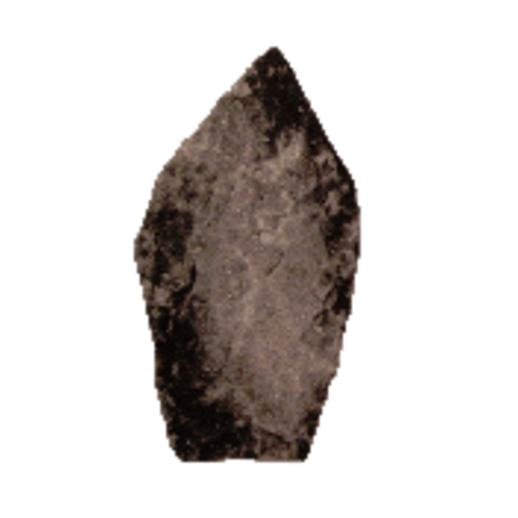 PellyEarly Archaic
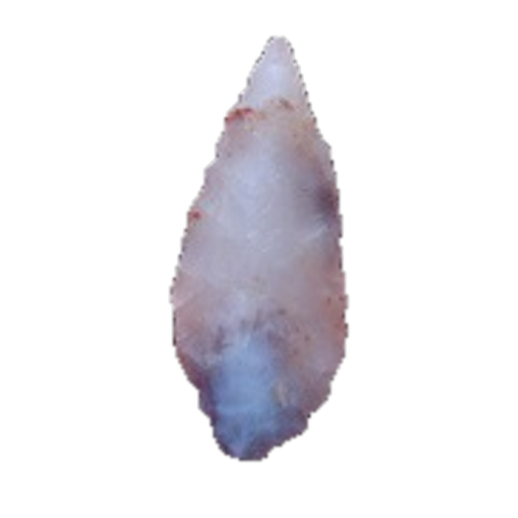 PelonaMiddle Archaic
- Pensacola IncisedGulf Coast / Southeastern Ceramic Traditions1200 – 1700 A.D.
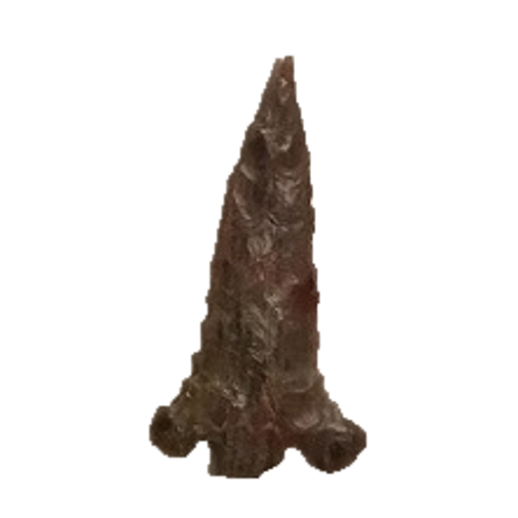 Penwah SloughLate Prehistoric to Mississippian
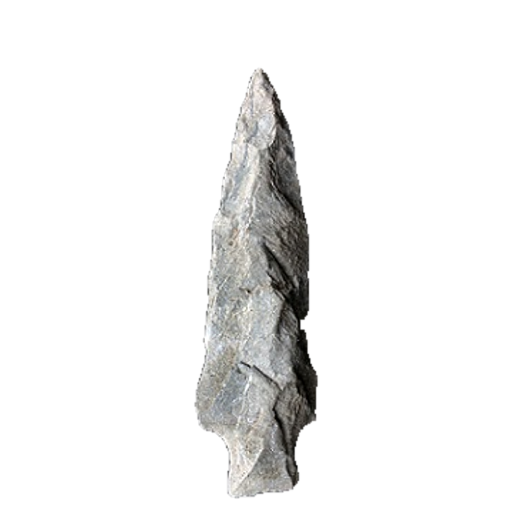 PequeaEarly to Middle Archaic
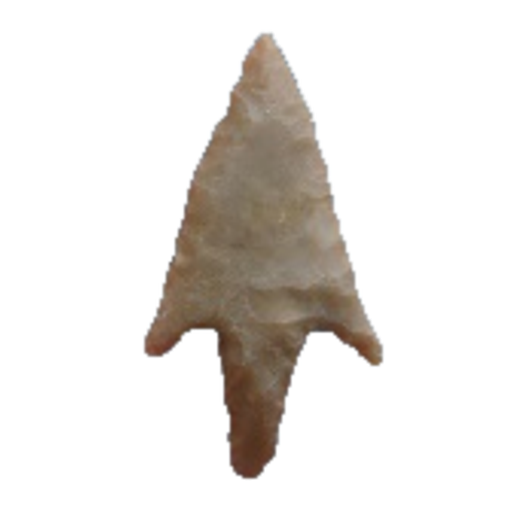 PerdizLate PrehistoricFrom about 650 B.P. (Toyah, beginning about A.D. 1300–1350; Texas Beyond History); Suhm and Krieger (1954) estimated 950–450 B.P. (A.D. 1000–1500)
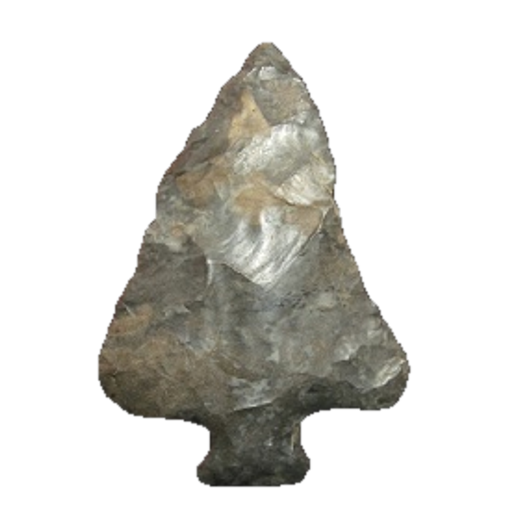 PerkiomenTerminal ArchaicAbout 3,670–3,450 B.P. (1720–1500 B.C., radiocarbon, upper Delaware Valley; Maryland JPPM); 3,450–3,150 B.P. (1500–1200 B.C.; Virginia DHR)
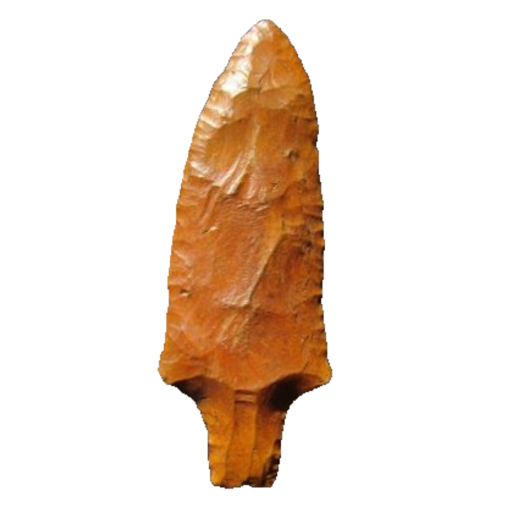 PickwickMiddle Archaic to Late Archaic6,000 - 3,500 B.P.
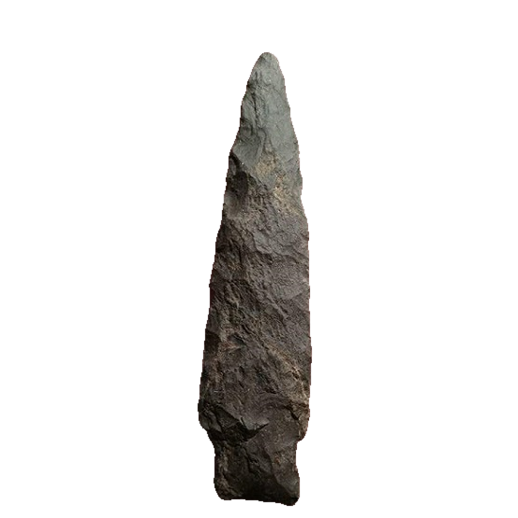 Piedmont NorthernMiddle Archaic
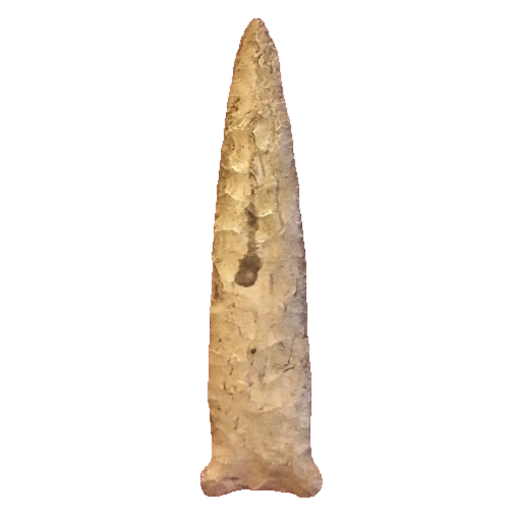 Pike CountyLate Paleo to Early Archaic
- Pima Red-on-BuffHohokam Pottery1400 - 1700 A.D.
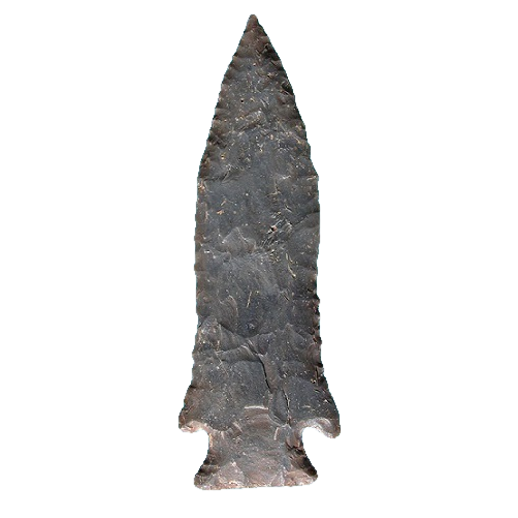 Pine-TreeEarly Archaic9,500 - 8,500 B.P.
- Pinedale Red-on-BuffMogollon / Mimbres Pottery1200 - 1300 A.D.
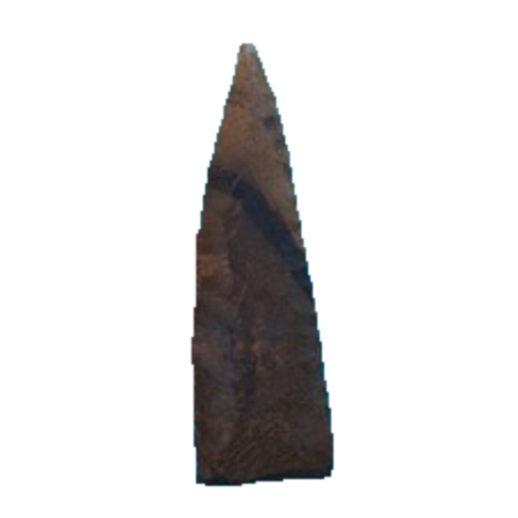 PinellasLate Mississippian to Mission periodAbout 700 - 350 B.P. (A.D. 1250-1600)
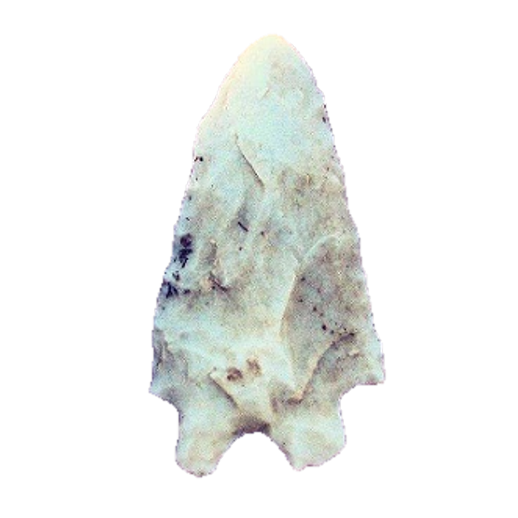 PintoEarly Archaic to Middle ArchaicBy about 8,300 cal B.P. in the eastern Great Basin, possibly from 9,500 cal B.P. in western Utah, lasting into the Middle Archaic; sinew-dated examples at Danger Cave are 8,065 and 6,080 cal B.P. (Hockett and Spidell 2022); 8,000–4,000 years ago at Pinto Basin (NPS)
- Pinto PolychromePottery1280 - 1330 A.D.
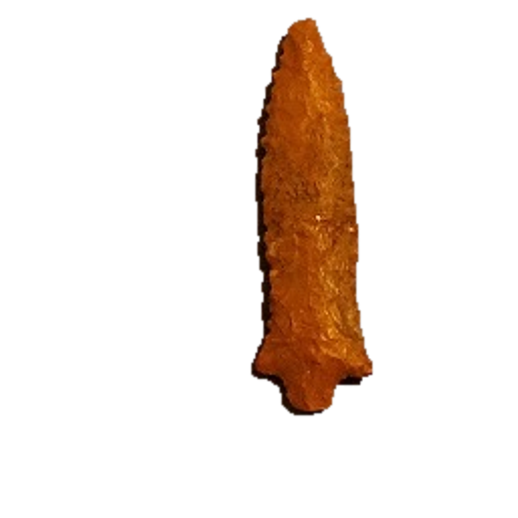 PinwahLate Prehistoric
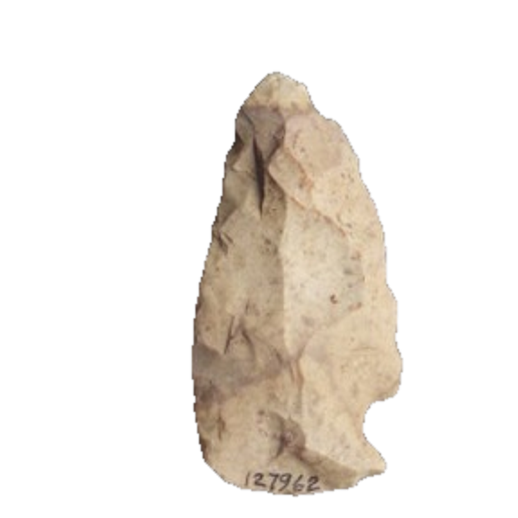 Pipe CreekLate Prehistoric
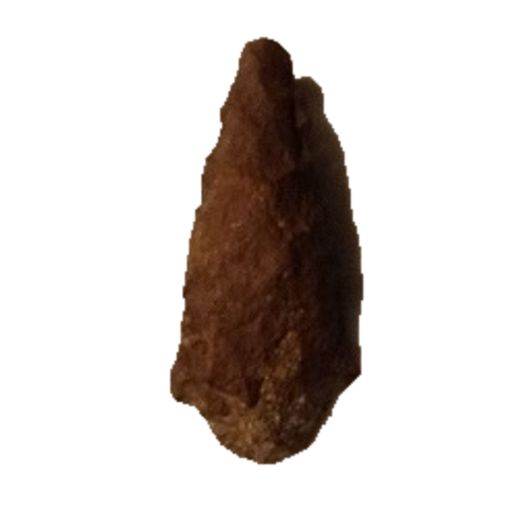 PiscatawayEarly Woodland3,000 - 2,500 B.P.
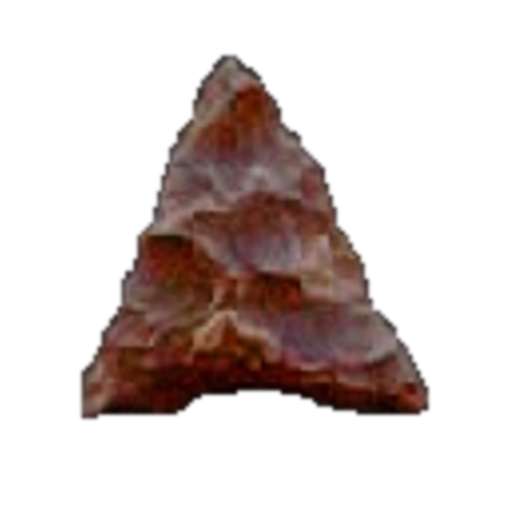 PisgahMississippian900 - 500 B.P.
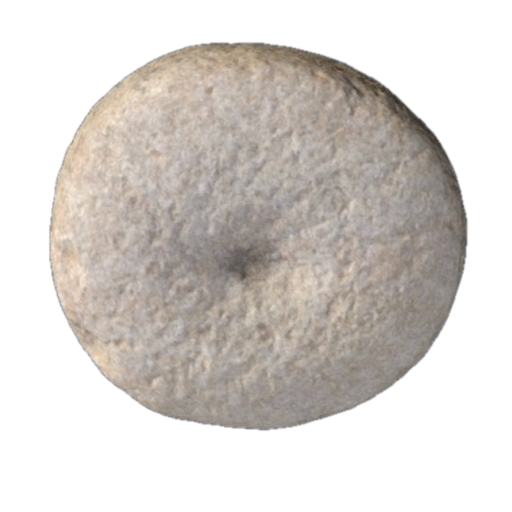 Pitted StoneUsed by Archaic hunter-gatherers, Woodland societies, Mississippian cultures, Plains Village groups, and many others.8,500 - 300 B.P.
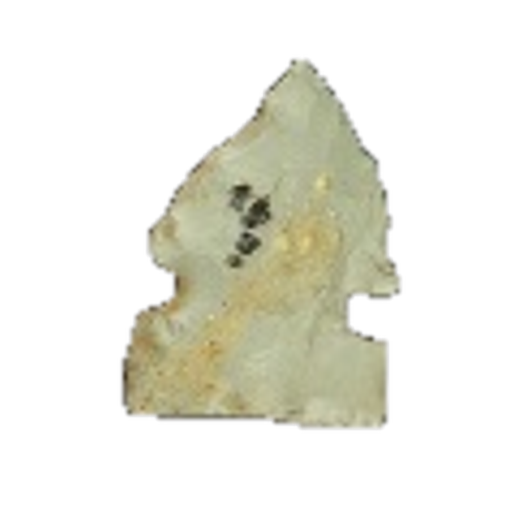 Plains Side NotchLate Prehistoric to ProtohistoricAbout 650 B.P. to the historic period (from about A.D. 1300)
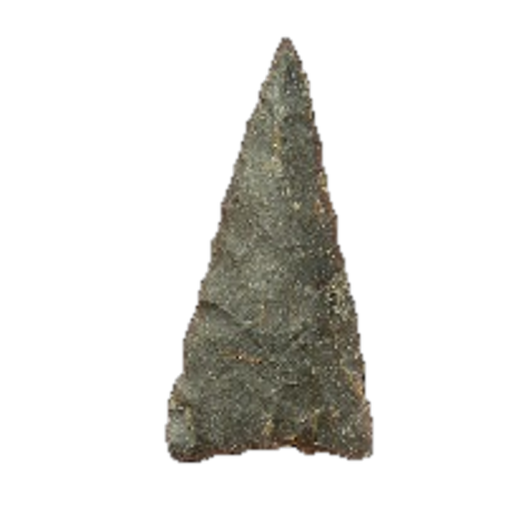 Plains TriangleDevelopmental1,000 - 500 B.P.
- Plains Woodland CordmarkedPlains Pottery200 – 1200 A.D.
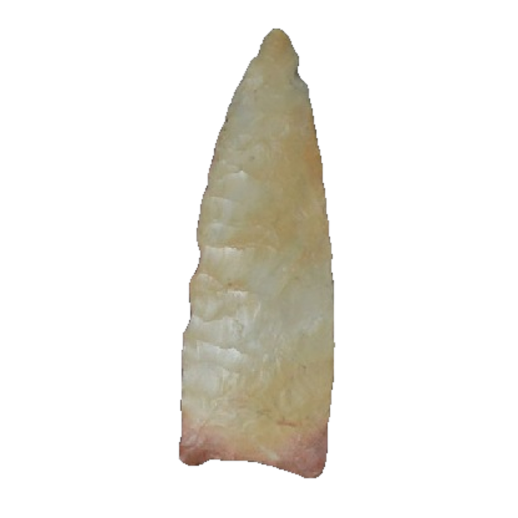 PlainviewLate PaleoindianAbout 12,100 - 11,300 years ago in calendar years (roughly 10,200 - 9,900 B.P. radiocarbon)
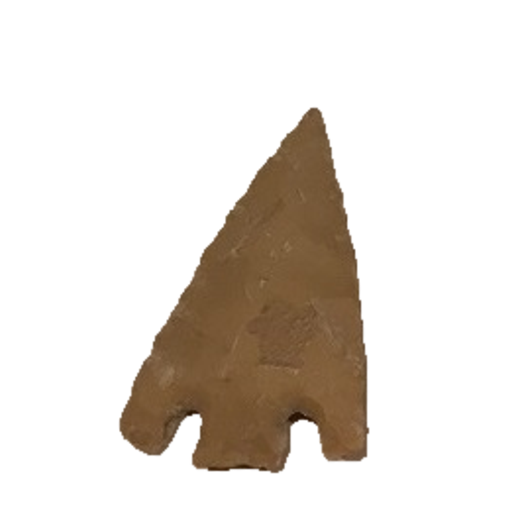 Plateau Basal NotchPlateau horizon (Plateau Pithouse tradition)2,400 - 1,200 B.P.
- Platform PipeMiddle WoodlandAbout 250 B.C.–A.D. 300: split-base forms about 250–150 cal B.C.; classic platform pipes cal 50 B.C.–A.D. 250–300 (Farnsworth et al. 2021).
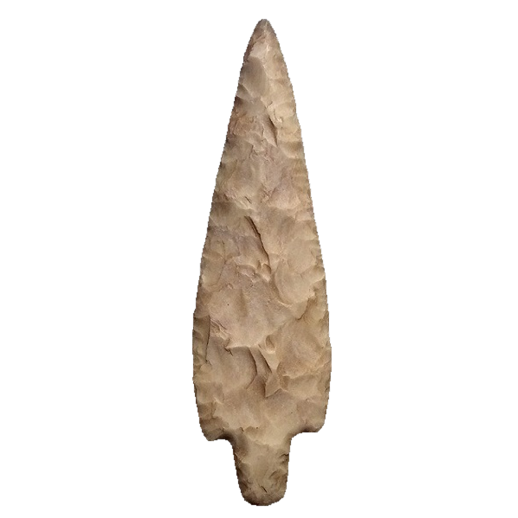 PogoArchaic into Caddo timesPoorly dated; possibly from before Christ into the early historic (contact) period
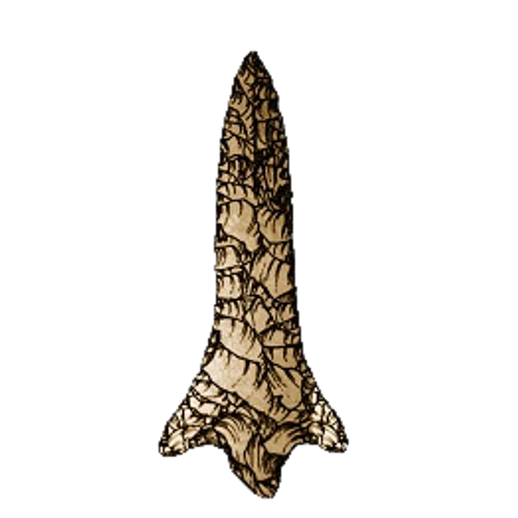 Point SalLate Archaic to Transitional Archaic4,000 - 1,500 B.P.
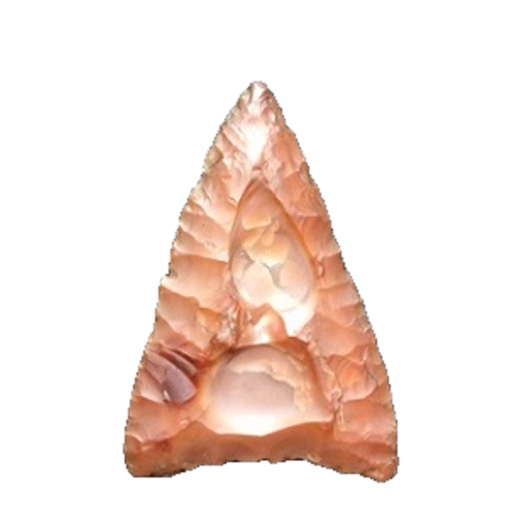 PomrankyLate Archaic3,300 - 2,500 B.P.
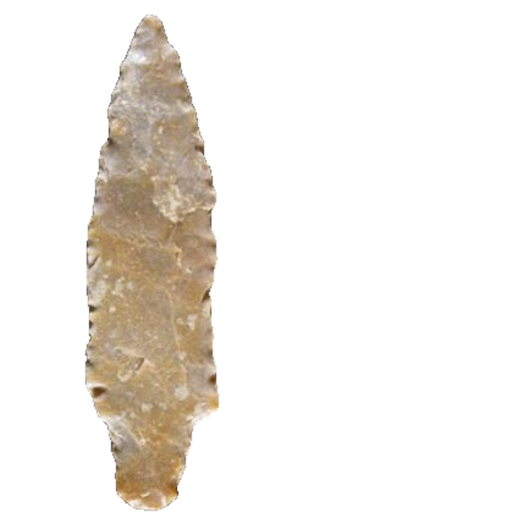 Pontchartrain Type ILate Archaic (Poverty Point period)About 3,450 - 2,250 B.P. (1500 - 300 BC)
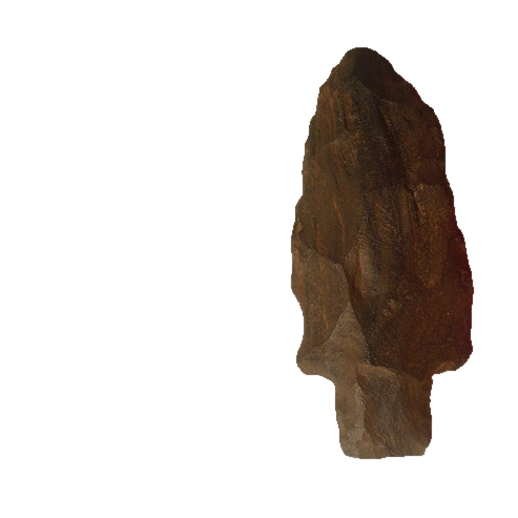 Pontchartrain Type IILate Archaic to Early Woodland3,500 - 2,000 B.P.
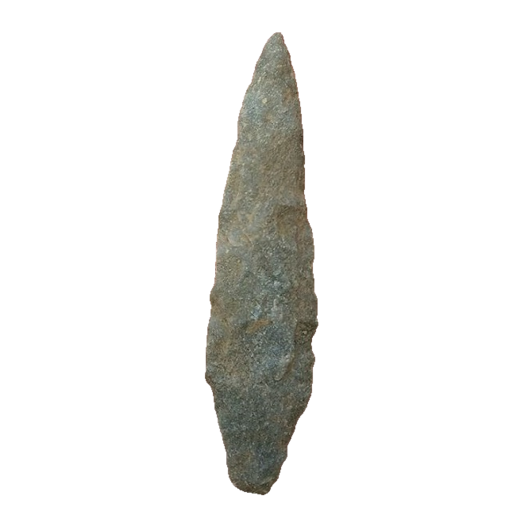 Poplar IslandLate Archaic to Early WoodlandAbout 5,300–4,000 B.P. in southeastern Pennsylvania; 3,920 B.P. in the Upper Delaware Valley; long examples most common about 4,500–2,000 B.P. in Delaware, with small ones later (Maryland JPPM)
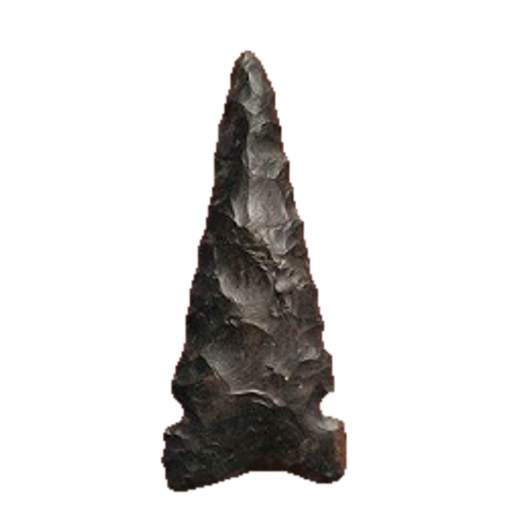 Port MaitlandMiddle Woodland
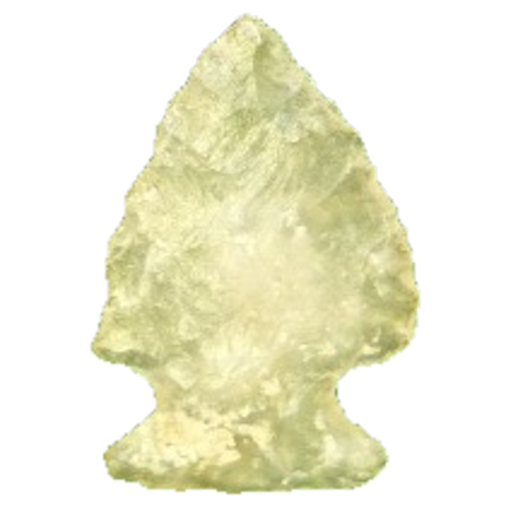 PrairieLate PrehistoricAbout A.D. 700 - 1300 (about 1,250 - 650 B.P.)
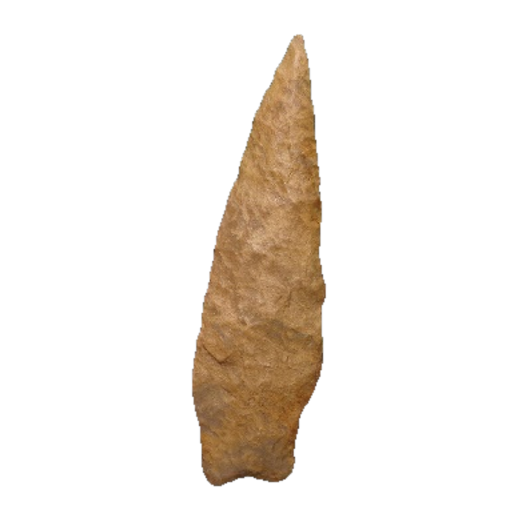 PryorLate Paleoindian to Early Archaic transition8,200 - 8,000 B.P.
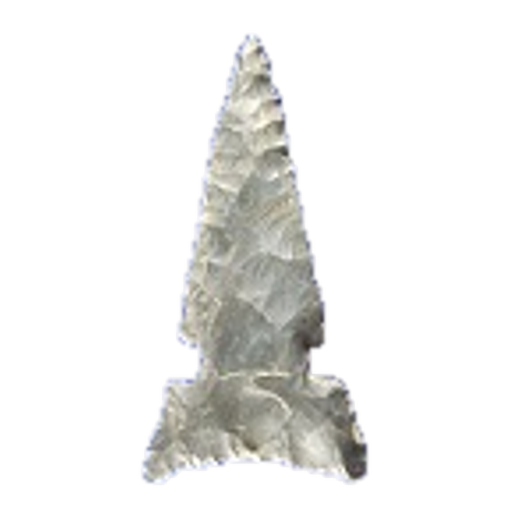 PuebloPueblo III to Pueblo IV (Late Prehistoric)A.D. 900 - 1500 (about 1,050 - 450 B.P.)
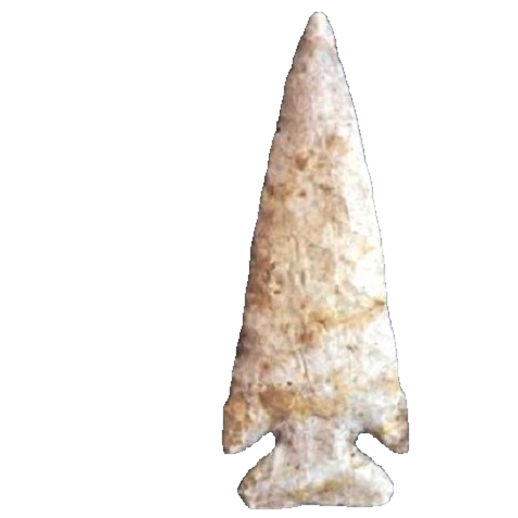 PulaskiLate Archaic
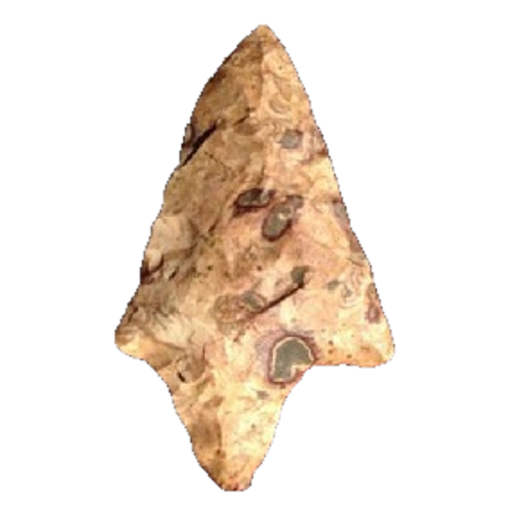 PutmanMiddle Archaic7,000 - 4,000 B.P.
Q
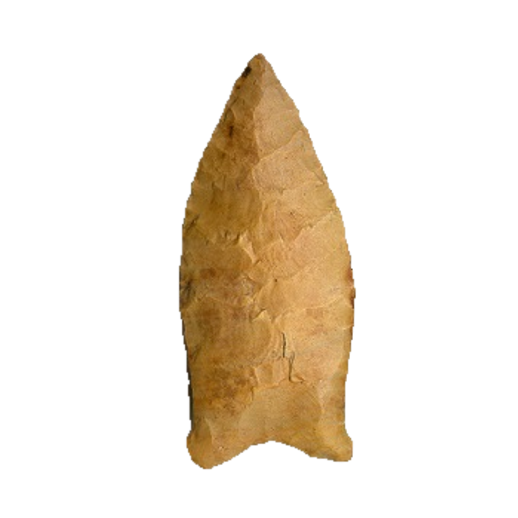
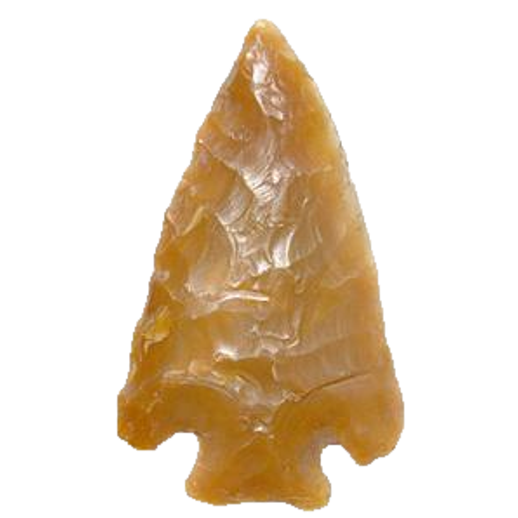
R
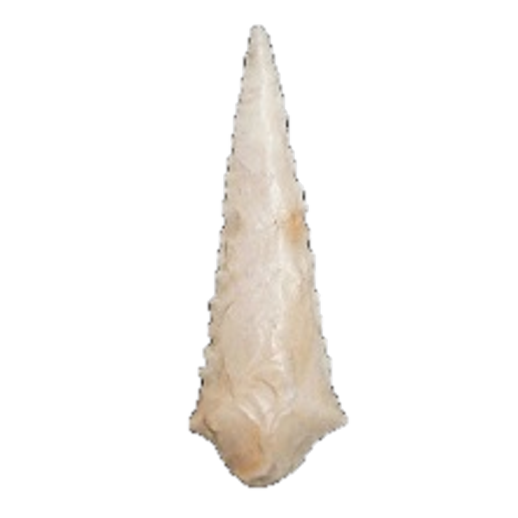 Rabbit IslandMiddle to Late Archaic (Columbia Plateau)Variant A about 4,000 - 2,000 B.P.; variant B about 3,000 - 1,500 B.P.
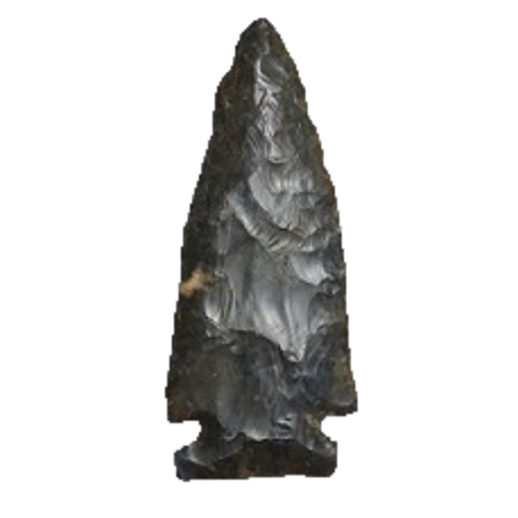 RaccoonMiddle Woodland to early Late WoodlandAbout 2,000 - 1,000 B.P. in the Upper Ohio Valley (published ranges differ)
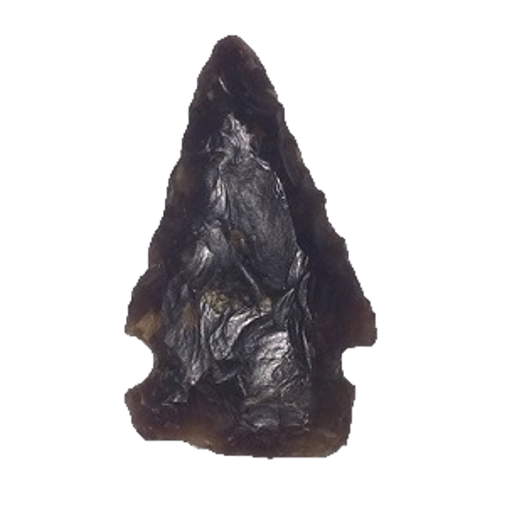 RaddatzMiddle Archaic to Late ArchaicAbout 6,450–3,750 B.P. (4500–1800 B.C., estimated by depth; a pit in the sequence dated 5,200 ± 400 B.P.; Wittry 1959); 5,000–3,500 B.P. (Mississippi Valley Archaeology Center)
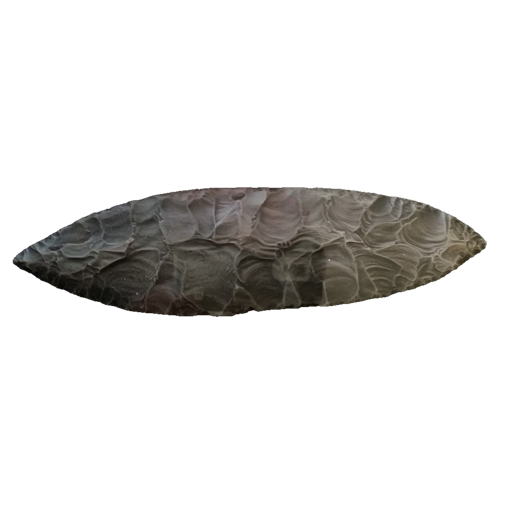 Ramey KnifeMississippian
- Ramos PolychromeCasas Grandes / Paquime Pottery1150 – 1450 A.D.
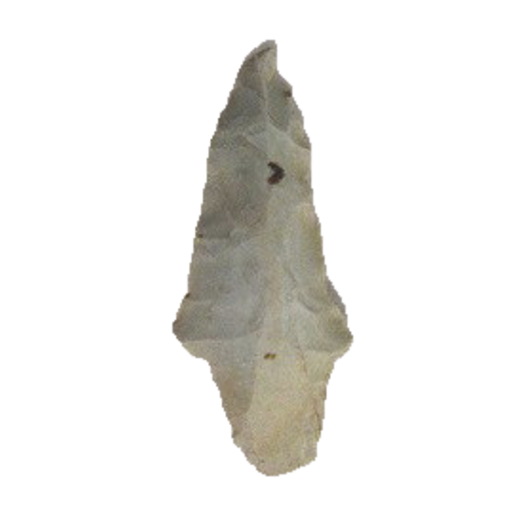 RandolphLate Prehistoric to Historic (uncertain)Uncertain: Coe (1964) assigned it to A.D. 1725–1800 (about 225–150 B.P.); the North Carolina classification lists it as Late Prehistoric (Daniel and Davis 1996)
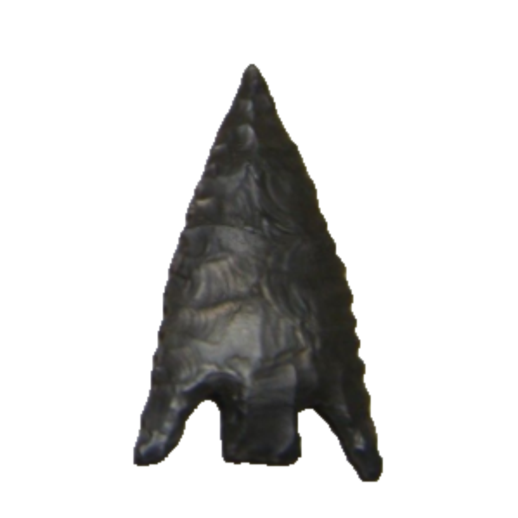 RankinLate Archaic to Early Woodland
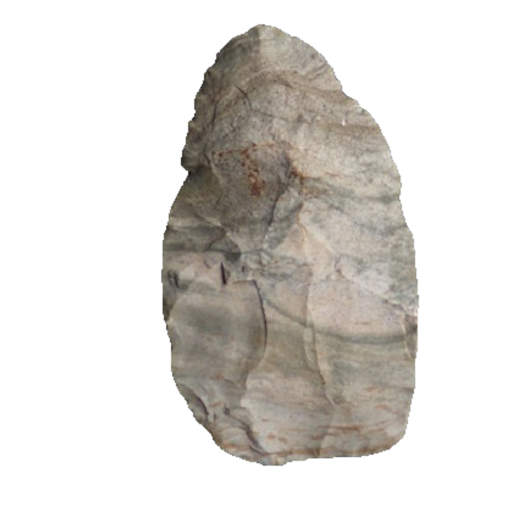 Red OcherLate Archaic to Early Woodland3,450–2,050 B.P. (1500–100 B.C. uncalibrated; Ritzenthaler and Quimby 1962)
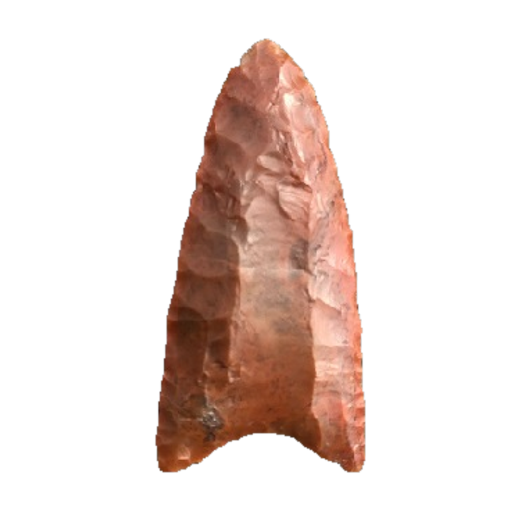 RedstoneLate Paleo13,000 - 11,000 B.P.
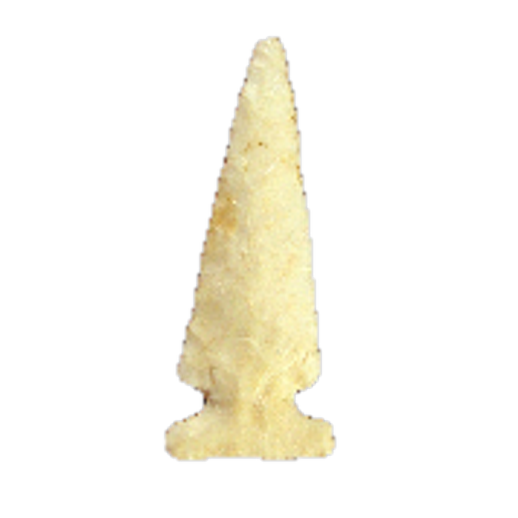 ReedLate Woodland to Mississippian1,500 - 500 B.P.
- Reel-Shaped GorgetEarly Woodland to Middle WoodlandAbout 500 B.C.–A.D. 300: Adena in Kentucky, 500 B.C.–A.D. 200 (Henderson and Schlarb 2007), and Hopewell at Tremper Mound, Ohio (Mills 1916), with copper reels in Hopewellian mounds of northern Alabama (Griffin 1941).
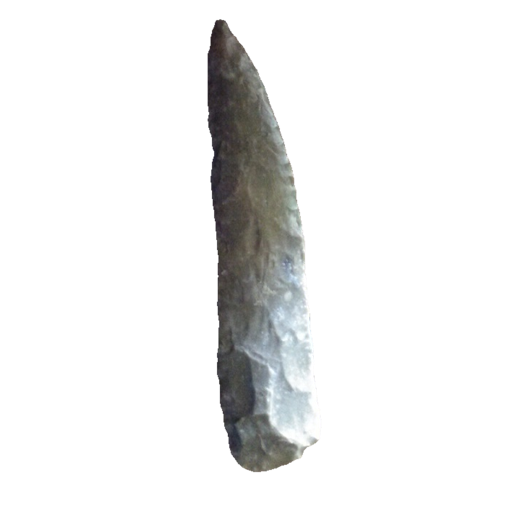 RefugioMiddle Archaic to Late Archaic
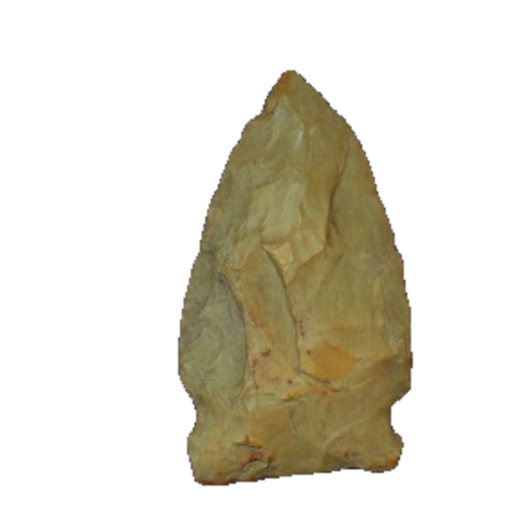 ReighLate Archaic to Early Woodland3,500 - 2,000 B.P.
- Reserve Black-on-WhiteMogollon / Mimbres Pottery950 - 1150 A.D.
- Reserve CorrugatedMogollon / Mimbres Pottery900 - 1150 A.D.
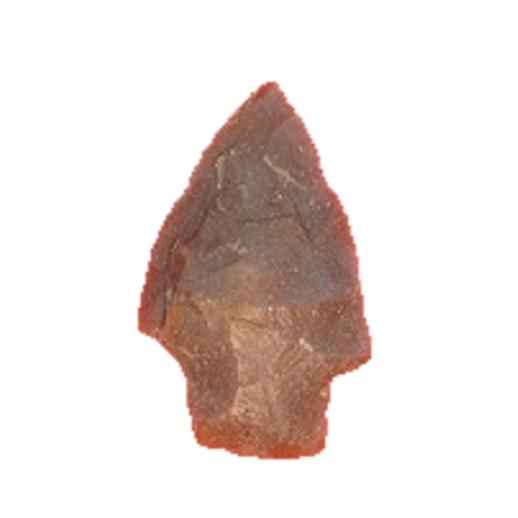 Rheems CreekUncertain; Middle Archaic to Early Woodland suggestedNot securely dated
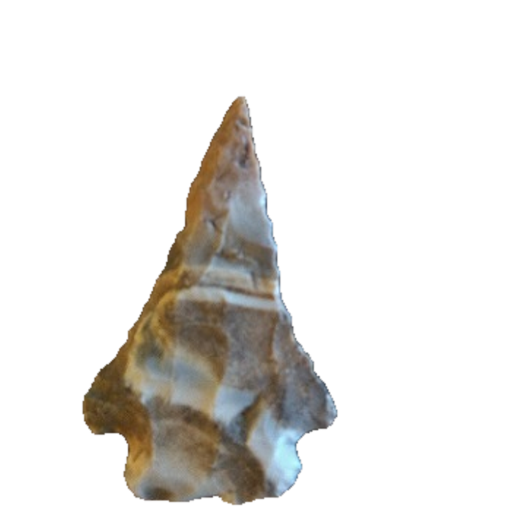 Rice LobbedEarly Archaic9,450–6,950 B.P. (7500–5000 B.C.; Chapman 1975, as summarized by Fuller 2013); 8,190 ± 60 B.P. at the Big Eddy site, Missouri (Ray and Lopinot 2005, cited in Ray and Mandel 2015)
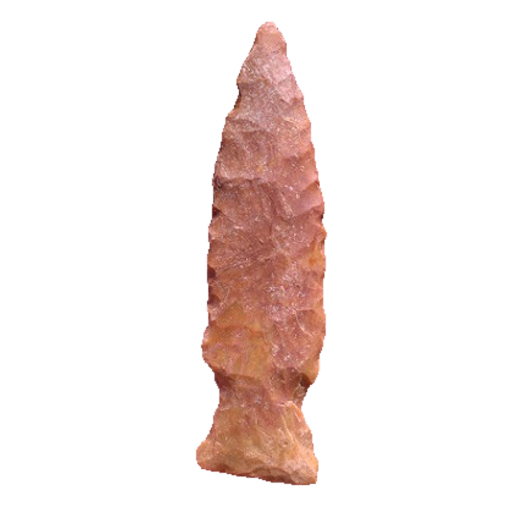 Rice ShallowLate Woodland (with some earlier and later use)Mainly about A.D. 400 - 900; radiocarbon dates of A.D. 280, 500 and 740
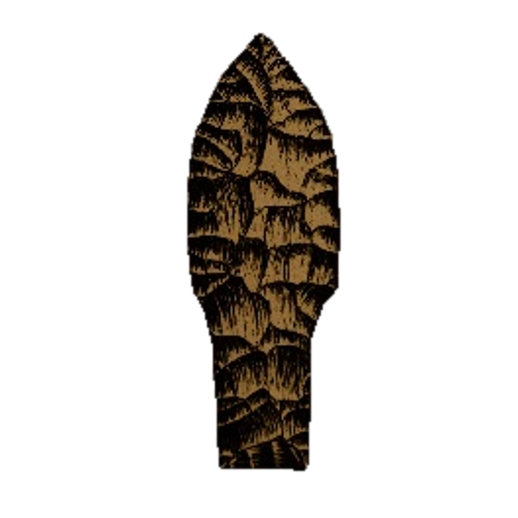 Rio GrandeMiddle Archaic7,000 - 6,000 B.P.
- Ripley EngravedCaddo Pottery1200 – 1600 A.D.
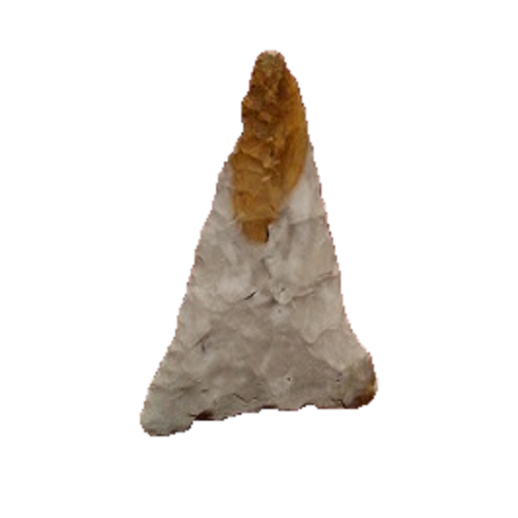 RoanokeLate Woodland1.500 - 1,000 B.P.
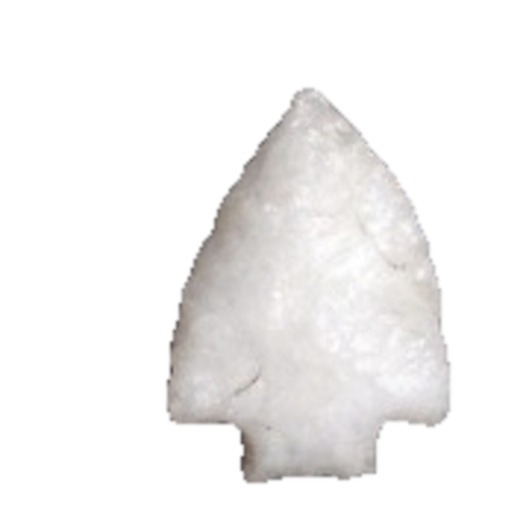 RobesonTerminal Late ArchaicAbout 3,500 - 3,100 B.P. at the Wabash Valley Riverton sites (radiocarbon years)
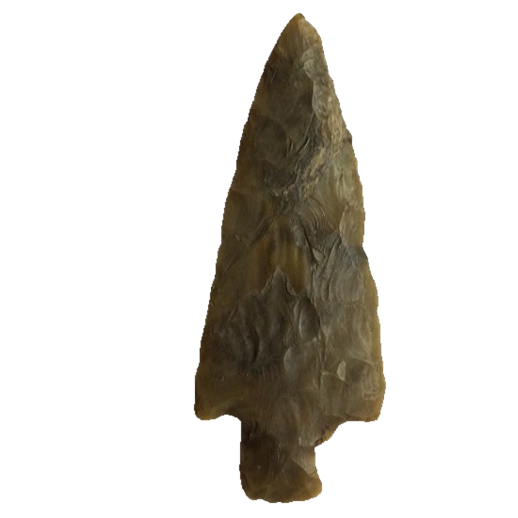 RobinsEarly Woodland to Middle WoodlandAbout 2,450–1,950 B.P. (500 B.C.–A.D. 1; Indiana DNR); 300 B.C.–A.D. 1 in Ohio's guide and 200 B.C.–A.D. 200 in the NRCS guide
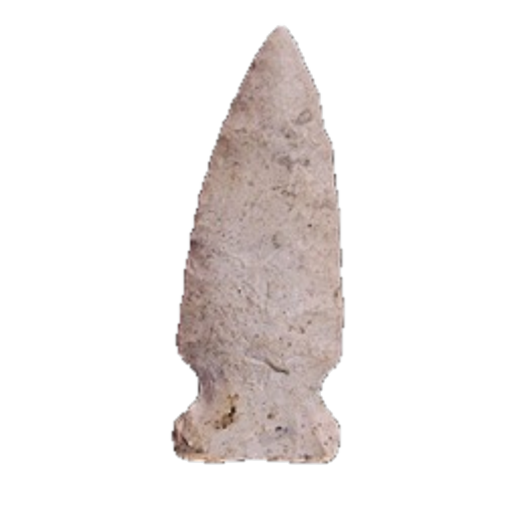 RobinsonLate Archaic4,000 - 3,000 B.P.
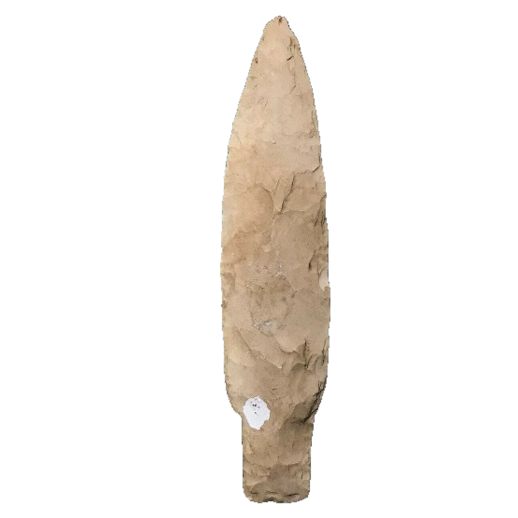 RochesterEarly Archaic
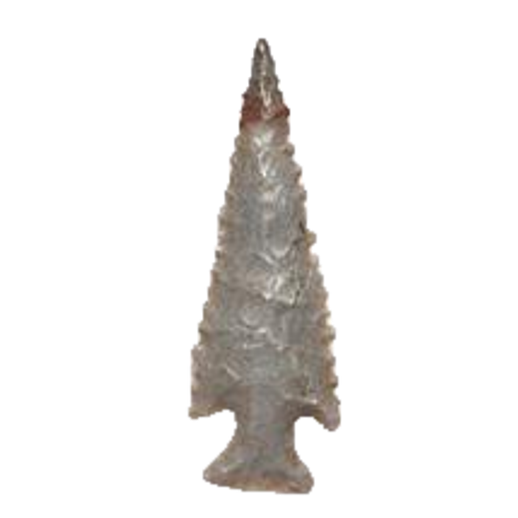 RockwallLate Woodland to Mississippian
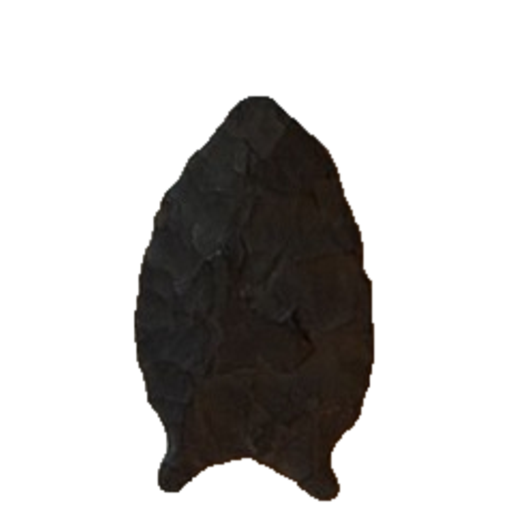 Rodgers Side HollowTransitional Paleo to Early Archaic10,000 - 8,000 B.P.
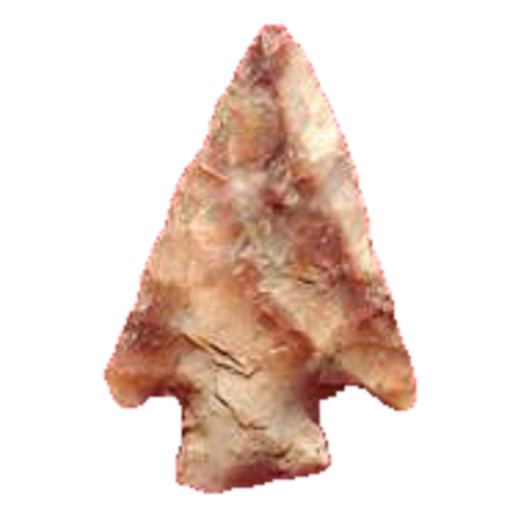 Rose Spring CornerLate Prehistoric1,250 - 650 B.P. (A.D. 700-1300 in uncorrected radiocarbon years; a few authors place the first appearance earlier)
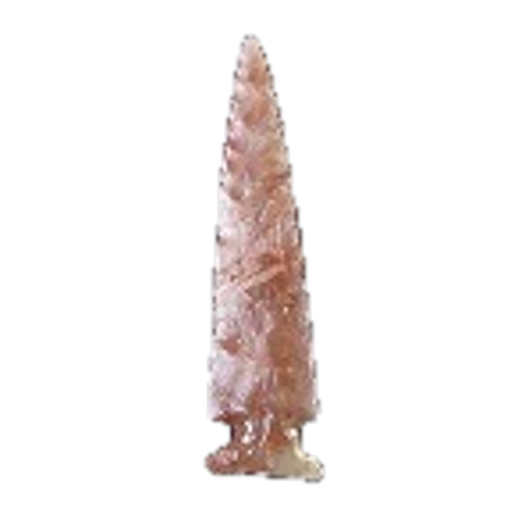 Rose Spring SideLate Prehistoric1,250–650 B.P. (A.D. 700–1300) for the Rosegate series (Thomas 1981)
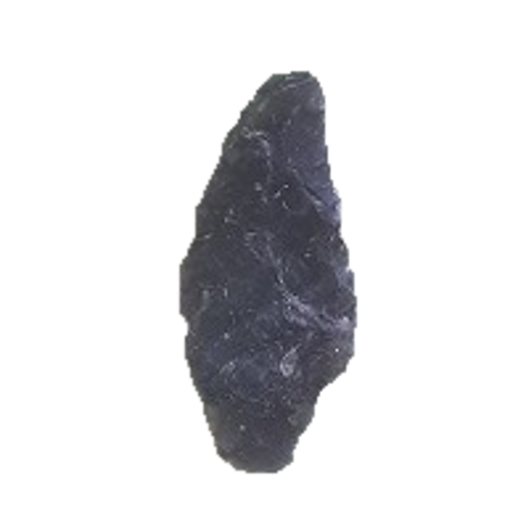 Rose Springs SlopingLate Prehistoric to Developmental1,500 - 700 B.P.
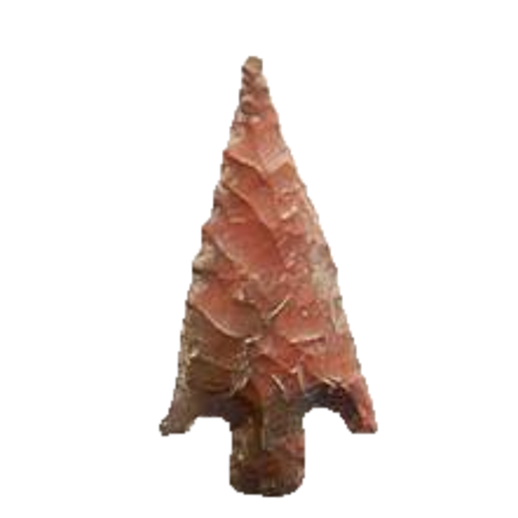 Rose Springs StemmedLate Archaic to Late Prehistoric (Rose Spring period in eastern California)1,500 - 650 B.P.
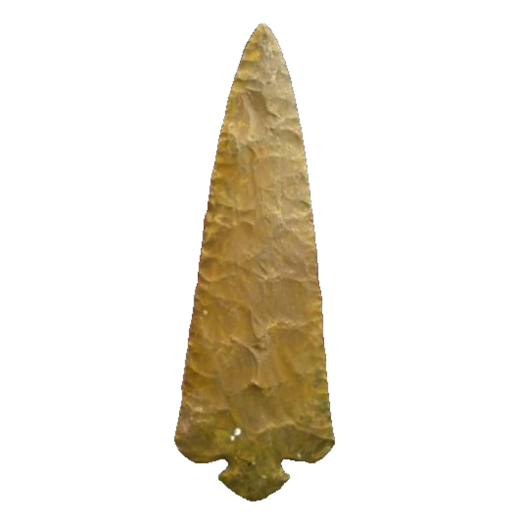 RossMiddle Woodland
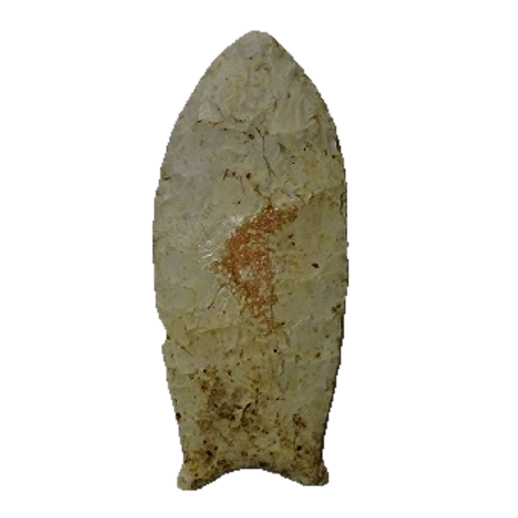 Ross County FlutedPaleo14,000 - 10,000 B.P.
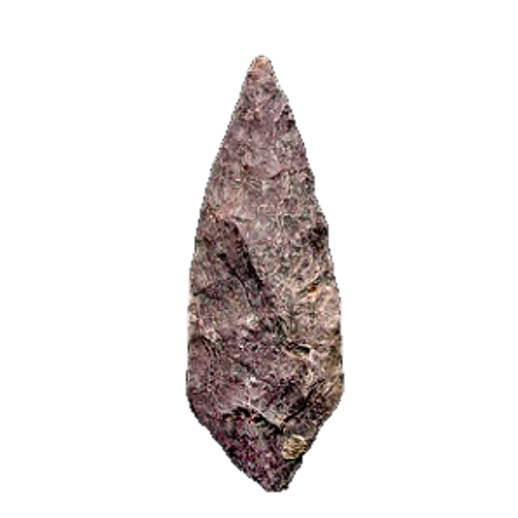 RossvilleEarly to Middle WoodlandAbout 2,800 - 1,050 B.P. (825 B.C. - A.D. 900) on radiocarbon evidence, though the range is debated and may begin in the Terminal Archaic or run into the Late Woodland
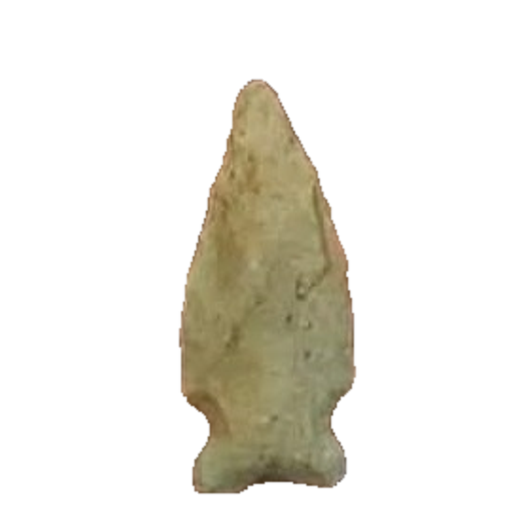 RowanEarly ArchaicAbout 9,500–8,500 B.P., estimated; not radiocarbon dated (Perino 1971)
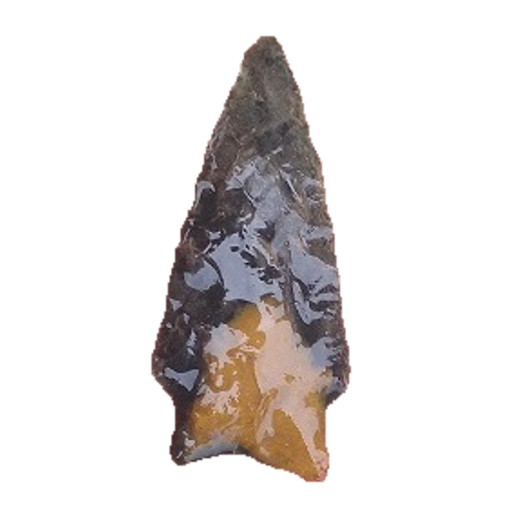 Russell CaveEarly ArchaicAbout 8,400 - 7,500 B.P. (three radiocarbon dates from the layer that held the type)
S
 SabinalLate PrehistoricAbout 800 B.P. (one radiocarbon date from a mixed level that held Sabinal points)
- Sacaton Red-on-BuffHohokam Pottery950 - 1150 A.D.
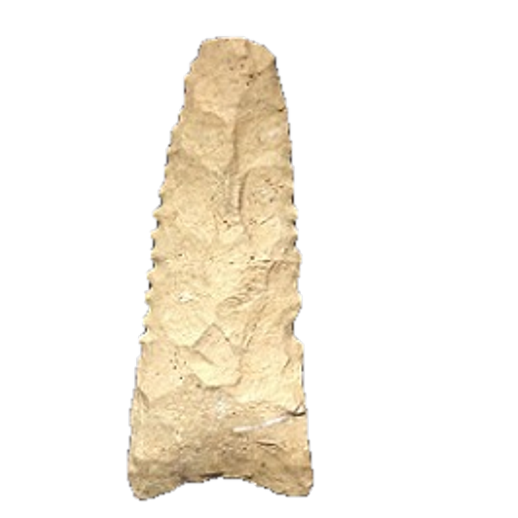 Safety HarborWoodland1,100 - 600 B.P.
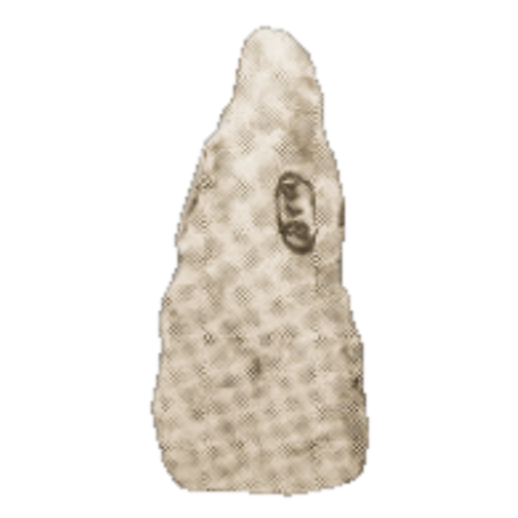 Sain AltoTransitional Archaic to Preclassic3,000 - 1,050 B.P.
- Salado PolychromeSalado / Roosevelt Red Ware1280 - 1450 A.D.
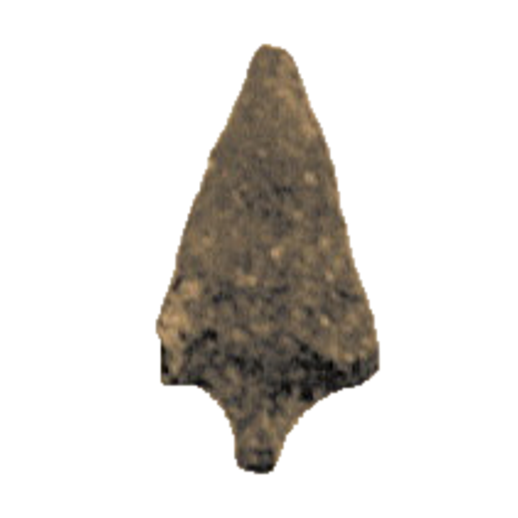 Salish StemmedPrehistoric to Historic
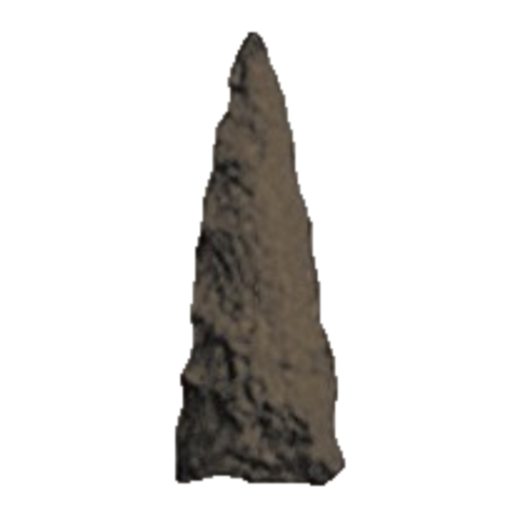 Salish TriangularPrehistoric to Historic2,700–500 B.P. (Keddie 2008, southern Vancouver Island)
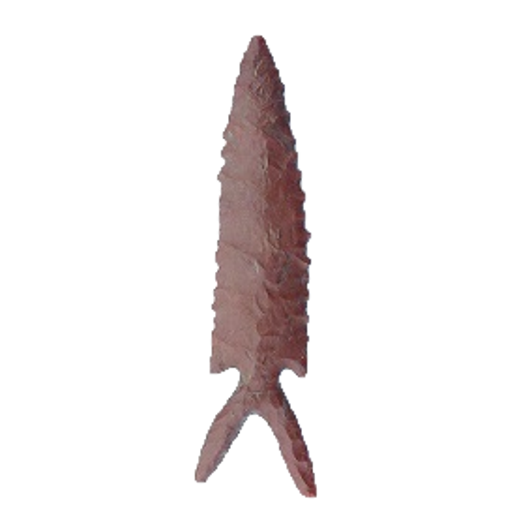 SallisawMississippian
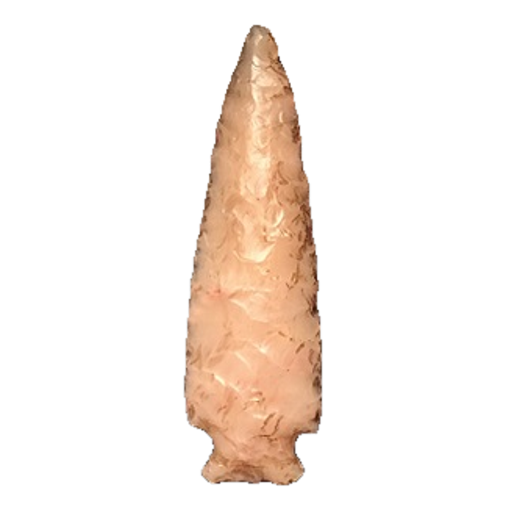 Salmon RiverMiddle ArchaicAbout 6,300 - 5,200 B.P. in Alberta (Maple Leaf complex); Idaho dates not checked
- Salt Red WareHohokam Pottery700 - 1300 A.D.
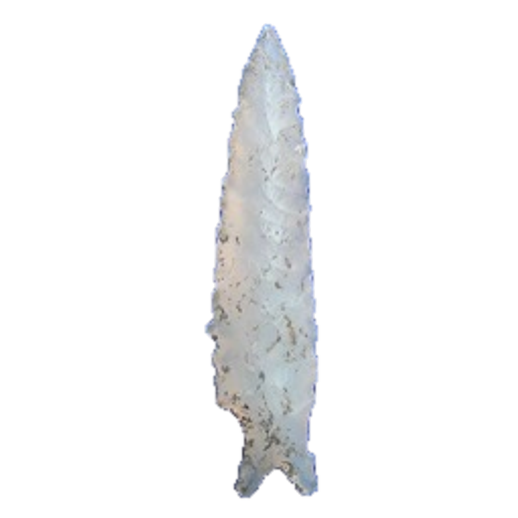 Salt RiverDevelopmental to Late Prehistoric
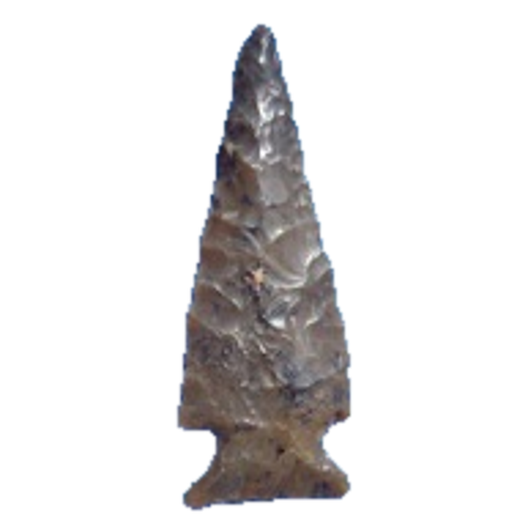 Samantha ArrowPlains Woodland (Besant phase)Late in the Besant phase (the phase dates to about 2,100 - 1,500 B.P. in Alberta)
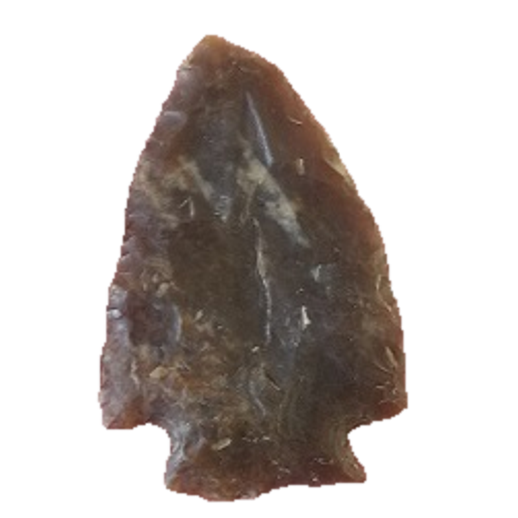 Samantha DartLate Middle Prehistoric (Besant phase)2,000 - 1,000 B.P.
 San AntonioEarly Archaic to Middle Archaic
 San Antonio Multiple Notch
 San Antonio Round Base
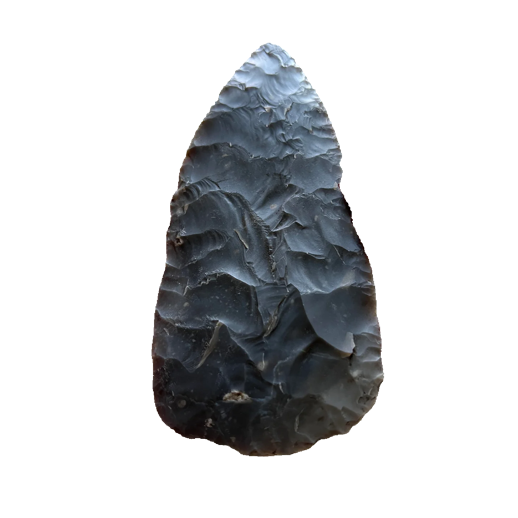 San GabrielTransitional ArchaicAbout 1,750–1,400 B.P. (A.D. 200–550), the Twin Sisters phase (Prewitt 1981)
- San Ildefonso Black-on-BlackHistoric Pueblo Pottery (AD 1600-Present)1900 – Present A.D.
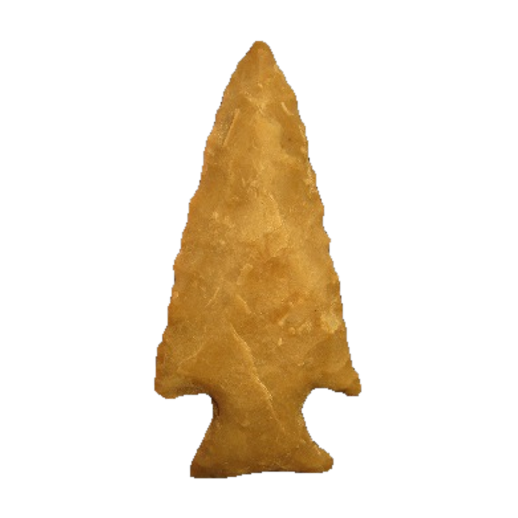 San JacintoMiddle Archaic
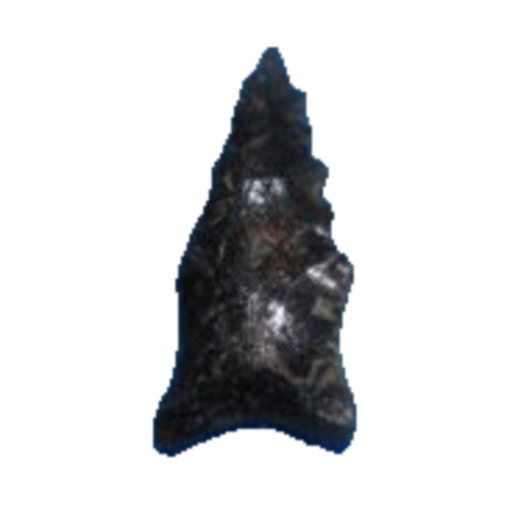 San JoseMiddle Archaic5,150 - 3,750 B.P. (San Jose phase, 3200-1800 B.C.; the Maxwell Museum gives about 5,500-3,500 B.P.)
- San Juan Red WareAncestral Puebloan Pottery750 - 1050 A.D.
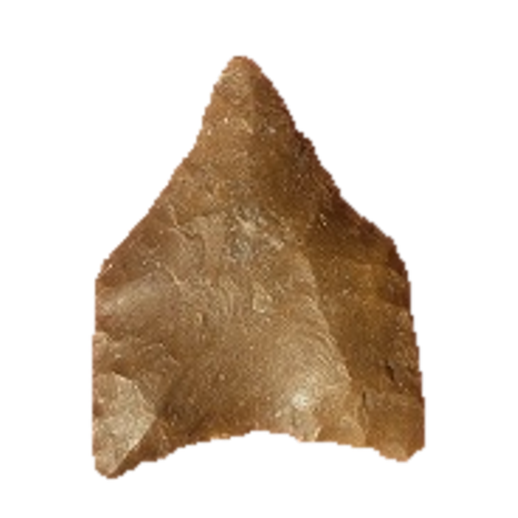 San PatriceTransitional Paleo to Early Archaic10,000 - 8,000 B.P.
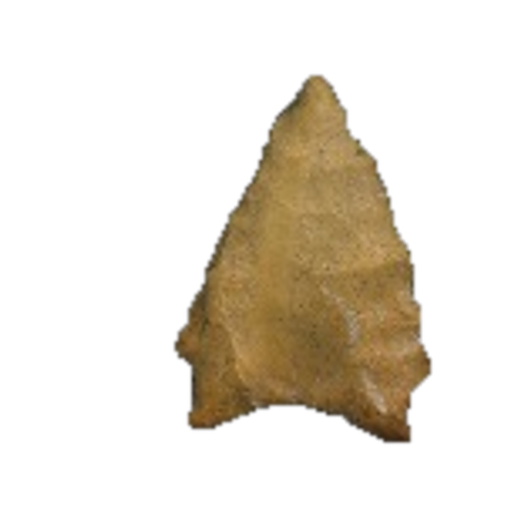 San Patrice Geneill VarietyLate Paleoindian to Early Archaic10,000–8,000 B.P.
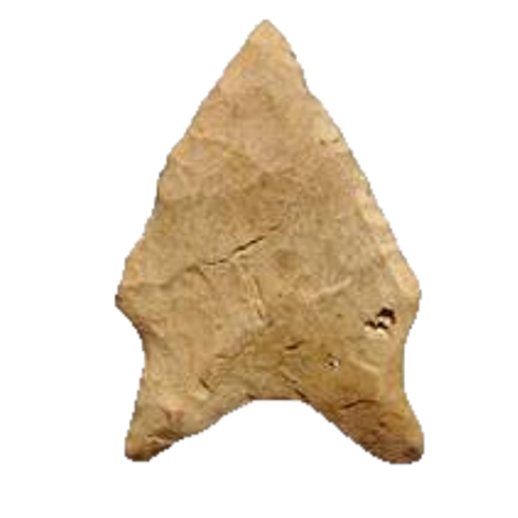 San Patrice Hope VarietyTransitional Paleo to Early Archaic10,000 - 8,000 B.P.
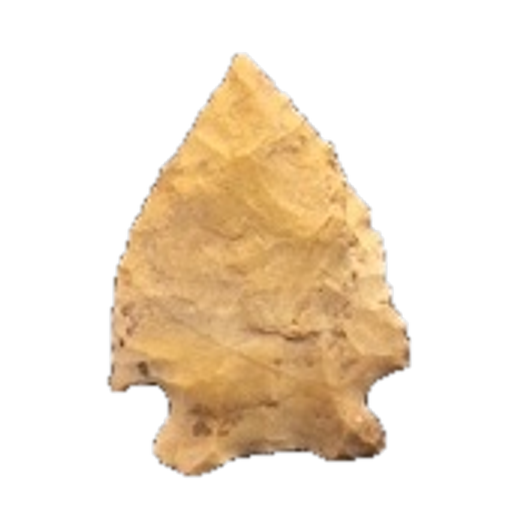 San Patrice Keithville VarietyTransitional Paleo to Early Archaic10,000 - 8,000 B.P.
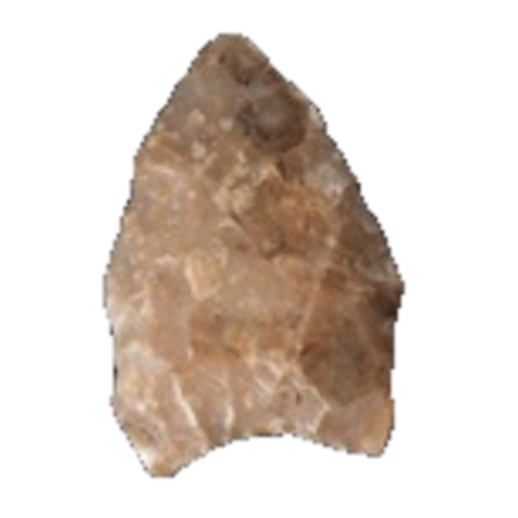 San Patrice KisatchieTransitional Paleo10,000 - 9,200 B.P.
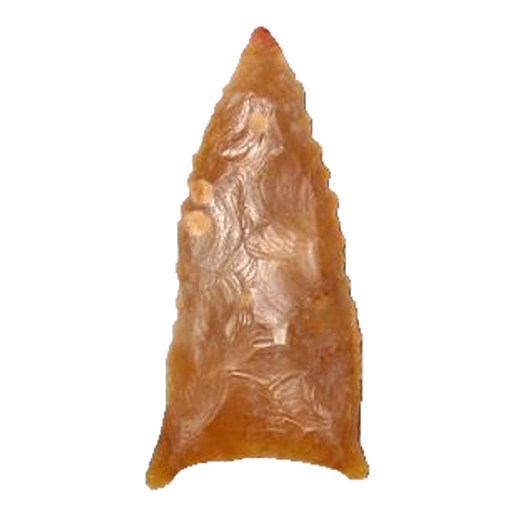 San Patrice Leaf RiverTransitional Paleo to Early Archaic10,000 - 8,000 B.P.
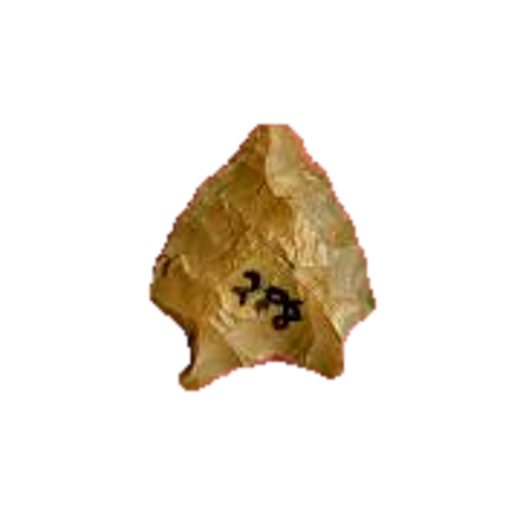 San Patrice St JohnsTransitional Paleo to Early Archaic10,000 - 8,000 B.P.
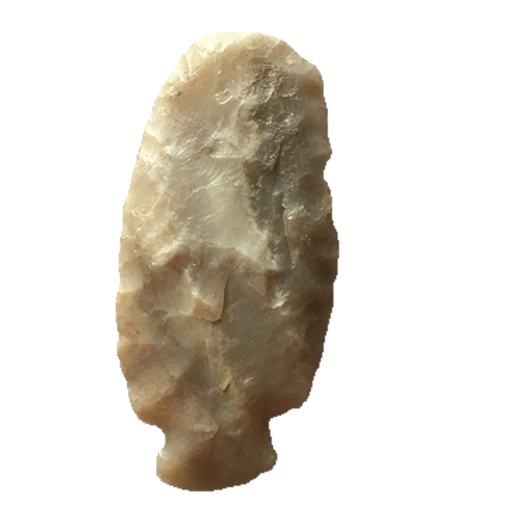 San PedroLate Archaic3,500 - 2,000 B.P.
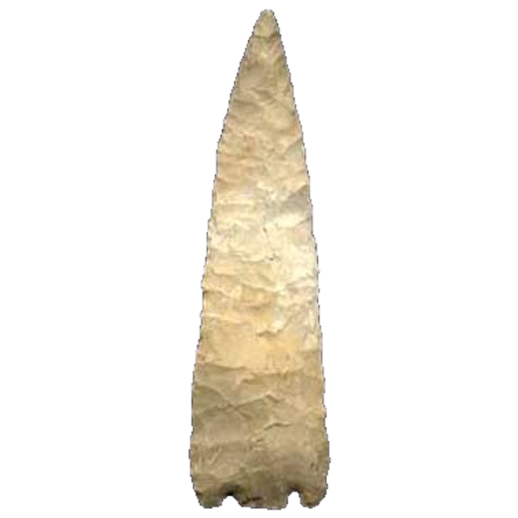 San Saba
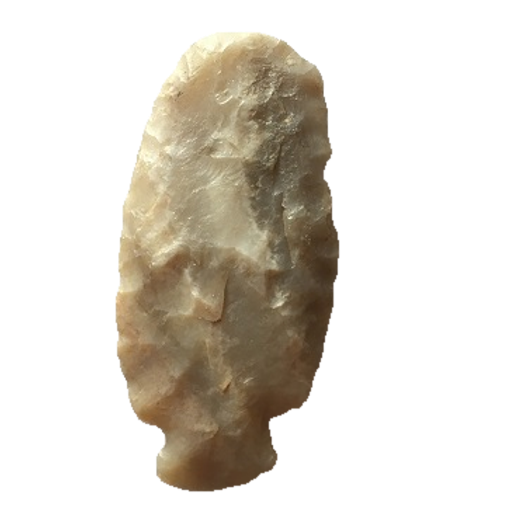 San_PedroLate Archaic to Transitional Archaic3,000 - 1,700 B.P.
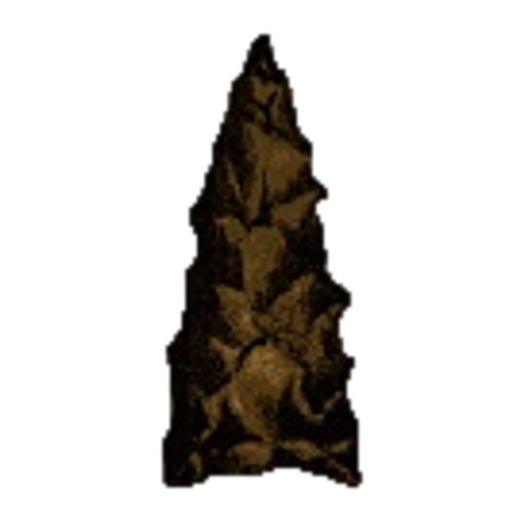 Sand MountainLate Woodland to Mississippian1,500 - 800 B.P.
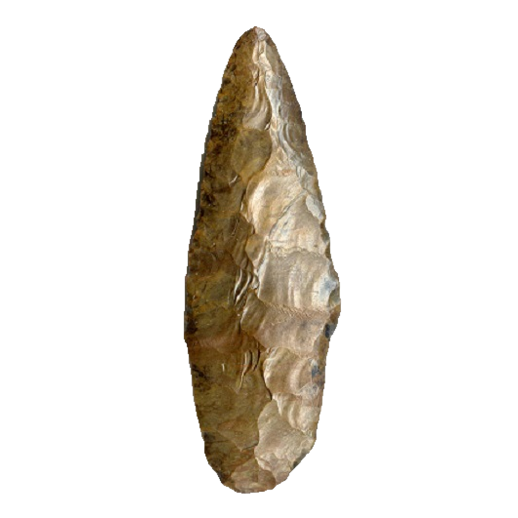 SandiaPaleoindian (age disputed)Disputed. Hibben placed it before Folsom, in the Late Pleistocene; radiocarbon dates on bone tools and burned bone from the cave are only about 3,400 years old, and no dated evidence supports a pre-Folsom age (Thompson and Haynes 2012)
- Santa Cruz Red-on-BuffHohokam Pottery850 - 1050 A.D.
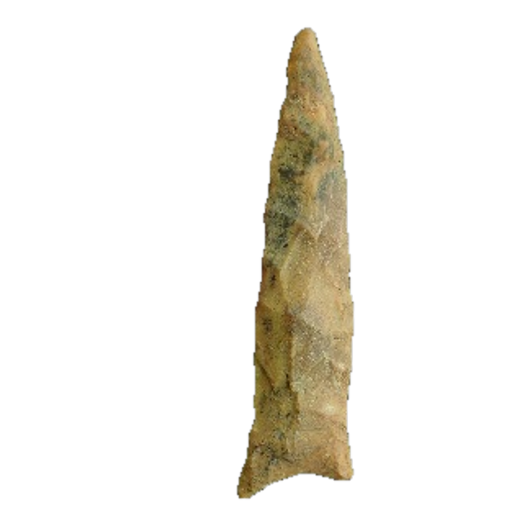 Santa FeLate Archaic to Early Woodland3,500 - 2,500 B.P.
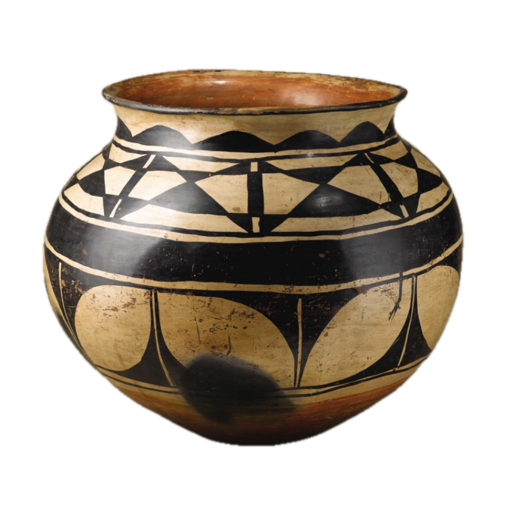 Santo Domingo PolychromeHistoric Pueblo Pottery (AD 1600-Present)1700 – 1900 A.D.
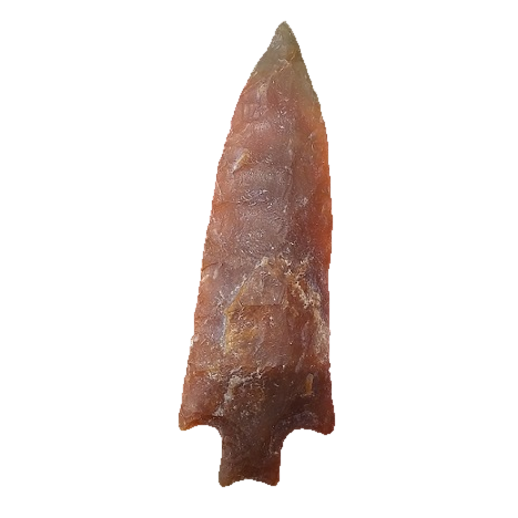 SarasotaWoodland3,000 - 1,500 B.P.
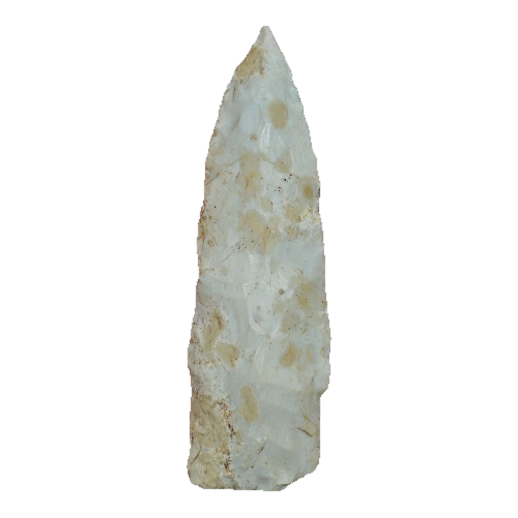 Saratoga BroadLate Archaic to Early WoodlandAfter about 4,500 B.P. (radiocarbon years)
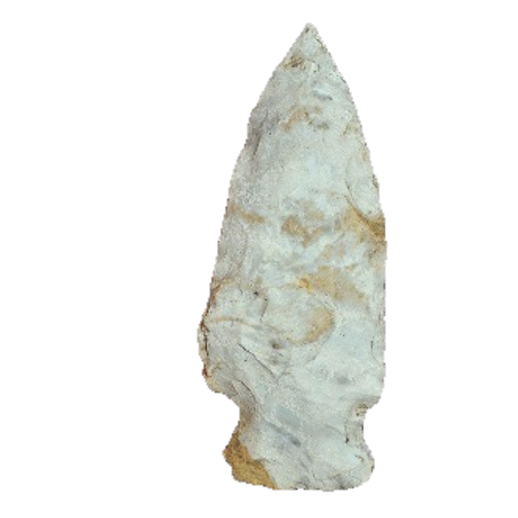 Saratoga ExpandingLate Archaic to Early WoodlandLate Archaic into Early Woodland; Winters dated his Late Archaic points to about 3000 - 1000 B.C. (5,000 - 3,000 B.P.)
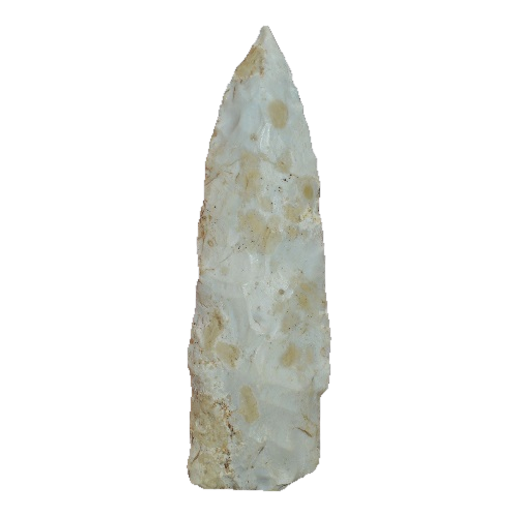 Saratoga ParallelLate Archaic to Early Woodland
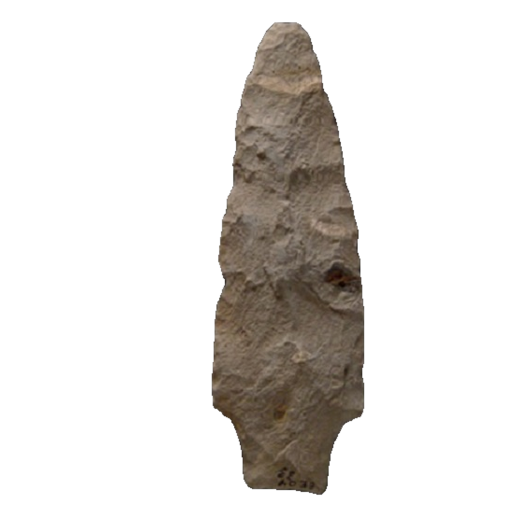 SatchellMiddle Archaic to Late Archaic5,100 to 3,163 B.P.
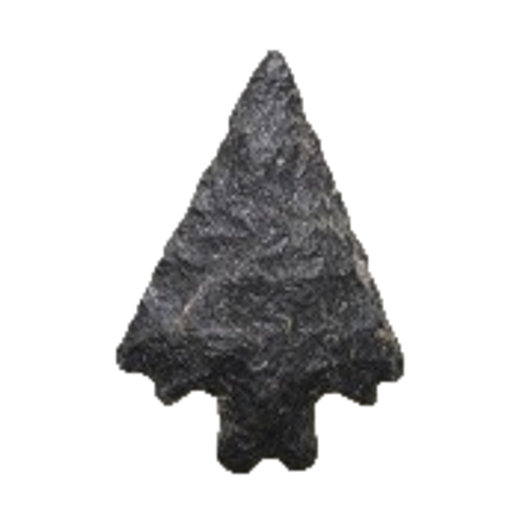 Sauvies Island
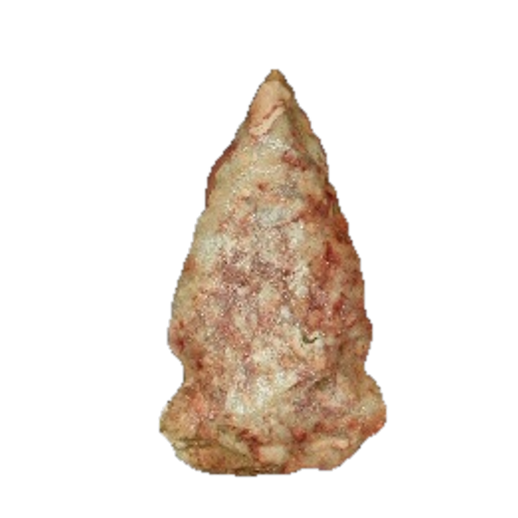 Savage CaveEarly Archaic to Middle Archaic
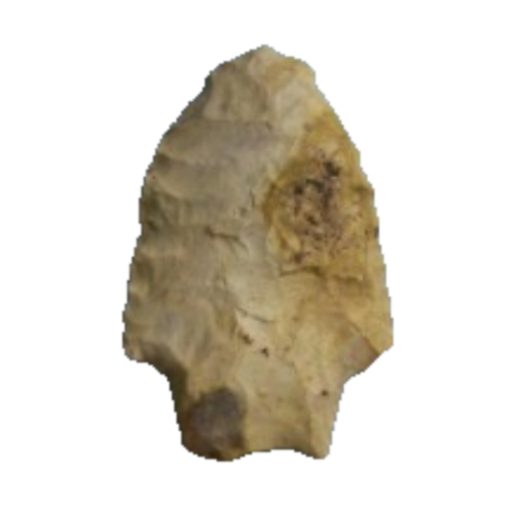 Savannah RiverLate Archaic to Early WoodlandAbout 4,865–3,260 B.P. (Warren Wilson site, North Carolina, to Pony Pasture site, Virginia), many dates 3,900–3,700 B.P. (Maryland JPPM); 3000–1800 B.C. at the Bacon Bend site, Tennessee (UNC RLA)
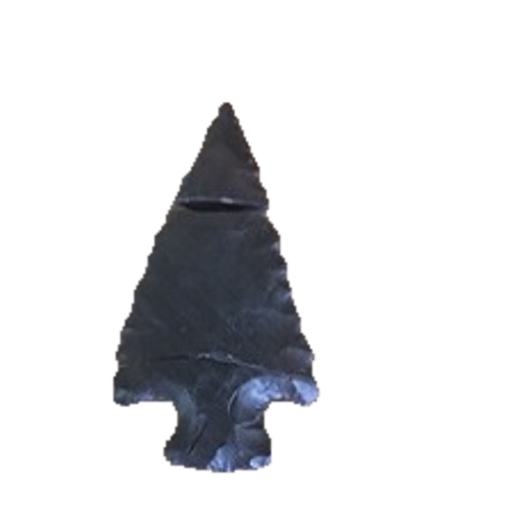 ScallornLate Prehistoric (Texas); Late Woodland to early Mississippian (Missouri)1,250–650 B.P. (Austin phase, A.D. 700–1300; Prewitt 1981; Ricklis 1996); Suhm and Krieger (1954) estimated A.D. 700–1500; southwest Missouri radiocarbon dates about A.D. 750–770 (Fuller)
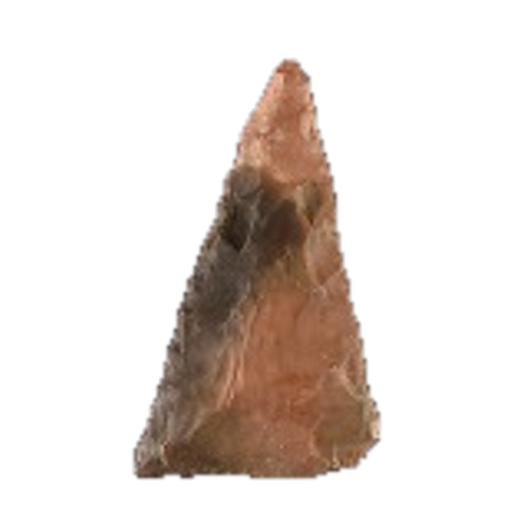 ScaremMississippian950 - 375 B.P.
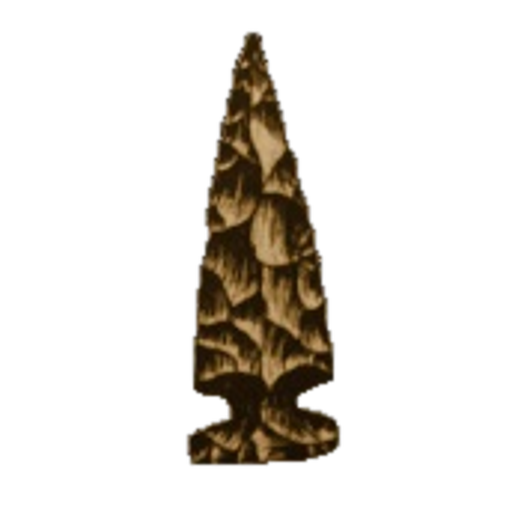 SchugtownMiddle Mississippian
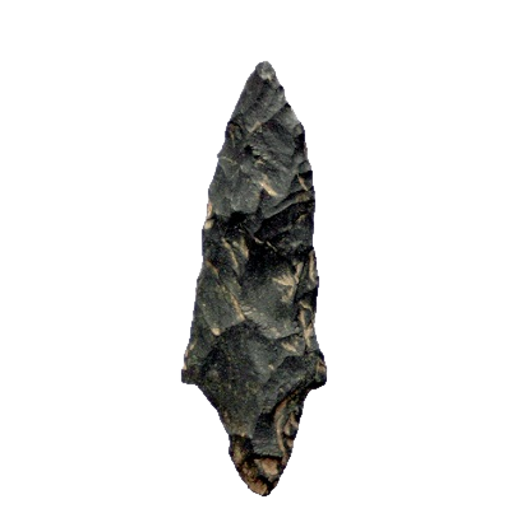 SchuylkillLate Archaic
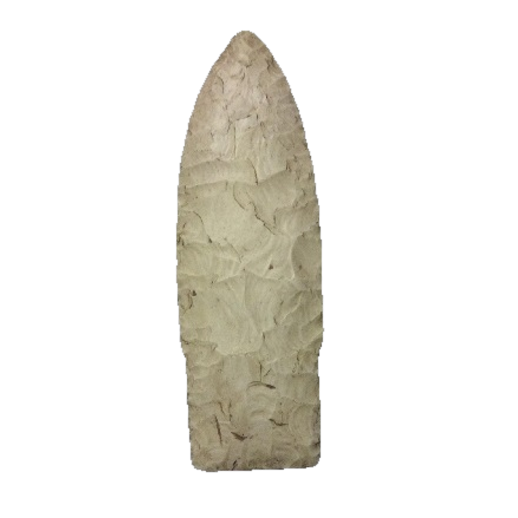 ScottsbluffLate Paleoindian9,900–8,000 B.P. (Cody complex; Knell and Muniz 2013)
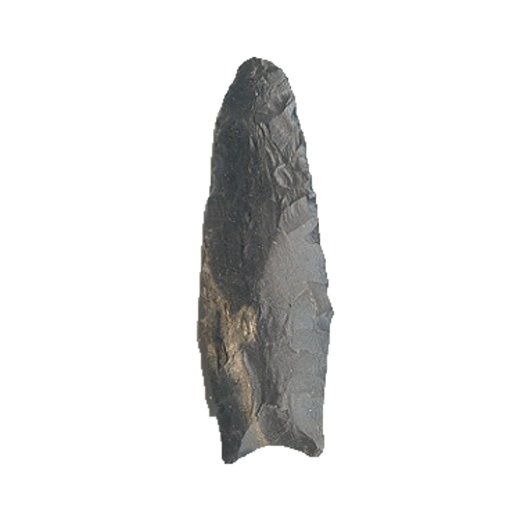 SearcyEarly ArchaicAbout 7,800–7,100 B.P. (radiocarbon; about 8,600–8,000 cal B.P.) from dated contexts at Albertson Shelter, John Paul Cave and Big Eddy (Lopinot n.d.); O'Brien and Wood (1998) suggested 9,500–9,000 B.P.
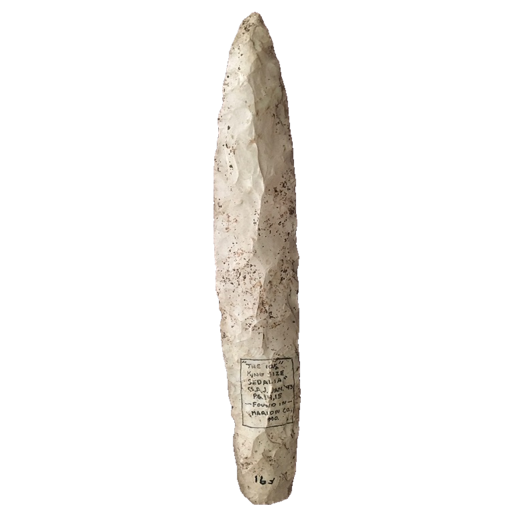 SedaliaLate ArchaicAbout 4,200 - 3,700 B.P. (uncalibrated radiocarbon years)
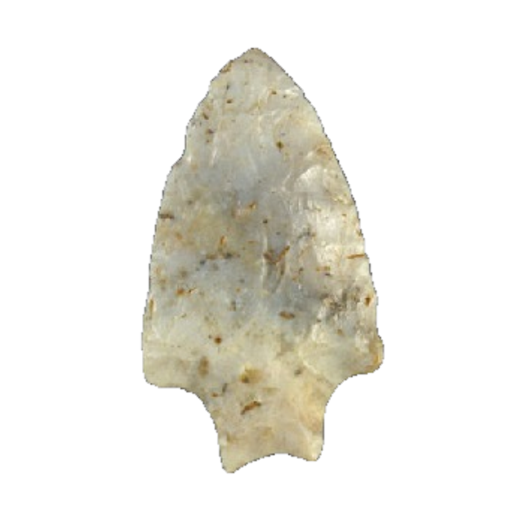 SeminoleMiddle Archaic to Late Archaic
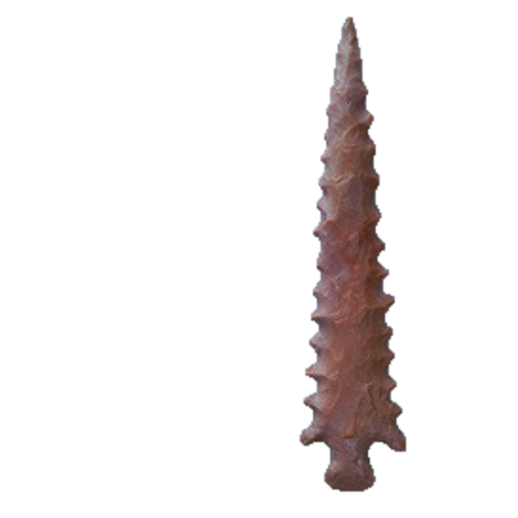 SequoyahLate Woodland to Early Mississippian
- Sevier Gray WareFremont Pottery300 – 1300 A.D.
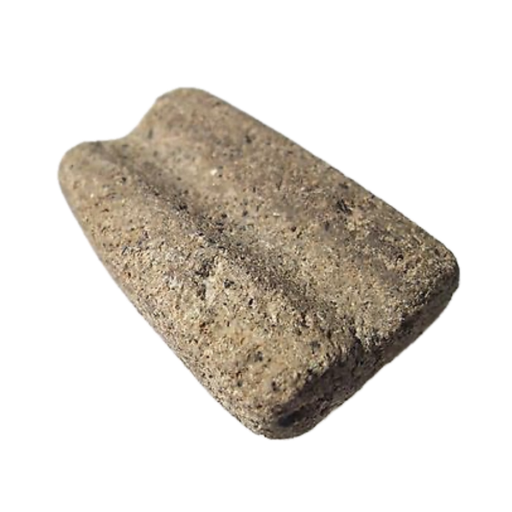 Shaft StraightenerUsed by Late Archaic foragers, Ancestral Puebloans, Great Basin and Plains hunters, Mississippian archers, and many other groups after the spread of bow-and-arrow technology.1,700 - 300 B.P.
- Shallow Incised WareColumbia Plateau / Northwest Pottery500 – 1500 A.D.
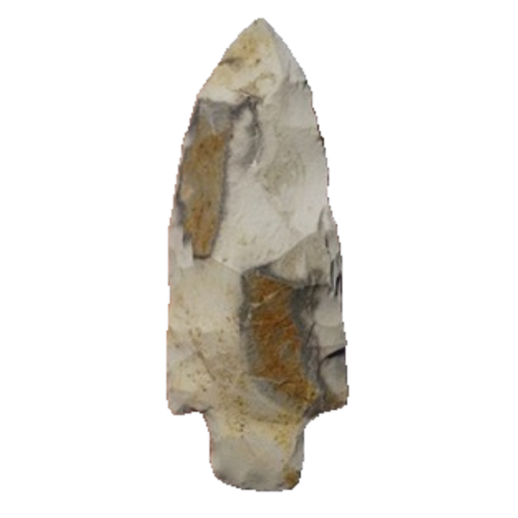 Shaniko
- Shell Disk BeadLate Archaic to ProtohistoricArchaic to historic times: present in Late Archaic Glacial Kame burials, about 2,900 B.P. (Donaldson and Wortner 1995); made in quantity at Cahokia in the Lohmann and Moorehead phases, A.D. 1000–1250 (Kozuch 2003).
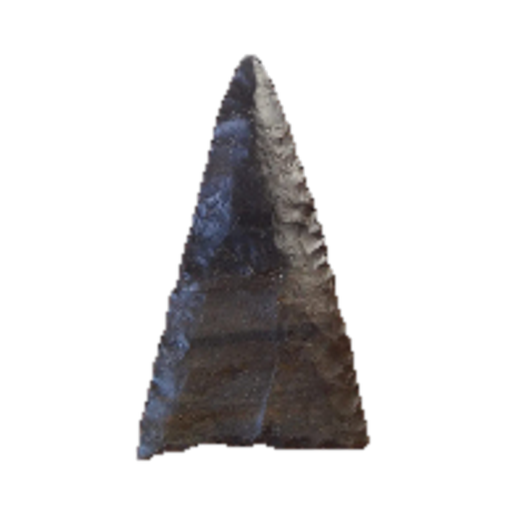 ShenksLate Woodland700 - 400 B.P.
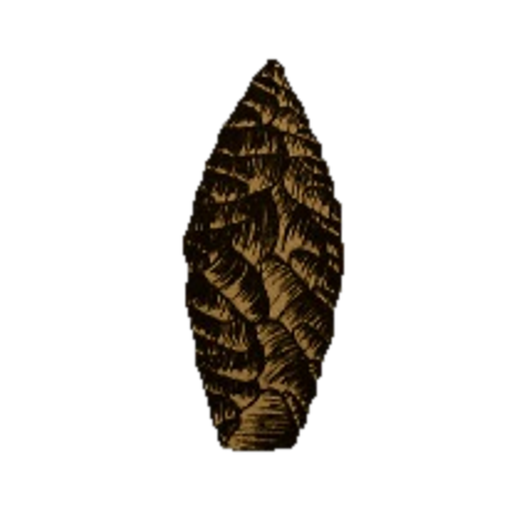 ShetleyMississippian
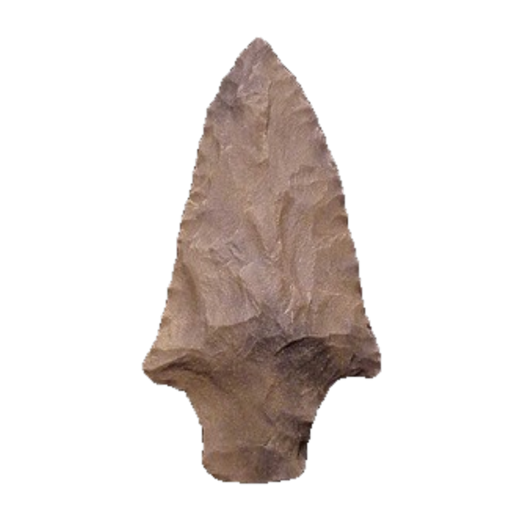 Shoals CreekLate Archaic4,000 - 2,000 B.P.
- Shoshonean Brown WareGreat Basin Pottery500 – 1800 A.D.
- Shoshonean Plain Ware (Great Basin overlap)Columbia Plateau / Northwest Pottery500 – 1800 A.D.
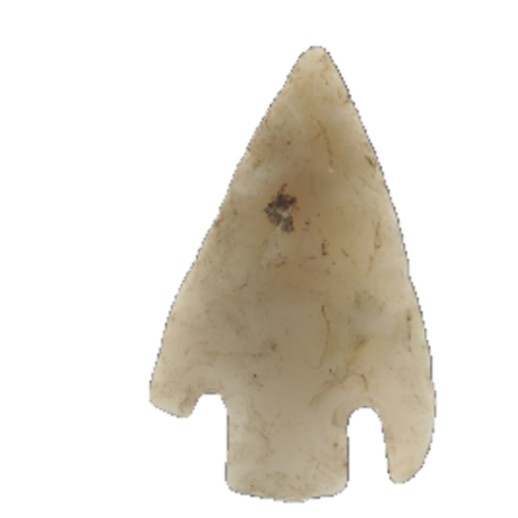 ShumlaLate ArchaicLate Archaic, about 3,150 - 2,300 radiocarbon years B.P. in the Lower Pecos (Cibola and Flanders subperiods)
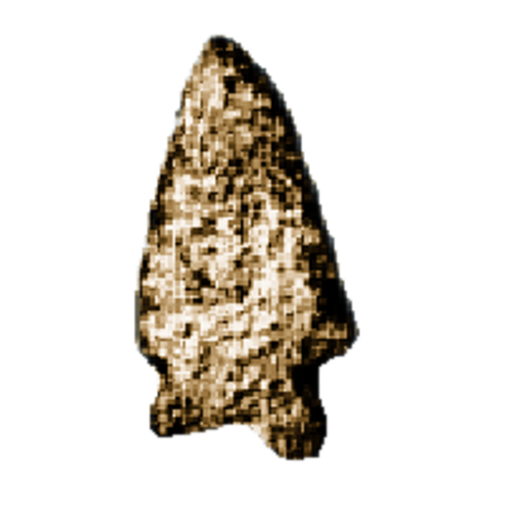 ShuswapShuswap horizon, Plateau Pithouse tradition (Late Archaic)3,500 - 2,400 B.P.
 Shuswap LanceolateShuswap horizon, Plateau Pithouse tradition (Late Archaic)3,500 - 2,400 B.P.
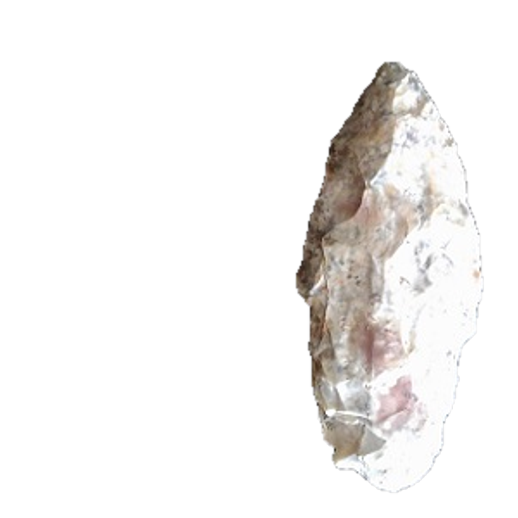 Silver LakeTransitional Paleo11,000 - 7,500 B.P.
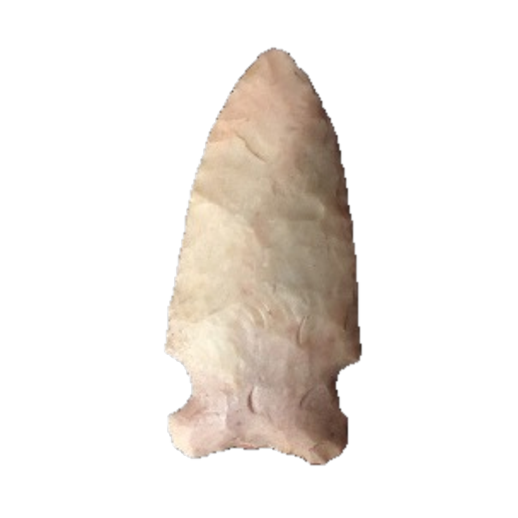 SimonsenEarly Archaic to Middle Archaic8,000 - 6,000 B.P.
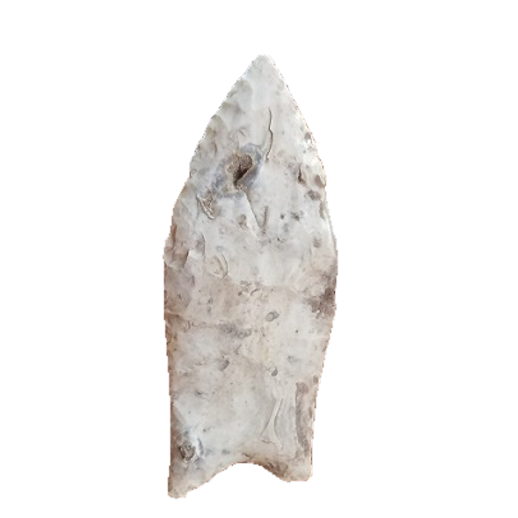 SimpsonLate PaleoindianNot directly dated; placed after Clovis and before Suwannee in proposed Florida sequences (Pevny et al. 2018)
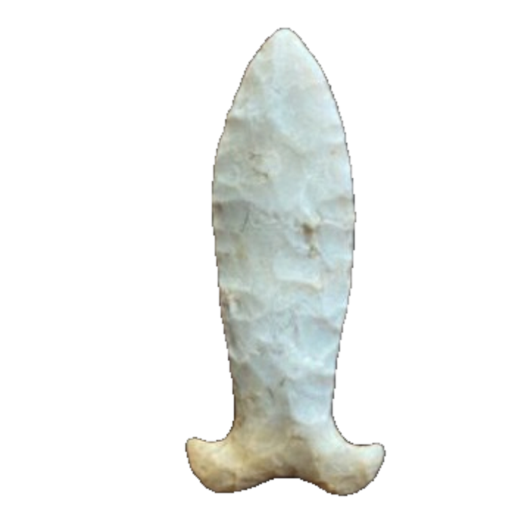 Simpson MustacheMiddle Paleoindian (about the Younger Dryas)No direct radiocarbon date in Florida; placed after Clovis and before Bolen
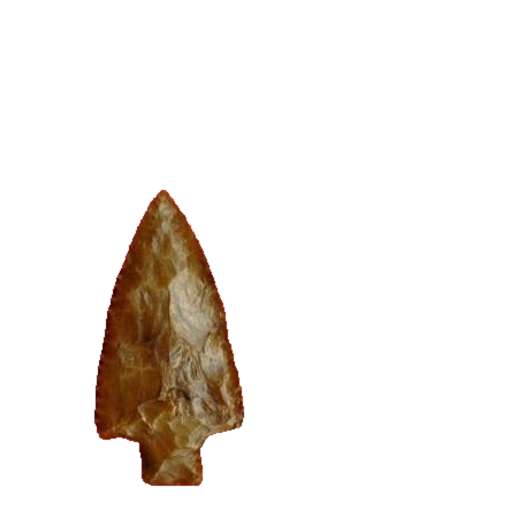 Six Mile CreekEarly Archaic to Middle Archaic
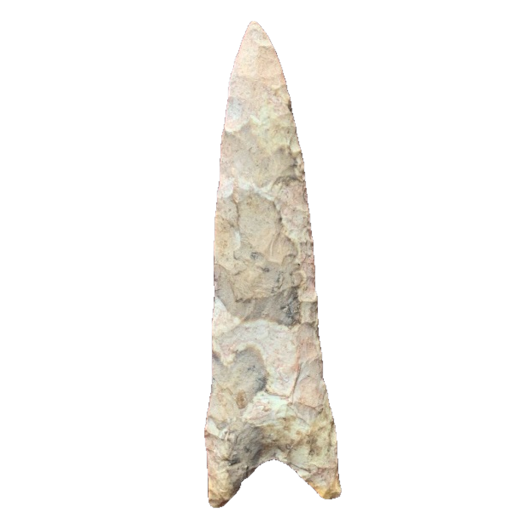 SloanLate Paleoindian12,500–11,500 cal B.P. (Arkansas Archeological Survey)
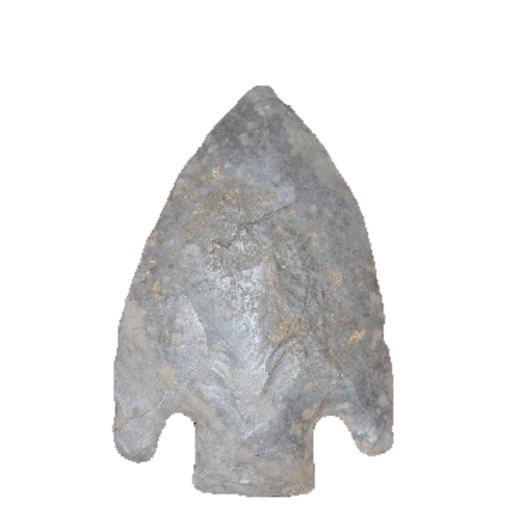 SmithLate Archaic4,400 - 3,600 radiocarbon years B.P. (most dates 4,250 - 3,800)
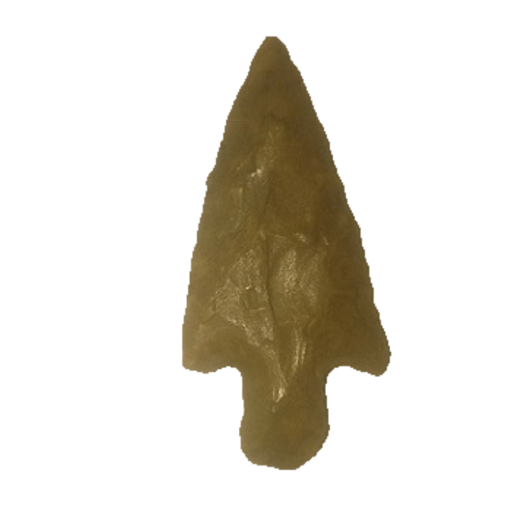 SmithsoniaLate Archaic to Early Woodland3,500 - 2,500 B.P.
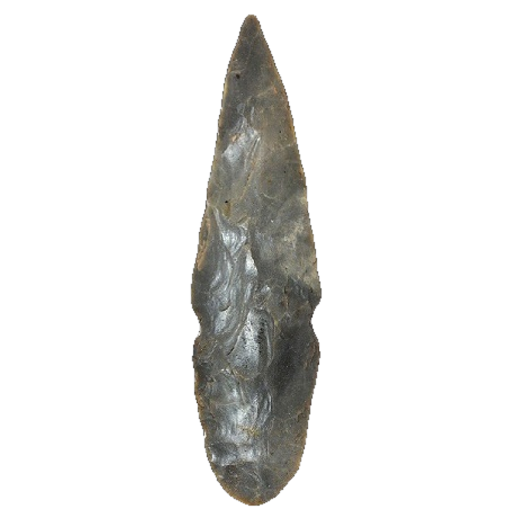 Snake Creek
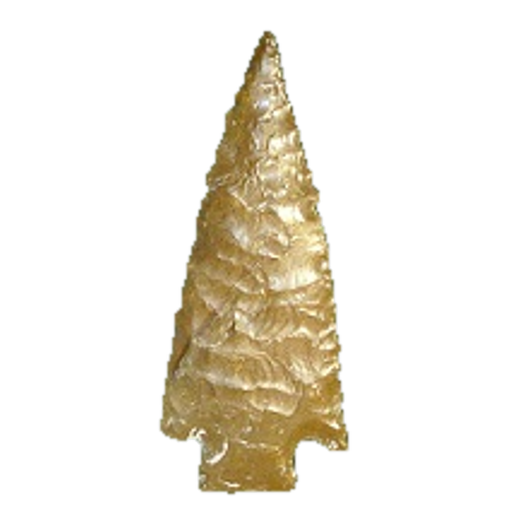 Snake RiverLate Archaic to Developmental2,500 - 700 B.P. (Harder phase; the type marks its earlier part)
- Snake Valley Black-on-GrayFremont Pottery700 – 1300 A.D.
 SnaketownDevelopmental1,050 - 850 B.P.
 SnappitEarly Archaic to Middle Archaic8,170 - 5,740 B.P.
 Snook HillMiddle Archaic4,900 - 3,800 B.P.
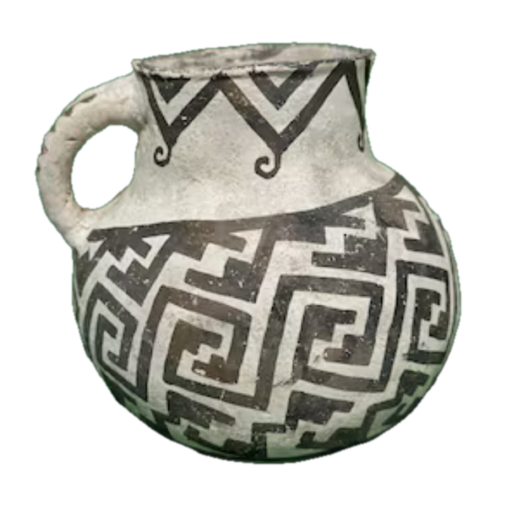 Snowflake Black-on-WhiteAncestral Puebloan Pottery1000 – 1250 A.D.
- Snowflake Red WareAncestral Puebloan Pottery1000 – 1250 A.D.
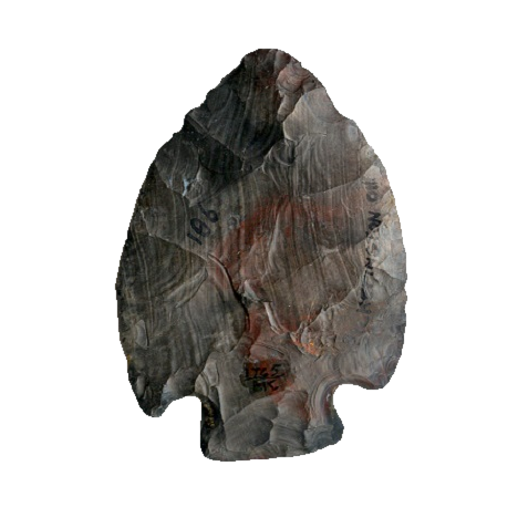 SnydersMiddle WoodlandAbout 2,150–1,900 B.P., the peak of its use in Illinois villages (2nd century B.C. to A.D. 50; Montet-White 1968)
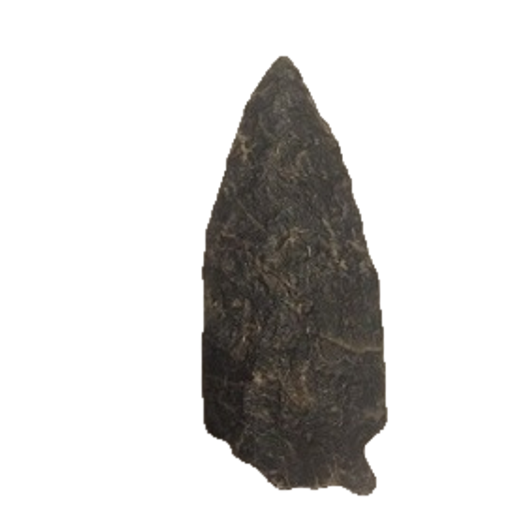 SonotaDevelopmental to Woodland1,950 - 1,350 B.P.
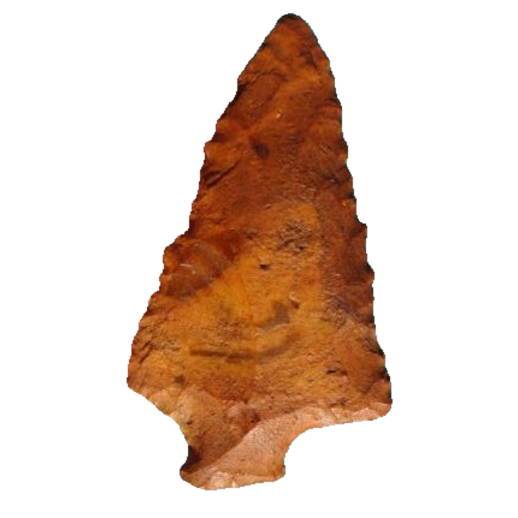 South ProngLate Archaic4,500 - 3,000 B.P. (suggested); the other artifacts at the type site point to an earlier date
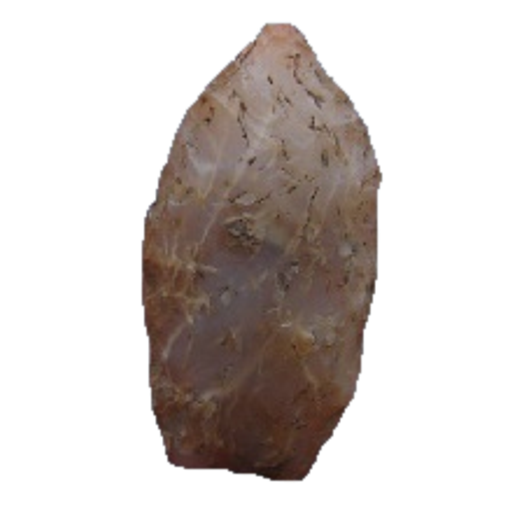 SpedisTransitional Paleo to Early Archaic
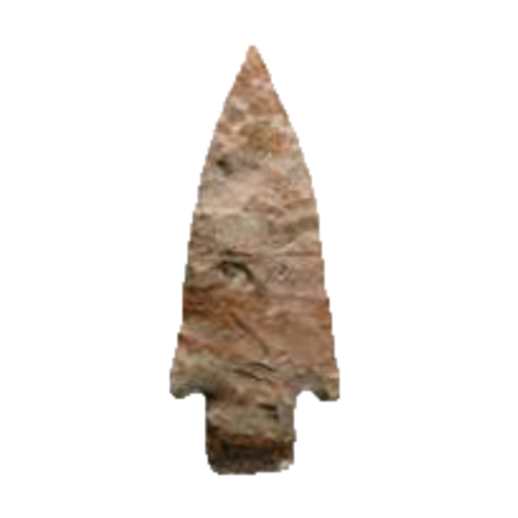 SpringlyLate Archaic to Early Woodland2,900 - 2,500 B.P.
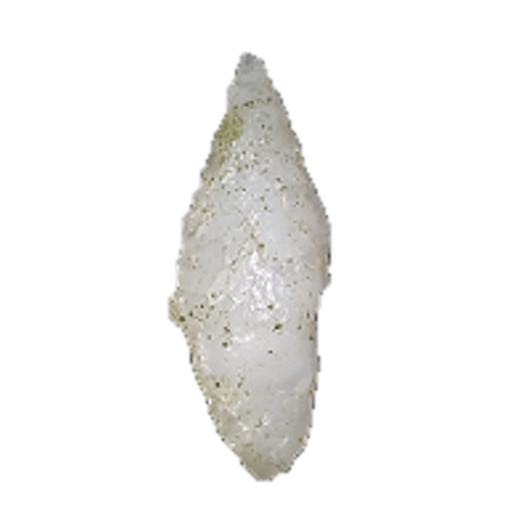 SquibnocketLate Archaic (Small Stemmed tradition)5,000 - 3,000 B.P.
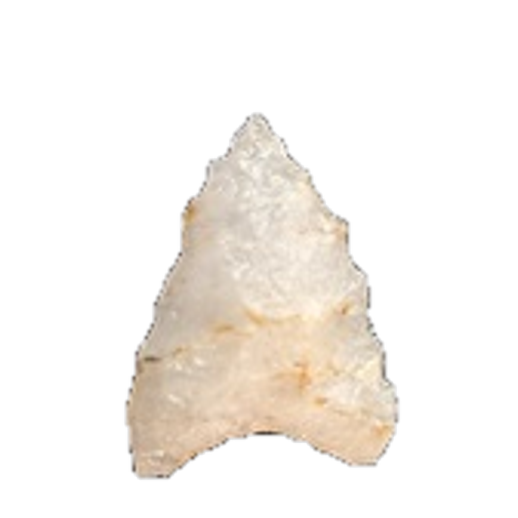 Squibnocket TriangleLate Archaic4,500 - 3,000 B.P.
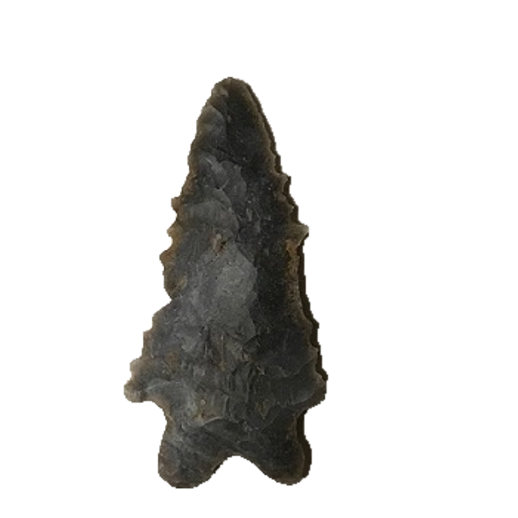 St AlbansEarly Archaic8,800 - 8,500 B.P.
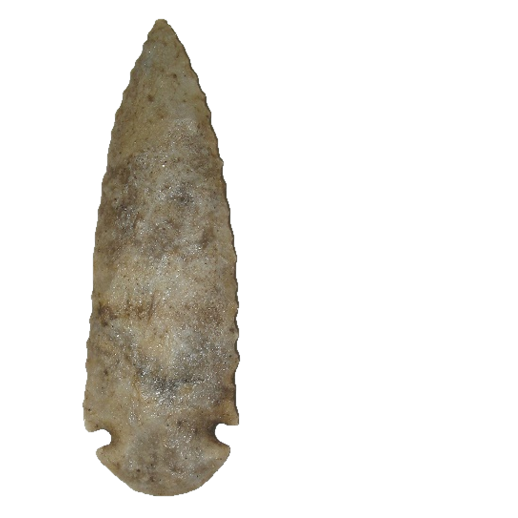 St CharlesEarly ArchaicEarly Archaic; about 9,400–9,100 B.P. at the Twin Ditch site, Illinois (Morrow 1996, cited by Lopinot)
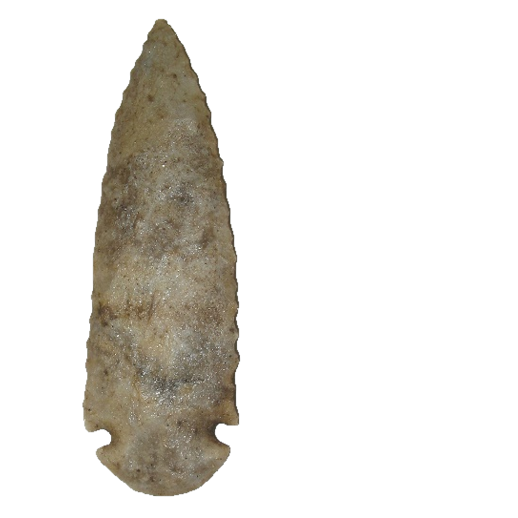 St Charles DovetailEarly Archaic9,400–9,100 B.P. (Twin Ditch site, Illinois; Lopinot n.d.); about 9,490 B.P. at the James Farnsley site, Indiana (Stafford and Cantin 2009); 9,950–7,950 B.P. (8000–6000 B.C.) in Ohio (Ohio History Connection)
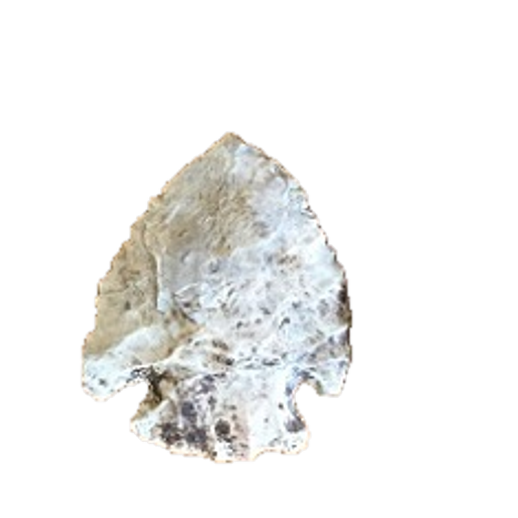 St CroixWoodland1,400 - 1,000 B.P.
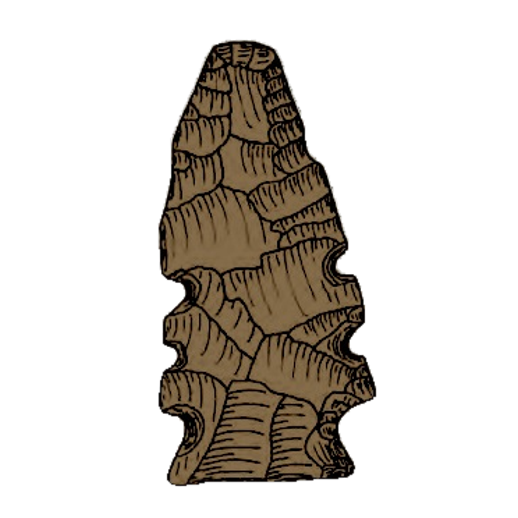 St HelenaEarly Archaic to Middle Archaic6,500 - 5,500 B.P.
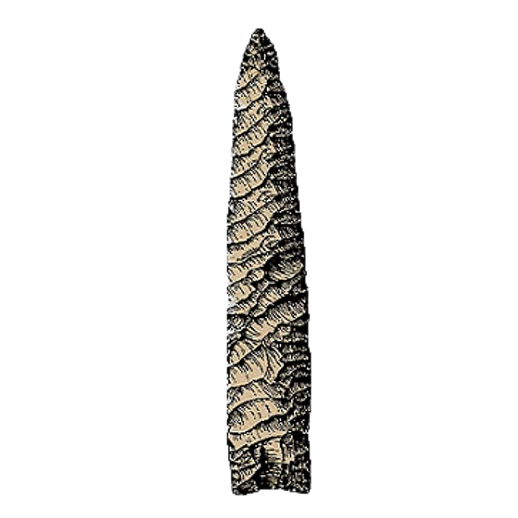 St MarysLate Paleoindian9,900 - 8,700 B.P. (radiocarbon years)
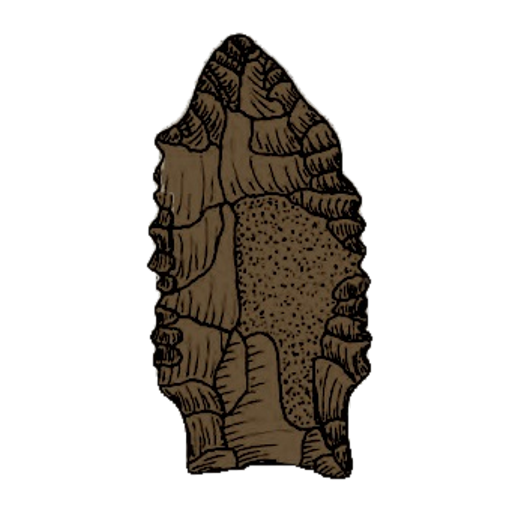 St TammanyEarly Archaic to Middle Archaic6,500 - 5,000 B.P.
- St. Johns Check-StampedWoodland Pottery500 – 1500 A.D.
- Stallings Fiber-Tempered WareArchaic Fiber-Tempered Pottery2500 – 1000 B.C.
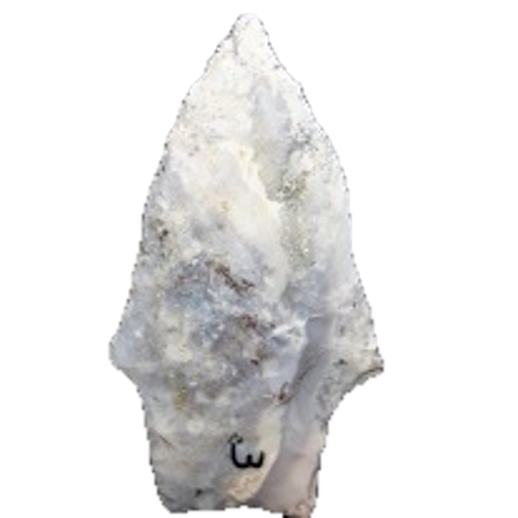 StandleeMiddle Archaic
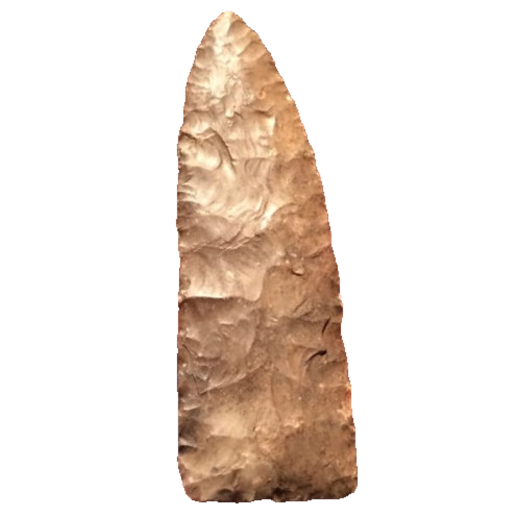 StanfieldLate PaleoindianAbout 10,000 B.P. (Cambron and Hulse 1975); the Stanfield-Worley zone that held the type dated 9,640 ± 450 and 8,920 ± 400 B.P.
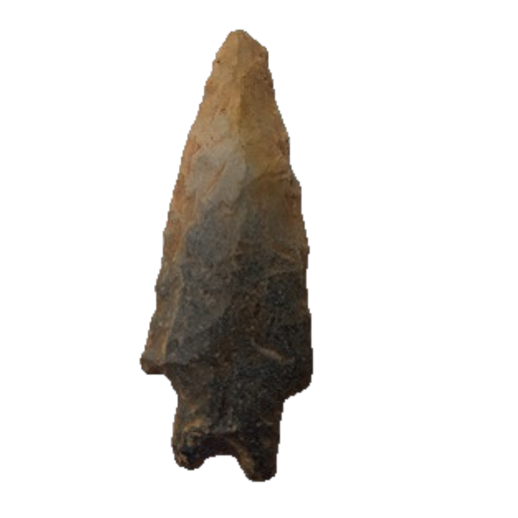 StanlyMiddle Archaic8,150–6,950 B.P. (6200–5000 B.C., Virginia DHR); 7,950–7,450 B.P. (6000–5500 B.C., Daniel and Davis 1996)
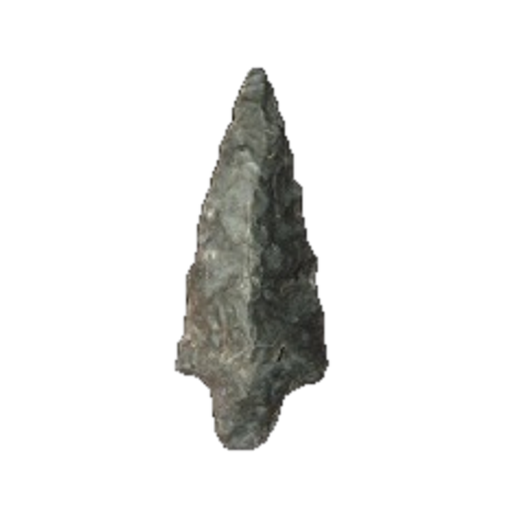 StarkMiddle Archaic7,700 - 7,200 B.P.
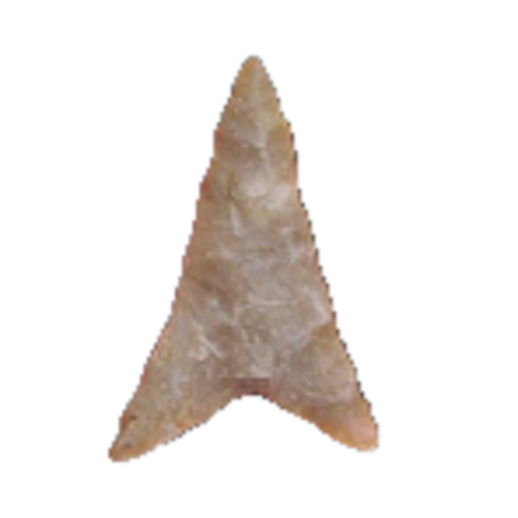 StarrLate Prehistoric700 - 300 B.P.
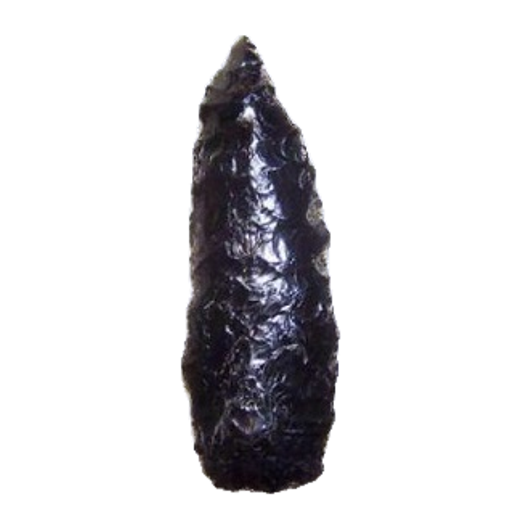 SteamboatMiddle Archaic (Early Middle Archaic/Transitional to Late Middle Archaic)About 4,500 - 3,000 B.P.
- Steatite BowlLate Archaic to Terminal Archaic3,700–2,700 cal B.P. in four clusters (Sassaman, UF Soapstone Vessel Dating Project: 45 AMS dates on soot from 24 Southeastern sites); peak about 2000 B.C. in Virginia (DHR); from about 1300–1000 B.C. in northeastern Maryland (Shaffer).
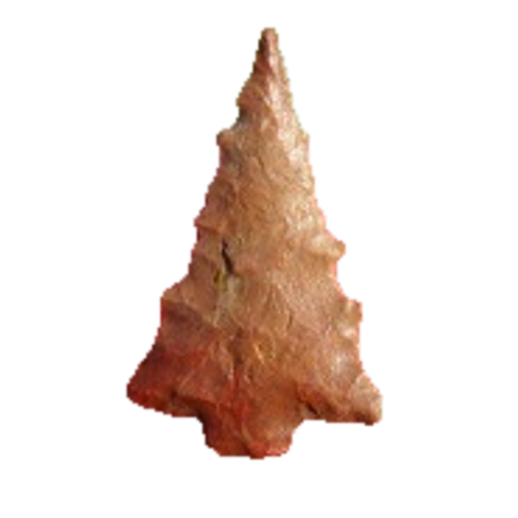 SteinerMississippian to Late Prehistoric
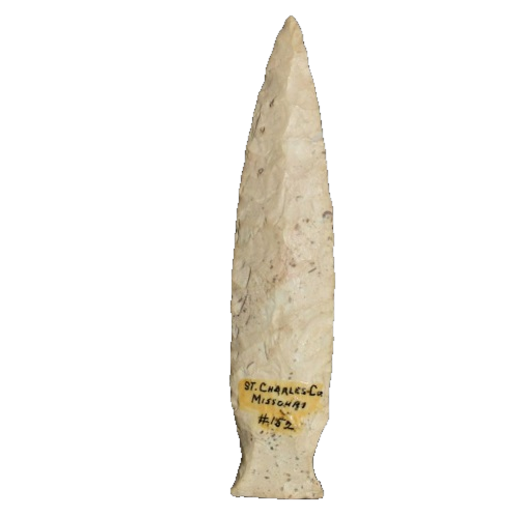 SteubenWoodland1,700 - 1,500 B.P.
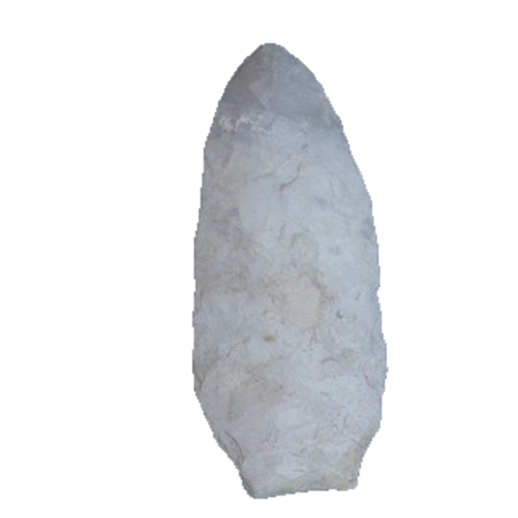 SteubenvilleEarly Archaic9,000 - 8,000 B.P.
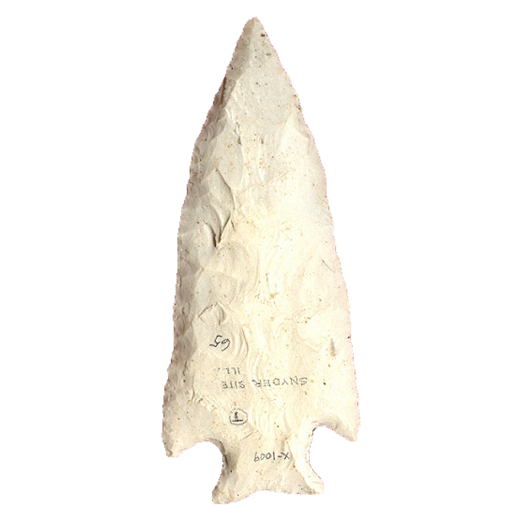 StilwellEarly ArchaicAbout 8,950–6,950 B.P. (7,000–5,000 B.C.), estimated by comparison with Kirk Corner Notch and Rice Lobed points (Perino 1971)
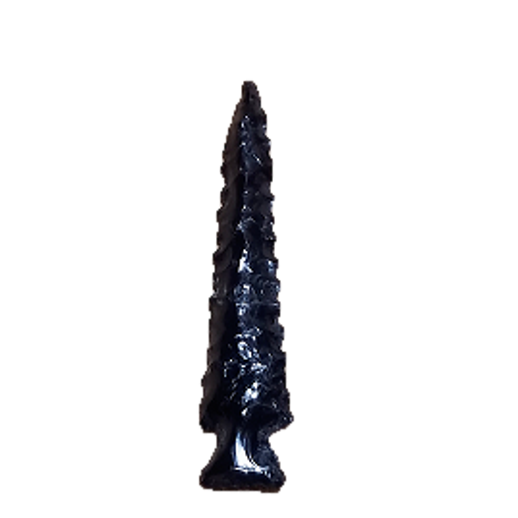 StocktonDevelopmental to Late Prehistoric
- Stone GorgetLate Archaic to Middle WoodlandAbout 3,500–1,500 B.P.: two-hole gorgets appear in the Late Archaic, remain common through the Middle Woodland and become rare after about 1,500 B.P. (Ellis 2002); Adena forms date about 500 B.C.–A.D. 200 (Henderson and Schlarb 2007).
- Stone PendantLate Archaic to Late PrehistoricArchaic to historic times (Bell 1980). Large, refined single-hole pendants appear in the later Early Woodland and early Middle Woodland (Middlesex, Adena), and many new forms after about 1,500 B.P., such as Kipp Island pendants of about 1,500–1,300 B.P. (Ellis 2002).
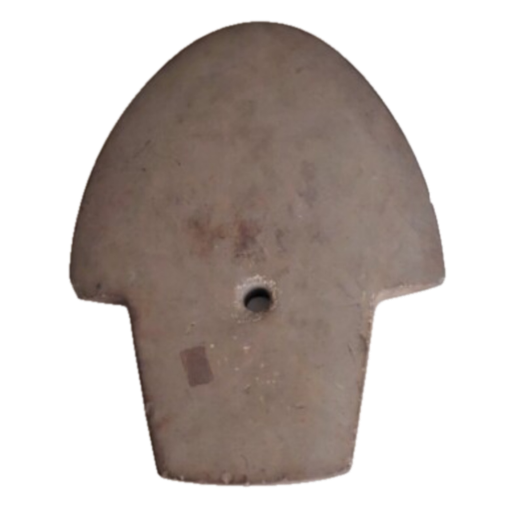 Stone SpudStrongly associated with Middle Woodland, Late Woodland, Adena, Hopewell, and Mississippian cultures in the Eastern Woodlands.4,000 - 500 B.P.
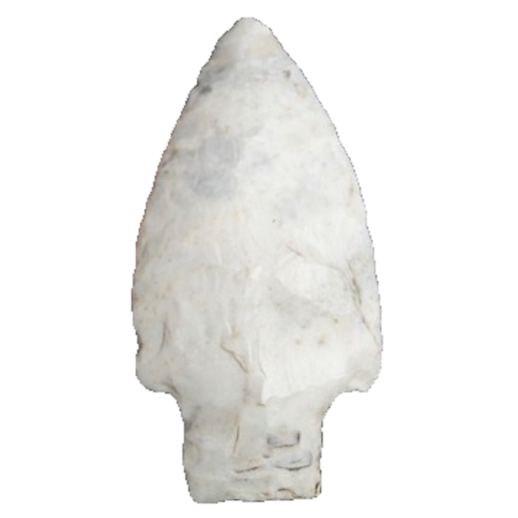 Stone SquareLate Archaic4,400–3,600 B.P., most dates 4,250–3,800 B.P. (Smith points, southwest Missouri; Ray n.d.)
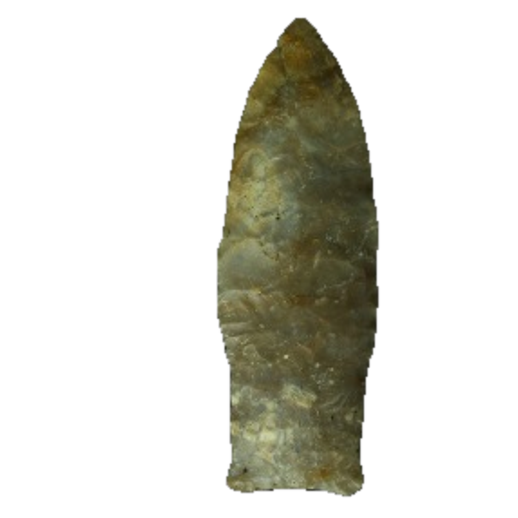 Stringtown
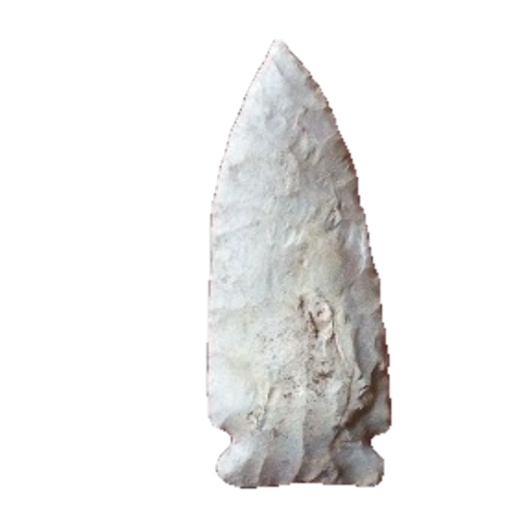 Sublet FerryEarly Woodland (possibly Late Archaic)Not firmly dated; thought to be Early Woodland from surface associations
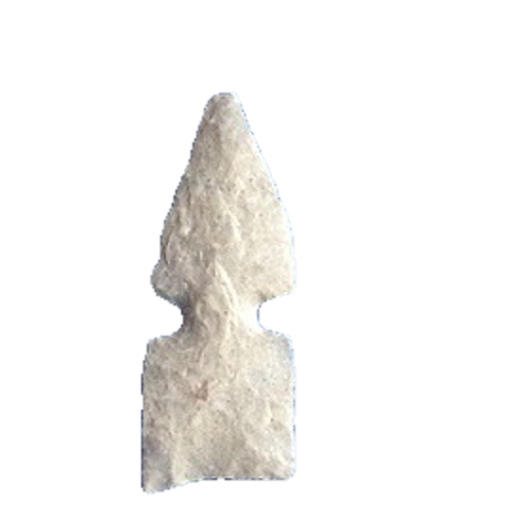 SuddenEarly to Middle Archaic6,300 - 4,700 B.P.
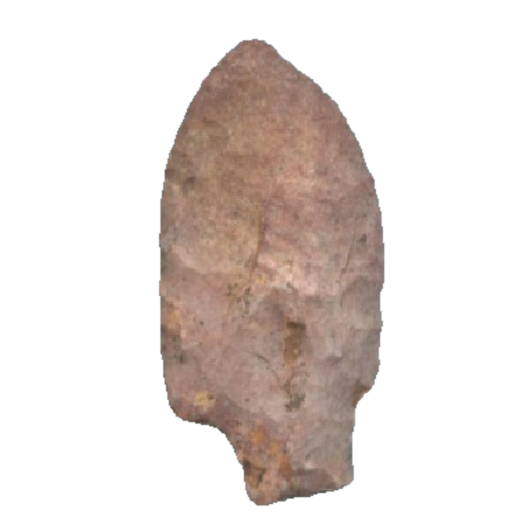 SumterMiddle Archaic8,000 - 7,000 B.P.
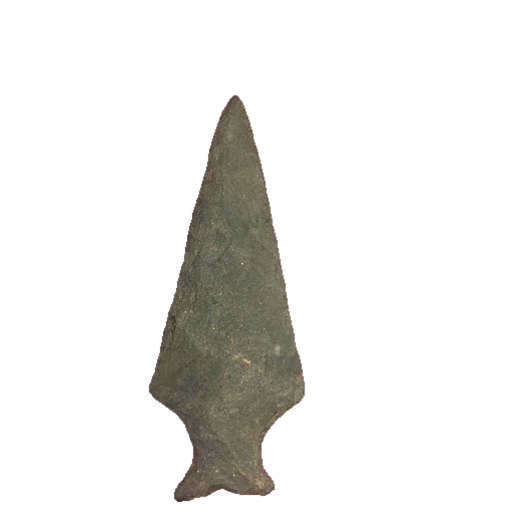 Susquehanna BroadTerminal Archaic to Early Woodland3,700–3,200 B.P. (Corral site, Virginia; Zimmerman site, Pennsylvania; New England cremation cemeteries; O'Neil site, New York); later end dates near 2,650 B.P. are poorly supported (Maryland JPPM)
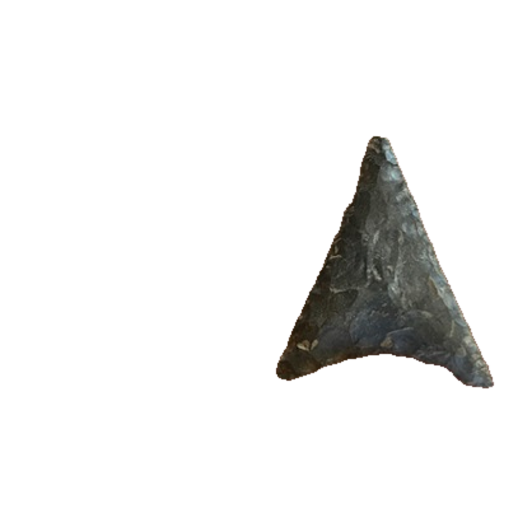 Susquehannock TriangleMississippian1,300 - 600 B.P.
 SutterDevelopmental to Classic1,000 - 200 B.P.
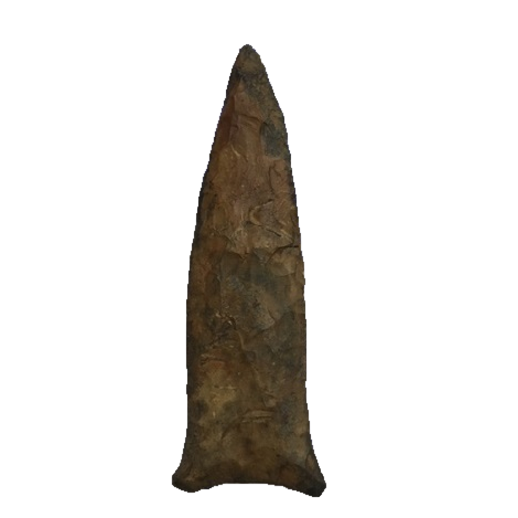 SuwanneeLate PaleoindianAbout 11,900 cal B.P. (about 10,200 radiocarbon years B.P.)
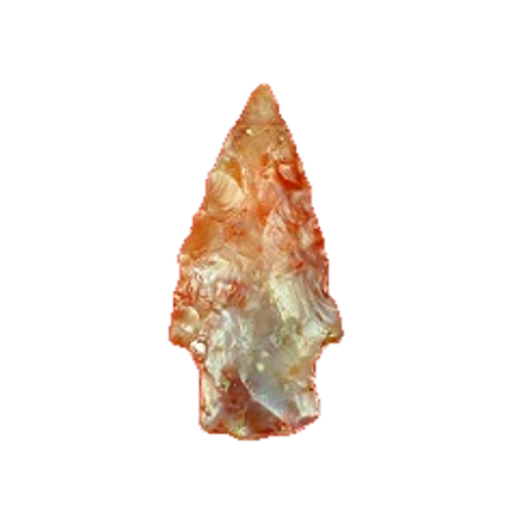 Swan LakeLate Archaic to Early Woodland2,000 - 1,500 B.P.
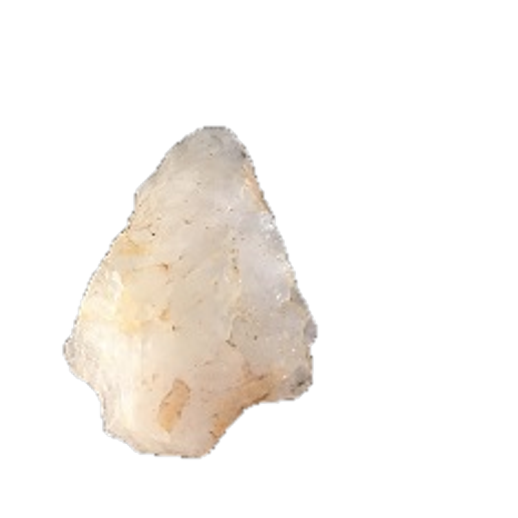 SwannanoaEarly WoodlandAbout 2,500 - 2,000 B.P. (about 500 B.C. to A.D. 1)
- Swift Creek Complicated StampedMississippian Pottery100 – 900 A.D.
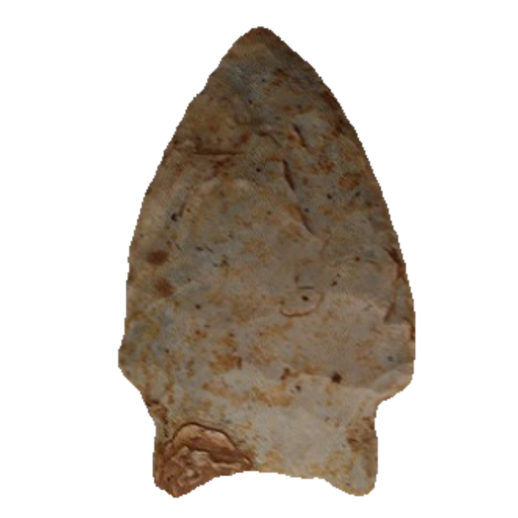 SykesLate Archaic5,500 - 3,000 B.P.
T
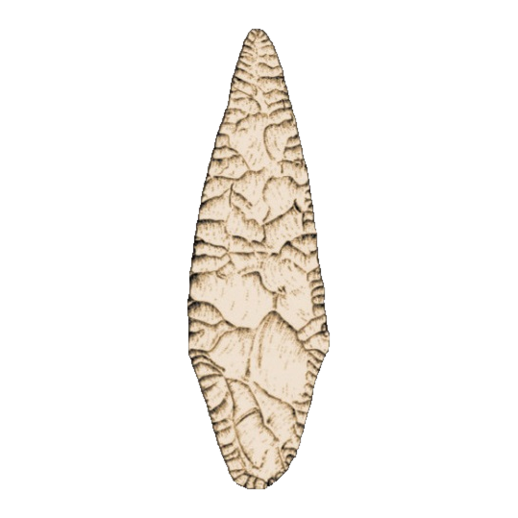 TaanLate Paleo10,500 - 9,900 B.P.
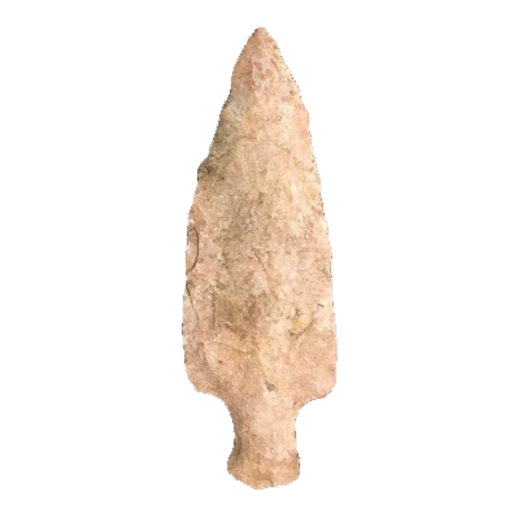 Table RockLate Archaic4,000–3,000 B.P. (O'Brien and Wood 1998); 5,000–3,000 B.P. (Chapman 1975); about 3,500 B.P. at Pohly Rockshelter and 3,400–3,000 B.P. at the Lawrence site, Oklahoma (Ray n.d.)
 TalcoLate Prehistoric to Historic to Mississippian500 - 200 B.P.
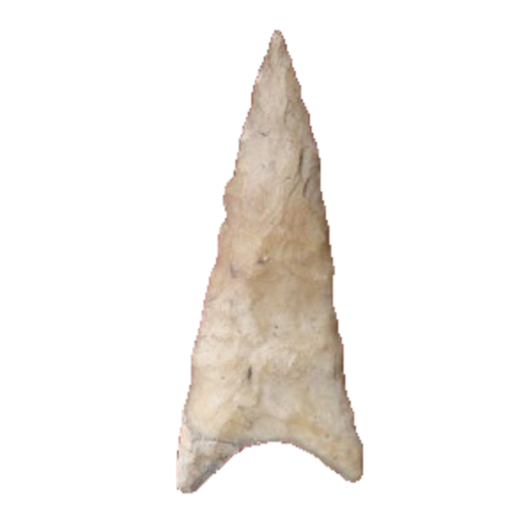 TallahasseeEarly Woodland to Middle Woodland2,500 - 2,000 B.P.
 TampaLate Mississippian to Historic
- Tanque Verde Red-on-BuffHohokam Pottery1300 - 1375 A.D.
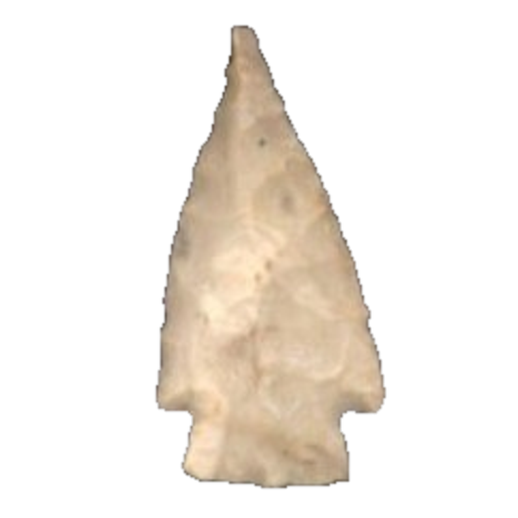 TaylorWoodland2,500 - 2,000 B.P.
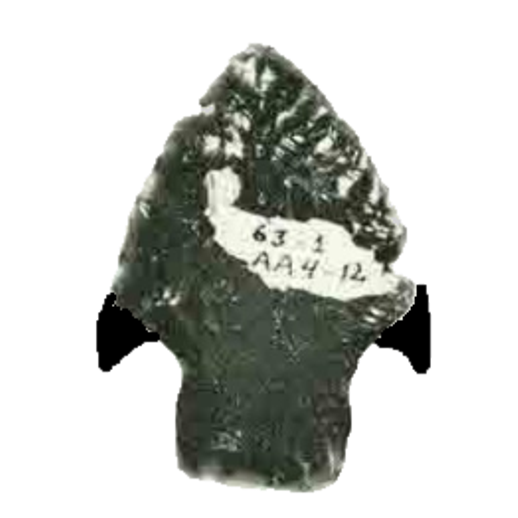 Tecolate I
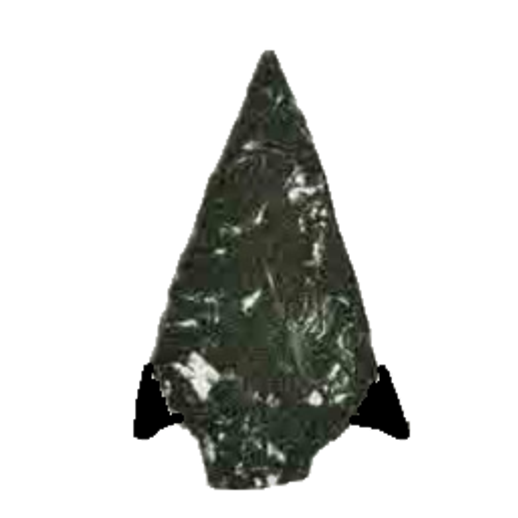 Tecolate II
 TemporalDevelopmental1,100 - 800 B.P.
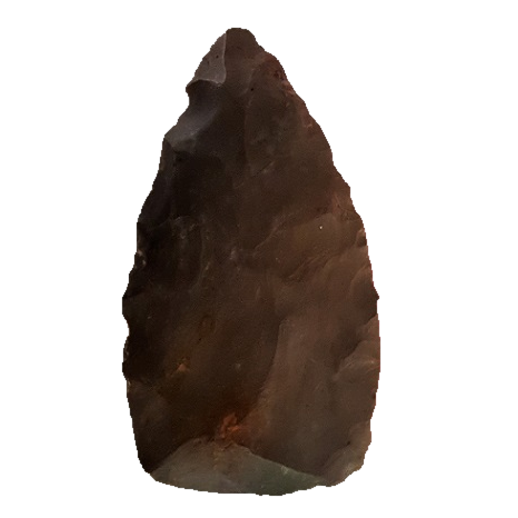 Tennessee RiverEarly Archaic to Middle Archaic
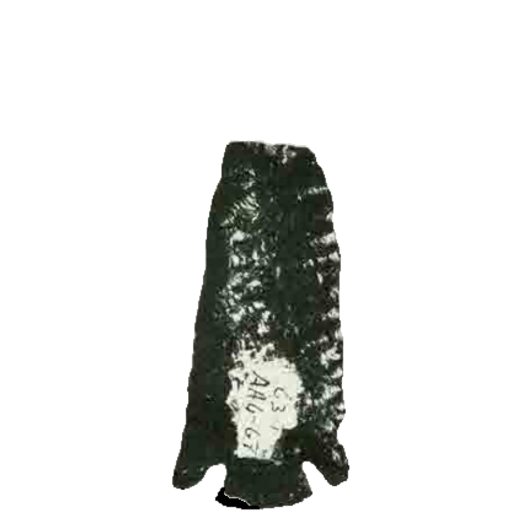 Tepeapulco
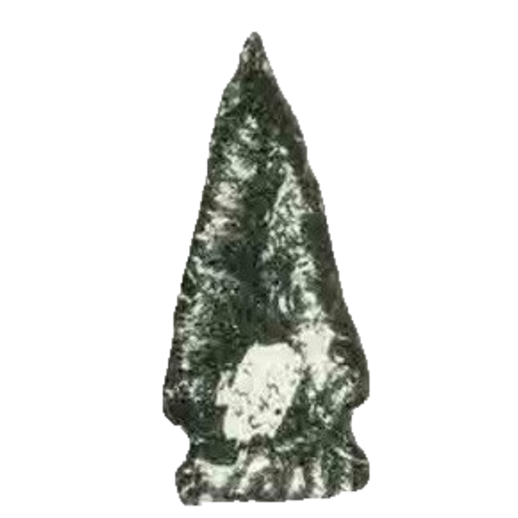 TexecocoMiddle Archaic
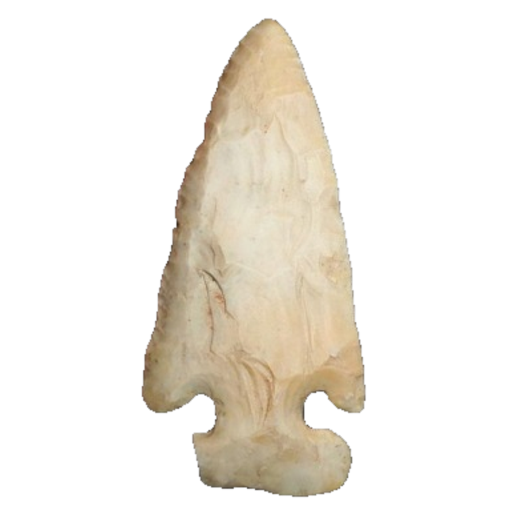 ThebesEarly Archaic9,500–9,000 B.P. (Ray); 9,950–7,950 cal B.P. (8000–6000 B.C., Indiana DNR)
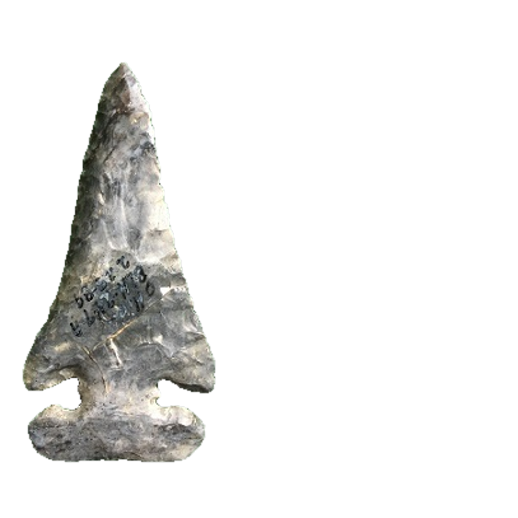 Thebes E NotchEarly ArchaicAbout 9,500 - 9,000 radiocarbon years B.P. (7500 - 7000 B.C.)
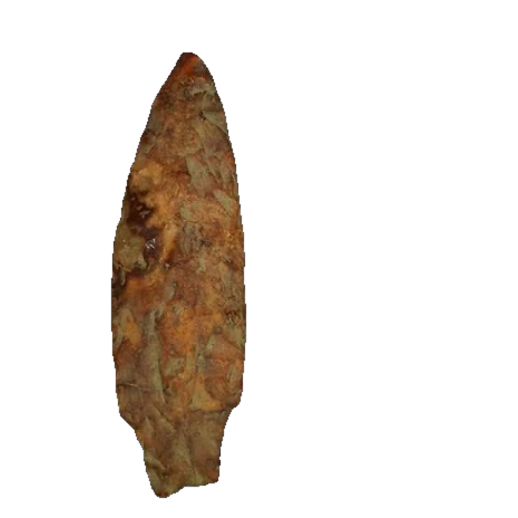 ThonotosassaEarly to Middle Archaic7,000 - 5,500 B.P.
 ThrallEarly Archaic8,800 - 8,100 B.P.
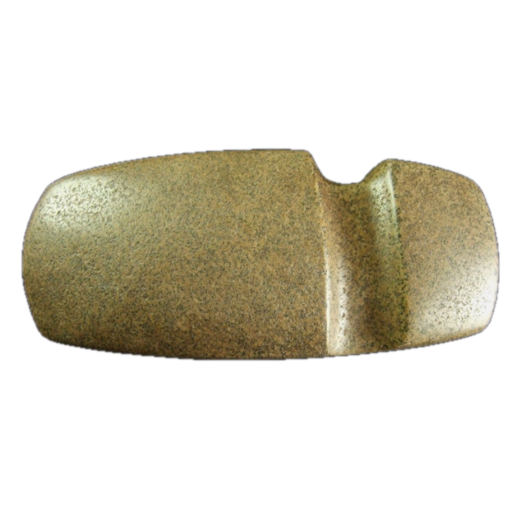 Three-Quarter Groove AxeMiddle Woodland to Late Woodland cultures across the Eastern Woodlands and Midwest.5,000 - 1,500 B.P.
- Thule Plain WareArctic/Sub-Arctic Pottery1000 – 1600 A.D.
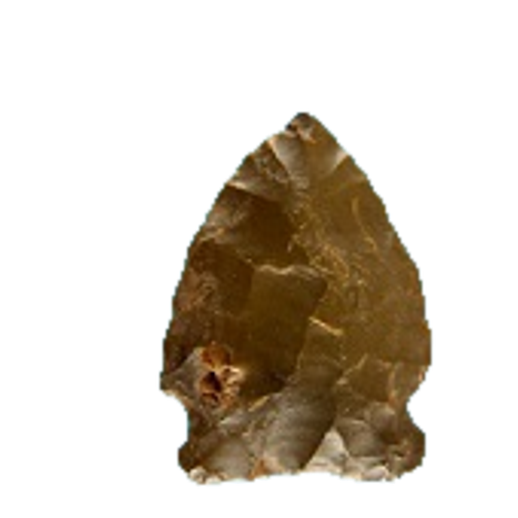 Timber RidgeLate Woodland1,800 - 900 B.P.
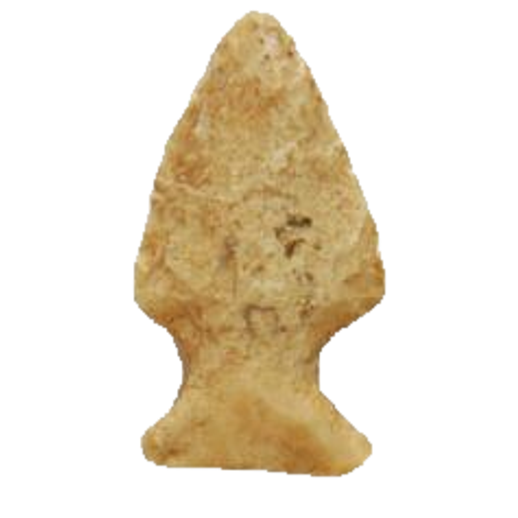 TiptonLate Archaic to Early Woodland3,500 - 2,500 B.P.
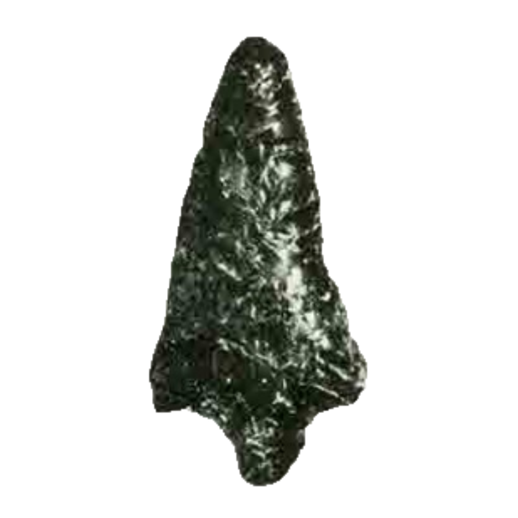 Tlatilco
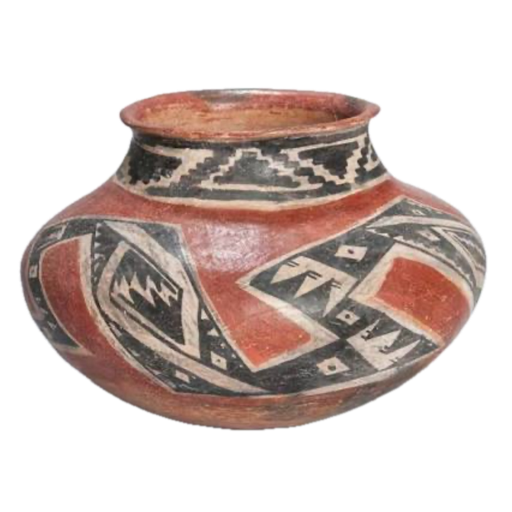 Tonto PolychromeSalado / Roosevelt Red Ware1340 - 1450 A.D.
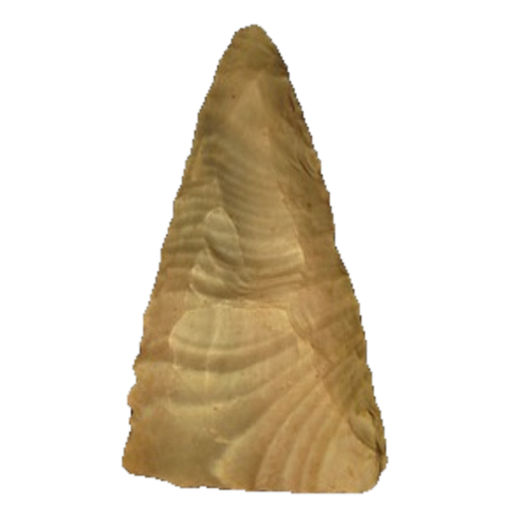 TortugasArchaic6,000 - 1,000 B.P. (estimated 4000 B.C. to A.D. 1000)
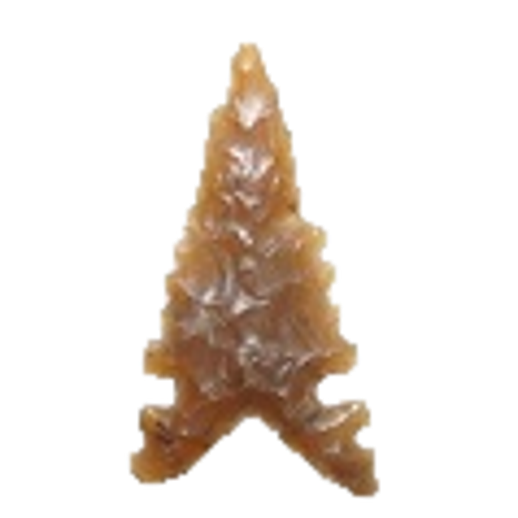 ToyahLate Prehistoric to HistoricRadiocarbon-dated Big Bend contexts fall at A.D. 1190-1377 (about 760 - 575 B.P.); the type may have been used from about A.D. 900 to 1500 (about 1,050 - 450 B.P.)
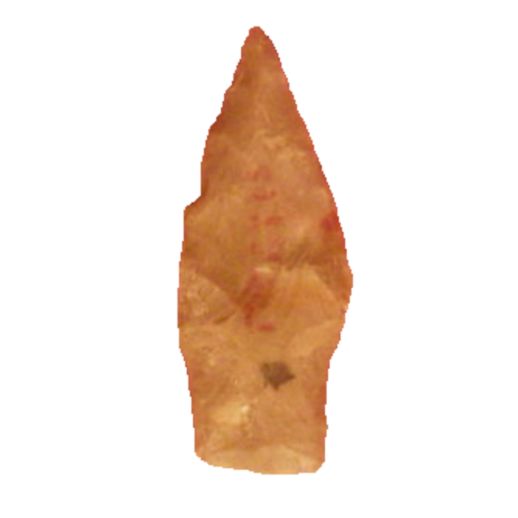 TravisArchaicArchaic; the 1954 handbook estimated about 4000 B.C. to A.D. 500 or 1000
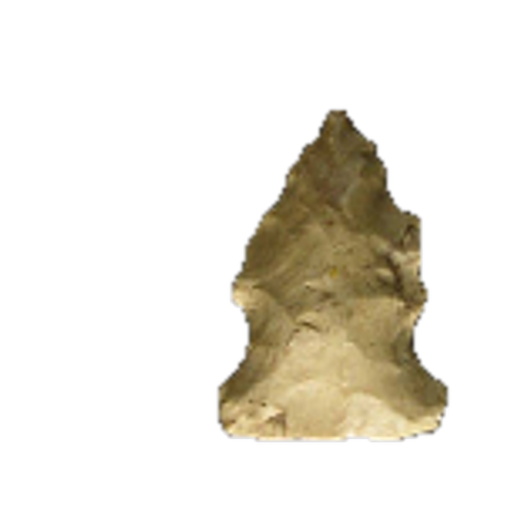 TrimbleTerminal Late ArchaicAbout 3,500 - 2,700 B.P. (Riverton culture)
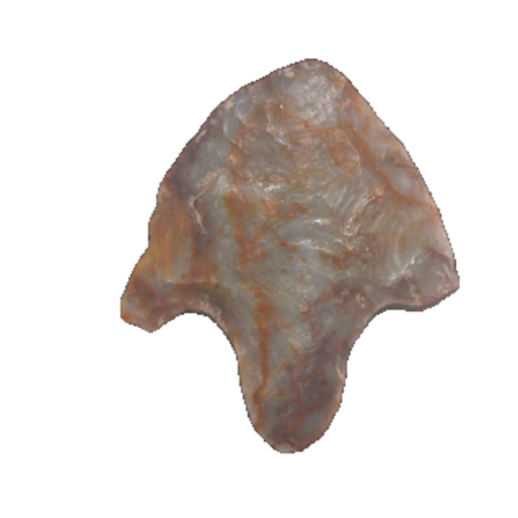 TrinidadArchaicAbout 5000 - 2700 B.C. in the Tehuacan Valley (revised dates); MacNeish originally gave about 7000 B.C. to A.D. 1000
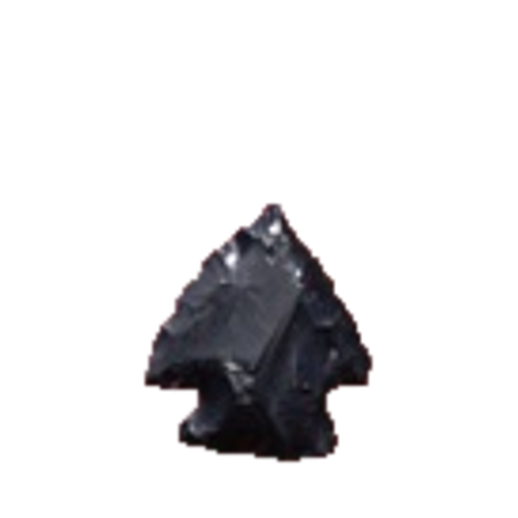 TrujilloDevelopmental1,550 - 1,140 B.P.
- Tsegi Orange WareAncestral Puebloan Pottery1050 - 1300 A.D.
- Tubular PipeLate Archaic to Early WoodlandAbout 1500–200 B.C.: cigar-shaped "cloudblower" pipes about 1500–800 B.C. in Ontario (Donaldson and Wortner 1995); Late Archaic Loma Sandia, Texas, about 850–550 B.C. (Texas Beyond History); Early Woodland and Adena in Kentucky, 1000–200 B.C. (Applegate 2008).
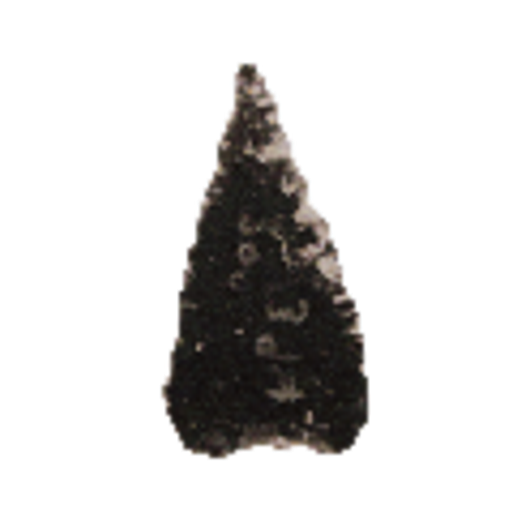 TulaLate Classic to Postclassic1,200 - 300 B.P.
- Tularosa Black-on-WhiteMogollon / Mimbres Pottery1150 - 1300 A.D.
- Tularosa PolychromeSalado / Roosevelt Red Ware1150 - 1300 A.D.
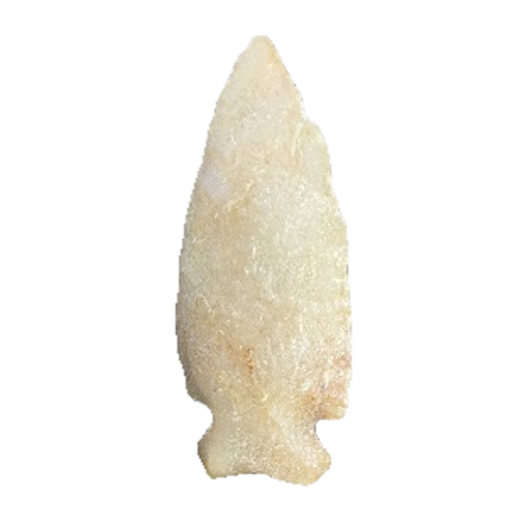 TurinEarly Archaic8,000 - 7,500 B.P.
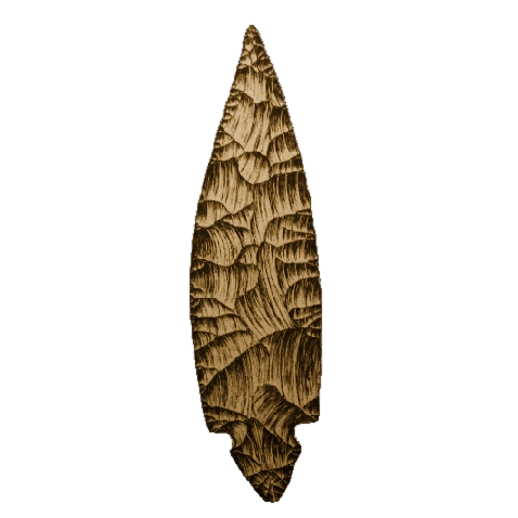 Turkeytail HarrisonLate Archaic to Early Woodland4,000 - 2,500 B.P.
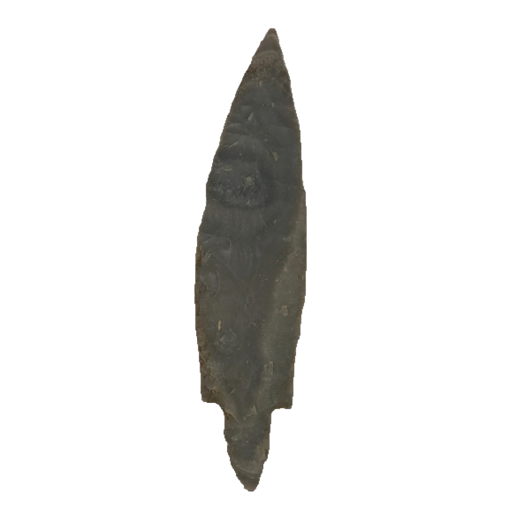 Turkeytail HebronLate Archaic to Early Woodland3,500–2,500 B.P. (about 1500–500 B.C.; Ohio History Connection); Cambron and Hulse cite 2000–500 B.C. for Turkey Tail (Scully 1951)
- Tusayan Black-on-RedAncestral Puebloan Pottery1045 - 1240 A.D.
U
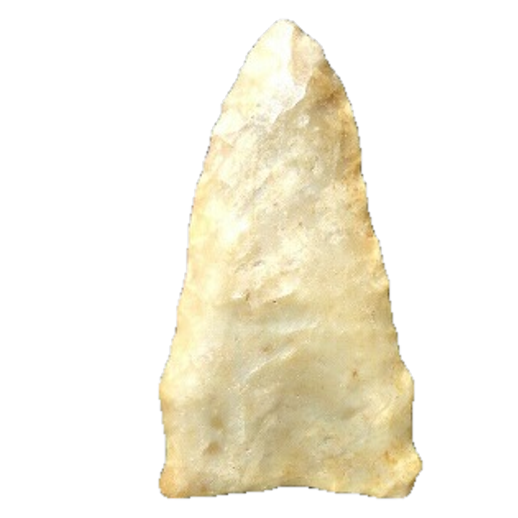
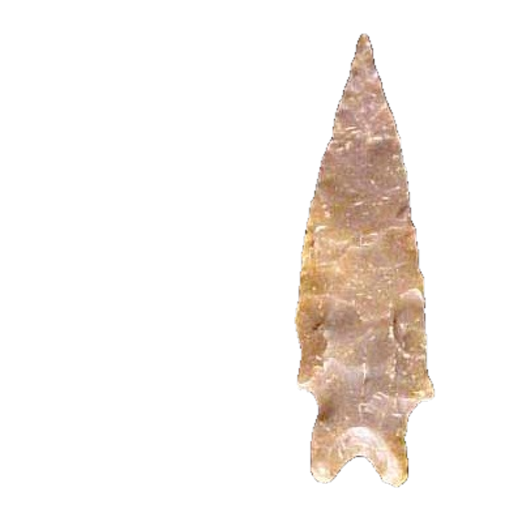
V
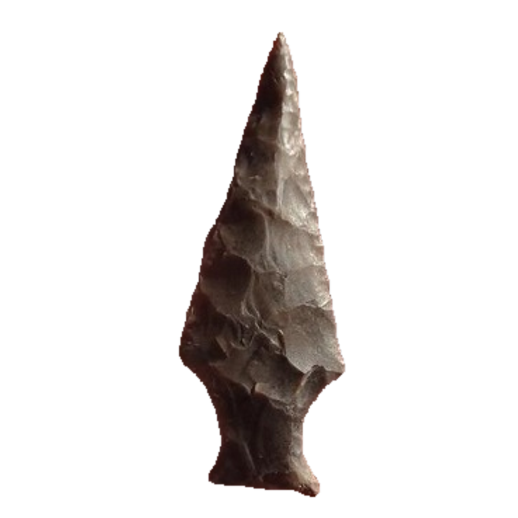 Val VerdeMiddle ArchaicAbout 4,100 - 3,200 B.P. (radiocarbon years; San Felipe subperiod)
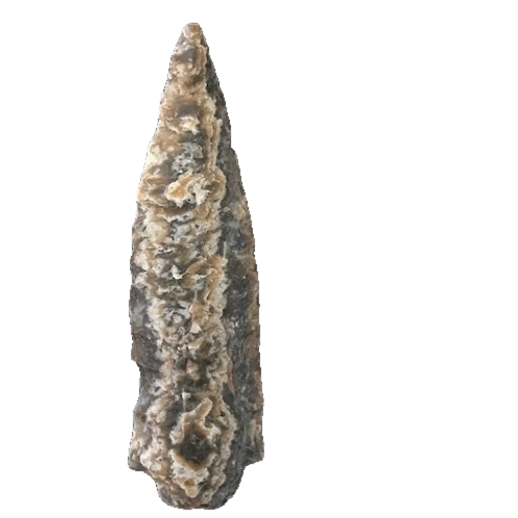 VandenbergLate Archaic to Transitional Archaic4,000 - 1,500 B.P.
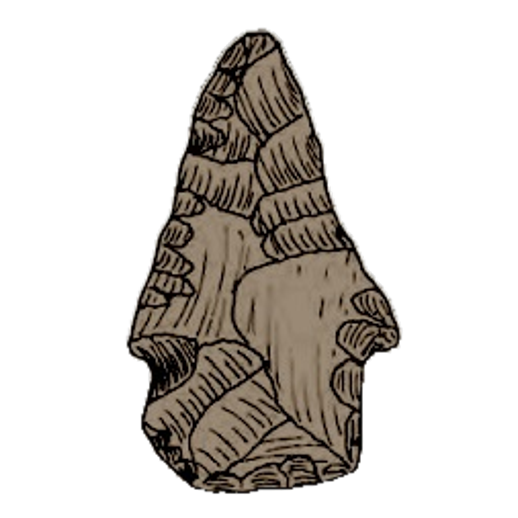 VaughnMiddle Archaic7,000 - 6,500 B.P.
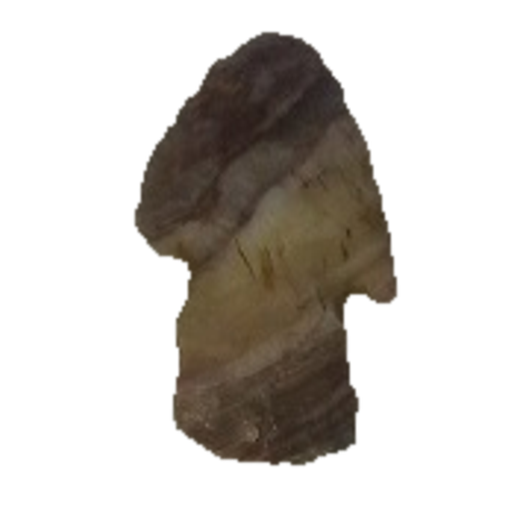 Ventana AmargosaMiddle Archaic7,000 - 5,000 B.P.
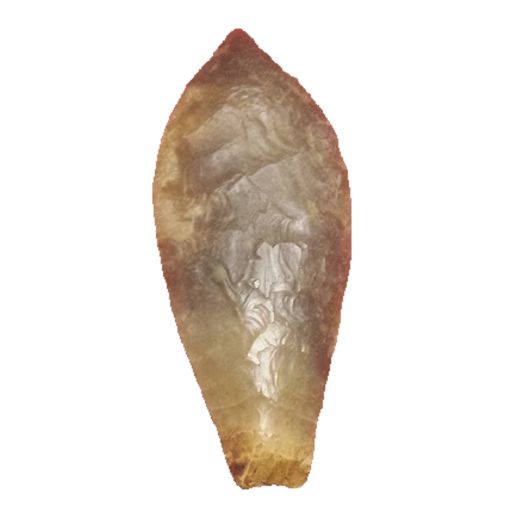 VictoriaTransitional Paleo8,800 - 8,100 B.P.
- Vinette IWoodland Pottery1500 – 1000 B.C.
- Vinette IIWoodland Pottery1000 – 500 B.C.
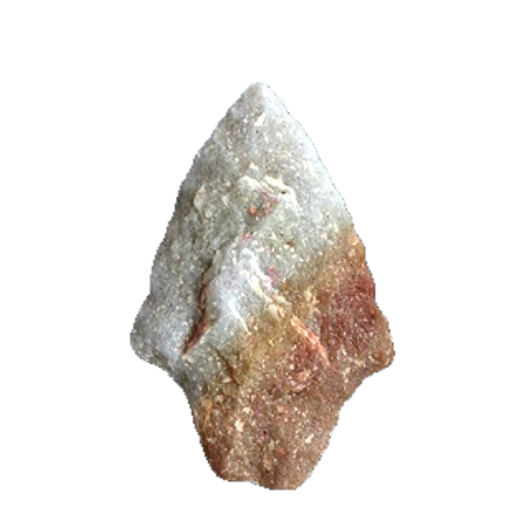 VirginvilleMiddle Archaic
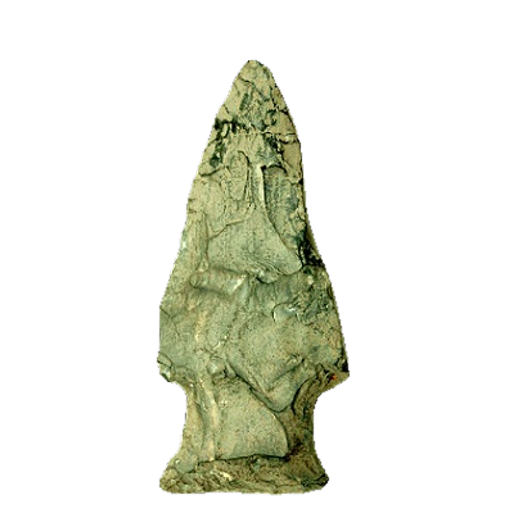 VosbergMiddle Archaic5,200 - 4,500 B.P.
W
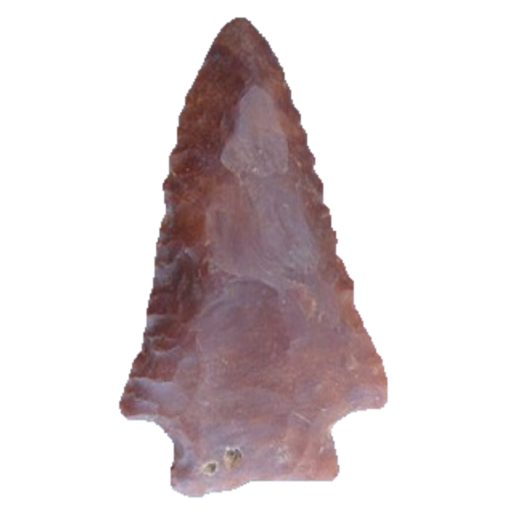 WacissaEarly Archaic to Middle ArchaicNot directly dated; Late Dalton in Bullen's scheme (Florida Museum)
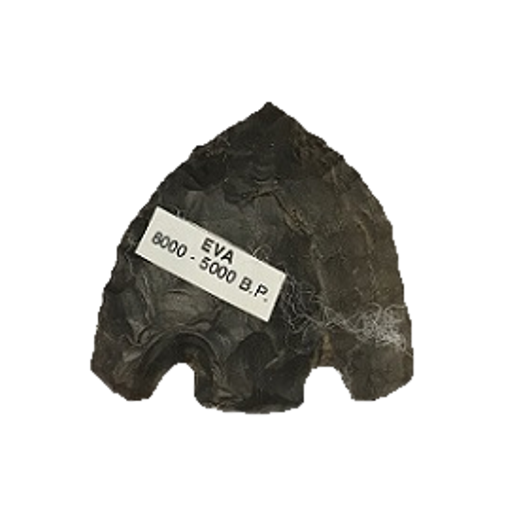 WadeLate Archaic to Early Woodland3,500 - 2,500 B.P.
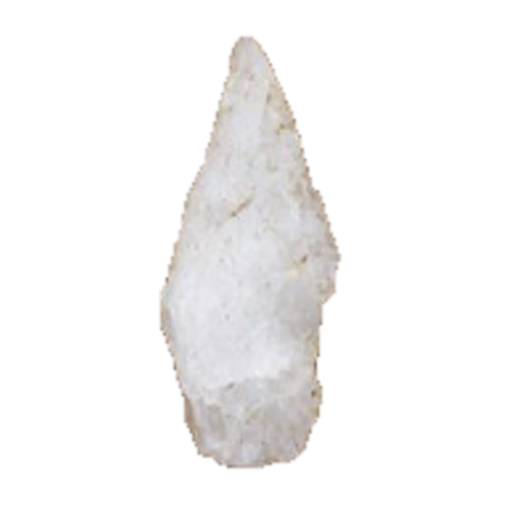 Wading RiverLate Archaic to Early Woodland4,000 - 1,500 B.P.
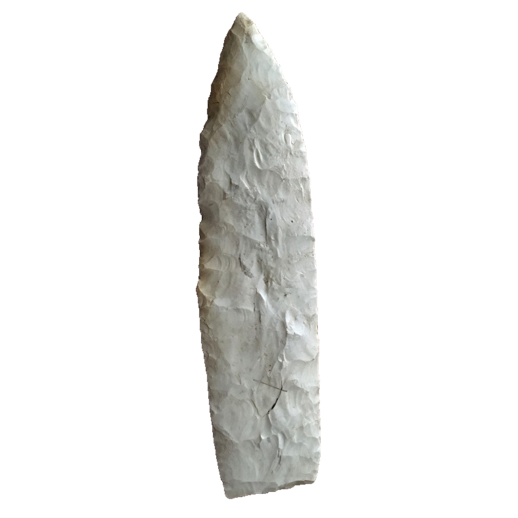 WadlowLate ArchaicAbout 4,200 - 3,900 B.P. (uncalibrated radiocarbon years)
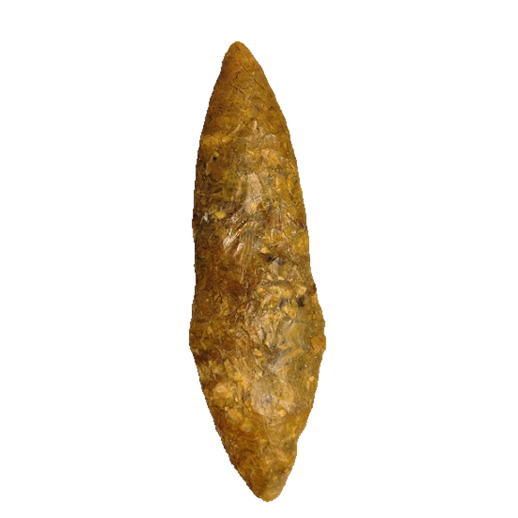 Wahmuza
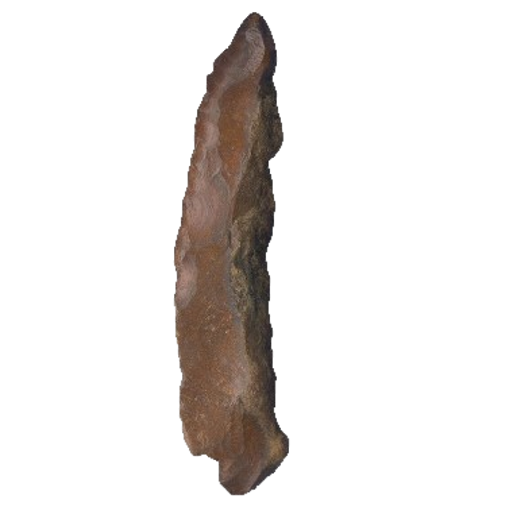 Waller KnifeTransitional Paleo to Early ArchaicEarly Archaic (Bolen), beginning about 9,500 B.P. (radiocarbon years)
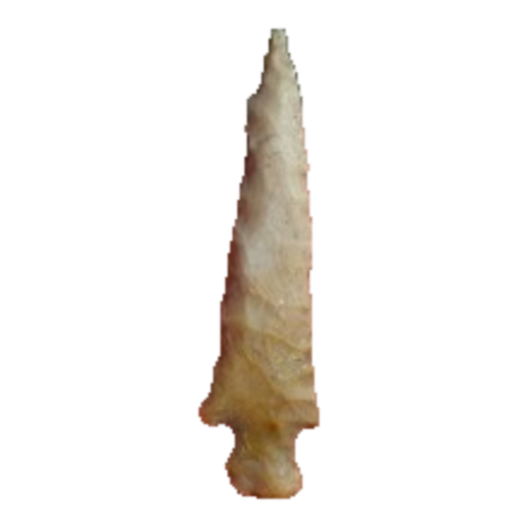 Wallula2,000 - 1,500 B.P. (Lohse 1985); Leonhardy and Rice placed it in their Piqunin phase, 700 - 350 B.P.
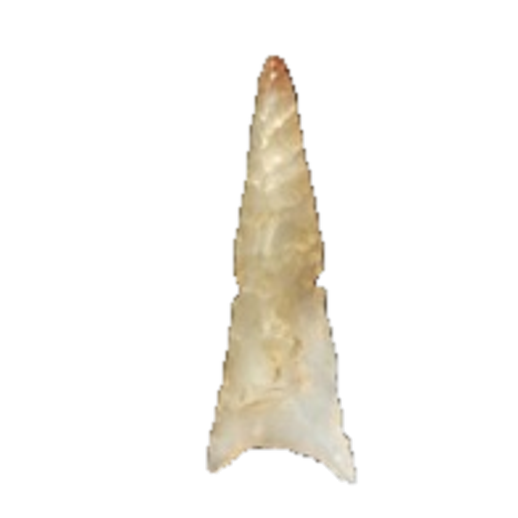 Walnut CanyonDevelopmental to Late PrehistoricAbout 900 - 650 B.P. (A.D. 1050 - 1300)
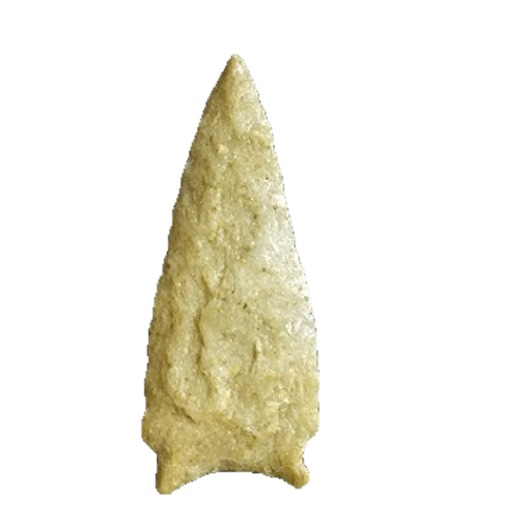 WaratanWoodland
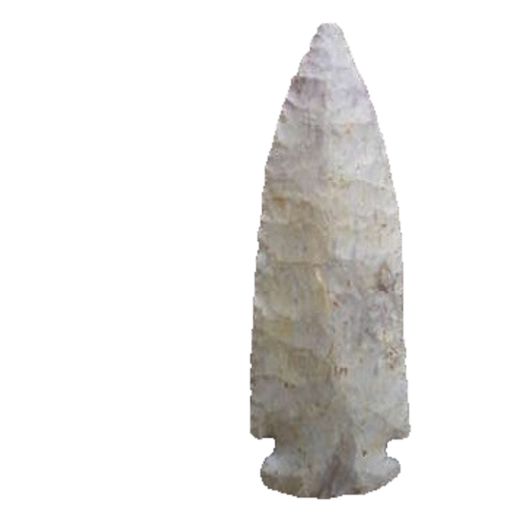 WarrickEarly Archaic
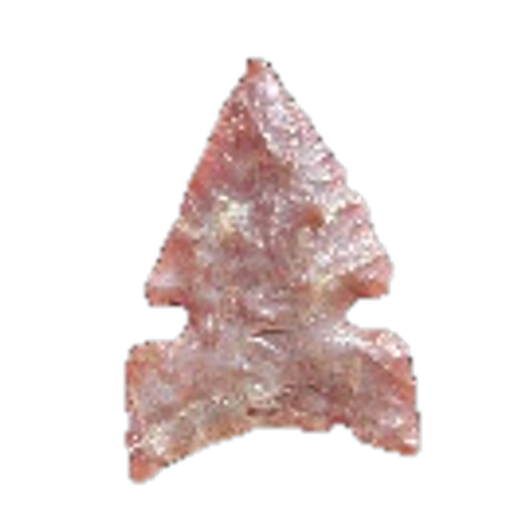 WashitaLate Prehistoric (Southern Plains villagers)About A.D. 1100-1200 to A.D. 1500-1600 (Bell's estimate)
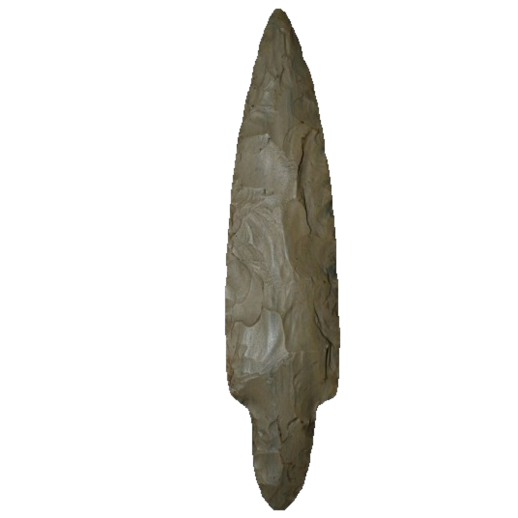 WaubesaEarly Woodland2,500 - 1,800 B.P.
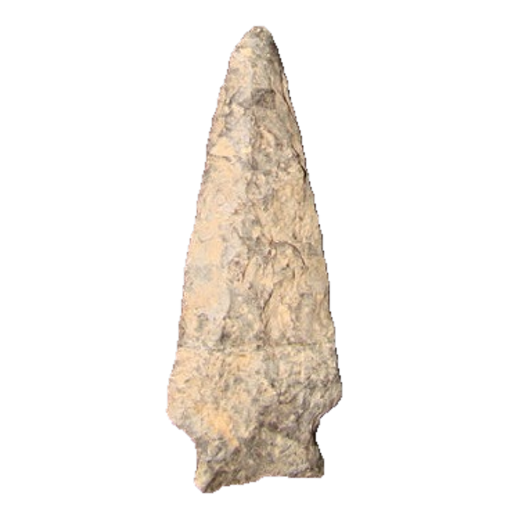 WaylandTransitional Archaic (Late Archaic)3,600 - 3,000 B.P.
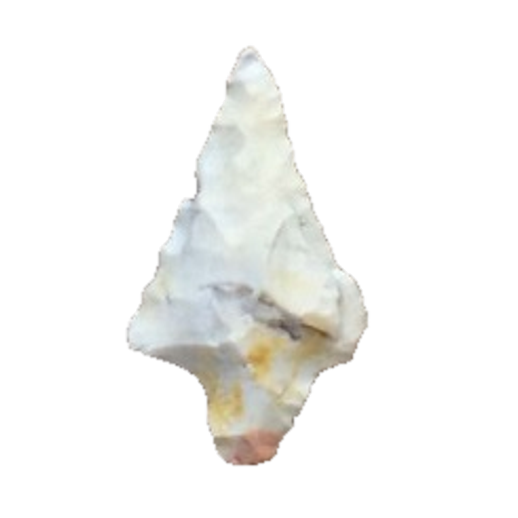 Weeden IslandLate Woodland1,500 - 1,100 B.P.
- Weeden Island IncisedGulf Coast / Southeastern Ceramic Traditions200 – 900 A.D.
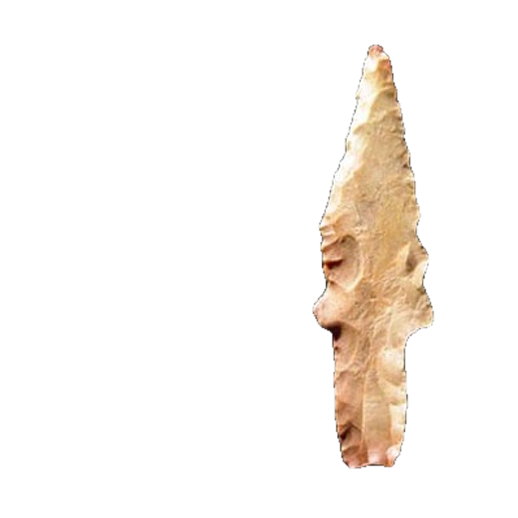 WellsArchaic, surviving into the early Caddo pottery periodAbout 3,000 - 1,000 B.P. (estimated 1000 B.C. to A.D. 1000)
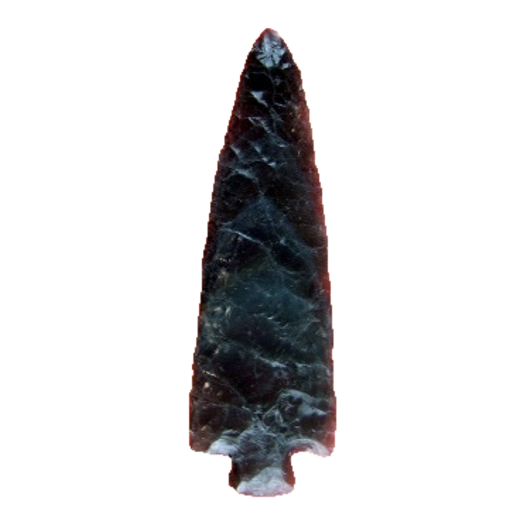 WendoverMiddle Archaic9,500 - 6,000 B.P. (the Wendover period of the eastern Great Basin)
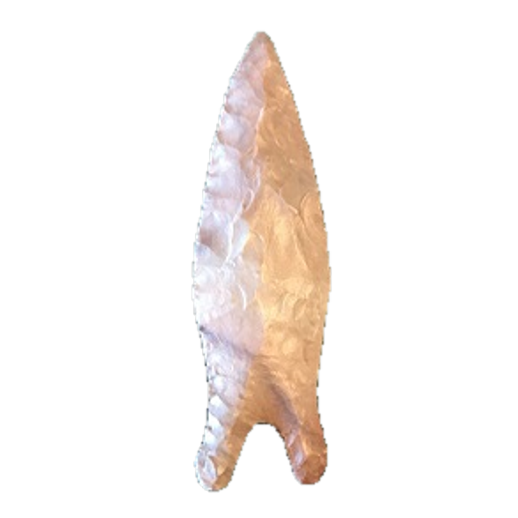 WheelerTransitional Paleo-Indian to Early ArchaicTreated as early: Cambron and Hulse place it in the transitional Paleo-Indian period; no radiocarbon dates quoted
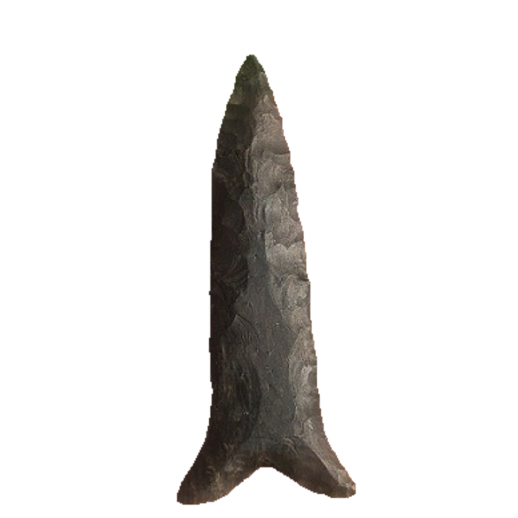 Wheeler ExpandingTransitional Paleo
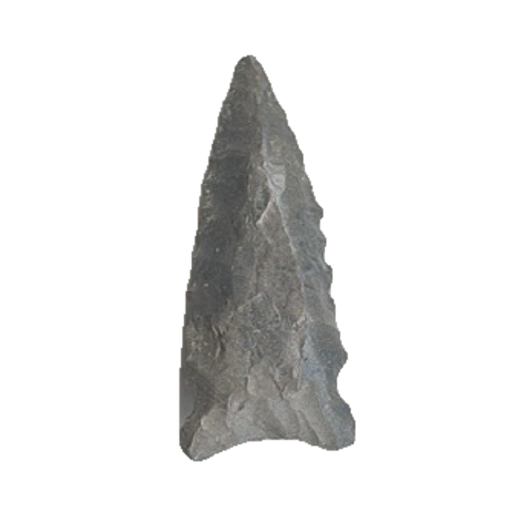 White RiverMiddle Archaic
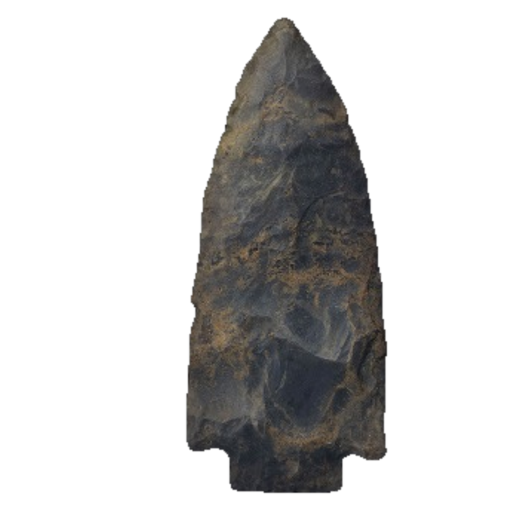 White SpringsMiddle Archaic7,000 - 6,000 B.P.
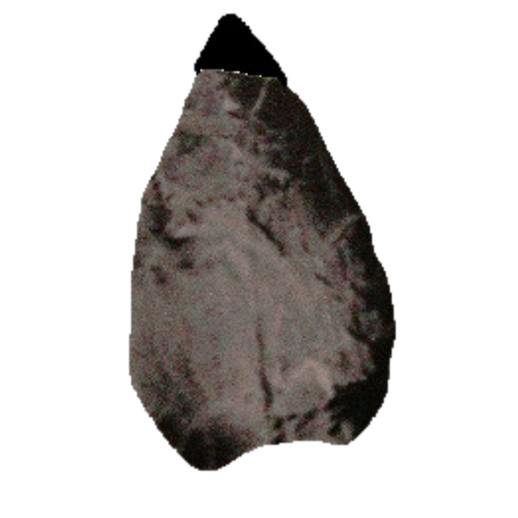 WhitehorseLate Taye Lake phase, Northern Archaic traditionAbout 2,000 - 1,200 B.P. (late Taye Lake phase)
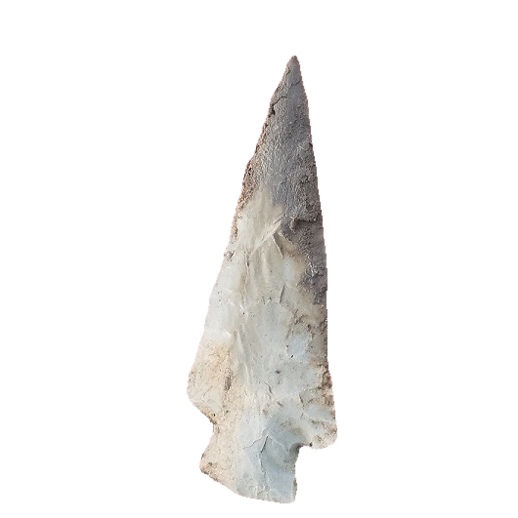 WilliamsLate ArchaicAbout 4,200 - 3,500 B.P. (radiocarbon years)
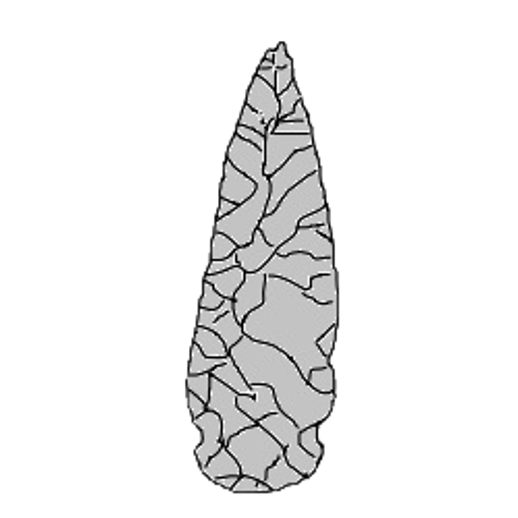 WillitsLate Archaic to Transitional ArchaicMendocino Pattern, roughly 3000 B.C. to A.D. 500 depending on locality (about 5,000 - 1,450 B.P.)
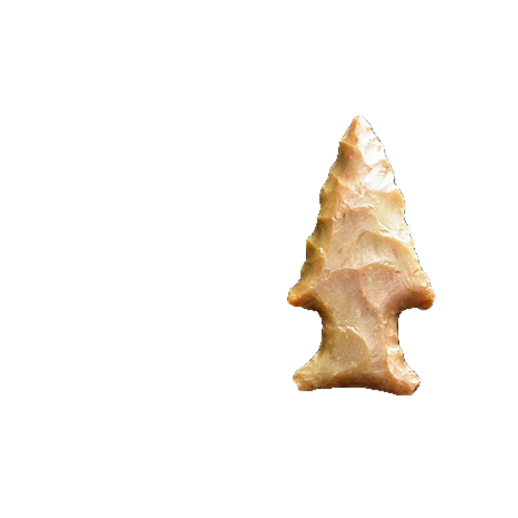 WilsonLate Paleoindian (Paleoindian-Archaic transition)About 10,200 - 8,800 B.P.
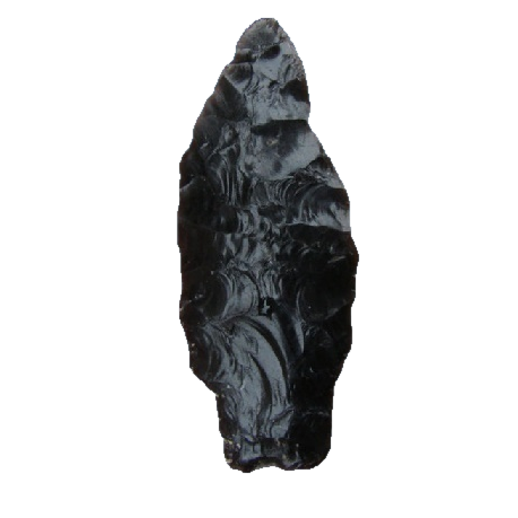 WindustLate Paleoindian to Early Archaic (Windust phase)The type series spans about 13,000 - 9,000 B.P.; the Windust phase on the lower Snake River is about 10,000 - 9,000 B.P.
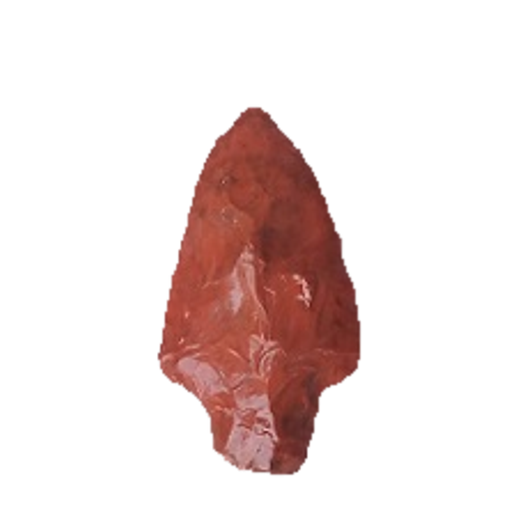 Wolf LakeEarly Woodland3,000 - 2,500 B.P.
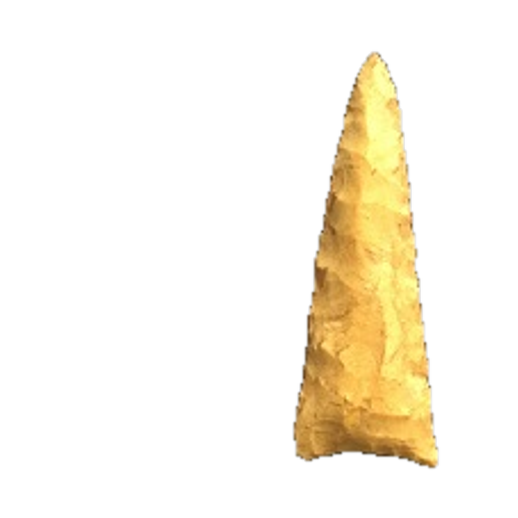 Woodland Triangle
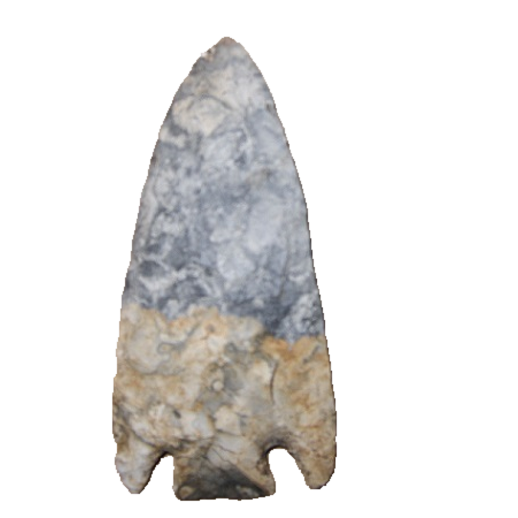 WrayLate Archaic
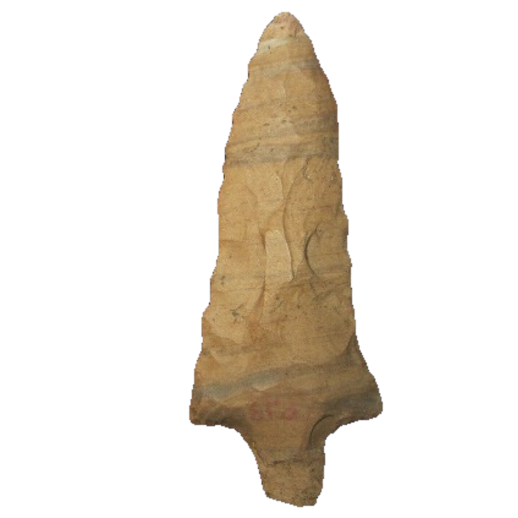 WrightWoodland2,500 - 2,000 B.P.
X
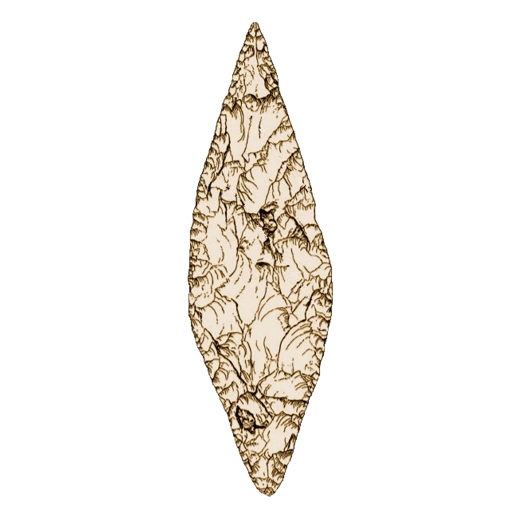
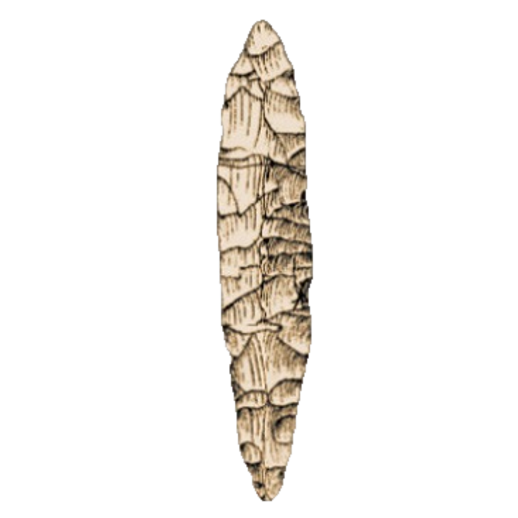
Y
 YadkinEarly Woodland to Middle WoodlandAbout 2,240–1,890 B.P. (290 B.C.–A.D. 60), radiocarbon dates for Yadkin pottery, with some sites lasting to about A.D. 500 (UNC RLA); A.D. 300–1300 for Yadkin points in Virginia (Virginia DHR)
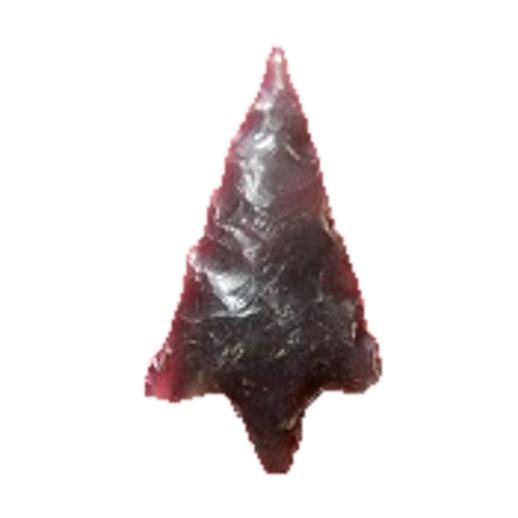 YanaDevelopmental to Historic1,500 - 400 B.P.
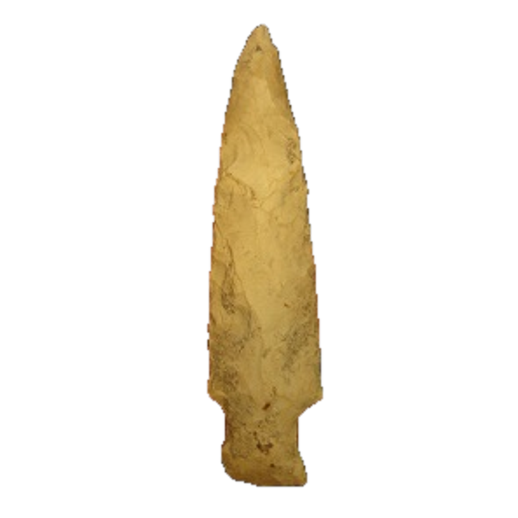 YarbroughLate Archaic to Early Ceramic (Transitional Archaic)2,500 - 1,000 B.P.
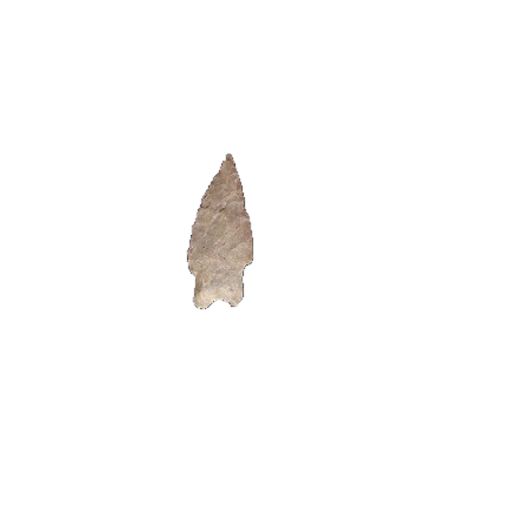 YonkeeTransitional Archaic3,100 - 2,300 B.P.