
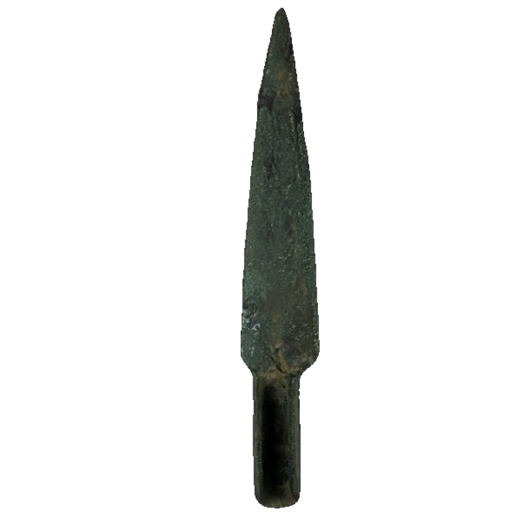
Arrowhead type
Copper Point
Copper6,000 - 2,500 B.P.Middle Archaic to Early Woodland4 reference photos
Key facts
- Age
- 6,000 - 2,500 B.P.
- Cultural period
- Middle Archaic to Early Woodland
- Culture
- Old Copper Culture
- Size
- Medium to Large
- Shape
- Straight Stem to Contracting Stem to Expanding Stem to Other
- Material
- Copper
- Glacial period
- Middle Holocene to Neoglacial
Description
The artifacts in question exhibit a notable consistency in their composition, being fabricated from copper, a material commonly associated with prehistoric toolmaking in the Great Lakes region.
Size
Medium to Large
Distribution
These specimens are mainly located in the northern Midwest area
Additional information
As we delve into the realm of Native American arrowheads, it is essential to acknowledge the wealth of information available through reputable online resources. For those seeking to expand their knowledge, the website of the Milwaukee Public Museum (mpm.edu) offers a comprehensive collection of anthropological research, including a dedicated section on the anthropology of Native American cultures. Furthermore, the Copper Culture website (copperculture.homestead.com) provides a valuable repository of information and examples, shedding light on the significance of copper in the material culture of indigenous societies.
These online resources serve as a testament to the enduring legacy of Native American craftsmanship and the importance of preserving cultural heritage. By exploring these digital collections, researchers and enthusiasts alike can gain a deeper understanding of the historical context and cultural associations surrounding Native American arrowheads. The meticulous craftsmanship and attention to detail evident in these artifacts underscore the sophistication and ingenuity of Native American cultures, highlighting the need for continued research and appreciation of these remarkable objects.
Through the study of Native American arrowheads, we can glean valuable insights into the lives and traditions of the people who created them, as well as the technological and cultural developments that shaped their societies. As we continue to learn from and appreciate these artifacts, it is crucial to recognize the significance of responsible stewardship and preservation of cultural heritage, ensuring that the stories and traditions embodied in these objects are passed down to future generations. By embracing a nuanced understanding of Native American cultures and their material legacy, we can foster a deeper appreciation for the complexity and richness of human history.