
Named stone
Gulf Coastal Plain gravel cherts
Also called Tuscaloosa gravel chert, Citronelle gravel chert (obsolete formation name), Pickwick pebbles, Horse Creek gravels, Upland Complex gravels, Mississippi chert gravel
A kind of chert (and flint)
Gulf Coastal Plain gravel chertsChert (and flint)SoutheastDescription
Where no bedrock chert exists, Native toolmakers across the Gulf Coastal Plain used chert gravels. Mississippi's geological survey explains that the gravels were washed down from Paleozoic limestone country around the Tennessee Valley, and that older books lumped many of them under the obsolete name Citronelle. Tan, yellow, brown, red and white pieces are typical, plus gray and black, and many carry zigzag stylolite seams that cause breaks. The stone is usually small, and weathered pieces wear a chalky, porous rind. Heating was routine: heat-treated Tuscaloosa gravel turns red and pink, flakes much better and gains luster. Small pieces from related gravel beds are hard to separate.
How to identify it
- Colour
- Tan, red, pink, gray, black, brown, yellow and white in Tuscaloosa gravel (MDEQ); typically white, yellow, brownish yellow, tan, yellow-tan and red (Barry); honey-colored in the High Terrace gravels; heat-treated pieces are red and pink and mottled.
- Texture
- Coarse and sugary in poorer stone to fine and smooth in better or heated stone (Barry).
- Luster
- Higher after heating.
- Inclusions
- Stylolites (zigzag seams filled with quartz or chalcedony) are common in Tuscaloosa gravel; fossils such as crinoids, corals, brachiopods and bryozoans can occur in the High Terrace gravels.
- Cortex
- Thick, porous, chalky or tripolitic cortex on weathered High Terrace clasts; clasts there seldom exceed 90 mm.
- Heat treatment
- Common for Tuscaloosa and High Terrace gravels, giving red to pink colours; it greatly improves flaking of coarse Tuscaloosa gravel and raises luster (MDEQ, Barry). In Barry's samples heating also made red from naturally yellow stone.
Geology
Gravels of Cretaceous to Recent age, laid down by rivers that carried weathered Paleozoic chert from the Highland Rim of Tennessee, northwest Alabama and northeast Mississippi onto the Coastal Plain. Chert is the principal mineral in Mississippi gravel, with minor quartz and quartzite; average particle size is under 2 cm, with larger clasts in the loess belt (Russell). The Tuscaloosa Formation's chert gravels derive largely from the Fort Payne, Tuscumbia and possibly Bangor limestones. Mississippi's survey no longer recognises a Citronelle Formation, and 'Citronelle chert' is just brown to honey-colored chert present in all its chert-bearing gravels. Tennessee's Horse Creek gravels and Upland Complex gravels are related deposits.
Where it comes from
Southeast
Quarries and outcrops
- Tuscaloosa Formation outcrops from Tishomingo County through Lowndes County, Mississippi, and along the Alabama border
- Black Warrior River and its tributaries, Alabama
- High Terrace Gravels from Copiah and Lincoln counties, Mississippi, east of the Pearl River
- Horse Creek gravels along the Tennessee River at the edge of the Highland Rim (Parish and Durham)
Used by
- Used where no other stone was available across north-central and east-central Mississippi (MDEQ)
- Moundville chiefdom sites, Alabama: Tuscaloosa gravel was the common local stone (Barry)
Look-alikes
Stones that are easy to confuse with Gulf Coastal Plain gravel cherts.
- Camden chert, very similar in the same formation; inclusions and mottling are the main clues
- Chert gravels of the Mississippi River and its terraces, which carry a wider mix including Burlington and Pitkin chert
- Brown to honey chert is common in every Mississippi gravel, so it does not point to a single bed
Sources
- Mississippi Department of Environmental Quality, Office of Geology. Lithic Materials (web page; updated December 2023).mdeq.ms.gov (opens in a new tab)
- Russell, Ernest E. 1987. Gravel Aggregate in Mississippi: Its Origin and Distribution. Mississippi Geology 7(3).geology.deq.ms.gov (opens in a new tab)
- Barry, Steven Edward. 2004. Lithic Raw Materials and Chipped Stone Tools: A Comparison of Two Sites in the Moundville Chiefdom. M.A. thesis, Department of Anthropology, University of Alabama, Tuscaloosa.rla.unc.edu (opens in a new tab)
- Parish, Ryan M., and Ellis Durham. 2018. KRF look-a-likes in Tennessee. 30 Days of Tennessee Archaeology, Day 22. Tennessee Council for Professional Archaeology (blog).tennesseearchaeologycouncil.wordpress.com (opens in a new tab)
Points made from this stone
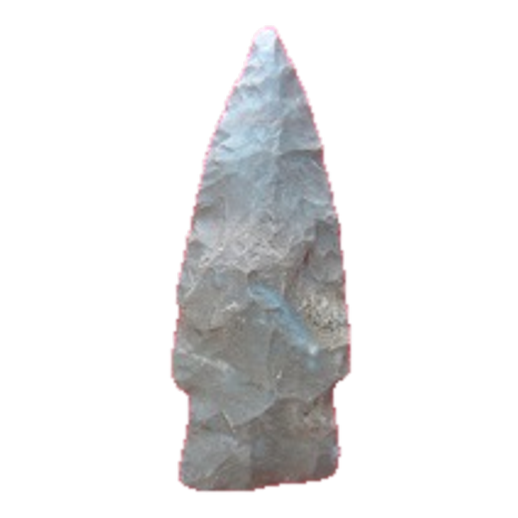 Bakers CreekEarly Woodland to Middle WoodlandAbout 3,450–1,750 B.P. (1500 B.C. to the early centuries A.D.; Cambron and Hulse 1975); about 2,000–1,500 years ago with Swift Creek pottery in Georgia (Whatley 2002)
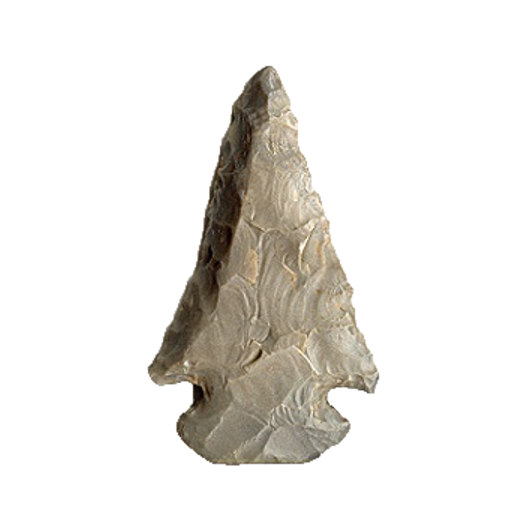 BeckerEarly Archaic9,000 - 8,500 B.P.
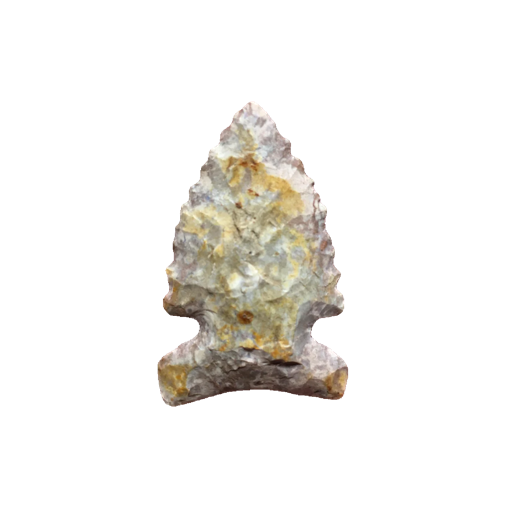 Big Sandy Side NotchEarly ArchaicAbout 10,000 B.P. at Stanfield-Worley Bluff Shelter, Alabama (Cambron and Hulse 1975); 10,000–9,000 cal B.C. for the Early Side-Notched component at Dust Cave, Alabama (Homsey and Capo 2006); unground later variant about 3500–1000 B.C. (Kneberg, via Cambron and Hulse)
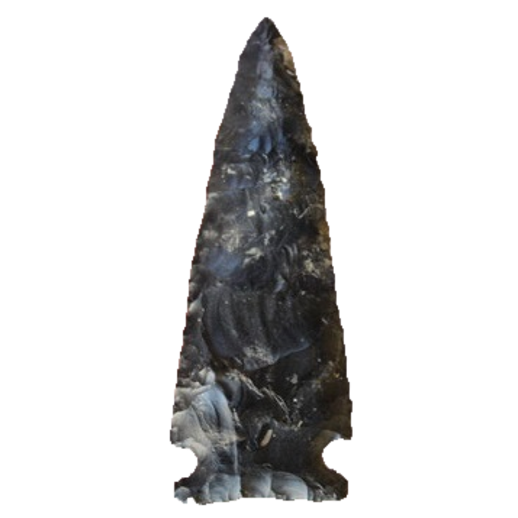 BolenEarly Archaic (called Late Paleoindian or Early Dalton by Bullen)11,400 - 10,500 cal. B.P. (about 10,000 radiocarbon years B.P. at its earliest sites)
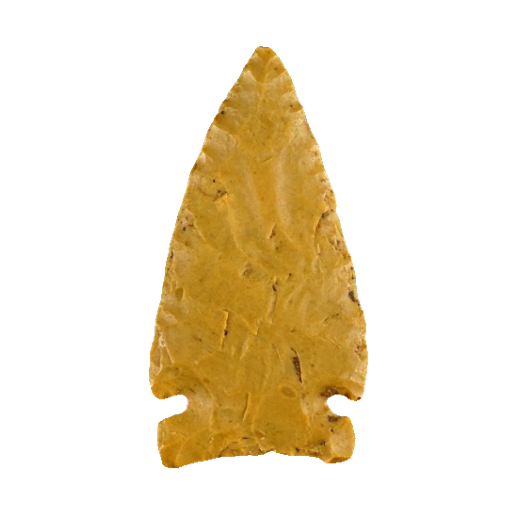 Cache RiverEarly ArchaicAbout 8,000 B.P. or slightly earlier (Perino 1971, probably contemporary with or just before San Patrice)
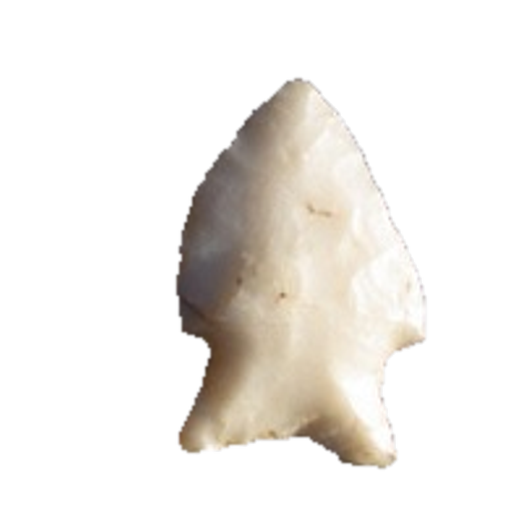 Cave SpringTransitional Paleo to Early Archaic9,500 - 9,000 B.P.
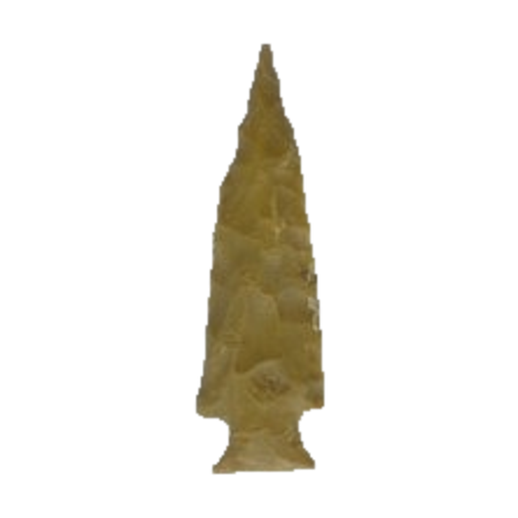 CollinsWoodland1,500 - 1,200 B.P.
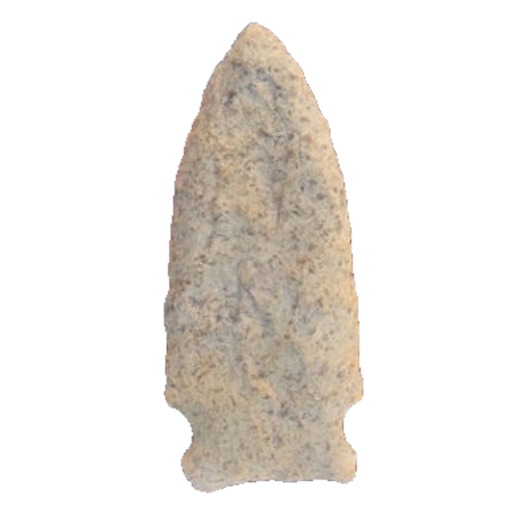 GreenbrierEarly ArchaicRoughly 9,000 - 5,000 years ago in Cambron and Hulse's (1975) reading of Alabama stratigraphy; the earlier record gives 9,500 - 8,000 B.P.
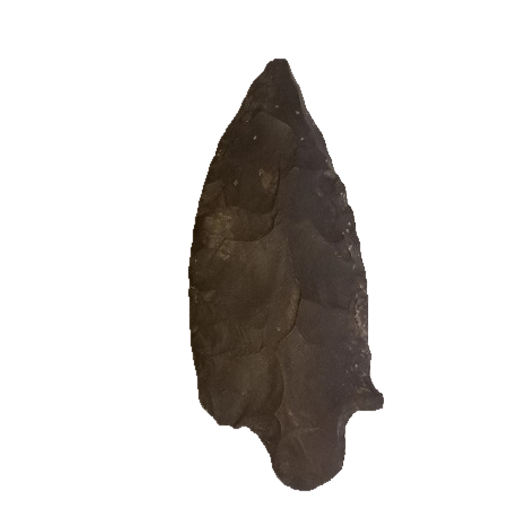 LedbetterLate Archaic to Early WoodlandAbout 5,000 - 2,000 B.P.
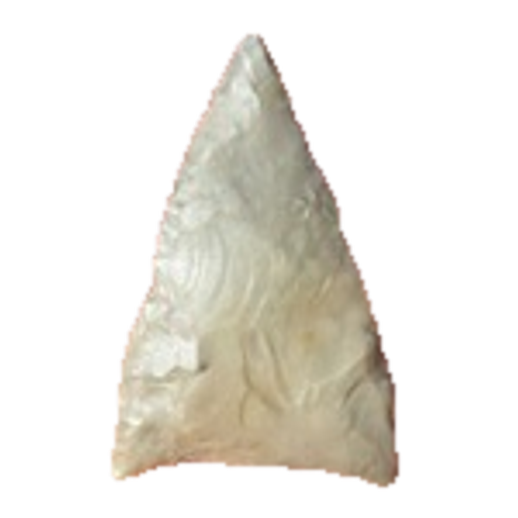 MadisonLate Woodland to Mississippian1,100–300 B.P. in the Upper Mississippi Valley (MVAC); about A.D. 1250–1600 in Maryland (Maryland JPPM); A.D. 1300–1800 for similar Late Mississippi triangles in Tennessee (Kneberg 1956, via Cambron and Hulse 1975)
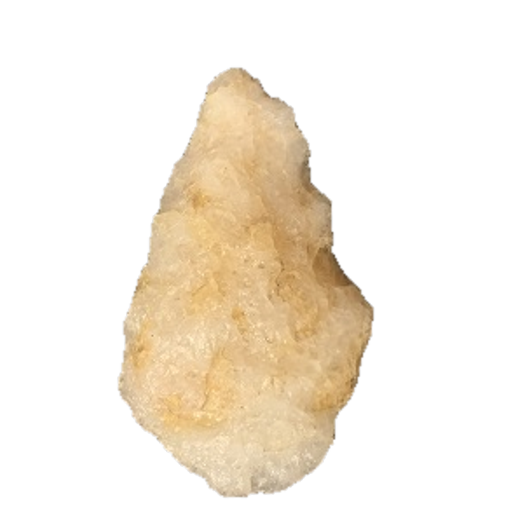 Morrow MountainMiddle Archaic7,100–6,200 B.P. (Maryland JPPM); on the Nottoway River, Virginia, about 7,100–6,700 B.P. for type I and 6,800–6,200 B.P. for type II; 5500–5000 B.C. at Doerschuk and in southeast Tennessee (UNC RLA)
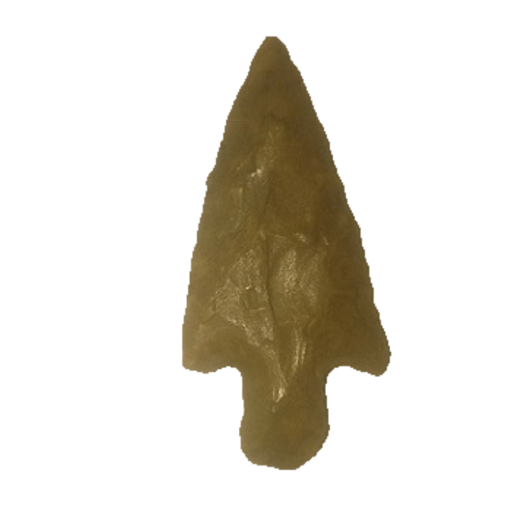 SmithsoniaLate Archaic to Early Woodland3,500 - 2,500 B.P.
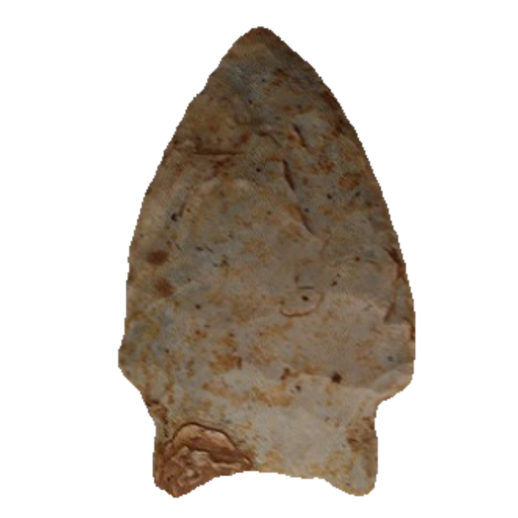 SykesLate Archaic5,500 - 3,000 B.P.
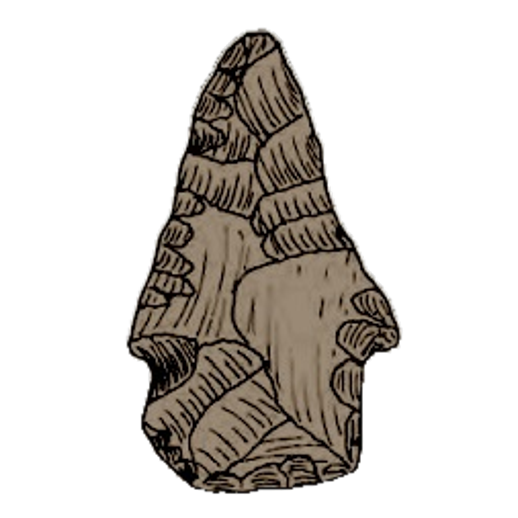 VaughnMiddle Archaic7,000 - 6,500 B.P.
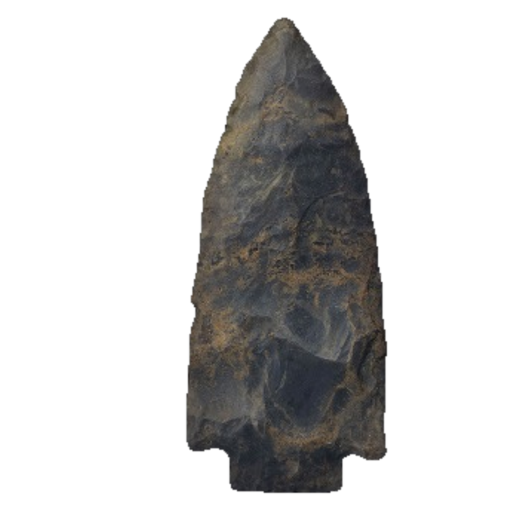 White SpringsMiddle Archaic7,000 - 6,000 B.P.