

Rock type
Quartz
Also called Vein quartz, Rock crystal, Milky quartz, Quartz crystal
Quartzquartz (vein and crystal)All regions2 photos
Description
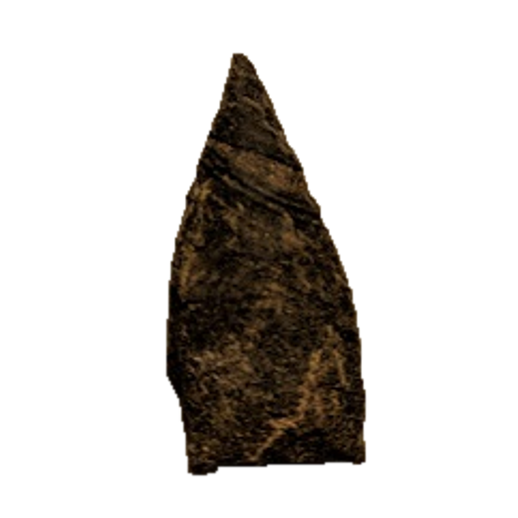
Quartz is silicon dioxide, the most abundant mineral on earth. In the East the archaeological stone is mostly vein quartz: milky, glassy or clear, in blocky pieces and stream cobbles. It breaks along flat crystal planes rather than with the clean shell-like fracture of chert, so it is hard to work. Tools are usually small and often made by smashing a cobble on an anvil (bipolar reduction). Colour ranges from clear and milky white to rose, blue and smoky. It is common in the Blue Ridge and Piedmont of Virginia and Maryland and in glacial drift in Minnesota. Rock crystal is the clear, six-sided form, used only rarely at Ashe Ferry.
How to identify it
- Colour
- Clear and milky white, rose, blue or smoky; clear to white or yellow with a high luster on fresh breaks (Barry quoting Skrivan and King).
- Texture
- Massive (microcrystalline) quartz in most of Maryland; macrocrystalline six-sided crystals occur.
- Luster
- High luster on fresh surfaces.
- Cortex
- Stream cobbles are smooth and rounded.
Geology
Quartz is associated with igneous and metamorphic rocks. Virginia's Blue Ridge and Piedmont are crossed by quartz outcrops that break into blocky sections, and quartz also occurs in the Ridge and Valley sedimentary rocks, probably through solution replacement. Maryland's guide describes it as outcropping in the Blue Ridge and Piedmont, highly fractured, with small stream cobbles the usual form. In Mississippi, quartz is a constituent of all the gravel deposits, typically white to pinkish, translucent to clear. In Minnesota, quartz is available in glacial drift throughout the state.
Where it comes from
All regions
Quarries and outcrops
- Blue Ridge and Piedmont of Virginia and Maryland
- Madison County, Virginia (principal collection locality in the Virginia guide)
- Glacial drift, Minnesota
- Gravels of Mississippi
- Ashe Ferry site, Carolina Piedmont (stream cobbles broken and knapped)
Used by
- Quartz artifacts are small, because natural fracture lines yield small blocks and cobbles; use was underestimated in the past (Virginia DHR)
- Late Archaic to Late Woodland: quartz cores and small points beside metavolcanic stone at Ashe Ferry (Research Report 36)
Look-alikes
Stones that are easy to confuse with Quartz.
- Quartzite (made of cemented grains)
- Chalcedony and chert (finer, with conchoidal fracture)
Sources
- Nash (1999) and Egloff (2008). Vein Quartz. Virginia Department of Historic Resources, Lithics (Projectile Points and Lithics guide).dhr.virginia.gov (opens in a new tab)
- Maryland Archaeological Conservation Laboratory. Quartz. Diagnostic Artifacts in Maryland: Common Stone Types (Jefferson Patterson Park and Museum).apps.jefpat.maryland.gov (opens in a new tab)
- Research Laboratories of Archaeology, University of North Carolina at Chapel Hill. Research Report 36, Chapter 6: Chipped-Stone, Ground-Stone, and Other Artifacts (Ashe Ferry site; PDF dated 2015).rla.unc.edu (opens in a new tab)
- Bakken, Kent E. (written about 1995; PDF issued later). Chipped Stone Raw Materials. Chapter 6 in Stone Tools of Minnesota. Minnesota Office of the State Archaeologist, St. Paul.mn.gov (opens in a new tab)
- Mississippi Department of Environmental Quality, Office of Geology. Lithic Materials (web page; updated December 2023).mdeq.ms.gov (opens in a new tab)
Points made from this stone
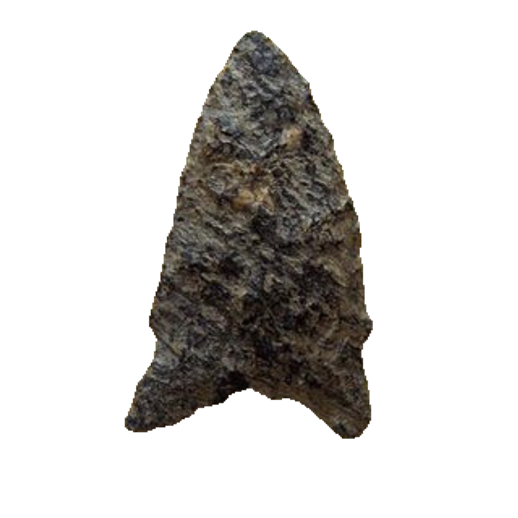 Brewerton EaredLate Middle Archaic to Late ArchaicAbout 5,000 - 3,700 B.P.
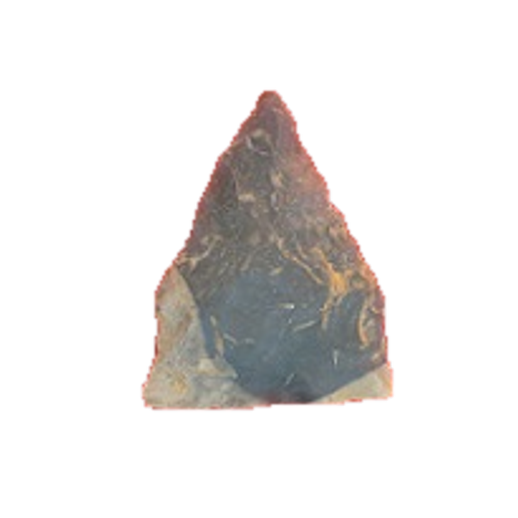 Brewerton Eared TriangleMiddle Archaic5,000 - 4,000 B.P.
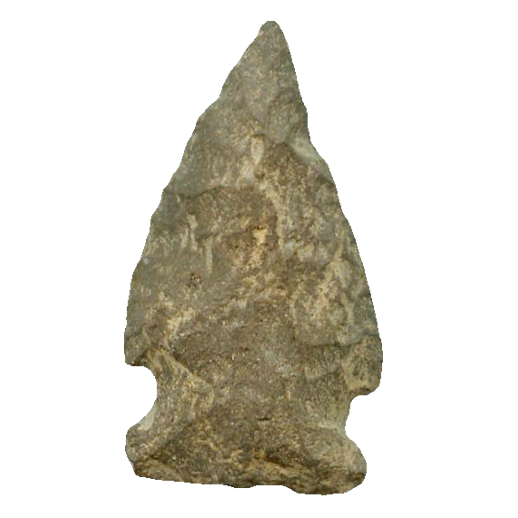 Brewerton Side NotchMiddle Archaic to Late Archaic5,630–4,150 B.P. (radiocarbon dates from New York, Pennsylvania and West Virginia); 4,930–3,670 B.P. (Justice 1987, as cited by JPPM)
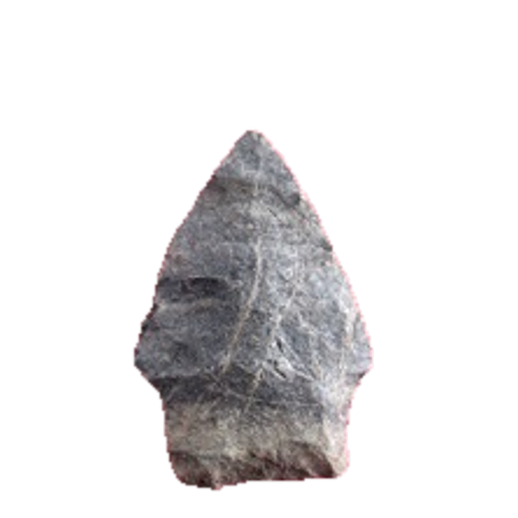 CalvertEarly Woodland3,100 - 2,500 B.P.
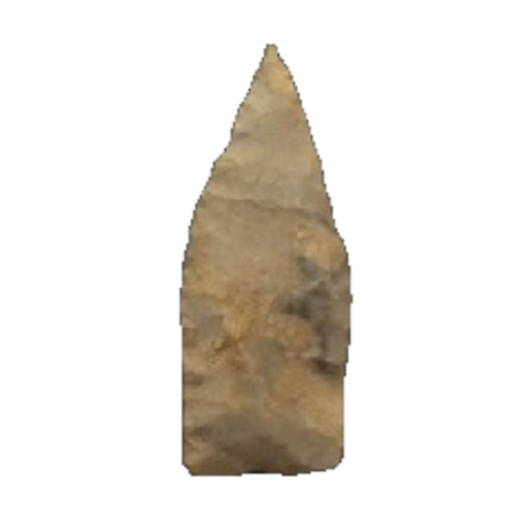 Jacks Reef PentagonalMiddle Woodland to Late WoodlandAbout 1,640–1,000 B.P. (A.D. 310–955; radiocarbon dates compiled by the Maryland Archeology guide); mainly A.D. 700–1300 in Virginia (Virginia DHR); 1057 ± 250 B.P. at the White Site, New York (Ritchie 1961, via Cambron and Hulse 1975)
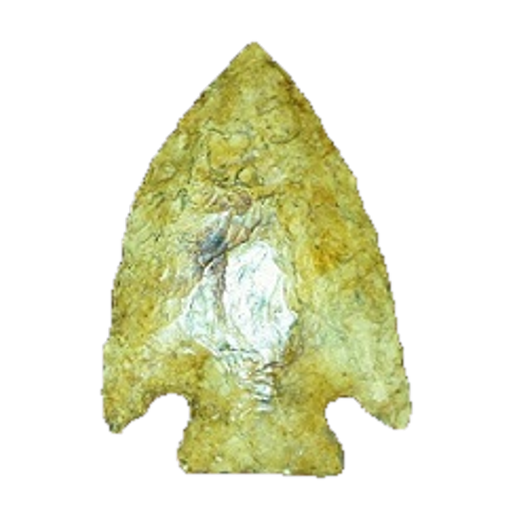 Kirk Corner NotchEarly Archaic9,500–8,900 B.P. (Justice 1987); 9,400–8,500 B.P. (Virginia DHR); 9,200–8,900 B.P. (Steponaitis 1980); three dates of 7,530–7,290 B.P. at Pig Point, Maryland, suggest it lasted later in the north (Maryland JPPM)
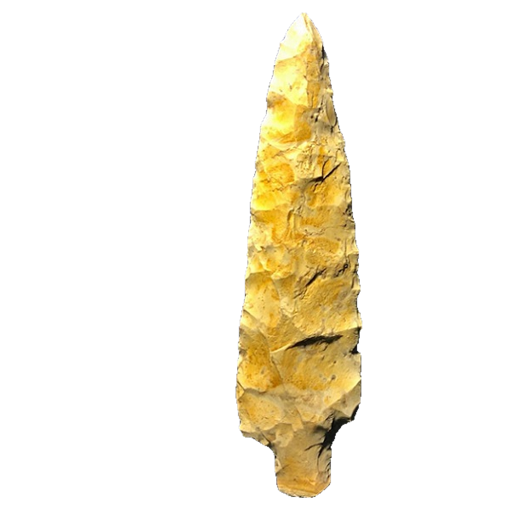 Kirk StemmedEarly Archaic8,900–8,000 B.P. (Justice 1987); 8,800–8,100 B.P. in Virginia (DHR); 8,200–8,000 B.P. in Delaware (Custer 1996), as summarized by the Maryland Archaeological Conservation Laboratory
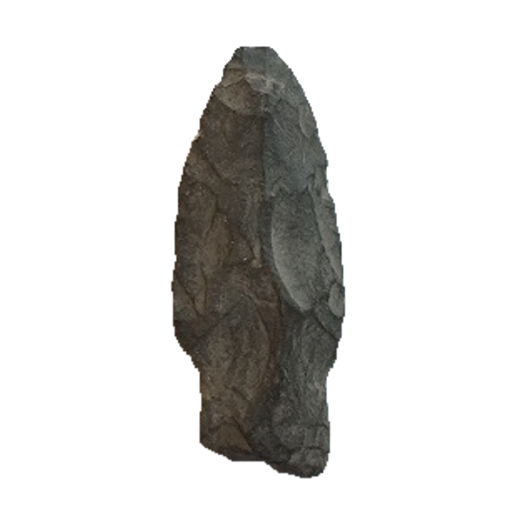 LamokaLate Archaic5,500–3,600 B.P. (Maryland JPPM, from New York, Upper Susquehanna and Pennsylvania dates); Lamoka Lake site modelled at 2962–2902 cal B.C., about 4,900 cal B.P. (Hart et al. 2023)
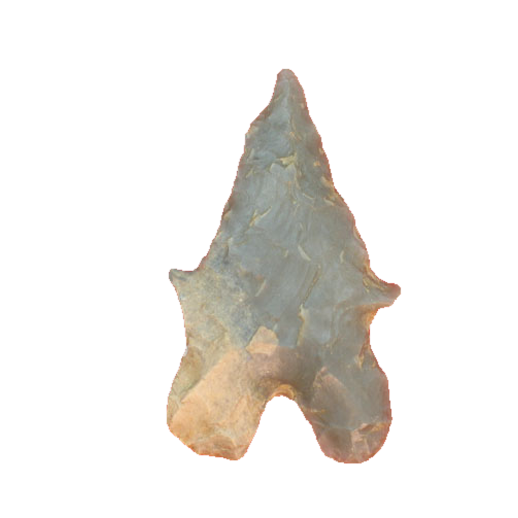 LeCroyEarly Archaic (latest Early Archaic; some place it in the early Middle Archaic)8,500–7,800 B.P. (Justice 1987); 8,600–8,300 B.P. (Steponaitis 1980), as summarized by the Maryland Archaeological Conservation Laboratory; 8,250 ± 100 B.P. at St. Albans, West Virginia (Broyles 1971)
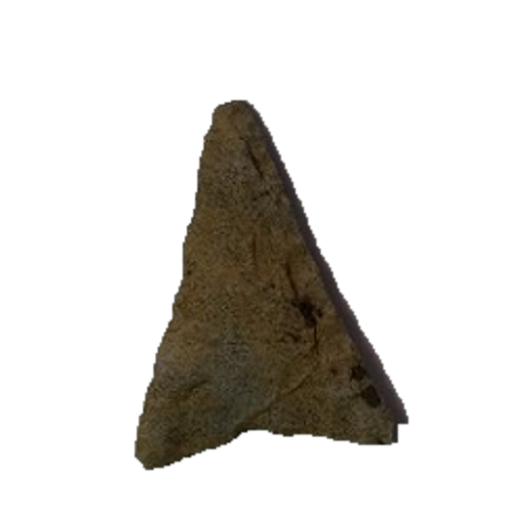 LevannaLate Woodland1,350 - 600 B.P. (A.D. 600-1350; authors differ on the exact span)
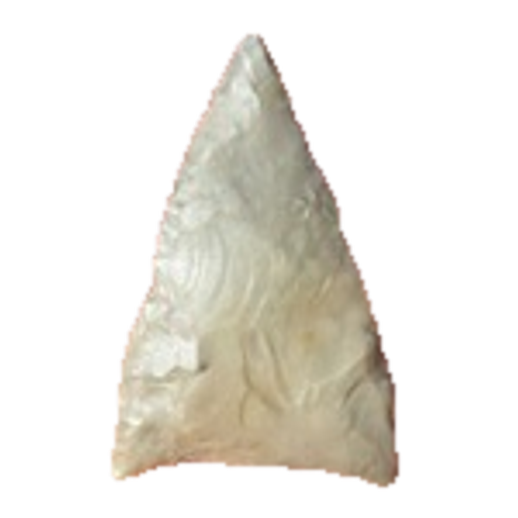 MadisonLate Woodland to Mississippian1,100–300 B.P. in the Upper Mississippi Valley (MVAC); about A.D. 1250–1600 in Maryland (Maryland JPPM); A.D. 1300–1800 for similar Late Mississippi triangles in Tennessee (Kneberg 1956, via Cambron and Hulse 1975)
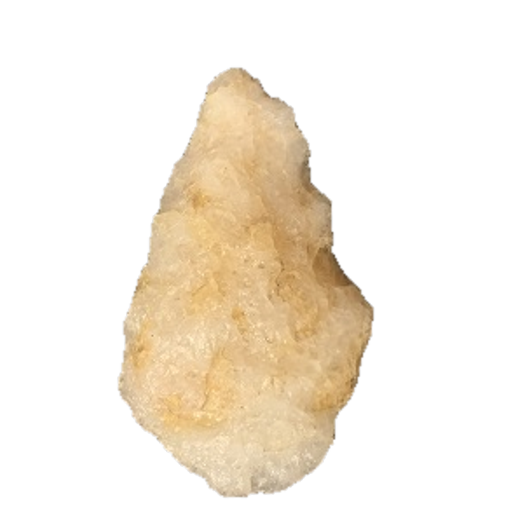 Morrow MountainMiddle Archaic7,100–6,200 B.P. (Maryland JPPM); on the Nottoway River, Virginia, about 7,100–6,700 B.P. for type I and 6,800–6,200 B.P. for type II; 5500–5000 B.C. at Doerschuk and in southeast Tennessee (UNC RLA)
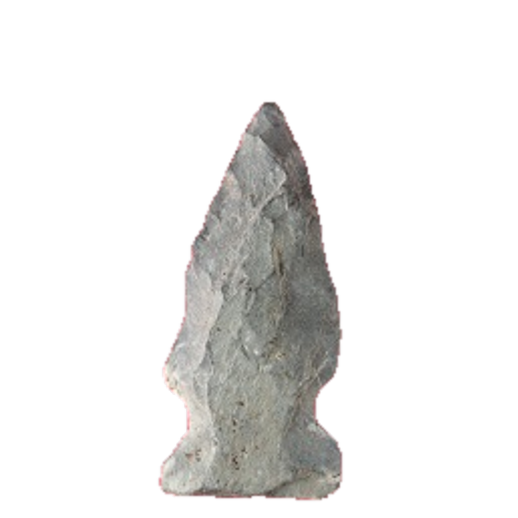 Otter CreekMiddle Archaic to Late Archaic6,000–5,000 B.P. core period (Maryland JPPM, after Funk 1993 and Dent 1995); 5,070 ± 210 B.P. at Otter Creek No. 2, Vermont (Ritchie 1979)
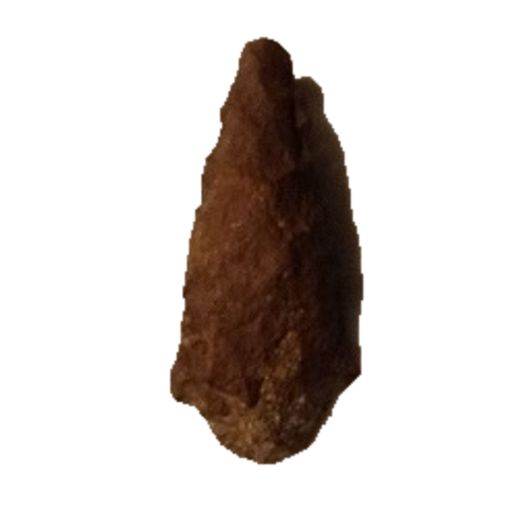 PiscatawayLate Archaic to Early Woodland2,950–2,450 B.P. in Virginia (1000–500 B.C.; Virginia DHR); Late Archaic to Early Woodland in Maryland, where the youngest dated context, at Pig Point, is 350 B.C. (JPPM).
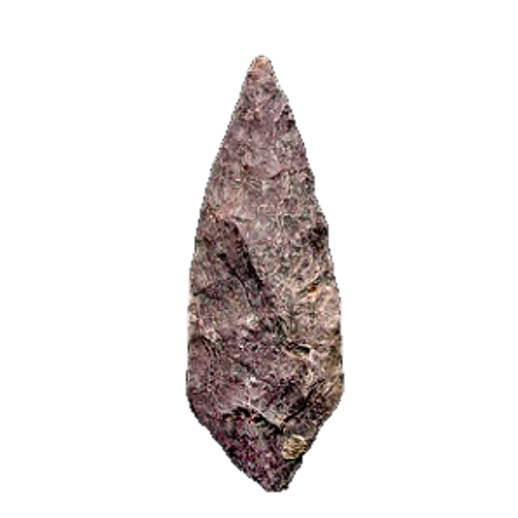 RossvilleEarly to Middle WoodlandAbout 2,800 - 1,050 B.P. (825 B.C. - A.D. 900) on radiocarbon evidence, though the range is debated and may begin in the Terminal Archaic or run into the Late Woodland
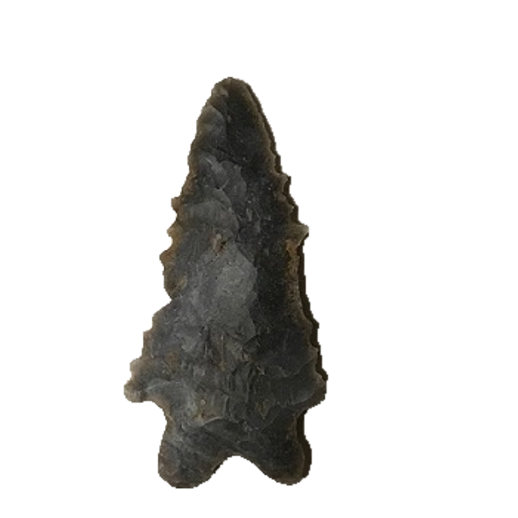 St AlbansEarly Archaic8,900–8,500 B.P. (Justice 1987); 9,000–8,750 B.P. on the Nottoway River, Virginia (McAvoy and McAvoy 1997); both as summarized by Maryland JPPM.
 YadkinEarly Woodland to Middle WoodlandAbout 2,240–1,890 B.P. (290 B.C.–A.D. 60), radiocarbon dates for Yadkin pottery, with some sites lasting to about A.D. 500 (UNC RLA); A.D. 300–1300 for Yadkin points in Virginia (Virginia DHR)